MOTOSHARE 🚗🏍️
Rent Bikes & Cars Directly from Owners
Motoshare connects vehicle owners with people who need bikes and cars on rent. Owners earn from idle vehicles, and renters get flexible ride options.
Visit Motoshare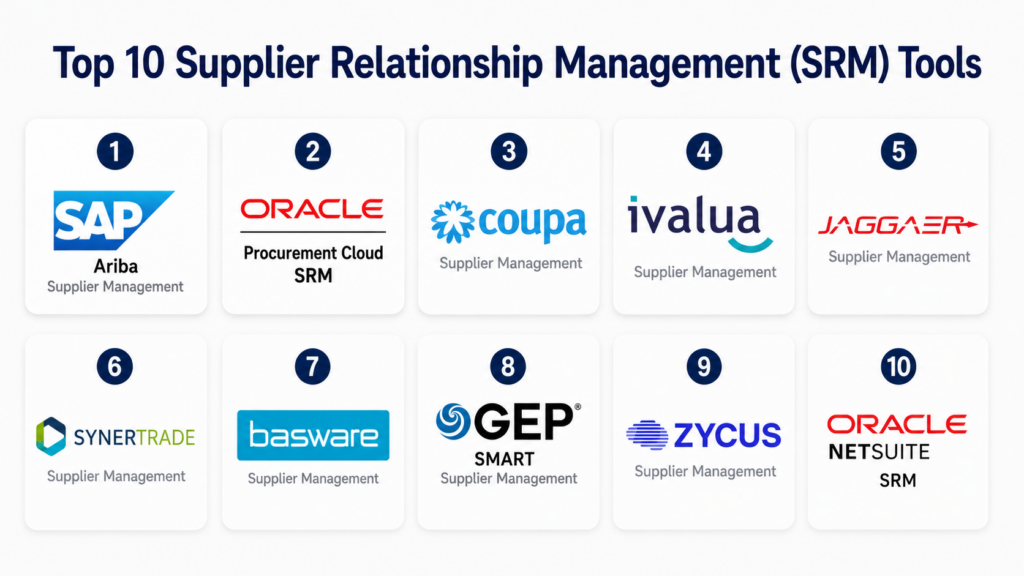
Introduction
Supplier Relationship Management (SRM) tools help organizations manage, monitor, and optimize relationships with their suppliers. They provide visibility into supplier performance, risk, and compliance while streamlining procurement and collaboration processes. By centralizing supplier data and communication, SRM platforms support better decision-making and cost optimization.In today’s dynamic supply chain environment, organizations must manage multiple suppliers across regions, maintain compliance with regulations, and reduce procurement risks. SRM software enables proactive supplier management, automated performance tracking, and efficient collaboration.
Real-world use cases include: monitoring supplier performance and KPIs, managing contracts and compliance, conducting risk assessments, optimizing procurement workflows, and fostering collaborative innovation with strategic suppliers.
Evaluation criteria for buyers: supplier onboarding capabilities, performance monitoring, contract management, risk assessment, collaboration tools, integration with ERP systems, reporting and analytics, ease of use, deployment options, and vendor support quality.
Best for: procurement managers, supply chain teams, operations executives, and large or mid-sized organizations managing multiple suppliers.
Not ideal for: small businesses with minimal suppliers, simple procurement needs, or teams relying on basic spreadsheets for supplier management.
Key Trends in Supplier Relationship Management (SRM) Tools
- AI-driven supplier risk assessment and performance prediction.
- Cloud-based collaboration platforms for multi-region suppliers.
- Integrated contract management and compliance tracking.
- Mobile accessibility for supplier communication and approvals.
- Predictive analytics for procurement cost optimization.
- Enhanced integration with ERP, CRM, and logistics systems.
- Focus on sustainability and ESG (environmental, social, governance) metrics.
- Automated alerts for supplier delays or compliance breaches.
- Flexible subscription pricing and modular deployment models.
- Support for supplier innovation and strategic collaboration initiatives.
How We Selected These Tools (Methodology)
- Evaluated market adoption and recognition across industries.
- Assessed completeness of core SRM features: supplier onboarding, contract management, performance monitoring, and risk management.
- Reviewed reliability, scalability, and performance indicators.
- Verified security posture including authentication, encryption, and compliance certifications.
- Checked integration flexibility with ERP, procurement, and analytics systems.
- Considered usability, onboarding experience, and reporting depth.
- Assessed suitability across SMB, mid-market, and enterprise organizations.
- Evaluated mobile accessibility and cloud deployment options.
- Reviewed vendor support, training, and community resources.
- Prioritized tools offering AI-driven insights and predictive analytics.
Top 10 Supplier Relationship Management (SRM) Tools
#1 — SAP Ariba Supplier Management
Short description: SAP Ariba Supplier Management is a cloud-based platform designed for enterprises to manage supplier onboarding, performance, and risk. It offers comprehensive analytics and collaboration features to optimize procurement.
Key Features
- Supplier onboarding and registration
- Performance tracking and scorecards
- Risk and compliance assessment
- Contract management integration
- Collaboration dashboards
- Analytics and reporting
Pros
- Enterprise-grade analytics and insights
- Integrated with SAP ecosystem
- Supports complex global supply chains
Cons
- High learning curve
- Premium pricing for smaller organizations
Platforms / Deployment
- Web, Cloud
Security & Compliance
- ISO 27001, SOC 2, SSO/SAML, encryption
Integrations & Ecosystem
Supports ERP and procurement integrations.
- SAP ERP and SAP S/4HANA
- API access for custom integrations
- Third-party analytics tools
Support & Community
- Extensive SAP support network
- Training and certification programs
- Active global user community
#2 — Oracle Procurement Cloud SRM
Short description: Oracle Procurement Cloud SRM streamlines supplier lifecycle management and risk monitoring, offering predictive analytics and collaboration tools for large organizations.
Key Features
- Supplier onboarding and profiling
- Performance and risk dashboards
- Contract lifecycle integration
- Collaboration and communication tools
- AI-driven supplier insights
Pros
- Unified with Oracle Cloud ERP
- Strong predictive analytics
- Scalable for global enterprises
Cons
- Best for Oracle ERP users
- Moderate learning curve
Platforms / Deployment
- Web, Cloud
Security & Compliance
- SOC 2, ISO 27001, MFA, encryption
Integrations & Ecosystem
- Oracle ERP, procurement and analytics connectors
- API support for custom integrations
- Third-party logistics systems
Support & Community
- Tiered global support
- Knowledge base and documentation
- Community forums
#3 — Coupa Supplier Management
Short description: Coupa Supplier Management is a cloud-native platform offering supplier onboarding, risk assessment, and performance monitoring with intuitive dashboards for mid-to-large organizations.
Key Features
- Supplier registration and onboarding
- Risk and compliance tracking
- Performance scorecards and KPIs
- Contract management integration
- Collaboration tools
Pros
- Intuitive interface and usability
- Cloud-native flexibility
- Strong supplier performance insights
Cons
- Limited customization for complex global needs
- May require training for advanced features
Platforms / Deployment
- Web, Cloud
Security & Compliance
- SOC 2, ISO 27001, SSO/SAML
Integrations & Ecosystem
- ERP and procurement system integration
- API access for analytics and reporting
- Third-party data enrichment
Support & Community
- Online documentation and tutorials
- Customer support tiers
- Active user community
#4 — Ivalua Supplier Management
Short description: Ivalua provides SRM solutions for supplier onboarding, performance, risk, and collaboration, enabling enterprises to optimize supplier relationships.
Key Features
- Supplier registration and qualification
- Performance monitoring and scorecards
- Risk and compliance assessment
- Contract management
- Collaboration and workflow automation
Pros
- Strong global supplier management capabilities
- Flexible configuration options
- Comprehensive dashboards and reporting
Cons
- May be complex to implement
- Premium pricing for full feature set
Platforms / Deployment
- Web, Cloud
Security & Compliance
- Not publicly stated
Integrations & Ecosystem
- ERP and procurement integrations
- API support for custom reporting
- BI tool connectors
Support & Community
- Customer support tiers
- Online training and documentation
- User forums
#5 — Jaggaer Supplier Management
Short description: Jaggaer SRM platform provides performance monitoring, risk management, and supplier collaboration features tailored for mid-to-large enterprises.
Key Features
- Supplier onboarding and qualification
- Performance tracking and dashboards
- Risk assessment and mitigation
- Contract integration
- Collaboration portals
Pros
- Strong analytics and KPI monitoring
- Flexible deployment
- Supports multiple industries
Cons
- Implementation may require dedicated resources
- Interface can be complex for new users
Platforms / Deployment
- Web, Cloud / Hybrid
Security & Compliance
- Not publicly stated
Integrations & Ecosystem
- ERP and procurement system integration
- APIs for data exchange
- BI tool connectors
Support & Community
- Customer support teams
- Documentation and tutorials
- User community
#6 — SynerTrade Supplier Management
Short description: SynerTrade offers SRM solutions for supplier collaboration, risk management, and performance tracking, focusing on mid-market and enterprise clients.
Key Features
- Supplier registration and evaluation
- Performance dashboards
- Risk and compliance monitoring
- Contract management
- Collaboration and communication tools
Pros
- Cloud-native simplicity
- Supports strategic supplier management
- Intuitive dashboards
Cons
- Limited advanced analytics
- Smaller user community
Platforms / Deployment
- Web, Cloud
Security & Compliance
- Not publicly stated
Integrations & Ecosystem
- ERP connectors
- API support
- Data import/export
Support & Community
- Online documentation
- Customer support via email/phone
- Training resources
#7 — Basware Supplier Management
Short description: Basware SRM streamlines supplier onboarding, risk management, and performance tracking with automation features for procurement teams.
Key Features
- Supplier onboarding
- Risk and compliance tracking
- Performance monitoring
- Workflow automation
- Analytics dashboards
Pros
- Simplifies supplier lifecycle management
- Automation reduces manual work
- Cloud-based flexibility
Cons
- May require ERP integration for full functionality
- Limited AI capabilities
Platforms / Deployment
- Web, Cloud
Security & Compliance
- Not publicly stated
Integrations & Ecosystem
- ERP and procurement integration
- API support
- Reporting and analytics connectors
Support & Community
- Customer support tiers
- Documentation and tutorials
- Community forums
#8 — GEP SMART Supplier Management
Short description: GEP SMART SRM provides supplier performance tracking, risk assessment, and collaboration tools with AI-driven insights for procurement optimization.
Key Features
- Supplier onboarding and profile management
- Risk scoring and alerts
- Performance scorecards
- Contract integration
- AI-driven insights
Pros
- Predictive analytics for supplier performance
- Strong collaboration tools
- Suitable for global operations
Cons
- Premium pricing
- Implementation can be complex
Platforms / Deployment
- Web, Cloud
Security & Compliance
- Not publicly stated
Integrations & Ecosystem
- ERP integration
- API support
- BI tools
Support & Community
- Online support and documentation
- Customer success programs
- User community
#9 — Zycus Supplier Management
Short description: Zycus offers SRM software for supplier onboarding, performance monitoring, and risk management with integrated analytics and collaboration features.
Key Features
- Supplier registration and evaluation
- Performance tracking
- Risk and compliance monitoring
- Collaboration portals
- Reporting dashboards
Pros
- Cloud-native and scalable
- Flexible supplier evaluation
- Analytics-driven insights
Cons
- Limited customization
- Learning curve for new users
Platforms / Deployment
- Web, Cloud
Security & Compliance
- Not publicly stated
Integrations & Ecosystem
- ERP and procurement system integration
- API support
- BI and analytics connectors
Support & Community
- Email and phone support
- Documentation and tutorials
- Training resources
#10 — Oracle NetSuite SRM
Short description: NetSuite SRM is designed for mid-market and enterprise organizations to manage supplier relationships, performance, and risk within a unified cloud ERP environment.
Key Features
- Supplier onboarding and profiling
- Performance scorecards
- Risk and compliance assessment
- Contract lifecycle integration
- Collaboration dashboards
Pros
- Unified with NetSuite ERP
- Real-time supplier insights
- Cloud-native platform
Cons
- Best suited for NetSuite users
- Limited advanced analytics outside ERP
Platforms / Deployment
- Web, Cloud
Security & Compliance
- SOC 2, encryption, SSO/SAML
Integrations & Ecosystem
- NetSuite ERP integration
- API support
- Analytics and BI connectors
Support & Community
- Global support
- Knowledge base and documentation
- Online community
Comparison Table (Top 10)
| Tool Name | Best For | Platform(s) Supported | Deployment | Standout Feature | Public Rating |
|---|---|---|---|---|---|
| SAP Ariba Supplier Management | Enterprise | Web | Cloud | Comprehensive analytics | N/A |
| Oracle Procurement Cloud SRM | Global enterprise | Web | Cloud | Predictive supplier insights | N/A |
| Coupa Supplier Management | Mid-to-large orgs | Web | Cloud | Intuitive dashboards | N/A |
| Ivalua Supplier Management | Enterprise | Web | Cloud | Flexible configuration | N/A |
| Jaggaer Supplier Management | Mid-to-large enterprises | Web | Cloud/Hybrid | Performance analytics | N/A |
| SynerTrade Supplier Management | Mid-market | Web | Cloud | Strategic supplier management | N/A |
| Basware Supplier Management | Procurement teams | Web | Cloud | Automated workflows | N/A |
| GEP SMART Supplier Management | Global operations | Web | Cloud | AI-driven insights | N/A |
| Zycus Supplier Management | Cloud-native organizations | Web | Cloud | Scalable supplier evaluation | N/A |
| Oracle NetSuite SRM | Mid-market/enterprise | Web | Cloud | Unified with ERP | N/A |
Evaluation & Scoring of Supplier Relationship Management (SRM) Software
| Tool Name | Core (25%) | Ease (15%) | Integrations (15%) | Security (10%) | Performance (10%) | Support (10%) | Value (15%) | Weighted Total |
|---|---|---|---|---|---|---|---|---|
| SAP Ariba | 9 | 7 | 8 | 8 | 9 | 8 | 7 | 8.4 |
| Oracle Procurement Cloud | 8 | 6 | 8 | 8 | 8 | 7 | 7 | 7.8 |
| Coupa | 8 | 8 | 7 | 7 | 8 | 7 | 7 | 7.7 |
| Ivalua | 8 | 7 | 7 | 7 | 8 | 7 | 7 | 7.6 |
| Jaggaer | 8 | 6 | 7 | 7 | 8 | 7 | 7 | 7.5 |
| SynerTrade | 7 | 8 | 6 | 7 | 7 | 7 | 7 | 7.2 |
| Basware | 7 | 8 | 6 | 7 | 7 | 7 | 7 | 7.2 |
| GEP SMART | 9 | 6 | 8 | 7 | 8 | 7 | 6 | 7.7 |
| Zycus | 7 | 8 | 6 | 7 | 7 | 6 | 7 | 7.0 |
| NetSuite SRM | 8 | 7 | 7 | 8 | 7 | 7 | 7 | 7.5 |
Interpretation: Weighted scores provide a comparative view of core functionality, usability, integrations, security, performance, support, and value. Higher scores reflect more comprehensive SRM capabilities for mid-market and enterprise organizations.
Which Supplier Relationship Management (SRM) Tool Is Right for You?
Solo / Freelancer
Lightweight platforms such as SynerTrade or Basware offer essential supplier management features without the complexity of enterprise tools.
SMB
Mid-market solutions like Coupa and NetSuite SRM balance usability, supplier performance tracking, and moderate analytics capabilities.
Mid-Market
GEP SMART and Jaggaer provide richer analytics, risk assessment, and collaboration features suitable for growing procurement teams.
Enterprise
SAP Ariba, Oracle Procurement Cloud, and Ivalua deliver comprehensive global supplier management, predictive analytics, and ERP integration for complex supply chains.
Budget vs Premium
Premium tools offer advanced analytics, AI-driven insights, and enterprise-grade compliance. Budget options focus on essential supplier lifecycle management and workflow automation.
Feature Depth vs Ease of Use
High-feature platforms may require dedicated training but provide deep supplier insights. Mid-tier tools balance usability with sufficient analytics for mid-sized teams.
Integrations & Scalability
Ensure compatibility with ERP, procurement, and analytics systems. Cloud-native SRM platforms scale easily across regions.
Security & Compliance Needs
Evaluate tools on SOC 2, ISO 27001, GDPR compliance, and authentication (SSO, MFA) to meet regulatory and corporate requirements.
Frequently Asked Questions (FAQs)
1. What is the typical cost of SRM software?
Costs vary by platform, user count, and features. Mid-market solutions are affordable, while enterprise-grade tools may require higher budgets.
2. How long does implementation take?
Lightweight platforms can be deployed in weeks. Full enterprise solutions with ERP integration may require months.
3. Can SRM software manage global suppliers?
Yes. Enterprise tools like SAP Ariba and Oracle Procurement Cloud handle multi-region suppliers with complex compliance and reporting requirements.
4. Do SRM platforms include AI and predictive analytics?
Many modern SRM tools offer AI-driven supplier risk scoring, performance predictions, and procurement insights.
5. How do integrations work?
Most platforms provide APIs and prebuilt connectors to ERP, procurement, and BI systems. Confirm compatibility before selecting a tool.
6. Is switching SRM tools feasible?
Yes, but it may require data migration, process adjustments, and training. Check export capabilities and integration flexibility beforehand.
7. What is the typical user base?
Procurement managers, supply chain analysts, compliance officers, and operations teams commonly use SRM tools.
8. Are mobile and cloud interfaces available?
Many SRM platforms provide web and mobile access for approvals, alerts, and collaboration.
9. How do I choose between mid-market and enterprise tools?
Consider supplier count, global operations, desired analytics, and integration complexity to select the right tier.
10. Can small businesses benefit from SRM tools?
Yes, mid-market or lightweight solutions offer essential supplier management capabilities without enterprise-level complexity.
Conclusion
Supplier Relationship Management software has evolved into a critical tool for organizations seeking to optimize supplier performance, mitigate risks, and improve collaboration. Choosing the right platform depends on company size, supplier complexity, and integration requirements. Mid-market teams may prioritize usability and essential supplier workflows, while enterprises require predictive analytics, comprehensive dashboards, and ERP integration. Careful evaluation of features, security, scalability, and vendor support ensures that SRM adoption delivers measurable operational and procurement benefits. Next steps: shortlist tools that align with your needs, run a pilot to validate integration and usability, and assess security and performance before full deployment.

Really clear guidance! Made me rethink my approach.