MOTOSHARE 🚗🏍️
Rent Bikes & Cars Directly from Owners
Motoshare connects vehicle owners with people who need bikes and cars on rent. Owners earn from idle vehicles, and renters get flexible ride options.
Visit Motoshare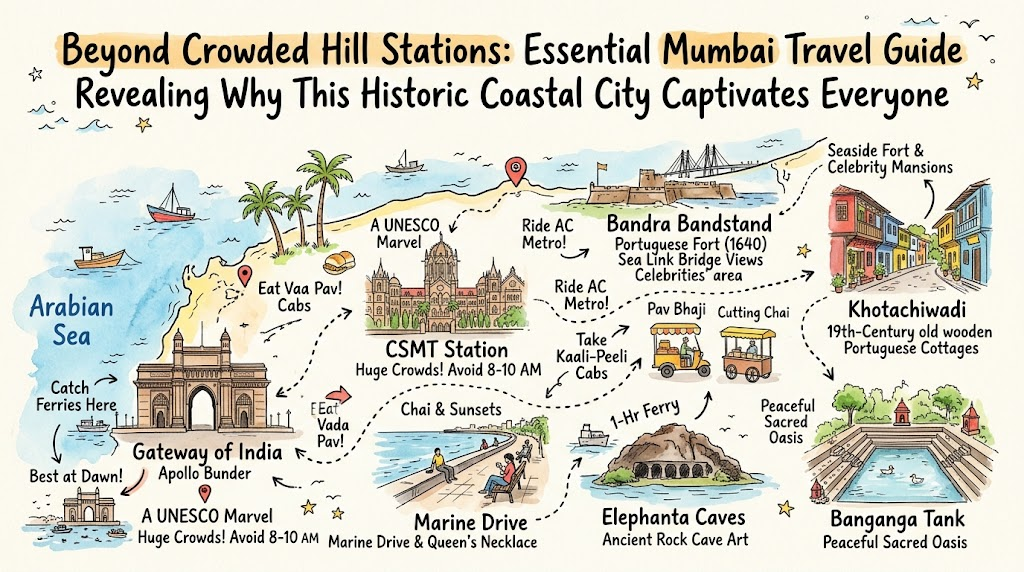
Introduction
Forget sterile resort enclaves and predictable vacation hubs. Mumbai does not coddle visitors behind double-glazed glass; it throws open its doors and pulls you directly into an intoxicating rush of sea salt, roasted spices, roaring commuter engines, and timeless heritage. Born from seven separate islands stitched together across centuries, this city pulses with raw resilience, unmatched ambition, and profound warmth.
Every street corner bridges centuries of living history. You will find monumental Victorian Gothic stone towers standing effortlessly beside hand-painted Irani cafes, while centuries-old fishing villages continue their morning hauls within earshot of glass skyscrapers. Navigating Mumbai is about surrendering to its infectious tempo and uncovering an authentic soul that stays with you long after the journey ends.
Why Mumbai is a must-visit city
Mumbai holds unmatched cultural, financial, and historical weight on the Indian subcontinent. Once an archipelago stewarded by indigenous Koli fisherfolk, it evolved through Portuguese trade treaties and British colonial engineering into the gateway of modern India. Today, it stands as the engine room of national cinema, international commerce, and avant-garde creative arts.
The city accommodates every travel style with remarkable infrastructure. Chhatrapati Shivaji Maharaj International Airport connects Mumbai directly to global capitals, while high-speed expressways, suburban railway lines, and newly built metro corridors make crossing districts seamless. Whether you are a solo backpacker navigating historic alleys on local trains or a luxury traveler seeking legendary seafront hotels, the city caters effortlessly to all journeys.
Understanding Mumbai begins with dividing its travel circuit into three distinct territorial zones:
- South Mumbai (SoBo): The historic colonial epicenter brimming with UNESCO monuments, heritage cafes, high-ceilinged galleries, and wide waterfront promenades.
- Central Mumbai: The evolving heartland where historic textile mills have morphed into chic dining complexes and thriving craft cultural spaces.
- Suburban Coastline & North (Bandra to Juhu): The bohemian, celebrity-lined coastal belt known for creative street art, trendy cafes, vibrant nightlife, and sandy sunset promenades.
| Key Travel Metric | Crucial Local Detail | Practical Insight |
|---|---|---|
| State & Coordinates | Maharashtra, West Coast of India (18.92° N, 72.83° E) | Arabian Sea coastal port city |
| Primary Hubs | CSMT / Mumbai Central (Rail) & BOM Airport | Rail stations connect directly to South Mumbai |
| Ideal Season | November through February | Pleasant weather with mild sea breezes |
| Average Temperature | 22°C to 32°C (Winter); 28°C to 36°C (Summer) | High humidity year-round near coastline |
| Primary Languages | Marathi, Hindi, English, Gujarati | English is widely understood in transit and dining |
| Currency & Connectivity | Indian Rupee (INR); 4G/5G mobile coverage | UPI digital payments accepted everywhere |
Best Places or Experiences
Gateway of India
Rising proudly on the edge of Mumbai Harbour, the Gateway of India stands as an architectural triumph and a pivotal symbol of modern Indian history. Completed in 1924 to commemorate the landing of King George V, its basalt facade fuses Indo-Saracenic grandeur with intricate Gujarati stone filigree. It was beneath this cavernous central arch that the last British troops departed in 1948, turning an imperial portal into a lasting monument of national independence.
Today, the surrounding plaza hums with energy as gentle sea breezes blow across the bay. Flocks of pigeons take flight past wooden ferries bobbing in the tide, while traditional vendors, local photographers, and curious travelers from across the globe mingle before the open sea. Looking out over the water while gazing back at the historic arches provides an immediate, unforgettable sense of arrival.
- Location: Apollo Bunder, Colaba, South Mumbai (approx. 2.5 km from CSMT Station).
- Why it is worth visiting: It is the city’s defining historic icon and the embarkation point for historic harbour ferries.
- Best things to do: Stand beside the harbour wall at dawn to capture silhouette photography; board an early boat ride across the bay; examine the ornate Islamic jali screen stone carvings along the central dome.
- Best time to visit: Sunrise between 6:00 AM and 7:30 AM for soft sea lighting and calm walkways.
- Ideal for whom: History buffs, landscape photographers, couples, and first-time city travelers.
- Travel tip: Skip midday visits to avoid intense open-sky heat and aggressive touts offering instant souvenir portraits.
Chhatrapati Shivaji Maharaj Terminus (CSMT)
Historic CSMT railway station facade.
Few functional transit hubs anywhere on earth match the majesty of this UNESCO World Heritage Site. Designed by British architect F.W. Stevens and opened in 1887, CSMT merges Victorian High Gothic revival with traditional Indian palace features. Its commanding central dome, stone spires, stained glass windows, and snarling stone gargoyles make it feel far more like a European cathedral than a bustling train station.
Beyond the majestic facade lies the pulsating heart of the city. Over three million daily commuters surge through its ticketing halls and railway platforms every single day with astonishing efficiency. Standing beneath its towering stone arches while watching the synchronized ebb and flow of daily life offers a deep, unfiltered window into Mumbai’s relentless drive.
- Location: Fort District, South Mumbai (direct terminus hub).
- Why it is worth visiting: It represents one of the world’s most intricate fusion architectures while functioning as the lifeblood of regional travel.
- Best things to do: Admire the vaulted wooden ceiling and ornate iron gates inside the heritage booking wing; walk across the exterior viewing gallery at night; photograph the lion and tiger stone carvings guarding the gates.
- Best time to visit: Late evening between 7:00 PM and 9:00 PM when vibrant multi-colored lights illuminate the facade.
- Ideal for whom: Architecture enthusiasts, urban storytellers, and railway history fans.
- Travel tip: Do not attempt leisurely exploration between 8:30 AM and 10:30 AM or 5:30 PM and 8:00 PM on weekdays, as massive commuter crowds will overwhelm you.
Marine Drive & The Queen’s Necklace
Marine Drive Queen’s Necklace curve.
Sweeping in an elegant 3.6-kilometer arc from Nariman Point to Girgaon Chowpatty, Marine Drive is the communal living room of Mumbai. Built on land reclaimed from the sea during the late 19th and early 20th centuries, this scenic promenade faces the open expanse of the Arabian Sea. The roadway is flanked on one side by the second-largest concentration of Art Deco residential buildings in the world, creating a gorgeous vintage streetscape.
As dusk settles, street lamps flicker to life along the sweeping curve, creating the glowing jewel effect popularly known as the Queen’s Necklace. Here, billionaires, students, artists, and street vendors sit side-by-side atop massive concrete tetrapods. The rhythmic crash of ocean waves mixed with the cheerful calls of wandering chaiwalas and roasted corn vendors captures the true egalitarian spirit of the city.
- Location: Netaji Subhash Chandra Bose Road, South Mumbai (1.5 km west of Churchgate Station).
- Why it is worth visiting: It is the city’s premier open-air gathering space, pairing vintage Art Deco architecture with sweeping sunset panoramas.
- Best things to do: Sit peacefully on the seawall tetrapods during twilight; sip spiced cutting chai from a traveling thermos vendor; take an architectural walking tour of the pastel-hued Art Deco facades along the promenade.
- Best time to visit: Evening between 5:30 PM and 8:00 PM for cool sea breezes and golden sunset horizons.
- Ideal for whom: Couples, solo thinkers, photographers, and evening walkers.
- Travel tip: Carry a lightweight towel or newspaper to sit on, and never attempt to walk past the safety barrier onto the slick tidal tetrapods.
Elephanta Caves
Elephanta Caves rock-cut temple pillars.
Carved directly into solid basalt rock on a forested island in Mumbai Harbour, the UNESCO-listed Elephanta Caves transport travelers centuries into the past. Dating back between the 5th and 8th centuries CE, these cavernous underground temples honor Lord Shiva through soaring monumental sculptures. The artistic pinnacle of the complex is the breathtaking Sadashiva (Trimurti)—a 20-foot-tall, three-headed sculpture capturing the creator, preserver, and destroyer aspects of the divine.
Reaching the sanctuary is an adventure in itself, starting with a scenic one-hour ferry journey past cargo freighters and historical coastal forts. Arriving at the island dock, travelers can ride a charming miniature toy train before climbing the stone hill path lined with handicraft stalls. Stepping out of the bright tropical sun into the cool, silent shadows of the rock-cut hall inspires immediate awe.
- Location: Gharapuri Island, Mumbai Harbour (approx. 11 km east of Gateway of India via water).
- Why it is worth visiting: It features some of ancient India’s most monumental rock-cut cave art and offers a peaceful island escape from urban bustle.
- Best things to do: Marvel at the intricate shadows dancing across the three-headed Trimurti sculpture; explore Cave 2 through Cave 5 tucked away along the forested trail; climb Canon Hill for panoramic harbour vistas.
- Best time to visit: Weekday mornings; board the very first ferry departing at 9:00 AM from Gateway of India.
- Ideal for whom: Archaeology buffs, spiritual seekers, and photographers.
- Travel tip: Elephanta Island is closed to all tourists every Monday; keep all food and sweet drinks zipped securely inside bags to avoid opportunistic macaque monkeys along the stairs.
Bandra Bandstand & The Portuguese Fort
Perched on the western edge of Mumbai’s trendiest suburban enclave, Bandra Bandstand offers a striking blend of historic coastal ruins and modern celebrity glamour. The rocky headland is crowned by Castella de Aguada (commonly called the Bandra Fort), constructed by Portuguese settlers in 1640 as a defensive watchtower guarding Mahim Bay. Today, its weathered ramparts frame sweeping vistas of the monumental Bandra-Worli Sea Link suspension bridge stretching across the open sea.
Just behind the seaside promenade run the breezy lanes of Bandra West, famous for opulent celebrity mansions, historic Catholic village cottages, and vibrant street murals. Walking along the rocky coast, you will spot amateur musicians strumming guitars, young locals gathered by the rocks, and excited cinema fans snapping photos outside film star residences. It showcases the bohemian, creative edge of suburban seaside life.
- Location: Lands End, Bandstand Promenade, Bandra West (approx. 20 km north of Churchgate).
- Why it is worth visiting: It delivers the best skyline perspective of the Bandra-Worli Sea Link against centuries-old Portuguese stone ramparts.
- Best things to do: Climb the stone steps of the Portuguese fort for panoramic sunset photos of the sea bridge; stroll down the Bandstand Promenade to see Bollywood star mansions; explore nearby Chapel Road to admire vibrant street art and indie bakeries.
- Best time to visit: Late afternoon around 4:30 PM to catch good lighting for photos before sunset.
- Ideal for whom: Pop culture lovers, photography enthusiasts, youth travelers, and sunset chasers.
- Travel tip: Sea spray makes the coastal stones extremely slick; wear flat, high-grip walking shoes and avoid climbing the lower reefs during incoming high tide.
Offbeat Exploration: Hidden Gems Tourists Miss
Khotachiwadi Heritage Hamlet
Tucked quietly within the bustling heart of Girgaon lies Khotachiwadi, a protected 19th-century village that feels frozen in time. As high-rise luxury towers rise all around it, this quiet neighborhood preserves narrow, winding alleys lined with two-story Portuguese-style wooden cottages. Stroll past pastel-colored verandas, ornamental timber eaves, and quaint private courtyards to discover artisan fashion studios and peaceful old-world bakeries.
Sassoon Dock Fish Auctions
Built in 1875 as the first commercial wet dock in Western India, Sassoon Dock offers an unforgettable sensory dive into Mumbai’s maritime roots. Arrive between 5:00 AM and 6:30 AM to witness hundreds of colorful wooden trawlers unload glistening catches of pomfret, king prawns, and Bombay duck. The dock comes alive with fearless Koli fisherwomen negotiating prices in rapid-fire Marathi amidst vibrant chaos, fresh ice mist, and soaring sea gulls.
Banganga Tank at Walkeshwar
Hidden away at the tip of affluent Malabar Hill, Banganga Tank is an ancient freshwater pool ringed by stone steps and sacred Hindu shrines. Legend holds that Lord Rama created this freshwater spring by shooting an arrow into the earth during his search for Sita. Feeding ducks, temple bells echoing off ancient stone pillars, and floating marigolds create a deeply meditative sanctuary far removed from the surrounding city rush.
Detailed Practical Guidance for Travelers
| Destination | Standard Entry Fee | General Timings | Best Local Food Options Nearby | Recommended Nearby Attractions |
|---|---|---|---|---|
| Gateway of India | Free Entry | Open 24 Hours Daily | Bademiya (Kebabs), Cafe Mondegar (Breakfast & Beer) | Taj Mahal Palace Hotel, Colaba Causeway Market |
| CSMT Station | Free (Platforms ₹10; Museum ₹200) | Open 24 Hours (Heritage tours 2:00 PM – 5:00 PM) | Cannon Pav Bhaji, Pancham Puriwala (Authentic Thalis) | Crawford Market, Flora Fountain, Bombay High Court |
| Marine Drive | Free Entry | Open 24 Hours Daily | K. Rustom Ice Cream, Bachelorr’s (Cream Shakes) | Girgaon Chowpatty, Wankhede Stadium, Art Deco District |
| Elephanta Caves | ₹40 (Indian); ₹600 (Foreign); ₹260 Ferry | 9:30 AM – 5:30 PM (Closed Mondays) | MTDC Restaurant on-site, Village Lemon Soda Stalls | Canon Hill, Gharapuri Village craft markets |
| Bandra Fort & Bandstand | Free Entry | 6:00 AM – 6:30 PM Daily | Subko Coffee Roasters, Lucky Restaurant (Biryani) | Mount Mary Basilica, Ranwar Village, Carter Road |
| Khotachiwadi Hamlet | Free Entry | Daylight hours recommended | Ideal Corner (Parsi Fare nearby), Local home bakeries | Girgaon Chowpatty, Mani Bhavan Gandhi Sangrahalaya |
| Banganga Tank | Free Entry | 6:00 AM – 8:00 PM Daily | Soam (Gujarati Satvik & Farsan), Coastal snack carts | Hanging Gardens, Malabar Hill, Jain Temple Walk |
Logistics & On-Ground Navigation
Local Transport Options
- Suburban Local Trains: The fastest way to cover long north-south distances, bypassing heavy road gridlock. Use the Western and Central lines, and always purchase a First Class ticket or travel outside morning and evening rush hours.
- Mumbai Metro: Clean, air-conditioned, and continuously expanding. Lines 1, 2A, and 7 provide swift, comfortable hops across the western and eastern suburbs without traffic delays.
- Black-and-Yellow Cabs (Kaali Peeli): Found everywhere across South Mumbai. They run strictly on functional electronic digital meters—ensure the driver activates the meter the moment you get in.
- Auto-Rickshaws: Operating exclusively north of Bandra and across the suburban belts. Highly agile, budget-friendly, and metered; ideal for short local runs.
- Ride-Hailing Apps (Uber / Ola): Readily available around the clock. Best for late-night journeys or point-to-point airport transfers with heavy luggage.
Budget Planning
- Budget / Backpacking Tier:₹1,800 to ₹3,200 ($22 to $38 USD) per day.
- Stay: Social youth hostel bunk in Colaba or Bandra (₹800 – ₹1,400).
- Food: Irani cafe breakfasts, street chaat, and local thali eateries (₹500 – ₹800).
- Transit: Suburban train passes and metered city buses (₹150 – ₹250).
- Sightseeing: Public heritage walking paths and free parks (₹350 – ₹750).
- Mid-Range / Comfort Tier:₹6,500 to ₹14,000 ($78 to $168 USD) per day.
- Stay: Modern boutique heritage hotel in Fort or trendy stay in Bandra (₹4,500 – ₹9,000).
- Food: Sit-down coastal seafood restaurants and specialty artisan cafes (₹1,500 – ₹3,000).
- Transit: Air-conditioned ride-hailing cabs and airport cabs (₹800 – ₹1,500).
- Sightseeing: Guided walking tours and cave entry passes (₹1,000 – ₹2,000).
Safety and Inclusivity Tips
- For Families: Avoid bringing strollers; uneven footpaths and high curbs make them difficult to maneuver. Use comfortable baby carriers, stick to air-conditioned app taxis between sights, and carry bottled mineral water.
- For Couples: Public displays of affection beyond holding hands may draw unwanted stares in conservative quarters. Coastal promenades like Marine Drive and Bandra Carter Road are universally welcoming, relaxed, and safe spaces for couples.
- General Safety Precautions: Violent street crime is exceptionally rare compared to other global mega-cities. However, keep phones, wallets, and bags secured in crowded markets like Crawford Market and inside busy train compartments.
Strategic Travel Planning Guardrails
Travel Planning Tips for Mumbai
- Time Visits for Winter: Schedule your trip between November and February to enjoy warm sunny days and cool, breezy evenings without exhausting humidity.
- Embrace Digital UPI Payments: Download tourist digital wallet applications or carry small currency notes (₹10, ₹20, ₹100), as many street food vendors do not take international credit cards.
- Book Sea Crossings Early: When planning trips to Elephanta Caves, buy ferry tickets before 9:30 AM to beat midday tour bus crowds and choppy afternoon seas.
- Dress for Cultural Respect: Light, breathable linen or cotton clothing works best. When visiting sacred places like temples, mosques, or churches, keep shoulders and knees covered, and wear slip-on footwear for easy removal.
- Stay Near a Railway Line: Select accommodation in South Mumbai (Colaba, Fort) or western suburbs (Bandra, Khar) close to key stations to avoid losing hours to cross-town traffic.
Common Mistakes to Avoid
- Trying to Cover North and South in One Day: Crossing between South Mumbai and northern suburbs during rush hour can swallow three hours in gridlock. Cluster your sights by geographic zone.
- Riding Commuter Trains at Peak Hours: Never board local trains heading south toward CSMT or Churchgate between 8:30 AM and 10:30 AM, or heading north between 5:30 PM and 8:00 PM.
- Drinking Unfiltered Tap Water: Always drink reverse-osmosis purified water from established restaurants or carry sealed mineral water bottles from reputable brands.
- Skipping Iconic Street Stalls: Sticking exclusively to hotel dining means missing out on legendary dishes like butter-drenched Pav Bhaji and crisp Sev Puri, which define Mumbai’s culinary soul.
- Forgetting Small Change for Taxis: Drivers often struggle to break large ₹500 notes for short fares; always keep a pocket of ₹10, ₹20, and ₹50 notes handy.
Suggested Itinerary Blueprints
1. Day Quick Dash (The South Bombay Heritage Loop)
- Target Audience: Business travelers, layover visitors, or time-pressed explorers.
- Morning: Start at 7:00 AM at the Gateway of India before the plaza fills with crowds. Stroll past the regal facade of the Taj Mahal Palace Hotel and walk up through the leafy heritage lanes of Fort to inspect Flora Fountain and Bombay High Court.
- Midday: Admire the soaring Gothic architecture of CSMT Station. Savor an authentic thali lunch at Pancham Puriwala, then tour the antiquities collection inside the Chhatrapati Shivaji Maharaj Vastu Sangrahalaya (Prince of Wales Museum).
- Evening: Settle into a promenade seat along Marine Drive just before sunset. Watch the Queen’s Necklace light up the bay while enjoying pistachio kulfi from K. Rustom.
2. Day Deep-Dive (Colonial Splendor to Suburban Bohemian)
- Day 1 (South Mumbai Heritage & Sea): Follow the full South Bombay heritage loop. Add a morning ferry excursion to Elephanta Caves, spend the late afternoon browsing fashion stalls at Colaba Causeway, and end with dinner at a coastal seafood institution like Trishna or Mahesh Lunch Home.
- Day 2 (Creative Suburbs & Coastal Life): Head north to Bandra West. Spend the morning discovering colorful street art along Chapel Road and exploring historic Ranwar Village. Enjoy specialty coffee and fresh pastries at Subko, visit the sacred Mount Mary Basilica, and relax at Bandra Fort for sunset views of the Sea Link bridge. Conclude with dinner in Bandra’s buzzing Pali Hill district.
3. Complete Weekend Travel Plan (The Ultimate Mumbai Canvas)
- Friday Evening: Check into your hotel in Colaba or Fort. Take a breezy night stroll down Marine Drive, followed by late-night coastal snacks and signature berry pulao at a vintage Irani cafe.
- Saturday (History, Art & Sea Breezes): Catch the 9:00 AM ferry to explore the majestic rock sculptures of Elephanta Caves. Return by 1:30 PM for lunch near Kala Ghoda, then spend the afternoon browsing contemporary Indian art at Jehangir Art Gallery and stepping into the historic David Sassoon Library. Finish with an early dinner and craft cocktails in the revitalized textile mill district of Lower Parel.
- Sunday (Hidden Heritage & Coastal Culture): Rise at dawn to see the bustling fish auctions at Sassoon Dock. Visit the tranquil waters of Banganga Tank on Malabar Hill, then wind through the quaint heritage lanes of Khotachiwadi. Cross the engineering marvel of the Bandra-Worli Sea Link to spend the late afternoon enjoying ocean breezes and street-side chaat at Juhu Beach or Bandra Bandstand.
Common Tourist Mistakes to Avoid
- Geographic Blunders: Don’t schedule a morning visit to the Gateway of India in South Mumbai, an afternoon trip to suburban Juhu Beach, and an evening dinner back downtown. Long-distance road travel through peak congestion will drain your time and energy. Group your itinerary strictly by zone.
- Commercial Traps: Skip spending precious holiday hours in gleaming, air-conditioned mega-malls. While modern and convenient, they offer the same global retail brands found anywhere. Instead, explore traditional shopping streetscapes like Mangaldas Cloth Market, Crawford Market, or Chor Bazaar for authentic local goods and lively atmosphere.
- Neglecting Modern Alternative Zones: Many first-time visitors spend their entire stay admiring colonial architecture in South Mumbai. Doing so misses out on dynamic modern creative hubs like Bandra, Khar, and Lower Parel, where old warehouses host indie art spaces, microbreweries, and third-wave coffee houses.
- Transport Overpayment: Refuse flat-rate, unmetered quotes from drivers outside major transit terminals and hotels. Politely insist that taxi and auto-rickshaw drivers use the electronic meter, or simply book through ride-hailing apps like Uber to secure transparent, upfront pricing.
- Luxury Dining Bias: Staying exclusively within high-end hotel restaurants cuts you off from the city’s finest flavors. Savoring freshly crushed sugarcane juice, piping-hot Vada Pav from a bustling street cart, or coastal crab at a modest family-run eatery is where you truly discover Mumbai’s rich culinary spirit.
Frequently Asked Questions
1. What is the single best time of year to visit Mumbai?
The most pleasant window to visit is between November and February during the mild winter months. Daytime temperatures remain comfortable around 28°C with lower humidity and refreshing evening sea breezes. This makes walking through historic neighborhoods comfortable, unlike the sweltering heat of April and May or the intense monsoon downpours of July.
2. How many days are ideal to explore Mumbai properly?
A stay of three full days allows you to explore the city at a comfortable pace. Dedicate two days to the heritage landmarks, museums, and seaside promenades of South Mumbai, and one full day to explore the street art, historic villages, and lively dining scene of Bandra and the western suburbs.
3. Is Mumbai safe for solo female travelers?
Mumbai is widely regarded as one of the safest metropolitan cities in India for solo women. Public transport operates late into the night, and suburban trains offer dedicated, well-lit women-only carriages. Standard travel awareness applies: avoid empty, poorly lit alleys at night, use metered transport or ride-hailing apps, and keep emergency contacts handy.
4. How should tourists get around without getting stuck in traffic?
Use a thoughtful mix of local transit: ride suburban trains outside morning and evening rush hours for long north-south journeys, and take the modern Metro lines across the suburbs. For short hops around South Mumbai, hail metered black-and-yellow cabs, and use auto-rickshaws when exploring north of Bandra.
5. How much does a round-trip ferry to Elephanta Caves cost?
Standard two-way economy ferry tickets from the Gateway of India to Elephanta Island cost approximately ₹260 per person. You can pay an optional ₹10 fee on board to access the upper viewing deck, which offers better open-air views and breeze across the harbor.
6. What are the signature local foods that every traveler must try?
You should make time to taste authentic Vada Pav (spiced potato fritter in a soft bun), crisp Sev Puri and Bhel Puri along the beaches, Mumbai-style butter Pav Bhaji, fresh coastal Malvani seafood curries, and rich Iranian bun maska dipped in sweet cutting chai.
7. Can foreign credit and debit cards be used across the city?
Major credit cards are universally accepted at hotels, modern supermarkets, upscale restaurants, and boutique shops. However, street-side food stalls, auto-rickshaw drivers, and heritage markets operate primarily on cash or local Indian UPI digital payments, so keep small currency notes with you.
8. What should travelers wear when touring heritage and religious sites?
Light, breathable cotton or linen clothing works best for the city’s warm coastal climate. When stepping into active temples, mosques, or churches, dress modestly by covering your shoulders and knees, and wear easy slip-on shoes since footwear must be removed before entering holy shrines.
9. Is drinking tap water safe in Mumbai hotels and restaurants?
Direct tap water is not recommended for drinking. Reputable hotels and established restaurants provide filtered, reverse-osmosis (RO) purified water that is completely safe. When out exploring during the day, carry your own filtered bottle or purchase sealed, branded mineral water.
10. What is the best way to travel from the airport to South Mumbai?
The most convenient option is booking an air-conditioned cab through the official prepaid taxi counter inside the arrivals terminal or via ride-hailing apps like Uber. During daylight hours, the route across the coastal sea bridges takes roughly 45 to 75 minutes depending on traffic.
11. Do tourists need advance permits to visit landmarks in Mumbai?
Standard tourist destinations like the Gateway of India, Marine Drive, CSMT Station, and Elephanta Caves require no special travel permits. You only need to purchase standard entry tickets at ticket booths on-site or book digital passes in advance for select museums and cave reserves.
12. What unique souvenirs should I buy before leaving the city?
Great authentic keepsakes include hand-block-printed cotton fabrics from local craft bazaars, traditional leather Kolhapuri sandals from Colaba Causeway, fragrant whole spices from Lalbaug Market, and boxes of fresh mango barfi or handmade mawa cakes from historic Parsi bakeries.
Conclusion
Visiting Mumbai is far more than ticking famous sights off a travel checklist; it is an immersive encounter with an unstoppable human spirit. The city strips away pretension, inviting you to slow down on stone seawalls, listen to the evening tide roll across ancient rocks, and share warm cups of cutting chai with complete strangers. In Mumbai’s vibrant dance between historic elegance and relentless tomorrow, you discover not just a captivating travel destination, but a city that leaves an indelible mark on how you see the world.
