MOTOSHARE 🚗🏍️
Rent Bikes & Cars Directly from Owners
Motoshare connects vehicle owners with people who need bikes and cars on rent. Owners earn from idle vehicles, and renters get flexible ride options.
Visit Motoshare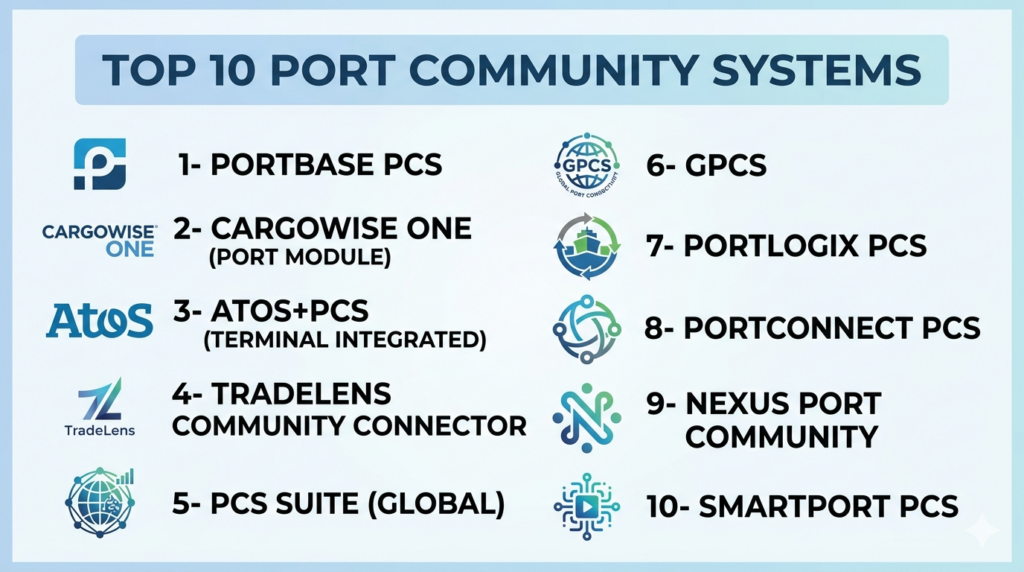
Introduction
Port Community Systems (PCS) are digital platforms that facilitate information exchange, transaction processing, and workflow coordination among participants in a port ecosystem — including terminal operators, shipping lines, freight forwarders, customs authorities, transport companies, and logistics providers. These systems help streamline operations, reduce paperwork, centralize data flows, and improve visibility across supply chains. PCS bridges disparate systems, accelerates clearance processes, and enables stakeholders to exchange standardized documents and status updates in real time.
With growing maritime trade volume and increasing regulatory compliance requirements, ports must adopt systems that reduce bottlenecks, improve operational efficiency, shorten dwell times for vessels and cargo, and enhance collaboration among stakeholders. PCS often integrates with customs and border control systems, terminal operating systems, container tracking platforms, and transport networks.
Real‑world use cases include managing vessel arrival notifications, automating customs declarations, coordinating gate and berth assignments, tracking cargo movement and releases, exchanging standardized documents like bills of lading and manifests, generating operational dashboards, and enabling analytics for dwell time and throughput. Buyers should evaluate data standardization and integration capabilities, ecosystem connectivity, real‑time tracking, security and compliance support, workflow automation, analytics and reporting, scalability, mobile and cloud accessibility, user permissions, and onboarding support.
Best for: Port authorities, terminal operators, freight forwarders, customs and border agencies, shipping lines, logistics service providers, and supply chain partners involved in import/export operations.
Not ideal for: Small private facilities with limited throughput and minimal cross‑stakeholder coordination needs.
Key Trends in Port Community Systems
- Real‑time data exchange and digital documentation across stakeholders
- API‑driven integration with customs, terminals, carriers, and transport modes
- AI‑assisted alerts and anomaly detection for delays or non‑compliance
- Cloud‑based deployment for scalability and remote access
- Blockchain pilots for secure document exchange and provenance tracking
- Mobile access for on‑the‑move operations and approvals
- Automated clearance and compliance workflows
- Analytics dashboards for dwell time, throughput, and KPIs
- Collaborative decision support across port stakeholders
- Standardized messaging formats (EDIFACT, XML/JSON APIs)
How We Selected These Tools (Methodology)
- Evaluated adoption and reputation with port authorities and supply chain partners
- Assessed core PCS features: data exchange, process automation, and standards support
- Reviewed multi‑stakeholder connectivity (customs, terminals, carriers)
- Considered real‑time visibility and event tracking
- Evaluated analytics and reporting capabilities
- Assessed mobile and cloud deployment options
- Reviewed compliance and document‑exchange workflows
- Prioritized integration via APIs and standards (EDIFACT, XML)
- Considered usability and customization flexibility
- Evaluated vendor support, onboarding, and documentation
Top 10 Port Community Systems
#1 — Portbase PCS
Short description: Portbase PCS is a widely adopted community system that connects carriers, shippers, terminals, and customs in a major maritime hub. It centralizes data exchange, automates declarations, and provides visibility for import/export workflows.
Key Features
- Standardized document exchange
- Real‑time cargo and vessel status updates
- Customs declaration automation
- Gate and terminal appointment coordination
- Alerts and notification engine
- Analytics dashboards
Pros
- Strong multi‑stakeholder connectivity
- Real‑time operational visibility
Cons
- May require onboarding and training
- Feature depth tailored to specific ports
Platforms / Deployment
- Web
- Cloud
Security & Compliance
- Role‑based access
- Audit logs, secure data exchange
Integrations & Ecosystem
- Customs systems
- Terminal data feeds
- Shipping line data
- Appointment scheduling
Support & Community
Documentation, onboarding support, stakeholder helpdesk
#2 — CargoWise One (Port Community Module)
Short description: CargoWise provides a broad logistics and supply chain suite with port community connectors enabling standardized information exchange, document handling, and cargo tracking across international gateways.
Key Features
- Multi‑mode cargo tracking
- Document standardization
- Port entry and exit notifications
- Customs workflow support
- Analytics and reporting
Pros
- Integrated with wider logistics workflows
- Strong enterprise connectivity
Cons
- Port PCS is part of a larger suite
- Requires configuration and training
Platforms / Deployment
- Web
- Cloud
Security & Compliance
- Secure access controls
- Compliance tools
Integrations & Ecosystem
- Freight forwarding modules
- Customs systems
- Transport networks
Support & Community
Global support and documentation
#3 — TOS+PCS (Terminal Integrated)
Short description: Some terminal operating systems (TOS) bundle PCS capabilities enabling seamless handoff between terminal processes and community data exchange to stakeholders.
Key Features
- Cargo status and equipment updates
- Interfacing with community messages
- Gate appointment sync
- Real‑time event logging
- Standard message formats
Pros
- Tight integration with terminal operations
- Fewer handoffs
Cons
- PCS features tied to specific terminal solution
- Limited standalone flexibility
Platforms / Deployment
- Web / Terminal UIs
- Cloud / Hybrid
Security & Compliance
- Role‑based controls
- Secure messaging
Integrations & Ecosystem
- Terminal operating modules
- Community data feeds
Support & Community
Vendor support and documentation
#4 — TradeLens Community Connector
Short description: TradeLens offers blockchain‑enabled data sharing for port and supply chain stakeholders, facilitating secure document exchange, event tracking, and visibility across carriers, terminals, and customs.
Key Features
- Shared event ledger
- Immutable document exchange
- Real‑time status visibility
- Port call and shipment tracking
- Alerts and exceptions
Pros
- Secure, shared data layer
- Transparent event history
Cons
- Relies on ecosystem participation
- Adoption varies by region
Platforms / Deployment
- Web (portal)
- Cloud
Security & Compliance
- Permissioned blockchain controls
- Secure audit trails
Integrations & Ecosystem
- Carriers
- Terminals
- Customs and authorities
Support & Community
Documentation and ecosystem onboarding
#5 — PCS Suite (Global PCS Platform)
Short description: A generic PCS platform designed for global ports that centralizes messaging, document workflows, event tracking, and stakeholder collaboration across maritime gateways.
Key Features
- Standardized messaging formats
- Document workflows
- Notifications and alerts
- Event dashboards
- API integration toolkit
Pros
- Flexible deployment
- Standardization focus
Cons
- Generic platform requires local adaptations
- Configuration needs
Platforms / Deployment
- Web
- Cloud
Security & Compliance
- Access controls
- Audit trails
Integrations & Ecosystem
- Customs systems
- Carrier and terminal APIs
- Transport networks
Support & Community
Vendor support and implementation guides
#6 — Global Port Community System (GPCS)
Short description: GPCS is a community system emphasizing cross‑border interoperability, data harmonization, and multi‑modal transport connections for ports and hinterland networks.
Key Features
- Cross‑border data exchange
- Customs and border messaging
- Multi‑modal stakeholder workflows
- Visibility dashboards
- Alerts and exceptions
Pros
- Strong hinterland and customs support
- Multi‑modal focus
Cons
- Wider scope may require customization
- Regional differences
Platforms / Deployment
- Web
- Cloud
Security & Compliance
- Secure access, audit logs
Integrations & Ecosystem
- Customs, carriers, terminals
- Transport partners
Support & Community
Documentation and support teams
#7 — PortLogix PCS
Short description: PortLogix PCS provides community messaging, vessel and cargo status, document exchange, compliance workflows, and stakeholder notifications for ports and logistics partners.
Key Features
- Real‑time event notifications
- Standard message handling
- Compliance workflows
- Open APIs
- Document repositories
Pros
- API‑centric connectivity
- Good for multi‑stakeholder use
Cons
- Requires integration work
- Not as large an ecosystem
Platforms / Deployment
- Web
- Cloud
Security & Compliance
- Role‑based permissions
- Secured messaging
Integrations & Ecosystem
- Customs APIs
- Terminal data
- Transport and carrier systems
Support & Community
Documentation and help channels
#8 — PortConnect PCS
Short description: PortConnect offers modular port community messaging, document exchange, real‑time tracking, and workflow automation designed for mid‑size ports and terminals.
Key Features
- Cargo and vessel status feeds
- Document workflows
- Alerts and notifications
- Compliance data exchange
- Reporting dashboards
Pros
- Mid‑market focus
- Modular features
Cons
- May require customization
- Smaller ecosystem
Platforms / Deployment
- Web
- Cloud
Security & Compliance
- Access roles and logs
Integrations & Ecosystem
- Customs and carrier systems
- Terminal feeds
Support & Community
Documentation and support
#9 — Nexus Port Community
Short description: Nexus provides port‑centric messaging, vessel calls, cargo milestones, document automation, and stakeholder collaboration tools that support operational coordination and compliance workflows.
Key Features
- Messaging hub
- Event and milestone status
- Document automation
- Alerts and exceptions
- Collaborative dashboards
Pros
- Focused feature set
- Good for mid‑size networks
Cons
- Requires integration mapping
- Regional adaptations
Platforms / Deployment
- Web
- Cloud
Security & Compliance
- Role‑based access
Integrations & Ecosystem
- Customs and terminal APIs
- Carriers and transport data
Support & Community
Documentation and help resources
#10 — SmartPort PCS
Short description: SmartPort PCS supports community messaging, vessel and cargo events, document workflows, checkpoints, and analytics to enhance port collaboration and operational visibility.
Key Features
- Real‑time event tracking
- Document exchange
- Alerts and notifications
- Checkpoint updates
- Analytics dashboards
Pros
- Easy‑to‑use interface
- Operational visibility
Cons
- Limited advanced features
- Best for small or mid‑size ports
Platforms / Deployment
- Web
- Cloud
Security & Compliance
- Access controls
Integrations & Ecosystem
- Customs data feeds
- Terminal systems
- Carrier status
Support & Community
Documentation and support
Comparison Table (Top 10)
| Tool Name | Best For | Platform(s) Supported | Deployment | Standout Feature | Public Rating |
|---|---|---|---|---|---|
| Portbase PCS | Large port ecosystems | Web | Cloud | Multi‑stakeholder connectivity | N/A |
| CargoWise One (Port Module) | Logistics + port connectivity | Web | Cloud | Integrated supply chain workflows | N/A |
| TOS+PCS (Terminal Integrated) | Terminal + community workflows | Web / Terminal UI | Cloud/Hybrid | Tight terminal integration | N/A |
| TradeLens Community Connector | Distributed shipping ecosystem | Web | Cloud | Secure shared data layer | N/A |
| PCS Suite (Global) | Flexible PCS deployments | Web | Cloud | Standard messaging | N/A |
| GPCS | Multi‑modal and cross‑border | Web | Cloud | Cross‑border data exchange | N/A |
| PortLogix PCS | API‑centric integrations | Web | Cloud | API‑first connectivity | N/A |
| PortConnect PCS | Mid‑market ports | Web | Cloud | Modular port messaging | N/A |
| Nexus Port Community | Mid‑size port operations | Web | Cloud | Milestone tracking | N/A |
| SmartPort PCS | Small / mid‑size ports | Web | Cloud | Operational dashboards | N/A |
Evaluation & Scoring of Port Community Systems
| Tool Name | Core (25%) | Ease (15%) | Integrations (15%) | Security (10%) | Performance (10%) | Support (10%) | Value (15%) | Weighted Total |
|---|---|---|---|---|---|---|---|---|
| Portbase PCS | 9 | 7 | 9 | 8 | 9 | 8 | 7 | 8.3 |
| CargoWise One (Port Module) | 8 | 7 | 8 | 8 | 8 | 8 | 8 | 8.0 |
| TOS+PCS (Terminal Integrated) | 8 | 7 | 8 | 8 | 8 | 7 | 8 | 7.8 |
| TradeLens Community Connector | 8 | 8 | 8 | 9 | 8 | 8 | 8 | 8.1 |
| PCS Suite (Global) | 7 | 8 | 7 | 8 | 8 | 7 | 8 | 7.7 |
| GPCS | 8 | 7 | 8 | 8 | 8 | 7 | 8 | 7.9 |
| PortLogix PCS | 7 | 8 | 7 | 8 | 7 | 7 | 8 | 7.6 |
| PortConnect PCS | 7 | 8 | 7 | 8 | 7 | 7 | 7 | 7.4 |
| Nexus Port Community | 7 | 8 | 7 | 8 | 7 | 7 | 7 | 7.4 |
| SmartPort PCS | 6 | 9 | 7 | 8 | 7 | 7 | 7 | 7.3 |
Interpretation: Weighted totals reflect each platform’s relative strength across core PCS capabilities, ease of use, integration flexibility, security posture, operational performance, support, and overall value in port environments.
Which Port Community System Is Right for You?
Large & Complex Port Hubs
- Portbase PCS, TradeLens, and CargoWise One (Port Module) provide broad connectivity, real‑time visibility, and multi‑stakeholder integration.
Mid‑Market Ports & Regional Gateways
- GPCS, PortLogix PCS, and Nexus Port Community balance messaging, analytics, and flexibility.
Terminal‑Centric Operations
- TOS+PCS (Terminal Integrated) makes sense where tight terminal workflows and community exchange are required.
Multi‑Modal & Cross‑Border Logistics
- GPCS and CargoWise One offer strong hinterland and cross‑border connectivity.
Smaller Ports or Mid‑Size Community Hubs
- PortConnect PCS and SmartPort PCS focus on core messaging, notifications, and operational visibility without heavy complexity.
Standardization & API‑First Needs
- PortLogix PCS supports API‑centric integration with customs, carriers, and terminals.
Frequently Asked Questions (FAQs)
1. What is a Port Community System?
Port Community Systems are collaborative platforms that enable standardized message and document exchange among port stakeholders, improving operational efficiency and data visibility.
2. Do PCS tools integrate with customs?
Yes, leading systems interface with customs systems to automate declarations and reduce clearance delays.
3. Can PCS help reduce dwell time?
By providing real‑time event tracking and alerts, PCS tools help stakeholders coordinate faster and reduce cargo dwell time.
4. Are port community systems cloud‑based?
Most modern PCS tools offer cloud deployment for scalability, remote access, and ease of updates.
5. Can PCS integrate with terminal operating systems?
Yes, many PCS platforms connect with TOS to share gate, berth, and cargo events.
6. Do these systems support multi‑modal transport?
Some platforms include workflows for cross‑border and hinterland transport connections.
7. Are APIs available for custom integrations?
Leading PCS tools offer API toolkits and standardized message formats for integration with terminals, carriers, and customs.
8. Can smaller ports use PCS?
Yes, modular and cloud‑first solutions exist for smaller or mid‑size ports.
9. Do PCS tools provide analytics?
Yes, dashboards for operational KPIs like vessel calls, dwell time, and throughput are common.
10. Does PCS improve supply chain visibility?
By centralizing and standardizing data across stakeholders, PCS enhances visibility from vessel arrival to cargo release.
Conclusion
Port Community Systems play a pivotal role in modernizing and digitizing port operations by connecting terminals, shipping lines, customs, transport providers, and logistics partners through standardized data exchange and collaborative workflows. Large ports and complex hubs benefit from platforms like Portbase PCS, TradeLens Community Connector, and CargoWise One with strong integration, real‑time visibility, and cross‑stakeholder coordination. Mid‑market and regional ports gain value from GPCS, PortLogix PCS, and Nexus Port Community, which balance core functionality and flexibility. Smaller ports and mid‑size terminals can adopt modular solutions like PortConnect PCS and SmartPort PCS for cost‑effective visibility and messaging. When selecting a PCS, ports should pilot with real operational scenarios to validate integrations, document workflows, compliance automation, and analytics performance before full deployment.

Loved how you explained this—makes it so easy to understand.