MOTOSHARE 🚗🏍️
Rent Bikes & Cars Directly from Owners
Motoshare connects vehicle owners with people who need bikes and cars on rent. Owners earn from idle vehicles, and renters get flexible ride options.
Visit MotoshareMadhya Pradesh, often referred to as the “Heart of India,” is a land of diverse cultures, traditions, and art forms. Among its many vibrant cultural expressions, the Jawara Dance stands out as a captivating folk dance that beautifully encapsulates the spirit of the region. This traditional dance is not just a form of entertainment but a reflection of the agricultural lifestyle and the deep connection the people of Madhya Pradesh have with their land and its bounty.
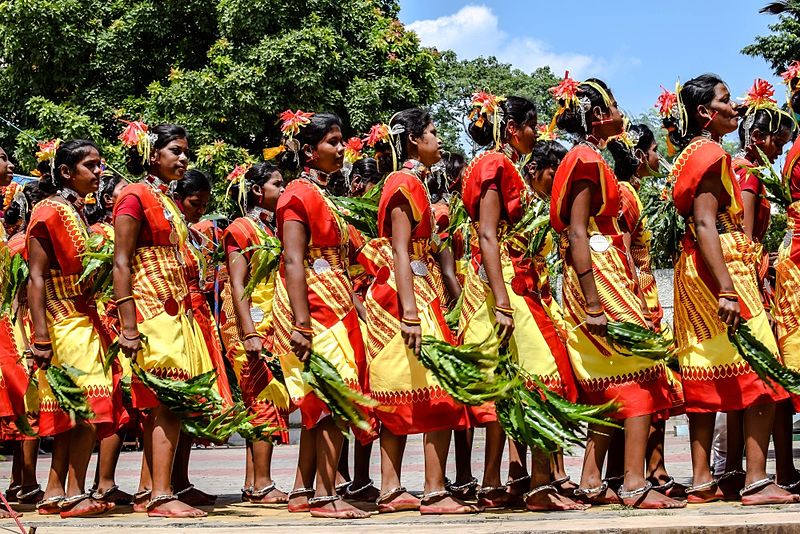
Summary of the key details about the Jawara Dance:
| Category | Details |
|---|---|
| Origin | Malwa region, Madhya Pradesh |
| Cultural Significance | Celebrates the harvest season, particularly the harvest of jowar (sorghum) |
| Performance Occasions | Primarily during Holi and other agricultural festivals; also at weddings and social gatherings |
| Attire | – Women: Vibrant sarees, traditional jewelry, balancing baskets of crops on their heads – Men: Dhotis, kurtas, colorful turbans |
| Music and Instruments | Accompanied by folk songs Instruments include Dholak (drum), Mandar (drum), Shahnai (wind instrument) |
| Dance Features | Energetic and rhythmic movements, performed in groups, often in circles or lines |
| Cultural Preservation | Promoted through state and national cultural festivals, significant in rural communities |
| Best Time to Experience | During Holi or local harvest festivals; cultural festivals showcasing traditional dances |
| Contemporary Relevance | Remains a symbol of cultural identity and community pride in rural Madhya Pradesh |
| Key Attractions | Represents rural life, agricultural roots, and community bonding |
| Experience | Immersive cultural experience reflecting the joy and resilience of the people |
Origins and Cultural Significance
The Jawara Dance originates from the rural heartlands of Madhya Pradesh, particularly in the Malwa region. It is a celebratory dance, deeply rooted in the agricultural practices of the local communities. The dance is performed to mark the end of the harvest season, a time when the fields have yielded their crops, and there is a sense of gratitude and joy among the farmers.
The name “Jawara” itself is derived from the word “Jawara” or “Jowar,” which means sorghum, a staple crop in the region. The dance is a way for the farmers to celebrate the successful harvest of jowar and other crops, expressing their happiness and thankfulness to the gods for a bountiful season.
Performance and Attire
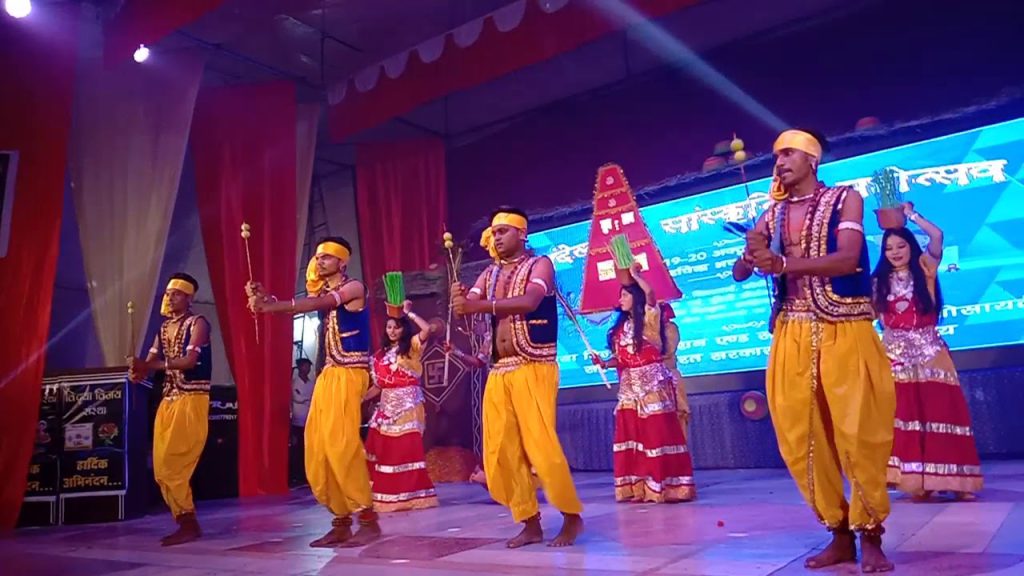
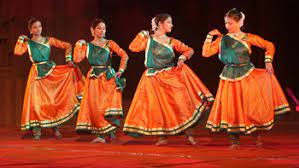
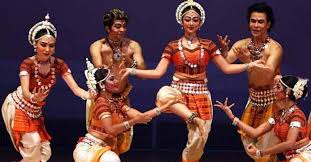
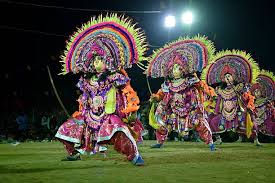
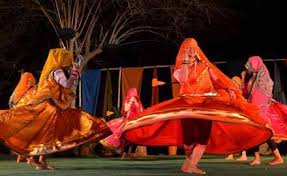
The Jawara Dance is known for its lively and rhythmic movements, which are both graceful and energetic. It is typically performed by both men and women, often in large groups, which adds to the festive atmosphere. The dancers form circles or lines and move in sync with the beats of traditional musical instruments, creating a mesmerizing spectacle.
One of the most striking aspects of the Jawara Dance is the attire worn by the performers. The women typically dress in vibrant, colorful sarees with intricate traditional jewelry that reflects the local craftsmanship. The men, on the other hand, wear dhotis, kurtas, and colorful turbans, which add to the visual appeal of the dance.
A unique feature of the dance is that the women dancers balance baskets filled with the newly harvested crops, often adorned with flowers, on their heads. This balancing act is not only a demonstration of skill but also symbolizes the abundance and prosperity brought by the harvest.
Music and Instruments
The Jawara Dance is accompanied by traditional folk music that is as lively and energetic as the dance itself. The music is typically played on local instruments such as the Dholak (a double-headed drum), Mandar (a type of drum), and Shahnai (a wind instrument similar to the oboe). The rhythmic beats of the dholak and mandar set the pace for the dancers, while the melodious tunes of the shahnai add a festive and joyous ambiance to the performance.
The songs sung during the Jawara Dance are often folk songs that tell stories of the land, the harvest, and the daily lives of the people. These songs are an integral part of the dance, as they provide the narrative that the dance movements aim to express.
Occasions and Festivals
The Jawara Dance is most commonly performed during festivals that are centered around the agricultural calendar. The most prominent of these is the Holi festival, which marks the arrival of spring and the end of the winter harvest season. During Holi, the Jawara Dance becomes a key part of the celebrations in many villages across Madhya Pradesh.
Apart from Holi, the dance is also performed during other local festivals and community gatherings, especially those that celebrate the land and its produce. It is not uncommon to see the Jawara Dance being performed at weddings and other significant social events in rural areas, where it serves as a means of communal bonding and collective joy.
Cultural Preservation and Contemporary Relevance
In recent years, there has been a growing effort to preserve and promote traditional folk dances like Jawara. Cultural festivals, both at the state and national levels, often feature performances of Jawara Dance, allowing it to reach a wider audience. These efforts are crucial in keeping the tradition alive, especially among the younger generations who might otherwise be drawn away by modern entertainment.
Despite the influence of modernity, the Jawara Dance remains relevant in rural Madhya Pradesh, where it continues to be a source of pride and cultural identity for the communities. The dance not only connects the people to their agricultural roots but also serves as a reminder of the importance of nature, tradition, and community in their lives.
Experiencing the Jawara Dance
For those looking to experience the Jawara Dance firsthand, visiting Madhya Pradesh during the Holi festival or other local harvest festivals would be ideal. Many cultural festivals organized by the government or cultural organizations also showcase this dance, providing a platform for visitors to witness this vibrant tradition in all its glory.
Watching the Jawara Dance is more than just observing a performance; it is an immersion into the rural life of Madhya Pradesh, where dance, music, and agriculture are deeply intertwined. The dance offers a glimpse into the resilience and joy of the people, their reverence for nature, and the rich cultural tapestry that defines the region.
Conclusion
The Jawara Dance of Madhya Pradesh is a beautiful representation of the state’s rich cultural heritage. It is a dance that celebrates life, the land, and the bounties of nature. Through its vibrant movements, colorful attire, and rhythmic music, the Jawara Dance captures the essence of rural life in Madhya Pradesh, making it a must-see for anyone interested in exploring India’s diverse cultural traditions.
Image Gallery of Music and Dance in Madhya Pradesh- Jawara Dance
I am a passionate traveler, city explorer, and digital publisher focused on documenting real journeys, local cultures, and everyday travel experiences across India and beyond. Through my platforms, I share practical travel guides, city blogs, and daily travel logs that help readers explore destinations with confidence and local insight.
I am the creator of HolidayLandmark, a travel-focused ecosystem covering destinations, stories, and experiences through blogs, social platforms, and curated travel content:
Instagram – HolidayLandmark
Facebook – HolidayLandmark
YouTube – HolidayLandmark
LinkedIn – HolidayLandmark
X (Twitter) – HolidayLandmark
HolidayLandmark on Blogger
HolidayLandmark on WordPress
HolidayLandmark Stories
Alongside HolidayLandmark, I manage multiple city-focused travel portals where I publish daily travel logs and in-depth city blogs covering local attractions, food, culture, and real traveler experiences:
City Daily Travel Logs
Bangalore Orbit – Daily Logs
Bhopal Orbit – Daily Logs
Chennai Orbit – Daily Logs
Gujarat Orbit – Daily Logs
Kerala Orbit – Daily Logs
Mera Apna Bihar – Daily Logs
Mumbai Orbit – Daily Logs
City Blogs & Travel Guides
Bangalore Orbit – Blog
Bhopal Orbit – Blog
Chennai Orbit – Blog
Gujarat Orbit – Blog
Kerala Orbit – Blog
Mera Apna Bihar – Blog
Mumbai Orbit – Blog
Through these platforms, my goal is to create a connected travel network that offers reliable city information, real-time travel experiences, and practical guidance for travelers, explorers, and local enthusiasts.