MOTOSHARE 🚗🏍️
Rent Bikes & Cars Directly from Owners
Motoshare connects vehicle owners with people who need bikes and cars on rent. Owners earn from idle vehicles, and renters get flexible ride options.
Visit Motoshare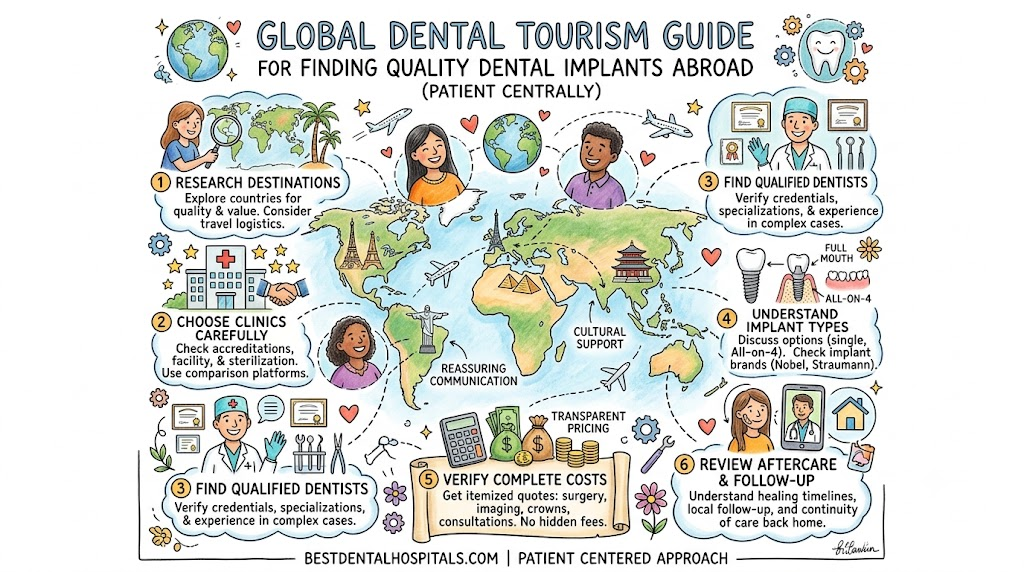
Introduction
Patients around the world increasingly look overseas to find high-quality, affordable care for major oral health needs. Traveling abroad for restorative procedures can offer considerable financial relief, but international care always demands thorough research and realistic expectations. Selecting a provider based solely on the lowest advertised price can lead to unexpected complications, complex revision procedures, or hidden travel expenses that undermine your initial savings. By carefully evaluating hospital standards, practitioner qualifications, and complete long-term care plans, you can protect both your health and your wallet. This comprehensive guide details everything you need to know about navigating BestDentalHospitals resources, understanding treatment options, comparing international destinations, and choosing reputable providers for dental implants abroad and complex dental treatment abroad with confidence.
What Is Dental Tourism?
Dental tourism refers to the practice of traveling to another country to receive professional oral healthcare, often combining clinical procedures with a holiday or leisure trip. Patients routinely seek out international clinics for major restorative and cosmetic procedures, including single or multiple dental implants, porcelain crowns, fixed bridges, custom veneers, complex root canal treatment, and comprehensive orthodontics. Many individuals also pursue extensive treatments like full-mouth rehabilitation, advanced cosmetic dentistry, and All-on-4 restorations that might be financially out of reach in their home countries. While major cost savings represent a primary motivation for traveling, patients also choose international care to access highly specialized surgeons, bypass lengthy local waitlists, utilize cutting-edge clinical technologies, or complete complex treatment plans on an accelerated schedule.
Why Patients Consider Dental Treatment Abroad
Lower Treatment Costs
Substantial financial savings serve as a primary catalyst for international travel, as many overseas destinations offer procedures at a fraction of domestic prices. These cost differences stem largely from lower operational overhead, reduced malpractice insurance premiums, favorable currency exchange rates, and lower living expenses in host countries rather than any compromise in healthcare standards.
Access to Specialists
International dental centers frequently house multidisciplinary teams under one roof, allowing patients to consult directly with board-certified implant dentists, prosthodontists, periodontists, oral surgeons, orthodontists, and cosmetic dentists. This collaborative environment ensures that complex restorative cases benefit from diverse clinical expertise, comprehensive diagnostic reviews, and highly tailored treatment planning.
Advanced Dental Technology
Leading international clinics invest heavily in state-of-the-art diagnostic and surgical equipment to match global healthcare standards. Overseas facilities regularly utilize advanced tools such as three-dimensional CBCT imaging, digital intraoral scanners, computer-guided implant placement software, and CAD/CAM same-day crown milling units to enhance treatment precision and patient comfort.
International Patient Services
Top-tier global hospitals provide specialized international patient departments designed to make traveling for medical care seamless and stress-free. These dedicated teams typically assist with appointment scheduling, multilingual translation services, local hotel bookings, airport shuttle transfers, and coordinated follow-up communication to ensure overseas visitors feel completely supported throughout their journey.
Best Countries for Dental Tourism: How to Compare Destinations
Selecting the ideal international location for oral care requires balancing clinical needs, practical travel logistics, and personal comfort. Rather than assuming one single nation is universally superior, smart travelers evaluate destinations based on specialist availability, overall facility standards, geographic proximity, and post-treatment care requirements. Evaluating these factors helps ensure a smooth experience tailored to your specific clinical situation.
| Comparison Factor | Why It Matters |
| Treatment availability | Determines whether required specialists are available for your condition |
| Dentist expertise | Essential for ensuring long-term success with complex procedures |
| Hospital standards | Direct impact on clinical safety, sterilization, and care quality |
| Treatment cost | Helps establish total budget feasibility across different destinations |
| Travel accessibility | Affects flight duration, transit ease, and overall recovery comfort |
| Follow-up requirements | Crucial for managing multi-stage procedures needing separate visits |
| Language support | Guarantees clear communication regarding surgical risks and aftercare |
| Implant systems | Ensures replacement parts and components are available back home |
| Patient support | Helps international visitors navigate logistics, transport, and stay |
Dental Implant Cost Comparison
Understanding the true financial commitment of international care involves looking far beyond initial advertised estimates. The overall price for restorative procedures fluctuates significantly based on the number of fixtures needed, specific implant manufacturers, abutment types, final crown materials, and necessary prep work like bone grafting or sinus lifts. Additional variables including extractions, high-resolution diagnostic imaging, surgeon expertise, dental laboratory fees, temporary prosthetics, sedation choices, and facility location also shape the final invoice. Comparing complete, all-inclusive treatment plans rather than base promotional rates protects you from surprise expenses during care.
What Should Be Included in a Dental Implant Quotation?
A transparent clinical estimate should clearly itemize every stage of your proposed procedure to ensure complete financial clarity. Trustworthy estimates include initial consultations, diagnostic CBCT scans, necessary tooth extractions, physical implant posts, custom abutments, temporary prosthetics, final precision crowns or bridges, supplementary bone grafting, lab fabrication fees, prescription medications, and routine follow-up examinations. Patients must also remember that travel costs—such as international flights, hotel accommodations, local ground transit, daily meals, and unexpected personal expenses—are typically billed separately from the clinical quote.
Dental Implants Abroad: Questions Patients Should Ask
- Who will perform the surgery? Verifying specific surgeon credentials ensures your treatment is handled by an experienced clinical specialist.
- What qualifications does the dentist have? Checking formal board certifications confirms advanced training in restorative procedures.
- How frequently does the dentist perform the procedure? High clinical volume generally correlates with greater precision and better risk management.
- Which implant brand will be used? Confirming major global brands ensures long-term component availability for future maintenance.
- Are replacement components internationally available? Local dentists back home must be able to source matching parts if repairs are needed later.
- Will CBCT imaging be required? Three-dimensional scans are critical for evaluating bone density and avoiding nerve structures.
- Is bone grafting expected? Knowing whether extra bone volume is necessary prevents unexpected surgical additions mid-treatment.
- How many visits are required? Clarifying the precise timeline helps you budget travel expenses and time off work correctly.
- What temporary teeth will be provided? Understanding temporary options ensures you maintain function and aesthetics while healing.
- How long is the healing period? Adequate osseointegration time is essential before final permanent prosthetics can be attached safely.
- What happens if an implant fails? Clear clinical policies regarding complications protect you financially and medically if integration fails.
- What follow-up is available after returning home? Establishing communication channels with the international team ensures ongoing guidance during recovery.
- Will implant records be provided? Having full clinical documentation allows your local dentist to maintain your restorations long-term.
How to Compare the Best Dental Implant Hospitals
Dentist Qualifications and Experience
Investigate the surgical team’s formal educational background, specialized post-graduate training, international board memberships, and verifiable track record with complex restorative cases.
Diagnostic and Treatment Planning
Ensure the facility utilizes modern three-dimensional imaging techniques and digital planning tools to construct precise, personalized surgical strategies before starting treatment.
Implant Systems
Verify that the clinic utilizes top-tier, internationally recognized manufacturers whose restoration parts, drivers, and abutments are accessible worldwide.
Dental Laboratory Quality
High-caliber hospitals partner with certified master technicians and advanced digital labs to craft custom prosthetics using durable, highly aesthetic materials.
Infection-Control Procedures
Strict adherence to international sterilization protocols, hospital-grade sanitation, and single-use disposable tools is vital to prevent cross-contamination and surgical complications.
International Patient Communication
Clear, prompt communication in your native language before, during, and after your trip prevents misunderstandings about procedures, timelines, and post-operative care.
Follow-Up and Aftercare
A top-rated hospital maintains clear protocols for monitoring your recovery remotely and provides clear guidance on managing unexpected healing issues after you fly home.
All-on-4 Dental Implants Abroad
All-on-4 restorative techniques involve securing a complete arch of permanent teeth onto four strategically angled fixtures, offering an efficient solution for patients facing total tooth loss. Candidates undergo thorough pre-surgical evaluations, digital imaging, and virtual planning before any physical treatment begins. During the procedure, remaining compromised teeth are extracted, four implant posts are surgically inserted, and a functional temporary bridge is typically attached on the same day. Following a multi-month healing period where the implants fuse with the jawbone, patients return to receive their final, highly durable permanent restoration. While this technique offers swift aesthetic transformation, success depends entirely on precise candidate selection and meticulous surgical execution.
Full Mouth Dental Implants Abroad
Extensive oral rehabilitation becomes necessary when severe decay, advanced periodontal disease, or traumatic injury compromises multiple teeth across both the upper and lower jaws. Full-mouth restoration strategies vary widely based on individual anatomy, ranging from multiple strategically placed single implants and fixed multi-unit bridges to implant-supported overdentures and complex mixed restorative approaches. Because rehabilitating an entire mouth involves re-establishing proper bite alignment, preserving healthy gum tissues, optimizing jaw joint function, and ensuring structural durability, these extensive procedures require exceptionally detailed diagnostic planning. Managing these complex cases demands experienced prosthodontic expertise to ensure long-term stability and comfortable chewing functionality.
Best Cosmetic Dentistry Hospitals
Cosmetic dental treatments seek to enhance the visual appeal of your smile while maintaining optimal oral health and functional bite integrity. Premier cosmetic hospitals offer comprehensive aesthetic solutions, including custom porcelain veneers, full-coverage crowns, professional laser teeth whitening, direct cosmetic bonding, complete smile makeovers, and precision gum contouring. When considering aesthetic enhancements abroad, patients should ask how much natural tooth structure requires reduction, whether conservative alternatives exist, what materials will be used, how pre-treatment mockups are crafted, how bite alignment is evaluated, and what maintenance routines are required to keep your new smile looking beautiful over time.
Dental Hospital Comparison Checklist
| Area | What Patients Should Evaluate |
| Dentist | Verify advanced qualifications, clinical specialization, and proven surgical experience |
| Diagnosis | Confirm reliance on complete physical exams and 3D CBCT diagnostic imaging |
| Treatment plan | Ensure clear outlines of alternative choices, clinical steps, and timeline expectations |
| Materials | Inspect brand specifications for all implants, abutments, crowns, and veneer materials |
| Cost | Review fully itemized written quotes to uncover potential extra fees or hidden charges |
| Timeline | Confirm exact dates, mandatory staying periods, and required follow-up trips |
| Temporary teeth | Clarify the structural design and aesthetic appearance of temporary prosthetics |
| Aftercare | Check written policies regarding long-term recovery support and complication handling |
| Documentation | Request complete copies of surgical notes, clinical records, and implant serial numbers |
| Communication | Assess the clinic’s ability to communicate clearly and answer medical questions directly |
Travel Planning for Dental Treatment Abroad
Planning international healthcare travel requires balancing your clinical schedule with realistic recovery expectations. Post-surgical healing frequently involves localized swelling, mild discomfort, temporary bruising, and strict dietary restrictions, making immediate sightseeing or strenuous activity impractical. Booking accommodations close to your treating clinic minimizes travel stress during daily check-ups and routine post-operative monitoring visits. Furthermore, scheduling flexible return flights accounts for potential minor delays or extra appointments needed to refine your bite adjustment. For multi-stage procedures like traditional implant integration, budget for two separate overseas trips to ensure proper healing time between initial surgical placement and final prosthetic fitting.
Understanding Risks and Warning Signs
- Promising guaranteed outcomes: Reputable medical professionals never promise flawless or guaranteed results prior to performing a comprehensive physical examination.
- Skipping initial diagnostic imaging: Proceeding with invasive surgical plans without comprehensive 3D CBCT scans poses significant safety hazards.
- Concealing clinician identity: Facilities that refuse to disclose the precise qualifications of your treating surgeon should be avoided entirely.
- Using unbranded materials: Hospitals unable to clarify exact implant brands or material origin compromise future repair options back home.
- Issuing vague or incomplete estimates: Non-itemized, overly general price quotes often hide surprising extra expenses down the road.
- Applying high-pressure sales tactics: Reputable clinics allow ample time for patient deliberation rather than demanding immediate non-refundable deposits.
- Prioritizing low cost over safety: Extreme discounts often reflect compromised sterilization standards, low-grade materials, or inexperienced staff.
- Lacking clear emergency protocols: Clinics that fail to explain how post-surgical complications are managed present major safety risks.
- Omitting post-treatment instructions: Unwillingness to provide written aftercare guidelines or remote guidance signals poor patient support.
Aftercare Following Dental Treatment Abroad
Achieving lasting success from international care depends heavily on dedicated post-operative hygiene and attentive personal recovery practices. Patients must follow specific cleaning instructions, adhere to soft-food diet recommendations, complete prescribed antibiotic courses, and care for surgical sutures appropriately. Attending scheduled follow-up evaluations allows your local dentist to assess healing, verify bite stability, and perform necessary professional cleanings. Immediate medical attention should be sought if you experience persistent pain, unexpected bleeding, severe swelling, or mobility around the restoration site. Always secure copy sets of your treatment history, clinical X-rays, and physical implant identification cards for long-term health tracking.
How BestDentalHospitals Helps Patients Compare Options
Navigating international oral healthcare decisions is vastly simplified when patients have access to structured, transparent medical data. BestDentalHospitals serves as a centralized informational portal where travelers can comfortably research renowned international centers, review specialist qualifications, explore procedure options, compare global destinations, and examine realistic treatment cost estimates. The platform allows users to assess essential variables such as hospital accreditations, international patient amenities, available implant brands, surgical facilities, and typical care schedules before requesting custom quotations. By aggregating detailed clinical information and patient resources in one location, the platform empowers prospective patients to compare global options thoroughly, ask informed questions, and plan safer, highly organized healthcare journeys abroad.
Cost vs Long-Term Treatment Value
Focusing exclusively on the lowest initial quote frequently leads patients to overlook critical variables that dictate the long-term success of their treatment. Exceptional long-term value comes from high-grade implant materials, superior prosthetic craftsmanship, experienced surgical skill, predictable tissue healing, and ready access to replacement parts globally. Selecting substandard care to save money up front often results in early mechanical failures, peri-implant infections, or aesthetic dissatisfaction that requires complex, costly corrective surgery later. Investing in reputable hospitals and proven implant systems ensures your new smile remains functional, comfortable, and beautiful for decades, protecting your financial investment and health.
Frequently Asked Questions
### 1. How long do I need to stay abroad for dental implants?
Most initial surgical visits require a stay of seven to ten days to allow for initial healing, post-operative checks, and suture removal. If receiving immediate-load temporary teeth, you must remain until the temporary bridge is securely fitted and your bite is verified.
### 2. Are dental implants placed abroad as safe as domestic treatment?
Surgical procedures performed abroad are completely safe when conducted by qualified specialists in accredited, well-equipped medical facilities. Safety depends entirely on the dentist’s surgical experience, strict clinical sterilization, proper diagnostic imaging, and high-quality implant materials rather than geographic location.
### 3. What happens if my dental implant fails after returning home?
If an implant fails to integrate after you return, you should contact your international provider immediately to review your treatment warranty and management options. Most reputable hospitals offer clear complication protocols and will replace the fixture, though travel costs are usually your responsibility.
### 4. How much money can I realistically save with dental tourism?
Patients typically save between fifty and seventy percent on major restorative treatments compared to domestic prices in regions like Western Europe or North America. However, overall net savings must account for travel expenses, accommodation costs, meals, time off work, and potential follow-up journeys.
### 5. Can my local dentist perform aftercare for implants placed abroad?
Many local dentists are willing to handle routine cleaning and maintenance for implants placed overseas, provided major, globally recognized implant brands were used. However, some practitioners may decline to perform complex repairs on work originally executed by foreign providers due to liability concerns.
### 6. What is the main difference between All-on-4 and traditional implants?
All-on-4 restores an entire arch using just four strategically angled fixtures, often eliminating the need for extensive bone grafting procedures. Traditional full-mouth restorations typically utilize six to eight straight fixtures per arch, requiring greater natural bone volume but offering increased individual structural support.
### 7. Why are dental procedures so much cheaper in certain countries?
Lower treatment costs reflect significantly lower clinic operating expenses, reduced local labor wages, cheaper real estate rentals, and lower professional liability insurance rates. These structural economic differences allow high-end international centers to provide top-quality clinical care at drastically reduced prices.
### 8. How do I verify the credentials of an international dentist?
Patients can verify credentials by requesting proof of university degrees, board certifications, specialized surgical training, and active memberships in recognized international associations. Reputable clinics readily share detailed practitioner biographies, surgical experience metrics, and verifiable patient testimonials upon request.
### 9. Will language barriers affect my dental treatment abroad?
Leading international hospitals cater specifically to overseas visitors by employing fluent, English-speaking clinical staff and dedicated multilingual patient coordinators. These coordinators guide you through every consultation, explain surgical consent forms, and translate all written post-operative care instructions clearly.
### 10. Is bone grafting always required before getting dental implants?
Bone grafting is only necessary if your jawbone lacks sufficient height or density to support an implant fixture securely. High-resolution three-dimensional CBCT scans enable your surgeon to measure exact bone volume and determine whether grafting is required before placing the implant.
### 11. Can I get full mouth dental implants in just one visit?
While initial surgical placement and functional temporary tooth attachment can often be completed in one visit, permanent final restorations require a secondary trip. The initial implants must integrate with your jawbone over three to six months before final porcelain prosthetics are attached.
### 12. How can I ensure my international quote covers all expenses?
Request a fully itemized written quote that explicitly includes consultations, 3D imaging, extractions, implants, abutments, temporary teeth, permanent crowns, grafting, lab fees, and prescription medicines. Always clarify in advance which potential secondary procedures or follow-up visits might incur additional charges.
Conclusion
Navigating international oral healthcare successfully requires balancing financial considerations with meticulous clinical evaluation, proper travel preparation, and dedicated long-term maintenance habits. Choosing the right provider involves examining surgeon credentials, hospital sterilization standards, diagnostic technologies, precise component brands, and transparent, itemized treatment plans. Utilizing research platforms like BestDentalHospitals allows international patients to compare reputable facilities, review specialist qualifications, and evaluate total care costs effectively before embarking on their journey. Final clinical decisions, diagnostic evaluations, and treatment selections should always be made in direct consultation with qualified healthcare professionals following a comprehensive personal clinical examination.

Cross-border dental telemetry platforms face acute data-fidelity and provenance challenges when handling cone-beam computed tomography (CBCT) datasets and intraoral STL meshes. Without decentralized, zero-knowledge clinical object stores and lossless DICOM compression pipelines, varying regional export calibrations and unverified lab mesh transformations introduce micro-geometric alignment errors into prosthetic fabrication workflows, jeopardizing implant osseointegration and postoperative cross-jurisdictional accountability.