MOTOSHARE 🚗🏍️
Rent Bikes & Cars Directly from Owners
Motoshare connects vehicle owners with people who need bikes and cars on rent. Owners earn from idle vehicles, and renters get flexible ride options.
Visit Motoshare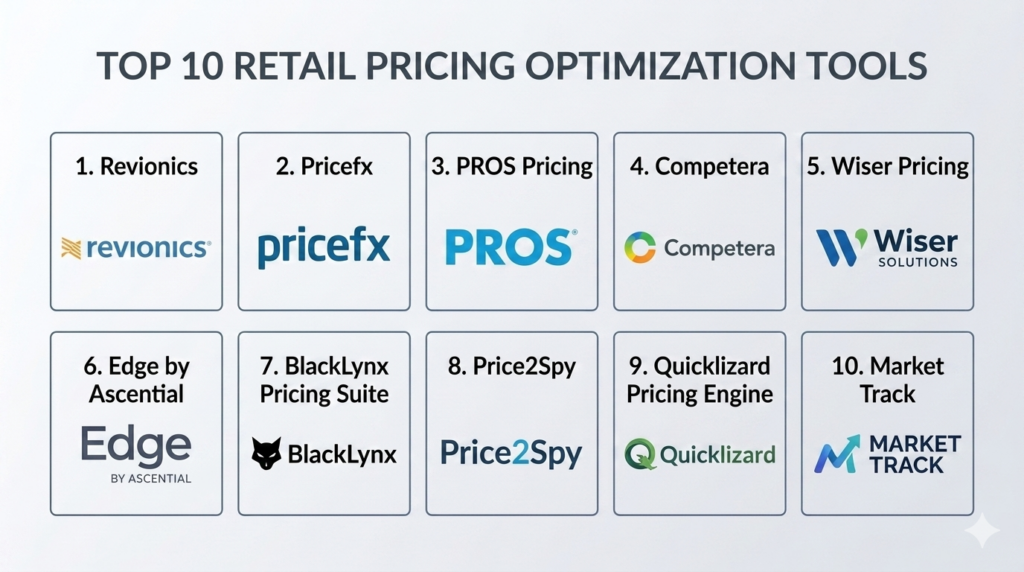
Introduction
Retail Pricing Optimization Tools are software platforms that help merchants set, test, and adjust product prices to maximize revenue, margin, and competitive positioning. Pricing is a strategic retail lever: the right price can attract customers, increase conversion, improve margin, and reduce inventory burden. Pricing optimization tools use data — including cost, demand elasticity, competitive pricing, historical sales, inventory levels, and market trends — to recommend optimal price points across product lines, channels, and locations.
In an era of omnichannel retailing, dynamic market conditions, and rising customer price expectations, manual pricing spreadsheets are no longer adequate. Retailers increasingly rely on optimization platforms to automate rule‑based pricing, support localized strategies, run scenario testing, and quantify the impacts of price changes. These tools help merchandising, category, and revenue management teams make faster, smarter pricing decisions that balance profitability with competitiveness.
Real‑world use cases:
- Adjusting prices dynamically in response to competitor pricing changes and demand shifts.
- Running price elasticity analyses to determine optimal price points for new products.
- Testing promotion strategies and markdown plans to clear excess inventory.
- Localizing pricing for different store formats, regions, or customer segments.
- Integrating with point‑of‑sale and e‑commerce systems to ensure consistent pricing across channels.
What buyers should evaluate (criteria):
- Accuracy and maturity of pricing algorithms.
- Support for multi‑location and omnichannel pricing.
- Integration with POS, ERP, inventory, and e‑commerce systems.
- Scenario planning and simulation capabilities.
- Pricing governance and approval workflows.
- Real‑time competitive price monitoring.
- Scalability for SKU volume and store count.
- Security, compliance, and access controls.
- Usability and retailer adoption support.
- Pricing models and total cost of ownership.
Best for: Multi‑store retailers, omnichannel merchants, category and revenue management teams, and pricing leaders seeking data‑driven price strategies to maximize margins and competitiveness.
Not ideal for: Very small independent retailers with limited product lines or pricing complexity where manual pricing may suffice.
Key Trends in Retail Pricing Optimization Tools
- AI‑driven pricing recommendations using machine learning to identify demand elasticity and revenue sweet spots.
- Real‑time competitive price monitoring to adjust prices quickly in response to competitor movements.
- Dynamic and personalized pricing using customer segmentation, loyalty tiers, and behavior signals.
- Cloud‑native platforms enabling distributed teams to manage pricing with real‑time analytics.
- Integrated price simulation and what‑if analysis for promotions, markdowns, and pricing experiments.
- Omnichannel price harmonization unifying in‑store, online, and marketplace pricing strategies.
- Optimization tied to inventory health to balance stock levels with margin expectations.
- Rule‑based and constraint programming for compliance, margin floors, and business rules.
- Mobile dashboards for pricing alerts and quick adjustments by category leaders.
- Subscription pricing tiers tailored to retailer size, SKU count, and feature needs.
How We Selected These Tools (Methodology)
- Evaluated market adoption across global retail segments.
- Assessed strength and maturity of pricing algorithms and AI capabilities.
- Reviewed integration breadth with POS, ERP, e‑commerce, and merchandising systems.
- Considered support for omnichannel, multi‑location pricing strategies.
- Analyzed scenario simulation and forecasting capabilities.
- Prioritized scalability for large SKU counts and geographic variance.
- Examined security posture including access control and compliance disclosures.
- Considered ease of use, onboarding support, and documentation quality.
- Factored in real‑time competitive price monitoring features.
- Balanced value relative to pricing models and retailer priorities.
Top 10 Retail Pricing Optimization Tools
1 — Revionics (A Mastercard Company)
Short description: Revionics uses AI‑backed algorithms to optimize pricing, promotions, and markdown strategies with real‑time demand and competitive insights. It’s widely used by mid‑market and enterprise retailers for margin management.
Key Features
- Price optimization and elasticity modeling.
- Promotion and markdown analytics.
- Competitive price benchmarking.
- Scenario simulation and what‑if analysis.
- Real‑time recommendations.
- Dashboards and KPI reporting.
Pros
- Strong machine‑learning recommendations.
- Comprehensive price and promotion optimization.
Cons
- Focused primarily on pricing rather than full merchandising.
- Premium pricing for advanced features.
Platforms / Deployment
- Web / Cloud
Security & Compliance
- Encryption, role‑based access
- GDPR
Integrations & Ecosystem
Integrates with:
- POS, ERP, and merchandising systems
- Competitive price feeds
- Inventory and analytics tools
Support & Community
Expert pricing support, documentation, and industry event resources.
2 — Pricefx
Short description: Pricefx is a cloud‑native pricing platform offering price optimization, rebate management, CPQ, and analytics that support complex pricing strategies across channels.
Key Features
- Price optimization engine.
- Competitive price monitoring.
- Rebate and discount management.
- Pricing governance workflows.
- Scenario simulations.
- Central pricing repository.
Pros
- Highly configurable for complex pricing rules.
- Strong scenario planning support.
Cons
- Advanced features may require configuration support.
- License complexity at high tiers.
Platforms / Deployment
- Web / Cloud
Security & Compliance
- Encryption, SSO/SAML
- GDPR
Integrations & Ecosystem
Connects to:
- ERP and CRM systems
- POS and e‑commerce
- Analytics and BI tools
Support & Community
Comprehensive vendor support, knowledge base, and training resources.
3 — PROS Pricing
Short description: PROS provides AI‑enabled pricing and revenue management solutions tailored for retailers and B2B merchants, combining price optimization with real‑time market and customer insights.
Key Features
- AI‑driven pricing recommendations.
- Elasticity and demand forecasting.
- Segmented price guidance.
- Promotion and markdown support.
- Real‑time competitive price data.
- Reporting dashboards.
Pros
- Strong support for segmented pricing strategies.
- Real‑time insights enhance decision agility.
Cons
- Enterprise focus may be excessive for smaller retailers.
- Integration complexity for legacy systems.
Platforms / Deployment
- Web / Cloud
Security & Compliance
- Encryption, role access controls
- GDPR
Integrations & Ecosystem
Works with:
- ERP, CRM, and merchandising
- POS and inventory
- Competitive data feeds
Support & Community
Dedicated professional services and customer support.
4 — Competera
Short description: Competera is an AI‑based pricing optimization platform designed for retail and brands to align pricing decisions with demand signals, competitive context, and business goals.
Key Features
- Price elasticity and demand modeling.
- Competitive intelligence and monitoring.
- Markdown and promo optimization.
- Recommendation engine.
- KPI dashboards.
- Rule‑based pricing constraints.
Pros
- Unified competitive and demand insights.
- Clear visualization of pricing impact.
Cons
- Standalone pricing focus versus full retail suite.
- Younger ecosystem relative to legacy players.
Platforms / Deployment
- Web / Cloud
Security & Compliance
- Encryption and access control
- GDPR
Integrations & Ecosystem
Integrates with:
- POS, ERP
- E‑commerce
- Market data and analytics
Support & Community
Documentation, onboarding support, and customer success programs.
5 — Wiser Pricing
Short description: Wiser Pricing provides competitive price tracking and dynamic pricing recommendations for retailers looking to align with market pricing trends and customer expectations.
Key Features
- Competitive price monitoring.
- Dynamic pricing recommendations.
- Price elasticity modeling.
- SKU‑level analytics.
- Promotion tracking.
- Alerts and notifications.
Pros
- Accessible competitive intelligence for pricing decisions.
- User‑friendly visual insights.
Cons
- Less advanced forecasting compared to enterprise engines.
- Best suited when competitive context drives pricing.
Platforms / Deployment
- Web / Cloud
Security & Compliance
- Encryption
- GDPR
Integrations & Ecosystem
Connects to:
- E‑commerce platforms
- POS and CRM
- Analytics tools
Support & Community
Vendor support, tutorials, and user guides.
6 — Edge by Ascential
Short description: Edge delivers pricing intelligence and optimization based on real‑time competitor pricing, retail shelf analytics, and market signals, informing price and assortment decisions.
Key Features
- Competitive price intelligence.
- Price optimization suggestions.
- Market trend analytics.
- SKU performance comparisons.
- Rules‑based pricing triggers.
- Dashboards with analytics.
Pros
- Strong competitive data emphasis.
- Useful for price‑sensitive retail segments.
Cons
- Focus on category pricing vs deep elasticity models.
- May need integration work for full optimization.
Platforms / Deployment
- Web / Cloud
Security & Compliance
- Encryption and access control
- GDPR
Integrations & Ecosystem
Works with:
- POS and ERP
- E‑commerce systems
- Analytics dashboards
Support & Community
Market insight resources, support documentation.
7 — BlackLynx Retail Pricing Suite
Short description: BlackLynx offers pricing intelligence and optimization tools that combine market price feeds with demand patterns to recommend price strategies for brick‑and‑mortar and online stores.
Key Features
- Market price feeds and benchmarking.
- Price elasticity insights.
- Promotion and markdown guidance.
- Rule‑based constraint engine.
- Responsive pricing recommendations.
- Analytical dashboards.
Pros
- Good for multi‑channel pricing alignment.
- Market price benchmarking helps competitive posture.
Cons
- Less sophisticated demand forecasting.
- Smaller ecosystem than large enterprise platforms.
Platforms / Deployment
- Web / Cloud
Security & Compliance
- Encryption
- GDPR
Integrations & Ecosystem
Includes:
- POS and e‑commerce connectors
- ERP systems
- Analytics tools
Support & Community
Vendor support and documentation resources.
8 — Price2Spy
Short description: Price2Spy is a price monitoring and benchmarking tool tailored for retailers and brands needing competitive price intelligence and trend tracking to inform optimization.
Key Features
- Automated price scraping and comparison.
- Dynamic price alerts.
- Pricing trend dashboards.
- Rule‑based price adjustments.
- Report scheduling.
- Marketplace price analytics.
Pros
- Affordable competitive price intelligence.
- Useful for online and marketplace sellers.
Cons
- Limited optimization beyond competitive context.
- Requires interpretation for strategy decisions.
Platforms / Deployment
- Web / Cloud
Security & Compliance
- Encryption
- GDPR
Integrations & Ecosystem
Integrates with:
- E‑commerce platforms
- Analytics dashboards
- Market data feeds
Support & Community
Help center, documentation, and support guides.
9 — Quicklizard Pricing Engine
Short description: Quicklizard provides real‑time dynamic pricing driven by machine learning to help retailers optimize price points based on competitive, stock, and demand signals.
Key Features
- Real‑time pricing engine.
- Machine learning demand models.
- Competitive and internal signals integration.
- Automated price adjustments.
- Scenario simulation.
- KPI reporting.
Pros
- Real‑time adjustment capabilities.
- Strong adaptability to market shifts.
Cons
- Requires clean data streams for best performance.
- May need onboarding for custom rule setup.
Platforms / Deployment
- Web / Cloud
Security & Compliance
- Encryption and access control
- GDPR
Integrations & Ecosystem
Connects to:
- POS and e‑commerce
- Competitive feeds
- Inventory systems
Support & Community
Responsive support and on‑boarding resources.
10 — Market Track (A Numerator Company)
Short description: Market Track delivers pricing intelligence and analytics across retail ecosystems, combining competitive pricing, promotional insights, and SKU monitoring to aid pricing decisions.
Key Features
- Competitive price tracking.
- Promo effectiveness analytics.
- SKU performance views.
- Market and category dashboards.
- Alerts and trend notifications.
- Data export and reporting.
Pros
- Wide coverage across retail categories.
- High‑granularity competitive data.
Cons
- Optimization recommendations may be basic.
- Best combined with other analytical tools for full pricing strategy.
Platforms / Deployment
- Web / Cloud
Security & Compliance
- Encryption
- GDPR
Integrations & Ecosystem
Integrates with:
- BI dashboards
- POS and e‑commerce
- ERP analytics
Support & Community
Vendor insights, documentation, and customer support.
Comparison Table (Top 10)
| Tool Name | Best For | Platform(s) Supported | Deployment | Standout Feature | Public Rating |
|---|---|---|---|---|---|
| Revionics | Enterprise pricing & promos | Web / Cloud | Cloud | AI‑backed optimization | N/A |
| Pricefx | Complex pricing strategies | Web / Cloud | Cloud | Configuration flexibility | N/A |
| PROS Pricing | Segmented price strategies | Web / Cloud | Cloud | Real‑time insights | N/A |
| Competera | AI pricing & competition | Web / Cloud | Cloud | Unified price recommendations | N/A |
| Wiser Pricing | Competitor price tracking | Web / Cloud | Cloud | Competitive context | N/A |
| Edge by Ascential | Competitive retail pricing | Web / Cloud | Cloud | Market price analytics | N/A |
| BlackLynx Pricing Suite | Multi‑channel pricing | Web / Cloud | Cloud | Market benchmarking | N/A |
| Price2Spy | Price benchmarking | Web / Cloud | Cloud | Marketplace price scraping | N/A |
| Quicklizard Pricing Engine | Real‑time dynamic pricing | Web / Cloud | Cloud | Real‑time pricing | N/A |
| Market Track | Retail competitive analytics | Web / Cloud | Cloud | Category pricing trends | N/A |
Evaluation & Scoring of Retail Pricing Optimization Tools
| Tool Name | Core (25%) | Ease (15%) | Integrations (15%) | Security (10%) | Performance (10%) | Support (10%) | Value (15%) | Weighted Total (0–10) |
|---|---|---|---|---|---|---|---|---|
| Revionics | 9 | 8 | 9 | 9 | 9 | 8 | 7 | 8.7 |
| Pricefx | 8 | 8 | 9 | 9 | 8 | 8 | 8 | 8.4 |
| PROS Pricing | 8 | 7 | 9 | 9 | 8 | 8 | 7 | 8.2 |
| Competera | 8 | 8 | 8 | 8 | 8 | 8 | 8 | 8.2 |
| Wiser Pricing | 7 | 9 | 8 | 8 | 8 | 7 | 9 | 8.2 |
| Edge by Ascential | 7 | 8 | 7 | 8 | 7 | 7 | 9 | 7.8 |
| BlackLynx Suite | 7 | 8 | 8 | 8 | 7 | 7 | 8 | 8.0 |
| Price2Spy | 6 | 9 | 7 | 8 | 7 | 7 | 9 | 7.8 |
| Quicklizard | 8 | 8 | 8 | 8 | 8 | 7 | 8 | 8.2 |
| Market Track | 7 | 8 | 8 | 8 | 7 | 7 | 8 | 8.0 |
Interpreting scores: Higher weighted totals indicate tools that balance optimization depth, integrations, ease of use, security, and value. Retailers should use scoring to align pricing strategy needs with tool strengths.
Which Retail Pricing Optimization Tool Is Right for You?
Solo / Small Retailers
For retailers with modest pricing complexity, Wiser Pricing or Price2Spy offer competitive insights and benchmarking without heavy enterprise overhead.
SMB / Growing Retail Chains
Mid‑market retailers benefit from Competera, Quicklizard, and Pricefx for AI‑driven recommendations and flexible configuration.
Mid‑Market to Enterprise
Organizations with complex pricing needs across channels and segments should consider Revionics, PROS Pricing, and Pricefx for advanced analytics and governance capabilities.
Competitive Market Focus
Retailers in highly competitive categories — electronics, fast fashion, grocery — may prioritize Wiser Pricing, Edge by Ascential, or Market Track for real‑time competitive context.
Dynamic Pricing Needs
Retailers seeking real‑time price adjustments should explore Quicklizard or AI‑oriented engines like Revionics to react to market shifts rapidly.
Integration & Scalability
Retail enterprises requiring robust integration with ERP, POS, and merchandising systems will find Revionics, Pricefx, and PROS Pricing deliver broad connectivity and governance.
Security & Compliance Needs
For retailers handling sensitive pricing governance and access roles, tools with strong access controls and encryption like Revionics and Pricefx are recommended.
Frequently Asked Questions (FAQs)
1. What pricing models do pricing optimization tools use?
Most vendors offer subscription pricing based on SKU volume, data usage, and feature tiers. Enterprise options may include custom contracts.
2. How quickly can pricing decisions be implemented?
Dynamic pricing engines can update prices in near real‑time, while scenario planning tools may require review and approval cycles before deployment.
3. What data do these tools use?
Pricing optimization tools ingest sales history, cost data, inventory levels, competitive price feeds, customer behavior, and demand indicators to drive recommendations.
4. Can these tools integrate with point‑of‑sale systems?
Yes — leading platforms integrate with POS, e‑commerce, ERP, and merchandising systems to ensure consistent prices across channels.
5. Do they support omnichannel pricing?
Yes — most tools support unified pricing strategies across brick‑and‑mortar, online, marketplaces, and mobile channels.
6. How does dynamic pricing benefit retailers?
Dynamic pricing helps retailers adjust prices in response to demand shifts, competitor moves, and inventory conditions, improving margin and conversion.
7. Are AI‑driven recommendations reliable?
AI recommendations improve with clean data and proper configuration. They support human decision‑making but should be validated with scenario planning.
8. What’s the difference between price monitoring and optimization?
Price monitoring tracks competitor prices and trends; optimization uses predictive models to recommend price adjustments that balance margin and competitiveness.
9. Do these tools support scenario simulation?
Yes — most leading platforms allow retailers to simulate price changes and view projected impacts before applying changes.
10. How long does implementation take?
Implementation can range from a few weeks for basic setups to several months for enterprise integrations and rule configuration.
Conclusion
Choosing the right Retail Pricing Optimization Tool depends on your pricing complexity, competitive dynamics, omnichannel needs, and integration landscape. Enterprise customers with deep margin goals and complex pricing rules will benefit from AI‑driven platforms like Revionics, Pricefx, or PROS Pricing. Mid‑market retailers should consider tools like Competera and Quicklizard for balanced optimization and ease of use, while competitive‑focused solutions such as Wiser Pricing and Edge by Ascential deliver strong market price visibility. Begin by aligning pricing strategy objectives with tool capabilities, conduct pilot tests with existing data, and validate integrations with POS, ERP, and merchandising systems. Effective pricing optimization can drive improved margins, better customer responsiveness, and sustained competitive advantage.

I learned a lot from this simple and clear explanation.
Really enjoyed reading this blog — the insights were practical and easy to understand. Great work!