MOTOSHARE 🚗🏍️
Rent Bikes & Cars Directly from Owners
Motoshare connects vehicle owners with people who need bikes and cars on rent. Owners earn from idle vehicles, and renters get flexible ride options.
Visit Motoshare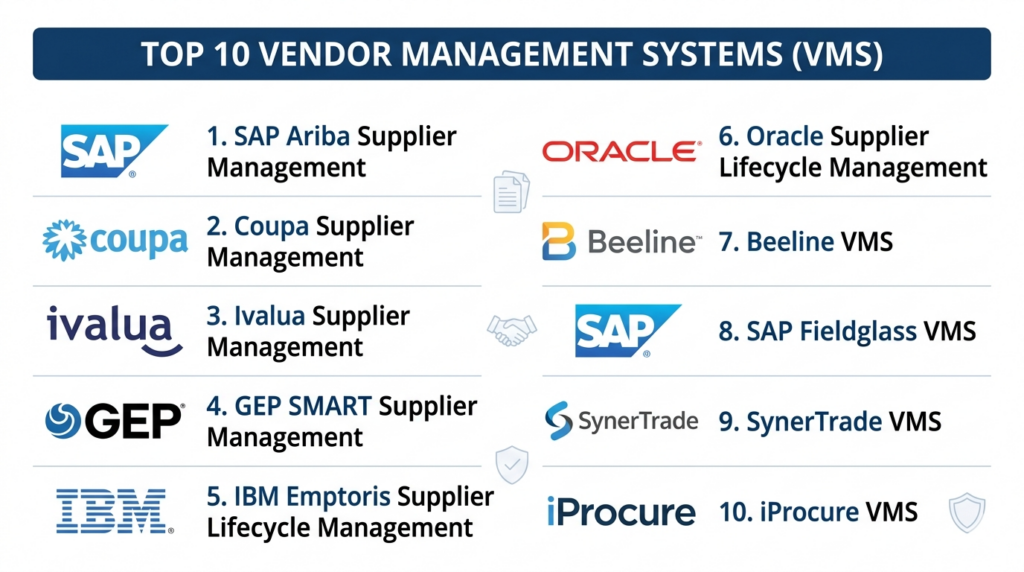
Introduction
Vendor Management Systems (VMS) are software platforms that help organizations manage the full lifecycle of third‑party vendors — from sourcing and onboarding to performance tracking, compliance monitoring, risk assessment, and contract oversight. As businesses increasingly rely on external suppliers for strategic capabilities — including contingent labor, IT services, consulting, logistics, and outsourced operations — managing these relationships efficiently becomes crucial for risk reduction, cost control, compliance assurance, and operational visibility.
In vendor ecosystems have become more complex with global networks, regulatory requirements (e.g., data privacy, labor laws, environmental standards), and distributed procurement processes. Manual spreadsheets, siloed systems, and email‑based tracking are no longer reliable — leading to compliance gaps, missed obligations, cost leakage, and poor visibility into vendor performance. VMS platforms provide centralized repositories, automated workflows, performance analytics, risk scoring, and integration with procurement, finance, HR, and compliance systems to deliver measurable value.
Real‑world use cases include:
- Onboarding vendors with automated documentation, vetting, and approvals.
- Tracking vendor performance metrics (SLAs, delivery times, quality scores).
- Monitoring compliance requirements (certifications, insurance, data protection).
- Streamlining procurement, invoicing, and payment workflows.
- Generating analytics on vendor spend, risk, and performance trends.
Evaluation Criteria for Buyers:
- Vendor onboarding & profile management
- Performance monitoring & scorecards
- Compliance & risk automation
- Contract and document repository
- Workflow automation & alerts
- Analytics & dashboards
- Integration ecosystem (ERP, procurement, finance, HR, compliance systems)
- Security, access controls, audit trails
- Multi‑entity and multi‑region support
- Support, onboarding, and ease of use
Best for: Procurement teams, supply chain ops, vendor/risk managers, finance and compliance leaders, HR/T&E operations, and enterprise organizations with large, distributed vendor populations.
Not ideal for: Very small organizations with minimal vendor interactions where manual tools can suffice.
Key Trends in Vendor Management Systems (VMS)
- AI‑assisted vendor risk scoring and predictive analytics.
- Automated compliance workflows for certifications, insurance, and regulatory requirements.
- Performance scorecards and dashboards linked to KPIs and SLAs.
- Integrated spend analytics tied to procurement and finance systems.
- Automated vendor onboarding & credential tracking.
- Supplier diversity tracking and ESG (environmental, social, governance) insights.
- Workflow automation with alerts & reminders for renewals, expirations, and obligations.
- Integration with ERP, procurement, contract, and HR systems for seamless data flows.
- Multi‑region / multi‑entity governance with global regulatory support.
- Secure centralized repository for contracts, certificates, and vendor documents.
How We Selected These Tools (Methodology)
- Assessed vendor lifecycle support from onboarding to performance and offboarding.
- Evaluated compliance & risk automation capabilities.
- Reviewed performance scorecards & analytics dashboards.
- Verified integration breadth with ERP, procurement, finance, HR, compliance systems.
- Considered workflow automation, alerts, and dependency mapping.
- Analyzed security posture including encryption, RBAC, and audit logs.
- Evaluated multi‑region / multi‑entity support.
- Assessed ease of use, onboarding, and configurability.
- Reviewed support, professional services, and documentation.
- Scored value for money relative to features and scalability.
Top 10 Vendor Management Systems (VMS)
#1 — SAP Ariba Supplier Management
Short description:
SAP Ariba Supplier Management provides a comprehensive solution for vendor onboarding, lifecycle governance, performance tracking, risk and compliance monitoring — with broad procurement‑to‑pay integration and global reach.
Key Features
- Supplier onboarding and qualification
- Performance scorecards
- Compliance and risk tracking
- Document/contract repository
- Spend analytics and supplier insights
Pros
- Deep procurement integration with Ariba suite
- Strong compliance and risk modules
- Scales for global enterprise
Cons
- Best value with broader Ariba ecosystem
- Implementation complexity
Platforms / Deployment
- Web / Cloud
Security & Compliance
- Enterprise encryption, RBAC, audit trails
Integrations & Ecosystem
- ERP (SAP S/4HANA, Oracle)
- Procurement and finance systems
- Compliance data sources
Support & Community
- SAP support and professional services
#2 — Coupa Supplier Management
Short description:
Coupa Supplier Management is part of the Coupa Business Spend Management (BSM) suite, offering vendor onboarding, risk & compliance automation, performance tracking, and spend intelligence.
Key Features
- Onboarding & supplier profiles
- Compliance checks & risk assessments
- Performance dashboards
- Spend analytics linked to vendors
- Workflow automation
Pros
- Integrated with spend analytics
- Strong compliance tracking
- Good user experience
Cons
- Best fit within Coupa ecosystem
- Some advanced features behind higher tiers
Platforms / Deployment
- Web / Cloud
Security & Compliance
- Encryption, RBAC, audit logs
Integrations & Ecosystem
- Procurement, finance, ERP systems
Support & Community
- Coupa support and onboarding
#3 — Ivalua Supplier Management
Short description:
Ivalua provides a unified vendor management suite with onboarding, performance scorecards, analytics, compliance checks, and collaboration tools — designed for enterprise procurement and supply chain operations.
Key Features
- Supplier onboarding & data quality
- Performance tracking & scorecards
- Compliance and risk frameworks
- Collaboration portals
- Analytics and dashboards
Pros
- Broad procurement and VMS support
- Strong performance and risk modules
- Highly configurable
Cons
- Implementation effort
- Pricing aligns with enterprise focus
Platforms / Deployment
- Web / Cloud
Security & Compliance
- Enterprise encryption, RBAC, audit records
Integrations & Ecosystem
- ERP and procurement systems
Support & Community
- Vendor support and services
#4 — GEP SMART Supplier Management
Short description:
GEP SMART provides a unified procurement and vendor management platform with supplier onboarding, performance tracking, compliance, and spend insights — optimized for enterprise sourcing and supplier governance.
Key Features
- Supplier profile & onboarding workflows
- Compliance & certification tracking
- Supplier performance analytics
- Spend intelligence
- Workflow automation
Pros
- Unified procurement + VMS
- Strong analytics
- Good governance
Cons
- More procurement focus than pure VMS
- Configuration needed
Platforms / Deployment
- Web / Cloud
Security & Compliance
- Encryption, RBAC, audit
Integrations & Ecosystem
- ERP, finance, procurement
Support & Community
- Support docs and services
#5 — IBM Emptoris Supplier Lifecycle Management
Short description:
IBM Emptoris (now part of IBM Watson Supply Chain) provides supplier onboarding, risk management, compliance, performance monitoring, and relationship analytics — geared toward enterprise procurement.
Key Features
- Supplier profile and onboarding
- Risk & compliance modules
- Performance scorecards
- Collaboration portals
- Analytics & dashboards
Pros
- Strong risk management
- Enterprise procurement focus
- Scalable
Cons
- Legacy UI can feel dated
- Best with broader IBM suite
Platforms / Deployment
- Web / Cloud
Security & Compliance
- Enterprise encryption, roles
Integrations & Ecosystem
- ERP, procurement, risk systems
Support & Community
- IBM support channels
#6 — Oracle Supplier Lifecycle Management
Short description:
Oracle Supplier Lifecycle Management, part of Oracle Fusion Cloud Procurement, offers supplier onboarding, qualification, performance tracking, compliance automation, and supplier scorecards integrated with Oracle ERP.
Key Features
- Supplier onboarding & validation
- Performance analytics
- Compliance monitoring
- Automated workflows
- Supplier repository
Pros
- Deep Oracle integration
- Strong compliance support
- Scales with enterprise
Cons
- Best fit for Oracle customers
- Premium cost
Platforms / Deployment
- Web / Cloud
Security & Compliance
- Encryption, audit trails, RBAC
Integrations & Ecosystem
- Oracle ERP and procurement
Support & Community
- Oracle support
#7 — Beeline VMS
Short description:
Beeline VMS specializes in managing contingent workforce and services procurement, including supplier onboarding, rate card management, compliance, performance tracking, and vendor risk assessment.
Key Features
- Contingent workforce tracking
- Supplier onboarding & compliance
- Performance dashboards
- Rate card and spend visibility
- Workflow automation
Pros
- Strong contingent workforce focus
- Good performance & compliance tools
- Visibility into spend
Cons
- Best for contingent labor programs
- Less supplier breadth for goods/services
Platforms / Deployment
- Web / Cloud
Security & Compliance
- Encryption, RBAC, audit logs
Integrations & Ecosystem
- HRIS, procurement
Support & Community
- Support docs
#8 — Fieldglass (SAP) VMS
Short description:
SAP Fieldglass is a cloud‑based VMS focused on contingent workforce management, statement‑of‑work (SOW) engagements, supplier onboarding, compliance, and performance — widely adopted by global enterprises.
Key Features
- Workforce & SOW tracking
- Supplier onboarding & compliance
- Rate cards and spend analytics
- Performance scorecards
- Workflow automation
Pros
- Leader in contingent workforce VMS
- Deep analytics
- Global compliance
Cons
- Niche focus on contingent/ SOW
- Costly for smaller users
Platforms / Deployment
- Web / Cloud
Security & Compliance
- Enterprise RBAC, encryption
Integrations & Ecosystem
- ERP, HRIS, payroll
Support & Community
- SAP support
#9 — SynerTrade VMS
Short description:
SynerTrade offers a vendor and procurement management platform that includes vendor onboarding, performance tracking, compliance monitoring, catalog management, and spend analytics — ideal for procurement‑driven teams.
Key Features
- Vendor onboarding & profiles
- Compliance & risk assessments
- Performance dashboards
- Catalog and spend analytics
- Collaboration tools
Pros
- Balanced spend & vendor features
- Good integration options
- Configurable
Cons
- Not as strong in contingent labor
- UI learning curve
Platforms / Deployment
- Web / Cloud
Security & Compliance
- Encryption, role access
Integrations & Ecosystem
- Procurement and ERP
Support & Community
- Support docs
#10 — IProcure VMS
Short description:
IProcure offers a vendor management and procurement platform with supplier onboarding, compliance & certificate tracking, performance analytics, and spend dashboards — suited for mid‑market procurement teams.
Key Features
- Supplier onboarding & documentation
- Compliance tracking
- Performance metrics
- Collaboration workflows
- Spend dashboards
Pros
- Mid‑market focus
- Quick deployment
- Affordable
Cons
- Smaller enterprise features
- Limited global compliance
Platforms / Deployment
- Web / Cloud
Security & Compliance
- Encryption, access roles
Integrations & Ecosystem
- ERP and procurement tools
Support & Community
- Support channels
Comparison Table (Top 10 Vendor Management Systems)
| Tool Name | Best For | Platform(s) Supported | Deployment | Standout Feature | Public Rating |
|---|---|---|---|---|---|
| SAP Ariba Supplier Management | Global enterprise procurement | Web / Cloud | Cloud | Procurement + VMS fusion | N/A |
| Coupa Supplier Management | Spend‑linked supplier oversight | Web / Cloud | Cloud | Compliance & spend | N/A |
| Ivalua Supplier Management | Configurable enterprise VMS | Web / Cloud | Cloud | Performance & risk | N/A |
| GEP SMART Supplier Management | Unified procurement + VMS | Web / Cloud | Cloud | Spend analytics | N/A |
| IBM Emptoris Supplier Lifecycle Management | Enterprise risk & compliance | Web / Cloud | Cloud | Supplier risk insights | N/A |
| Oracle Supplier Lifecycle Management | Oracle ecosystem users | Web / Cloud | Cloud | ERP native | N/A |
| Beeline VMS | Contingent workforce focus | Web / Cloud | Cloud | Workforce & compliance | N/A |
| SAP Fieldglass VMS | Global workforce & SOW | Web / Cloud | Cloud | Contingent & SOW | N/A |
| SynerTrade VMS | Procurement & vendor ops | Web / Cloud | Cloud | Spend + vendor insights | N/A |
| IProcure VMS | Mid‑market vendor management | Web / Cloud | Cloud | Mid‑market value | N/A |
Evaluation & Scoring of Vendor Management Systems
| Tool Name | Core (25%) | Ease (15%) | Integrations (15%) | Security (10%) | Performance (10%) | Support (10%) | Value (15%) | Weighted Total (0–10) |
|---|---|---|---|---|---|---|---|---|
| SAP Ariba Supplier Management | 9 | 7 | 9 | 9 | 9 | 8 | 7 | 8.3 |
| Coupa Supplier Management | 8 | 8 | 8 | 9 | 8 | 8 | 8 | 8.1 |
| Ivalua Supplier Management | 9 | 7 | 9 | 9 | 9 | 8 | 7 | 8.3 |
| GEP SMART Supplier Management | 8 | 8 | 8 | 8 | 8 | 8 | 8 | 8.0 |
| IBM Emptoris Supplier Lifecycle | 8 | 7 | 8 | 8 | 8 | 8 | 7 | 7.9 |
| Oracle Supplier Lifecycle | 9 | 7 | 9 | 9 | 9 | 8 | 7 | 8.1 |
| Beeline VMS | 8 | 8 | 8 | 8 | 8 | 8 | 8 | 8.0 |
| SAP Fieldglass VMS | 9 | 7 | 9 | 9 | 9 | 8 | 7 | 8.3 |
| SynerTrade VMS | 8 | 7 | 8 | 8 | 8 | 8 | 7 | 7.9 |
| IProcure VMS | 7 | 8 | 7 | 8 | 7 | 8 | 9 | 7.9 |
Interpretation: High scores reflect balanced features, integrations, security, support, and value for end‑to‑end vendor operations.
Which Vendor Management System Is Right for You?
Mid‑Market Supplier Governance
For organizations with strong procurement and compliance needs but without massive enterprise complexity, Coupa Supplier Management, GEP SMART, or IProcure VMS offer strong workflows, compliance checks, and spend visibility with approachable adoption.
Enterprise Procurement & Spend Control
Large global teams with complex vendor populations benefit from SAP Ariba, Ivalua Supplier Management, or Oracle Supplier Lifecycle Management for deep visibility, procurement linkage, and compliance automation.
Workforce & Services Vendors
If your vendors include contingent labor, professional services, or SOW contracts, SAP Fieldglass VMS and Beeline VMS excel with specialized tracking, compliance, and performance management.
Procurement + Procurement Ops Focus
For teams seeking balanced procurement + vendor operations — including catalog, compliance, performance, and spend analytics — GEP SMART and SynerTrade VMS deliver robust tooling.
Risk & Compliance Priority
Organizations with high risk and compliance expectations should evaluate Icertis Contract Management (when integrated with supplier tracking), Ariba, or Ivalua for enterprise‑grade controls.
Frequently Asked Questions (FAQs)
1. What is a Vendor Management System (VMS)?
A VMS is a platform that helps organizations manage vendor lifecycles — including onboarding, performance, compliance, risk, contracts, obligations, and analytics.
2. How does VMS differ from procurement software?
While procurement systems focus on sourcing and purchasing, VMS emphasizes vendor relationship governance, compliance tracking, performance scorecards, and risk monitoring.
3. Do VMS tools integrate with ERP systems?
Yes — leading VMS tools integrate with ERPs (e.g., SAP, Oracle) to link vendor data with finance, procurement, and contract records.
4. Can a VMS help with compliance?
Yes — VMS platforms automate certification tracking, alerts, audit trails, and compliance checkpoints to reduce operational risk.
5. Is performance tracking included?
Most VMS tools offer performance dashboards, scorecards, and analytics tied to KPIs and SLAs.
6. Do these systems manage contracts?
While many VMS tools include contract repositories, deep contract lifecycle features are often handled by dedicated CLM systems, which can integrate upstream.
7. Can VMS report on spend?
Yes — many provide spend analytics that highlight vendor spend patterns and correlate performance with cost.
8. Are these tools secure?
Leading VMS platforms include encryption, role‑based access, compliance logs, and security governance for protecting vendor data.
9. How long does implementation take?
Mid‑market deployments can launch in weeks; enterprise implementations with integrations may take months.
10. Does VMS support global vendors?
Yes — many support multi‑region compliance, currencies, and cross‑border vendor governance.
Conclusion
Vendor Management Systems (VMS) tools are essential for organizations that rely on complex, diverse, and distributed supplier networks. From SAP Ariba and Ivalua’s deep enterprise governance to Coupa and GEP SMART’s spend‑linked visibility, and Fieldglass and Beeline’s contingent workforce specialization, there is a VMS fit for every scale and need. Mid‑market teams will appreciate tools like IProcure VMS and Coupa, while large enterprises with global operations benefit from Ariba and Oracle Supplier Lifecycle Management. Evaluate your vendor populations, compliance requirements, integration landscape, and analytics needs to select a platform that centralizes control, reduces risk, accelerates vendor operations, and delivers measurable value across the value chain.

Great article with very useful insights.
Nicely written and easy for anyone to follow.
This was a smooth and engaging read. Appreciate the knowledge shared in this post.