MOTOSHARE 🚗🏍️
Rent Bikes & Cars Directly from Owners
Motoshare connects vehicle owners with people who need bikes and cars on rent. Owners earn from idle vehicles, and renters get flexible ride options.
Visit Motoshare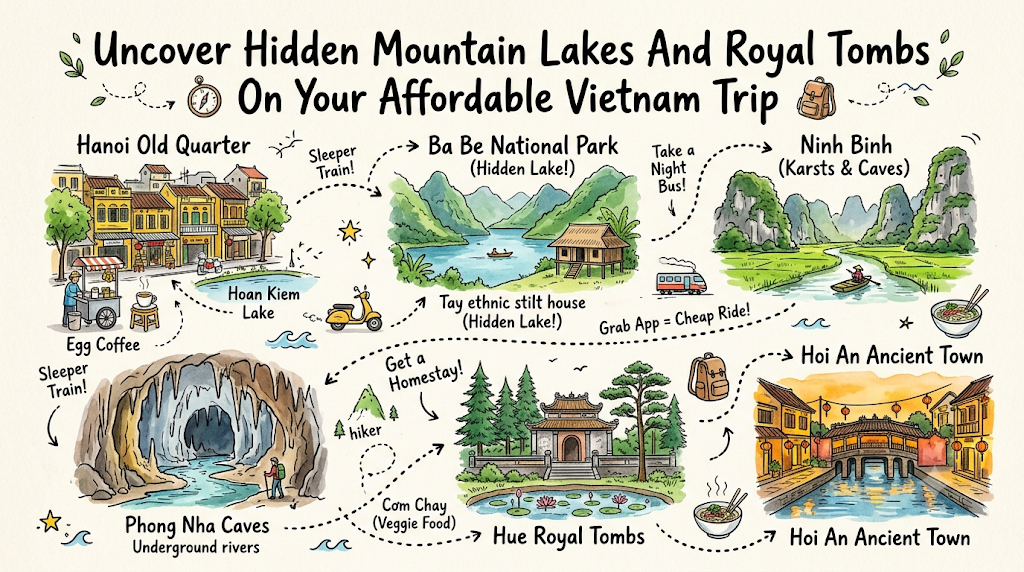
Introduction
Forget the sterile luxury resorts and overpriced tourist corridors that trade authentic cultural immersion for corporate convenience. Vietnam is a breathtaking tapestry of emerald rice terraces, lantern-lit ancient alleyways, and misty limestone karsts that welcome the mindful traveler without emptying their wallet. True exploration here means trading inflated westernized itineraries for steaming bowls of street-side pho, overnight sleeper trains, and warm encounters with local families. If you are a conscious explorer looking for deep roots and unforgettable memories on a modest budget, this Vietnamese journey offers the ultimate escape.
Why Vietnam is a must-visit city
Spanning a dramatic coastline from the mist-shrouded northern mountains to the tropical waterways of the Mekong Delta, Vietnam represents a masterclass in geographical and historical resilience. This Southeast Asian gem is a vital chapter in global travel, shaped by millennia of dynastic heritage, French colonial architecture, and a vibrant modern renaissance. Seamless modern connectivity, including budget sleeper buses, affordable domestic flights, and family-run homestays, ensures that every corner of this country remains accessible to backpackers and value-conscious wanderers.
The classic Vietnamese budget travel circuit blends historic northern capitals, lantern-lit central trading ports, and vibrant southern waterways into an affordable, seamless journey of discovery.
| Feature | Details |
| Primary Terrain | Limestone karsts, emerald valleys, coastal bays, and delta wetlands |
| Best Travel Windows | February to April (Spring) and August to October (Autumn) |
| Traveler Archetypes | Backpackers, culture seekers, solo nomads, and budget couples |
| Accessibility | Affordable sleeper trains, open-tour buses, and low-cost domestic flights |
Best Places or Experiences
Hanoi Old Quarter
Navigating the labyrinthine streets of Hanoi’s Old Quarter feels like stepping back into a centuries-old trading guild where each street is named after the specific craft once sold there. French colonial yellow-washed shophouses blend seamlessly with ancient Buddhist shrines, while low plastic stools spill onto pavements fragrant with simmering beef broth and fresh herbs. It is an intoxicating sensory immersion that forms the beating cultural heart of northern Vietnam.
- Location: Hoan Kiem district, central Hanoi; immediate walking distance from the city center.
- Why it is worth visiting: It offers an unchanged window into traditional mercantile life and legendary street food culture at rock-bottom prices.
- Best things to do: Sip traditional egg coffee at a hidden balcony cafe, hunt for vintage propaganda posters at Dong Xuan Market, and walk around Hoan Kiem Lake at dawn.
- Best time to visit: Early morning between 6:00 AM and 8:00 AM for peaceful lighting and authentic street vendor activity.
- Ideal for whom: Culture enthusiasts, street photography lovers, and budget foodies.
- Travel tip: Cross bustling intersections with a steady, predictable pace so motorbikes can smoothly weave around you without braking.
Hoi An Ancient Town
Tucked along the banks of the Thu Bon River, Hoi An is a mesmerizing living museum of glowing silk lanterns, Japanese merchant bridges, and weathered timber houses. Having survived centuries of trade shifts intact, this UNESCO World Heritage town glows amber every evening when thousands of handcrafted lanterns reflect off the gentle river currents. It is a haven for slow travel, bespoke tailoring, and inexpensive riverside dining.
- Location: Quang Nam province, central Vietnam; 30 km south of Da Nang international hub.
- Why it is worth visiting: It combines preserved maritime trading architecture with an unmatched pedestrian-friendly evening ambiance.
- Best things to do: Cycle through the surrounding Tra Que organic vegetable village, take a evening boat ride to release floating paper candles, and sample local Cao Lau noodles.
- Best time to visit: Late afternoon through evening (4:00 PM to 9:00 PM) when the glowing lantern lights transform the historic quarter.
- Ideal for whom: Couples, slow travelers, and architecture admirers.
- Travel tip: Purchase the heritage town entry ticket which includes access to five historical assembly halls and ancient merchant houses.
Ninh Binh Karst Landscapes
Often hailed as ‘Ha Long Bay on land,’ Ninh Binh features colossal limestone tower karsts erupting dramatically out of emerald paddy fields and winding river channels. Gliding through the echoing cave tunnels of Trang An on a hand-rowed sampan boat reveals a tranquil rural landscape completely untouched by mass commercial development. It is a peaceful, budget-friendly sanctuary for nature lovers.
- Location: Ninh Binh province, northern Vietnam; approx. 95 km south of Hanoi.
- Why it is worth visiting: It provides dramatic karst scenery and tranquil river valley explorations without the heavy crowds of coastal bays.
- Best things to do: Take a sampan boat tour through Tam Coc or Trang An caves, climb the 500 steps of Hang Mua viewpoint for panoramic views, and rent a bicycle through rural lanes.
- Best time to visit: May and June when the golden rice fields ripen against lush green karst backdrops.
- Ideal for whom: Nature photographers, budget hikers, and peace-seeking travelers.
- Travel tip: Hire a local bicycle from your homestay to navigate the flat countryside paths rather than paying for motorized taxis.
Phong Nha-Kẻ Bàng National Park
Home to some of the world’s largest and most awe-inspiring cave systems, Phong Nha features ancient karst topography riddled with subterranean rivers and colossal stalactite chambers. Despite its monumental scale, the region remains a paradise for independent backpackers, offering cheap jungle trekking excursions and easily navigable river caves.
- Location: Bo Trach district, Quang Binh province, central Vietnam; 45 km northwest of Dong Hoi.
- Why it is worth visiting: It houses untouched subterranean wonders and world-class cave exploration opportunities at a fraction of typical adventure costs.
- Best things to do: Explore the subterranean river of Phong Nha Cave by motorized boat, swim through the illuminated chambers of Dark Cave, and rent a scooter for scenic valley loops.
- Best time to visit: February to August during the dry season when river water levels are optimal for safe cave navigation.
- Ideal for whom: Cave explorers, budget backpackers, and outdoor thrill-seekers.
- Travel tip: Book cave expeditions directly with local community-run cooperatives in Phong Nha village to support grassroots conservation efforts.
Offbeat Exploration: Hidden Gems Tourists Miss
Ba Be National Park
Hidden away in the northern mountain province of Bac Kan, Ba Be Lake is a stunning freshwater jewel cradled by limestone peaks and dense primitive forests. Staying with local Tay ethnic minority families in traditional stilt houses offers an authentic glimpse into highland village life far off the mainstream tourist radar.
Hue Royal Tombs of Thieu Tri
While most tourists crowd into the main Hue Citadel, the serene rural tombs of lesser-known emperors like Thieu Tri lie quietly amid pine forests and lotus ponds. Exploring these weathered imperial sanctuaries provides a tranquil, crowd-free journey into Vietnam’s royal dynastic history.
Detailed Practical Guidance for Travelers
| Destination | Standard Entry Fee | General Timings | Best Local Food Options Nearby | Recommended Nearby Attractions |
| Hanoi Old Quarter | Free (Museums: 30,000–50,000 VND) | Open 24/7 (Shops: 8:00 AM – 9:00 PM) | Phở Gia Truyền, Bánh Mì 25, Egg Coffee | Hoan Kiem Lake, Hanoi Train Street |
| Hoi An Ancient Town | 120,000 VND (Heritage Ticket) | 7:00 AM – 9:30 PM | Bánh Mì Phượng, Cao Lau Ba Le, Chicken Rice | An Bang Beach, Tra Que Vegetable Village |
| Ninh Binh (Trang An) | 250,000 VND (Boat tour ticket) | 7:30 AM – 4:00 PM | Goat meat specialty dishes, Elderberry rice crust | Hang Mua Viewpoint, Bich Dong Pagoda |
| Phong Nha | 150,000 VND (Cave boat ticket) | 7:30 AM – 5:00 PM | Phong Nha vegan spring rolls, grilled river fish | Dark Cave, Paradise Cave, Botanic Garden |
Logistics & On-Ground Navigation
Local Transport Options
- Sleeper Trains: Clean, affordable berth cabins operated by Vietnam Railways connecting Hanoi, Danang, and Ho Chi Minh City overnight.
- Open-Tour Sleeper Buses: Budget-friendly long-distance coach networks linking major tourist towns with reclining seats and English-speaking booking agents.
- Grab App: The ubiquitous Southeast Asian ridesharing app offering transparent fixed pricing for motorbike taxis (GrabBike) and budget cars.
- Scooter Rentals: Widely available across towns for around 150,000 VND per day, perfect for independent valley exploration.
Budget Planning
- Backporter Tier (400,000 – 700,000 VND / $16 – $28 USD per day): Stays in social hostel dormitories, dines exclusively at local street food stalls and markets, and travels via local buses or trains.
- Mid-Range Comfort Tier (1,200,000 – 2,500,000 VND / $48 – $100 USD per day): Private air-conditioned hotel rooms, sit-down meals at boutique cafes, guided day tours, and comfortable Grab or shared shuttle transfers.
Safety and Inclusivity Tips
- For Families: Stick to pedestrian-friendly zones in Hoi An and Ninh Binh; keep children close when navigating busy traffic in Hanoi.
- For Couples: Choose cozy family-run garden homestays in Ninh Binh or Phong Nha for a romantic, quiet village atmosphere.
- General Safety: Watch out for light luggage snatching on crowded streets; always wear a securely fastened helmet when renting or riding motorbikes.
Strategic Travel Planning Guardrails
Travel Planning Tips for Destination
- Book domestic sleeper trains and budget flights a few weeks in advance during peak dry seasons to secure lower ticket tiers.
- Carry a healthy reserve of Vietnamese Dong in cash notes, as small family eateries and rural homestays do not accept card payments.
- Dress modestly with covered shoulders and knees when entering sacred pagodas and historical royal temples across Vietnam.
- Learn a few basic Vietnamese phrases like Xin chào (hello) and Cảm ơn (thank you) to immediately warm up local interactions.
- Pace your itinerary to include rest days, as tropical heat and bustling street noise can drain your physical energy quickly.
Common Mistakes to Avoid
- Packing your itinerary too tightly and failing to account for travel delays on winding mountain roads or railway lines.
- Skipping central Vietnam regions like Phong Nha or Ninh Binh in favor of rushing strictly between Hanoi and Ho Chi Minh City.
- Assuming cross-street traffic will naturally stop for pedestrians instead of maintaining a steady, predictable walking rhythm.
- Overpaying unmetered street taxis by failing to insist on using the official meter or booking through the Grab app.
- Ignoring street-level culinary vendors out of unwarranted hesitation, thereby missing the absolute pinnacle of Vietnamese gastronomy.
Suggested Itinerary Blueprints
- 3-Day Quick Dash (Hanoi & Ninh Binh Escapade): Tailored for time-crunched cultural explorers. Day 1 covers Hanoi Old Quarter street food walks and Hoan Kiem Lake. Day 2 features a day trip to Ninh Binh for a Trang An boat ride and Hang Mua hike. Day 3 includes a morning museum visit and souvenir shopping before departure.
- 7-Day Deep-Dive (Northern Heritage & Karst Trail): Perfect for nature and history lovers. Days 1-2 explore Hanoi’s architectural layers and night markets. Days 3-4 transition to Ninh Binh for deep valley cycling and river cave exploration. Days 5-7 head north to Ba Be Lake or Phong Nha for immersive jungle trekking and homestay living.
- Complete Weekend Travel Plan (Central Vietnam Loop): Designed for a Friday-to-Sunday cultural sprint. Friday starts with arrival in Da Nang and transfer to Hoi An for evening lantern walks. Saturday involves exploring the ancient town, tailor shops, and An Bang beach. Sunday features a morning trip to Marble Mountains before catching an evening departure.
Common Tourist Mistakes to Avoid
- Geographic Blunders: Trying to combine geographically opposed northern mountain loops and southern tropical deltas on the exact same day without domestic flights.
- Commercial Traps: Spending excessive vacation time in modernized shopping malls rather than authentic, atmospheric local night markets and craft villages.
- Neglecting Modern/Alternative Zones: Forgetting to explore the quieter, artistic cafe quarters popping up in residential alleyways of Hanoi and Da Nang.
- Transport Overpayment: Always cross-reference ride-sharing apps like Grab to ensure fair pricing before accepting rides from unmetered street drivers.
- Luxury Dining Bias: Missing out on local street-level noodle stalls and family-run canteens that deliver the true soul of Vietnamese cuisine.
Frequently Asked Questions
1. What is the most budget-friendly time of year to visit Vietnam?
The shoulder months of February to April and August to October offer the best balance of pleasant weather, lower accommodation rates, and manageable crowds. Traveling during these periods allows you to secure discounted sleeper train tickets and affordable family-run homestays without paying peak holiday markups.
2. Do I need an advance visa to enter Vietnam as a budget traveler?
Most international travelers require a visa or an electronic visa (E-visa) prior to arrival. You can easily apply for a 30-day or 90-day E-visa online through the official Vietnamese immigration portal for a small processing fee before booking your flights.
3. How can I travel between major cities in Vietnam on a strict budget?
Vietnam Railways operates clean and affordable overnight sleeper trains connecting major hubs like Hanoi, Hue, and Da Nang. Additionally, open-tour sleeper buses offer exceptionally cheap long-distance transit options between regional towns for backpackers and budget explorers.
4. Is street food in Vietnam safe for travelers with sensitive stomachs?
Yes, Vietnamese street food is remarkably fresh and safe as ingredients are prepared daily in high turnover. To stay healthy, choose busy stalls filled with local families, ensure meat and broths are served piping hot, and avoid raw uncooked tap water.
5. Are English speakers common in rural parts of Vietnam?
While English is widely spoken in major tourist centers like Hanoi Old Quarter and Hoi An, it is less common in remote rural valleys and mountain villages. Downloading an offline translation app and learning basic Vietnamese greetings will make navigating rural areas much smoother.
6. How much cash should I carry versus using digital payment apps?
While digital payments and QR codes are popular in modern city cafes and convenience stores, cash is still king across rural areas, markets, and family homestays. Always carry a secure supply of Vietnamese Dong in physical notes for daily expenses.
7. What are the best ways to avoid getting scammed by local transport drivers?
Always download the Grab app to check fair market rates for rides before hailing a taxi on the street. If using traditional taxis, insist that the driver turns on the meter or agree firmly on a fixed price before stepping inside.
8. What packing essentials are vital for an affordable Vietnamese adventure?
Pack lightweight, breathable cotton clothing, a sturdy waterproof rain jacket or poncho for sudden tropical showers, comfortable walking shoes for cobblestone streets, a universal power adapter, and a lightweight day pack for daily excursions.
9. How do I dress appropriately when visiting temples and sacred sites?
Visitors must dress modestly by ensuring their shoulders and knees are fully covered before entering pagodas, temples, and imperial monuments. Carrying a light sarong or scarf in your day pack is a quick and easy way to meet dress codes.
10. Can vegetarian and vegan travelers easily find affordable food options?
Yes, Vietnam has a rich Buddhist culinary tradition known as Chay. Vegetarian and vegan eateries (Cơm Chay) are widely available in every city and town, offering delicious, inexpensive plant-based noodle soups, rice plates, and tofu dishes.
11. Is it customary to leave tips at restaurants and homestays in Vietnam?
Tipping is not traditionally part of Vietnamese culture and is not expected at local street food stalls or casual eateries. However, leaving a small tip of 10,000 to 50,000 VND is deeply appreciated by tour guides, spa staff, and eco-lodge hosts.
12. How can I practice responsible and sustainable tourism while exploring Vietnam?
Support local communities by booking family-run homestays, purchasing authentic handicrafts directly from regional artisans, minimizing single-use plastics with a reusable bottle, and respecting local village customs during your travels.
Conclusion
Choosing an immersive, budget-friendly journey across Vietnam’s historic towns, emerald valleys, and misty limestone karsts offers a profound reward that standard luxury vacations cannot replicate. It challenges your perspectives, connects you with genuine local hospitality, and leaves you with unforgettable memories etched into ancient alleyways and mountain rivers. Step away from the crowds, embrace the vibrant street culture, and let this magnificent country redefine your approach to meaningful travel.
