MOTOSHARE 🚗🏍️
Rent Bikes & Cars Directly from Owners
Motoshare connects vehicle owners with people who need bikes and cars on rent. Owners earn from idle vehicles, and renters get flexible ride options.
Visit Motoshare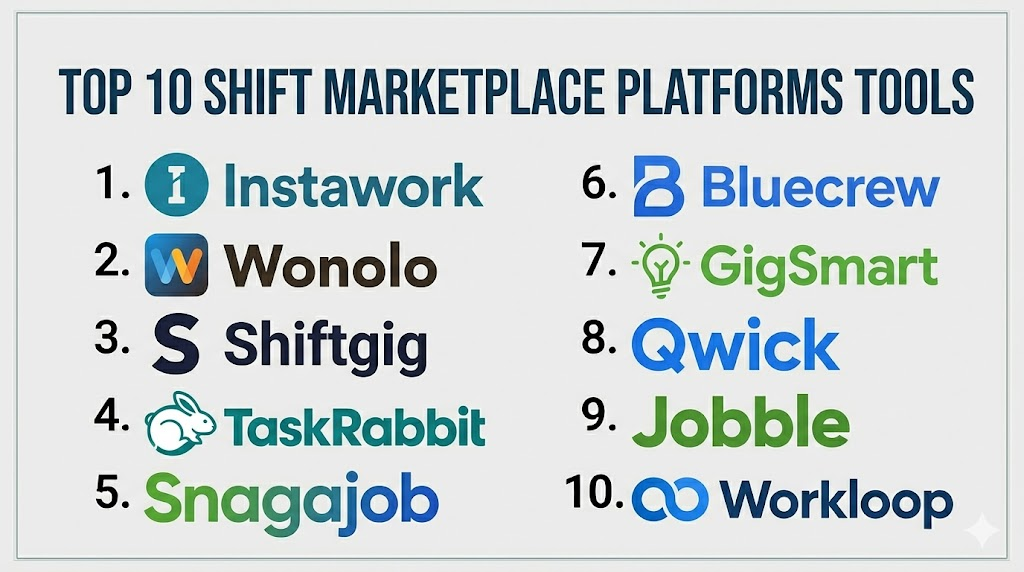
Introduction
Shift Marketplace Platforms are specialized marketplaces that connect businesses with on‑demand workers for hourly and shift‑based work. These platforms streamline scheduling, open shift fulfillment, workforce dispatch, communication, compliance, and payment processing. In , the rise of hybrid work, gig economy growth, and flexible staffing needs have made shift marketplaces a critical layer in workforce management—especially in industries with fluctuating labor demands like hospitality, healthcare, retail, logistics, and event services.
Real‑world use cases include:
- A restaurant filling last‑minute server or kitchen staff shifts during peak hours.
- A retail store sourcing extra floor associates for holiday or weekend demand.
- Healthcare facilities scheduling nurses and caregivers for flexible shifts.
- Warehouses managing fluctuating picker, packer, and forklift operator shifts.
- Event organizers securing staff for setup, customer service, or crowd control.
When evaluating Shift Marketplace Platforms, buyers should consider:
- Real‑time shift posting and worker matching capabilities
- Worker verification, certifications, and background checks
- Scheduling, communication, and time tracking tools
- Payment and compliance features (wages, tax reporting)
- Integration with workforce management, payroll, and HR systems
- Mobile worker experience and notification systems
- Geographic and industry coverage
- Pricing and platform fees
- Analytics on shift fulfillment and labor utilization
- Support, dispute resolution, and worker ratings
Best for: Retail, hospitality, healthcare, logistics, event services, seasonal businesses, and enterprises with high variability in labor demand that require flexible, compliant staffing.
Not ideal for: Businesses with stable full‑time staffing needs only; highly regulated roles requiring long training or ongoing supervision; internal referral staffing systems where external marketplaces do not add value.
Key Trends in Shift Marketplace Platforms
- AI and automation matching shifts with worker availability and skills.
- Real‑time labor supply visibility for urgent or last‑minute shift fulfillment.
- Mobile‑first worker experiences with push notifications, scheduling, and time tracking.
- Integrated compliance features for wage laws, tax reporting, and certifications.
- On‑demand payroll and payment systems including same‑day pay options.
- Dynamic pricing and incentives (surge pay, bonuses) tied to demand.
- Geofencing and location awareness for local shift fulfillment.
- API integrations with existing workforce and HR systems.
- Verification, background checks, and credential tracking for regulated roles.
- Analytics and labor cost optimization dashboards for managers.
How We Selected These Tools (Methodology)
- Market adoption, geographic reach, and worker base size.
- Core shift posting, worker matching, schedule management, and fulfillment capabilities.
- Reliability and performance in real‑world staffing scenarios.
- Security, compliance, and data protection posture.
- Integration flexibility with payroll, time tracking, and HR platforms.
- Fit across industries (hospitality, retail, logistics, healthcare, events).
- Mobile experience for both managers and workers.
- Support quality, onboarding assistance, and community resources.
- AI or algorithmic features for faster match rates and predictive demand.
- Pricing transparency and flexible fee models.
Top 10 Shift Marketplace Platforms Tools
1 — Instawork
Short description: Instawork is a shift‑based marketplace connecting businesses with vetted hourly workers in hospitality, warehousing, and light industrial roles. It focuses on real‑time shift fulfillment, flexible scheduling, and fast payments.
Key Features
- Real‑time shift posting and worker matching
- Worker verification and ratings
- Mobile worker scheduling and notifications
- Time clock and attendance tracking
- Integrated payment and tax processing support
- Analytics for shift fulfillment and labor trends
- Dynamic pay incentives
Pros
- Quick shift fulfillment for urgent needs
- Strong mobile‑first experience
- Built‑in worker ratings and verification
Cons
- Worker quality and availability vary by region
- Fees can be significant for small businesses
- Limited features outside core hourly roles
Platforms / Deployment
- Web, iOS, Android
- Cloud
Security & Compliance
- Encrypted worker and business data
- GDPR compliance
- Not publicly stated for SOC/ISO
Integrations & Ecosystem
Supports basic HR and payroll integrations.
- Time & attendance systems
- Payroll platforms
- Messaging and scheduling tools
Support & Community
- Online help center
- Email support
- Business user community forums
2 — Wonolo
Short description: Wonolo is a shift marketplace that connects frontline businesses with on‑demand workers for hourly work including warehousing, delivery, events, and retail. It emphasizes rapid fulfillment and flexible workforce scaling.
Key Features
- Rapid shift posting and job alerts
- Worker profiles with skills and availability
- Time tracking and check‑in/out features
- Payments and incentives management
- Analytics on shift fulfillment and costs
- Manager dashboard for scheduling
Pros
- Fast onboarding and shift fulfillment
- Flexible workforce scaling
- Clear worker availability visibility
Cons
- Coverage varies by city
- Pricing can increase during peak demand
- Limited integration ecosystem
Platforms / Deployment
- Web, iOS, Android
- Cloud
Security & Compliance
- Encrypted communications
- GDPR compliance
- Not publicly stated for SOC/ISO
Integrations & Ecosystem
Works with core workforce tools.
- Scheduling and calendar apps
- Messaging integrations
- Basic payroll connectors
Support & Community
- Help center resources
- Email/chat support
- User community discussions
3 — Shiftgig (now Snagajob’s shift marketplace)
Short description: Shiftgig provides a marketplace to post and fill hourly shifts in hospitality, foodservice, retail, and warehousing. It features tools for posting shifts, matching workers, managing availability, and tracking hours, often bundled with broader workforce services.
Key Features
- Shift posting and worker marketplace
- Availability and scheduling tools
- Worker ratings and skill badges
- Time tracking with GPS check‑in
- Basic payroll support
- Notifications and communication tools
Pros
- Strong presence in hospitality and service industries
- Simple shift posting and fulfillment process
- GPS‑enabled check‑in/out
Cons
- Limited analytics and reporting depth
- Integration options can be basic
- Worker pool varies regionally
Platforms / Deployment
- Web, iOS, Android
- Cloud
Security & Compliance
- Secure data handling
- GDPR compliance
- Not publicly stated for SOC/ISO
Integrations & Ecosystem
Integrates with standard workforce tools.
- Time tracking systems
- Payroll and HR tools
- Communication channels
Support & Community
- Online documentation
- Support via email/chat
- Business user resources
4 — TaskRabbit
Short description: TaskRabbit is a marketplace for on‑demand local services and shift work, particularly for household tasks, moving help, furniture assembly, and errands. It matches clients with verified service providers.
Key Features
- Local task shift posting
- Verified Taskers with background checking
- Hourly pricing transparency
- Messaging and scheduling tools
- Secure payment processing
- Ratings and reviews
Pros
- Strong local service focus
- Verified workers with background checks
- Clear cost structure
Cons
- Not ideal for traditional hourly labor roles like warehousing
- Regional availability varies
- Limited enterprise features
Platforms / Deployment
- Web, iOS, Android
- Cloud
Security & Compliance
- Background checks and verification
- Encrypted payments
- GDPR compliant
Integrations & Ecosystem
Supports scheduling and basic tools.
- Calendar integration
- Messaging platforms
- Basic scheduling connectors
Support & Community
- Help center
- Email/chat support
- Local Tasker communities
5 — Snagajob Marketplace
Short description: Snagajob serves as both a job posting site and shift marketplace for hourly work. It helps businesses find workers for open shifts, manage schedules, and track worker performance with ratings and availability.
Key Features
- Shift marketplace for hourly work
- Worker profiles and ratings
- Scheduling and availability management
- Messaging tools
- Employer dashboard
- Analytics on shift fulfillment
Pros
- Large pool of hourly job seekers
- Simple scheduling and communication tools
- Good fit for retail and service sectors
Cons
- Limited advanced automation
- Integration ecosystem is basic
- Premium analytics often extra
Platforms / Deployment
- Web, iOS, Android
- Cloud
Security & Compliance
- Secure data handling
- GDPR compliant
- Not publicly stated for SOC/ISO
Integrations & Ecosystem
Connects with fallback HR and scheduling tools.
- Calendar and shift boards
- Email and messaging systems
- Basic payroll connectors
Support & Community
- Knowledge base
- Email and chat support
- Community insights
6 — Bluecrew
Short description: Bluecrew is a shift marketplace and workforce provider that connects businesses with hourly workers in logistics, retail, and events. It emphasizes compliance, worker benefits, scheduling, and predictable workforce scaling.
Key Features
- Shift posting and job matching
- Worker verification and onboarding
- Time tracking and attendance
- Scheduling dashboards
- Benefits and worker support services
- Workforce analytics
Pros
- Built‑in workforce compliance focus
- Structured onboarding and support
- Strong analytics for managers
Cons
- Often more structured than typical gig platforms
- Cost can be higher
- Market coverage limited to certain regions
Platforms / Deployment
- Web, iOS, Android
- Cloud
Security & Compliance
- Encrypted systems
- GDPR compliant
- Not publicly stated for SOC/ISO
Integrations & Ecosystem
Supports workforce and payroll systems.
- Workforce management tools
- Payroll connectors
- Time & attendance systems
Support & Community
- Dedicated support
- Worker and manager resources
- Online documentation
7 — GigSmart
Short description: GigSmart provides a marketplace to fill hourly and contract work across industries such as healthcare, hospitality, and events. It emphasizes fast hiring, shift creation, and worker verification.
Key Features
- Rapid gig and shift posting
- Worker profiles with ratings
- Time tracking and check‑in/out
- Communication tools
- Incentive and pay control
- Analytics for fulfillment
Pros
- Fast matching for urgent shift needs
- Worker verification and ratings
- Flexible pay options
Cons
- Integration ecosystem is basic
- Worker availability varies
- Limited deep enterprise features
Platforms / Deployment
- Web, iOS, Android
- Cloud
Security & Compliance
- Secure payments
- GDPR compliant
- Not publicly stated for SOC/ISO
Integrations & Ecosystem
Connects with time and payroll tools.
- Time systems
- Payroll integration
- Messaging platforms
Support & Community
- Help resources
- Online support
- Community feedback
8 — Qwick
Short description: Qwick is a marketplace specializing in hospitality and foodservice shifts, connecting restaurants, hotels, and catering companies with pre‑qualified workers for flexible hourly work.
Key Features
- Sector‑specific shift marketplace
- Worker vetting and certifications
- Scheduling and availability tools
- Same‑day pay options
- Ratings and feedback
- Messaging and notifications
Pros
- Highly relevant for hospitality staffing
- Same‑day pay attracts quality workers
- Strong vetting
Cons
- Focus limited to hospitality/foodservice
- Availability varies by market
- Fewer general workforce features
Platforms / Deployment
- Web, iOS, Android
- Cloud
Security & Compliance
- Encrypted payments
- GDPR compliant
- Not publicly stated for SOC/ISO
Integrations & Ecosystem
Works with payroll and scheduling systems.
- Payroll connectors
- Time systems
- Messaging tools
Support & Community
- Email support
- Knowledge base
- Local market resources
9 — Jobble
Short description: Jobble is a marketplace for shift‑based work across retail, events, logistics, and services. It supports real‑time posting, workforce matching, communication, and reporting for hourly shifts.
Key Features
- Shift posting and matching
- Worker profiles and ratings
- Messaging and scheduling
- Time tracking
- Analytics on labor utilization
- Payment and payroll tools
Pros
- Wide industry coverage
- Real‑time matching capabilities
- Solid reporting features
Cons
- Integration ecosystem can be basic
- Worker pool varies by region
- Mobile experience can lag competitors
Platforms / Deployment
- Web, iOS, Android
- Cloud
Security & Compliance
- Secure systems
- GDPR compliant
- Not publicly stated for SOC/ISO
Integrations & Ecosystem
Supports workforce and payroll connectors.
- Payroll systems
- Scheduling tools
- Messaging platforms
Support & Community
- Help center
- Online resources
- Support channels
10 — Workloop
Short description: Workloop provides shift marketplace and workforce management features including shift posting, worker matching, scheduling automation, and integration with HR and payroll systems for hourly labor operations.
Key Features
- Shift marketplace and fulfillment
- Scheduling automation
- Worker ratings and verification
- Time tracking and attendance
- Integration support
- Analytics dashboards
Pros
- Combines marketplace with workforce automation
- Strong scheduling tools
- Integration‑ready
Cons
- Market presence smaller than some competitors
- Worker pool size varies
- Pricing transparency can vary
Platforms / Deployment
- Web, iOS, Android
- Cloud
Security & Compliance
- Secure data handling
- GDPR compliant
- Not publicly stated for SOC/ISO
Integrations & Ecosystem
Connects with workforce tech.
- Payroll connectors
- Time & attendance systems
- HRIS integrations
Support & Community
- Online support
- Documentation
- Business user resources
Comparison Table (Top 10)
| Tool Name | Best For | Platform(s) Supported | Deployment | Standout Feature | Public Rating |
|---|---|---|---|---|---|
| Instawork | Hospitality, Logistics | Web, iOS, Android | Cloud | Real‑time shift matching | N/A |
| Wonolo | Retail, Events | Web, iOS, Android | Cloud | Rapid fulfillment | N/A |
| Shiftgig | Hospitality & Service | Web, iOS, Android | Cloud | GPS check‑in | N/A |
| TaskRabbit | Local tasks/shifts | Web, iOS, Android | Cloud | Verified local workers | N/A |
| Snagajob Marketplace | Hourly retail/work | Web, iOS, Android | Cloud | Large hourly talent pool | N/A |
| Bluecrew | Compliance‑focused | Web, iOS, Android | Cloud | Workforce compliance tools | N/A |
| GigSmart | Broad hourly work | Web, iOS, Android | Cloud | Fast shift matching | N/A |
| Qwick | Hospitality/foodservice | Web, iOS, Android | Cloud | Same‑day pay | N/A |
| Jobble | Multi‑industry hourly | Web, iOS, Android | Cloud | Reporting & analytics | N/A |
| Workloop | Workforce automation | Web, iOS, Android | Cloud | Scheduling automation | N/A |
Evaluation & Scoring of Shift Marketplace Platforms
| Tool Name | Core (25%) | Ease (15%) | Integrations (15%) | Security (10%) | Performance (10%) | Support (10%) | Value (15%) | Weighted Total |
|---|---|---|---|---|---|---|---|---|
| Instawork | 9 | 8 | 7 | 8 | 8 | 8 | 7 | 8.1 |
| Wonolo | 8 | 8 | 6 | 7 | 8 | 7 | 7 | 7.6 |
| Shiftgig | 8 | 7 | 6 | 7 | 7 | 7 | 7 | 7.3 |
| TaskRabbit | 7 | 9 | 6 | 8 | 7 | 7 | 7 | 7.5 |
| Snagajob | 8 | 8 | 6 | 7 | 8 | 7 | 7 | 7.7 |
| Bluecrew | 8 | 7 | 7 | 8 | 8 | 8 | 6 | 7.7 |
| GigSmart | 8 | 7 | 6 | 7 | 8 | 7 | 7 | 7.4 |
| Qwick | 8 | 8 | 6 | 7 | 8 | 7 | 7 | 7.6 |
| Jobble | 8 | 7 | 6 | 7 | 8 | 7 | 7 | 7.4 |
| Workloop | 8 | 7 | 7 | 7 | 8 | 7 | 7 | 7.6 |
Interpretation: These scores reflect comparative strength across core features, usability, integrations, security, performance, support, and value. Higher totals indicate broader capability but do not guarantee the best choice for every use case; industry fit and geographic coverage matter.
Which Shift Marketplace Platforms Tool Is Right for You?
Solo / Small Business
- TaskRabbit or Instawork: easy onboarding and quick fulfillment for local or small‑scale hourly needs.
SMB
- Snagajob Marketplace, Wonolo, or Qwick: balanced shift fulfillment, scheduling, and mobile tools suited for retail, hospitality, or service sectors.
Mid‑Market
- Instawork, Bluecrew, or Workloop: stronger compliance, scheduling automation, and workforce analytics.
Enterprise
- Instawork Enterprise, Bluecrew, or Workloop: integration‑ready platforms with compliance and analytics for complex, high‑volume staffing.
Budget vs Premium
- Budget‑friendly: TaskRabbit, Wonolo, Qwick
- Premium & Enterprise: Instawork, Bluecrew, Workloop
Feature Depth vs Ease of Use
- Deep feature sets: Instawork, Bluecrew, Workloop
- Easiest to use quickly: TaskRabbit, Wonolo
Integrations & Scalability
- Enterprise platforms offer APIs and payroll/HR integrations.
- SMB tools may focus on basic scheduling and notifications.
Security & Compliance Needs
- Encrypted data, compliance with local labor laws, and integrated tax reporting are critical.
- Platforms like Bluecrew emphasize structured compliance support.
Frequently Asked Questions (FAQs)
1. What pricing models are common for shift marketplaces?
Platforms typically charge commission or subscription fees based on shift volume or workforce size. Some may offer custom enterprise pricing. Additional charges might apply for premium analytics, payroll integration, or compliance features.
2. How quickly can shifts be filled?
Fill times vary by location, industry, and worker availability. Urban centers and hospitality sectors often see faster fulfillment on platforms like Instawork, Wonolo, or Snagajob Marketplace.
3. How do worker verifications work?
Verifications may include identity checks, background screening, certifications, and ratings from prior shifts. Some platforms offer limited checks, while others provide deeper credential tracking for regulated roles.
4. How secure are payments and worker data?
Shift marketplace platforms use encryption, secure authentication, and compliance procedures for handling worker and business data. GDPR compliance is common; SOC 2 and ISO certifications are less commonly publicly documented.
5. Can these platforms support enterprise compliance?
Yes, select marketplace platforms include compliance tools for wage laws, overtime rules, tax reporting, and credential tracking, which are critical in regulated industries such as healthcare or logistics.
6. How do platforms handle time tracking and attendance?
Most shift marketplaces provide built‑in mobile time clocks, GPS check‑in/out, or integrations with attendance systems. This helps businesses accurately record hours worked and manage payroll.
7. Can these tools integrate with HR or payroll systems?
Many shift marketplaces support integrations with payroll and workforce systems to automate pay cycles and labor reporting. Availability varies by platform and enterprise requirements.
8. What are common mistakes when using shift marketplaces?
- Not clearly specifying shift requirements
- Ignoring local labor compliance needs
- Underestimating peak demand pricing
- Failing to verify worker skills or certifications
- Not leveraging analytics for labor planning
9. Are these platforms suitable for remote shift work?
Most focus on on‑site, location‑dependent work; remote shift work is less common except where service roles can be performed online. Evaluate tool fit based on physical location needs.
10. What are alternatives to dedicated shift marketplaces?
Alternatives include internal staffing agencies, employee referral and scheduling systems, traditional temp agencies, or workforce management modules in HR software—though they may lack on‑demand marketplace reach.
Conclusion
Shift Marketplace Platforms fill a critical niche in by providing businesses with flexible, on‑demand access to hourly and shift‑based talent. From hospitality to retail, logistics to healthcare, these platforms enable faster shift fulfillment, better workforce visibility, and built‑in compliance tools. Selection should hinge on industry needs, geographic coverage, integration requirements, and the balance between ease of use and advanced features.
