MOTOSHARE 🚗🏍️
Rent Bikes & Cars Directly from Owners
Motoshare connects vehicle owners with people who need bikes and cars on rent. Owners earn from idle vehicles, and renters get flexible ride options.
Visit Motoshare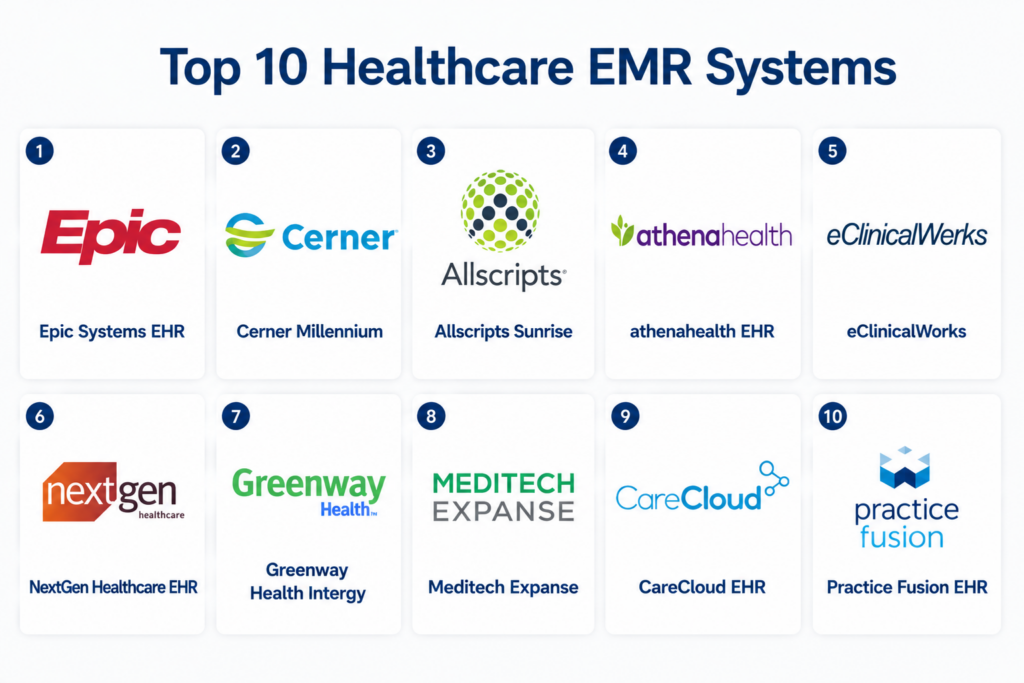
Introduction
Electronic Medical Record (EMR) systems are software platforms that digitize patient records, clinical workflows, and administrative data within healthcare facilities. Unlike paper charts, EMRs centralize clinical notes, medication histories, laboratory results, treatment plans, and care documentation, enabling more efficient, accurate, and secure patient care delivery. Modern EMR systems also support billing, scheduling, analytics, and interoperability with external health information systems.In the context of healthcare organizations face mounting pressure to improve care quality, reduce costs, streamline reporting, and support telehealth. EMR systems have become foundational to these goals by enabling real‑time access to patient data, enhancing care coordination, and providing analytics for population health management.
Real‑world use cases:
- Primary care clinics tracking longitudinal patient histories and preventive care.
- Specialty practices managing complex chronic disease treatments and referrals.
- Hospitals coordinating inpatient care, orders, and interdepartmental workflows.
- Ambulatory care networks synchronizing patient data across multiple sites.
- Telemedicine providers integrating virtual encounter data with clinical records.
Evaluation Criteria for Buyers:
- Patient charting and documentation flexibility
- Order entry (CPOE) and clinical decision support
- Scheduling and patient flow management
- Interoperability with labs, imaging, and health information exchanges
- Billing and revenue cycle management
- Usability and workflow customization
- Security, access control, and audit logging
- Compliance with standards (HIPAA, data protection norms)
- Analytics and reporting
- Support and training resources
Best for: Physicians, nurses, clinical administrators, ambulatory care providers, hospitals, and integrated health systems seeking unified patient record management, streamlined workflows, and regulatory compliance.
Not ideal for: Small practices that rely on minimal documentation or alternative note systems, or facilities that need only specialized niche documentation (e.g., simple appointment tracking) without clinical charting.
Key Trends in Healthcare EMR Systems
- Interoperability Emphasis: Increased adoption of standards (FHIR, HL7) for data exchange across health systems and apps.
- AI‑Assisted Clinical Documentation: Natural language processing to streamline note entry and reduce clinician burden.
- Telehealth Integration: Built‑in or connected virtual care modules tying encounter data to patient records.
- Patient Engagement Tools: Portals, messaging, and remote monitoring data linked to EMRs.
- Mobile Access: Clinician mobile interfaces for point‑of‑care charting and tasks.
- Advanced Analytics: Population health dashboards, risk stratification, and quality metric tracking.
- Cloud‑Native Deployment Models: SaaS EMRs for scalability and reduced infrastructure overhead.
- Voice and Ambient Documentation: Using voice capture and real‑time transcription.
- Security & Privacy Enhancements: Encryption, zero‑trust architectures, and behavioral analytics.
- Usability & Workflow Customization: Templates and UI personalization to fit specialties.
How We Selected These Tools (Methodology)
- Market presence and adoption in general practice, hospitals, and specialty care.
- Core EMR capabilities (charting, order entry, clinical workflows).
- Interoperability and integration with labs, imaging, and health information exchanges.
- Cloud and on‑premise deployment options.
- Security posture and compliance controls.
- Analytics, reporting, and population health features.
- Support, training, and community engagement.
- Scalability for multi‑site deployments.
- Customization and specialty template support.
- Vendor roadmap toward AI and telehealth integration.
Top 10 Healthcare EMR Systems
#1 — Epic EMR
Short description:
Epic is an enterprise‑grade EMR used by large hospitals, health systems, and integrated care networks to manage comprehensive clinical, administrative, and billing operations in one platform.
Key Features
- Unified patient chart with longitudinal record
- Order entry (CPOE) and clinical decision support
- Scheduling, throughput, and capacity modules
- Revenue cycle management
- Interoperability via care exchange networks
- Telehealth and patient portal integration
Pros
- Highly scalable for large health systems
- Robust interoperability features
- Wide adoption across care continuum
Cons
- High implementation cost and complexity
- Longer training and onboarding
- Requires dedicated IT staff
Platforms / Deployment
- Web, Desktop
- Cloud, On‑prem
Security & Compliance
- SSO/MFA, encryption, RBAC
- HIPAA compliance mechanisms
Integrations & Ecosystem
Epic connects with labs, imaging, pharmacies, HIEs, and analytics tools.
- Health Information Exchange (HIE) networks
- Telehealth modules
- Revenue cycle and billing partners
Support & Community
- Dedicated support teams
- Large user community networks
- Extensive documentation
#2 — Cerner Millennium
Short description:
Cerner Millennium is a robust EMR platform tailored for hospitals and large care networks, emphasizing interoperability and clinical workflow optimization.
Key Features
- Comprehensive charting and documentation
- Orders, results, and care pathways
- Integrated population health tools
- Revenue cycle and billing
- Connectivity with external systems
- Data analytics and clinical insights
Pros
- Strong interoperability foundation
- Scalable for multi‑department use
- Deep data model for analytics
Cons
- Customization may require professional services
- User interface criticized for complexity
- Onboarding time is significant
Platforms / Deployment
- Web, Desktop
- Cloud, On‑prem
Security & Compliance
- Encryption at rest and transit
- HIPAA compliance built in
Integrations & Ecosystem
- Lab and imaging interfaces
- Pharmacy and specialty modules
- Population health connectors
Support & Community
- Vendor support tiers
- User groups and forums
- Training programs
#3 — Allscripts EMR
Short description:
Allscripts provides EMR solutions for ambulatory care, specialty practices, and hospitals with integrated practice management and patient engagement tools.
Key Features
- Patient charting and clinical workflows
- Scheduling and practice management
- Patient portal and engagement tools
- Decision support and alerts
- Billing and revenue cycle modules
Pros
- Flexible for ambulatory and specialty care
- Good practice management integration
- Cloud options available
Cons
- Feature depth varies by module
- Support responsiveness can vary
- Workflow customization has limits
Platforms / Deployment
- Web, Desktop
- Cloud, On‑prem
Security & Compliance
- Encryption and access control
- HIPAA compliant
Integrations & Ecosystem
- Lab and imaging connections
- Third‑party patient apps
- APIs for custom integrations
Support & Community
- Support tiers available
- Documentation library
- User forums
#4 — eClinicalWorks
Short description:
eClinicalWorks is a cloud‑centric EMR with strong focus on ambulatory care, telemedicine, and patient engagement modules.
Key Features
- Clinical documentation and charting
- Telehealth integrated workflows
- Patient portal and messaging
- Reporting and quality metrics
- Population health tools
- Practice management
Pros
- Integrated telehealth capabilities
- Cost‑effective for smaller practices
- Cloud‑first approach
Cons
- Steeper learning curve for some workflows
- Custom reports may require expertise
- Support experience varies
Platforms / Deployment
- Web, Desktop
- Cloud
Security & Compliance
- Encryption and compliance controls
- HIPAA support
Integrations & Ecosystem
- Lab and imaging results
- Billing and payment systems
- Third‑party apps via API
Support & Community
- Training and documentation
- Community forums
#5 — athenahealth EMR
Short description:
athenahealth’s EMR is a cloud‑native solution emphasizing ease of use, real‑time care insights, and integrated billing workflows for ambulatory providers.
Key Features
- Cloud EMR with real‑time documentation
- Integrated revenue cycle services
- Patient engagement tools
- Scheduling and reminders
- Analytics and insights dashboards
Pros
- Easy cloud deployment
- Strong revenue cycle support
- Good usability for outpatient settings
Cons
- Less suited for large hospitals
- Customization is limited
- Some advanced features require add‑ons
Platforms / Deployment
- Web
- Cloud
Security & Compliance
- SSO/MFA, encryption
- HIPAA compliance structures
Integrations & Ecosystem
- Lab and imaging interfaces
- Third‑party clinician apps
- Data export APIs
Support & Community
- Vendor support tiers
- Self‑service knowledge base
#6 — Meditech EMR
Short description:
Meditech provides an EMR platform that spans hospitals and ambulatory sites with a unified clinical and administrative record.
Key Features
- Integrated clinical documentation
- CPOE and results tracking
- Scheduling and registration
- Billing and revenue cycle
- Patient portal
Pros
- Unified record across settings
- Good for community hospitals
- Comprehensive suite
Cons
- UI feels dated by some users
- Customization options vary
- Smaller third‑party ecosystem
Platforms / Deployment
- Web, Desktop
- Cloud, On‑prem
Security & Compliance
- Encryption, access control
- HIPAA compliance
Integrations & Ecosystem
- Lab and imaging interfaces
- Pharmacy systems
- Reporting tools
Support & Community
- Vendor support
- Documentation and forums
#7 — NextGen Healthcare EMR
Short description:
NextGen Healthcare offers EMR and practice management systems targeting ambulatory care, specialty clinics, and integrated practices.
Key Features
- Charting and notes templates
- Scheduling and reminders
- Patient portal and engagement
- Billing and claims management
- Analytics and reporting
Pros
- Strong ambulatory focus
- Good specialty templates
- Cloud and on‑prem options
Cons
- Learning curve for advanced features
- Configuration can be complex
- Smaller ecosystem than enterprise EMRs
Platforms / Deployment
- Web, Desktop
- Cloud, On‑prem
Security & Compliance
- Encryption, access control
- HIPAA support
Integrations & Ecosystem
- Lab and imaging interfaces
- Billing partners
- API connections
Support & Community
- Support tiers
- Documentation and training
#8 — Greenway Health EMR
Short description:
Greenway’s EMR platform is designed for ambulatory practices with integrated practice management and care coordination tools.
Key Features
- Clinical charting modules
- Scheduling and patient flow management
- Practice management and billing
- Quality reporting
- Patient engagement tools
Pros
- Integrated PM and EMR
- Specialty templates available
- Good reporting tools
Cons
- Support experience varies
- Feature set may lag larger EMRs
- Customization beyond defaults is limited
Platforms / Deployment
- Web, Desktop
- Cloud, On‑prem
Security & Compliance
- Encryption and access control
- HIPAA compliance
Integrations & Ecosystem
- Lab and imaging data
- Billing systems
- API support
Support & Community
- Support tiers
- Documentation
#9 — CareCloud EMR
Short description:
CareCloud EMR is a modern, cloud‑centric EMR emphasizing usability, analytics, and practice performance dashboards.
Key Features
- Clinical documentation
- CareCloud analytics dashboards
- Scheduling and patient communication
- Revenue cycle integration
- Patient portal
Pros
- Clean modern interface
- Cloud‑centric and scalable
- Analytics and practice insights
Cons
- Smaller install base
- Some advanced clinical modules require add‑ons
- Integration outside core modules may be limited
Platforms / Deployment
- Web
- Cloud
Security & Compliance
- Encryption, secure access
- HIPAA support
Integrations & Ecosystem
- Lab results
- Billing systems
- Third‑party widgets via API
Support & Community
- Vendor support
- Online documentation
#10 — eMDs EMR
Short description:
eMDs EMR provides ambulatory EMR and revenue cycle management tools focused on outpatient settings and specialty care.
Key Features
- Clinical charting and documentation
- Scheduling and reminders
- Billing and claims capture
- Patient engagement
- Analytics tools
Pros
- Integrated practice and clinical tools
- Specialty‑focused features
- Cloud and on‑prem options
Cons
- Smaller footprint compared to enterprise EMRs
- Support performance varies
- UI may feel dated
Platforms / Deployment
- Web, Desktop
- Cloud, On‑prem
Security & Compliance
- Encryption and access control
- HIPAA support
Integrations & Ecosystem
- Lab and imaging interfaces
- Third‑party billing partners
- API support
Support & Community
- Support tiers
- Documentation
Comparison Table (Top 10)
| Tool Name | Best For | Platform(s) Supported | Deployment | Standout Feature | Public Rating |
|---|---|---|---|---|---|
| Epic EMR | Large health systems | Web, Desktop | Cloud, On‑prem | Unified clinical & admin | N/A |
| Cerner Millennium | Multi‑department hospitals | Web, Desktop | Cloud, On‑prem | Interoperability | N/A |
| Allscripts EMR | Ambulatory & specialty | Web, Desktop | Cloud, On‑prem | PM & EMR integration | N/A |
| eClinicalWorks | Ambulatory & telehealth | Web, Desktop | Cloud | Telehealth & portal | N/A |
| athenahealth EMR | Outpatient practices | Web | Cloud | Revenue cycle support | N/A |
| Meditech EMR | Community hospitals | Web, Desktop | Cloud, On‑prem | Unified record | N/A |
| NextGen Healthcare EMR | Specialty & ambulatory | Web, Desktop | Cloud, On‑prem | Specialty templates | N/A |
| Greenway Health EMR | Ambulatory practices | Web, Desktop | Cloud, On‑prem | Integrated PM | N/A |
| CareCloud EMR | Modern ambulatory | Web | Cloud | Analytics dashboards | N/A |
| eMDs EMR | Outpatient & specialty | Web, Desktop | Cloud, On‑prem | Practice + clinical tools | N/A |
Evaluation & Scoring of Healthcare EMR Systems
| Tool Name | Core (25%) | Ease (15%) | Integrations (15%) | Security (10%) | Performance (10%) | Support (10%) | Value (15%) | Weighted Total |
|---|---|---|---|---|---|---|---|---|
| Epic EMR | 10 | 6 | 10 | 9 | 9 | 8 | 6 | 8.90 |
| Cerner Millennium | 9 | 6 | 9 | 9 | 8 | 7 | 6 | 8.30 |
| Allscripts EMR | 8 | 7 | 8 | 8 | 7 | 7 | 7 | 7.75 |
| eClinicalWorks | 8 | 7 | 7 | 8 | 7 | 7 | 7 | 7.65 |
| athenahealth EMR | 8 | 8 | 7 | 9 | 8 | 7 | 7 | 7.85 |
| Meditech EMR | 8 | 7 | 7 | 8 | 7 | 7 | 7 | 7.65 |
| NextGen Healthcare EMR | 7 | 7 | 7 | 8 | 7 | 7 | 7 | 7.40 |
| Greenway Health EMR | 7 | 7 | 7 | 8 | 7 | 7 | 7 | 7.35 |
| CareCloud EMR | 7 | 8 | 7 | 8 | 7 | 7 | 7 | 7.40 |
| eMDs EMR | 7 | 7 | 7 | 8 | 7 | 7 | 7 | 7.25 |
Interpreting Scores:
These weighted totals show how each EMR balances core clinical functionality, usability, integration capability, security compliance, performance, support, and value. Higher totals indicate systems suited for comprehensive, scalable healthcare environments, while moderate scores fit focused ambulatory or specialty use.
Which Healthcare EMR System Is Right for You?
Solo / Small Practice
- athenahealth EMR, eClinicalWorks, or CareCloud EMR offer cloud ease, good usability, and integrated revenue cycle tools without enterprise complexity.
Ambulatory & Specialty Clinics
- Allscripts EMR, NextGen Healthcare EMR, or Greenway Health EMR provide specialty templates and practice management integration.
Mid‑Size Hospitals
- Meditech EMR or eMDs EMR balance clinical breadth with community hospital needs.
Large Health Systems & Multi‑Site Networks
- Epic EMR and Cerner Millennium deliver deep interoperability, scalability, and clinical decision support across departments.
Budget vs Premium
- Budget: CareCloud EMR, athenahealth EMR, Greenway Health EMR
- Premium: Epic EMR, Cerner Millennium
Usability vs Feature Depth
- Cloud‑native systems (athenahealth, CareCloud) emphasize ease and onboarding, while enterprise EMRs (Epic, Cerner) provide comprehensive clinical tools with steeper learning curves.
Interoperability & Scalability
- Enterprise systems lead in interoperability and cross‑site coordination. Mid‑range EMRs support HIE connectivity and third‑party integrations.
Security & Compliance Needs
- All leading EMRs support encryption, RBAC, audit logs, and HIPAA compliance, crucial for patient data protection and regulatory adherence.
Frequently Asked Questions (FAQs)
1. What is the difference between EMR and EHR?
EMR (Electronic Medical Record) typically refers to digital records within a single clinic or hospital, while EHR (Electronic Health Record) emphasizes patient data sharing across organizations and care settings.
2. How long does it take to implement an EMR system?
Implementation varies; small practices may launch cloud EMR in weeks, while large hospitals often require months of configuration, testing, and training.
3. Are EMR systems secure?
Reputable EMRs use encryption, secure access controls, audit trails, and compliance monitoring. However, data governance and staff training are equally critical.
4. Do EMRs support telehealth?
Many modern EMRs include or integrate with telehealth modules, linking virtual encounter data directly into the patient chart.
5. Can EMRs exchange data with other systems?
Yes; FHIR, HL7, and APIs enable data exchange with labs, pharmacies, imaging, health information exchanges, and patient apps.
6. How do EMRs support billing?
EMRs often tie into practice management and revenue cycle modules, automating claims submission, coding support, and payment tracking.
7. Do EMRs work with mobile devices?
Many EMRs provide mobile access for clinicians to review charts, enter notes, and view alerts securely at the point of care.
8. What are common challenges with EMR adoption?
Challenges include clinician training, workflow redesign, data migration, and balancing customization with usability.
9. How do EMRs assist population health?
EMRs provide dashboards, quality measure tracking, risk stratification, and reporting tools to identify care gaps and manage cohorts.
10. Are cloud EMRs better than on‑prem?
Cloud EMRs reduce infrastructure costs and simplify updates but may raise data governance and network dependency considerations. On‑prem gives more control but requires IT investment.
Conclusion
Healthcare EMR systems are critical to improving care quality, enhancing clinician workflows, and delivering connected patient experiences. Choosing the right EMR depends on practice size, care settings, interoperability needs, and budget. Cloud‑native options like athenahealth EMR, CareCloud EMR, or eClinicalWorks suit small to mid‑sized clinics seeking ease and integrated billing, while enterprise platforms like Epic EMR and Cerner Millennium deliver scale, deep interoperability, and advanced clinical support for hospitals and multi‑site networks. Start by shortlisting systems that match your clinical workflows, run pilot workflows, validate integrations with labs and imaging, and confirm compliance and security before full deployment to ensure successful adoption and measurable care improvements.
