MOTOSHARE 🚗🏍️
Rent Bikes & Cars Directly from Owners
Motoshare connects vehicle owners with people who need bikes and cars on rent. Owners earn from idle vehicles, and renters get flexible ride options.
Visit Motoshare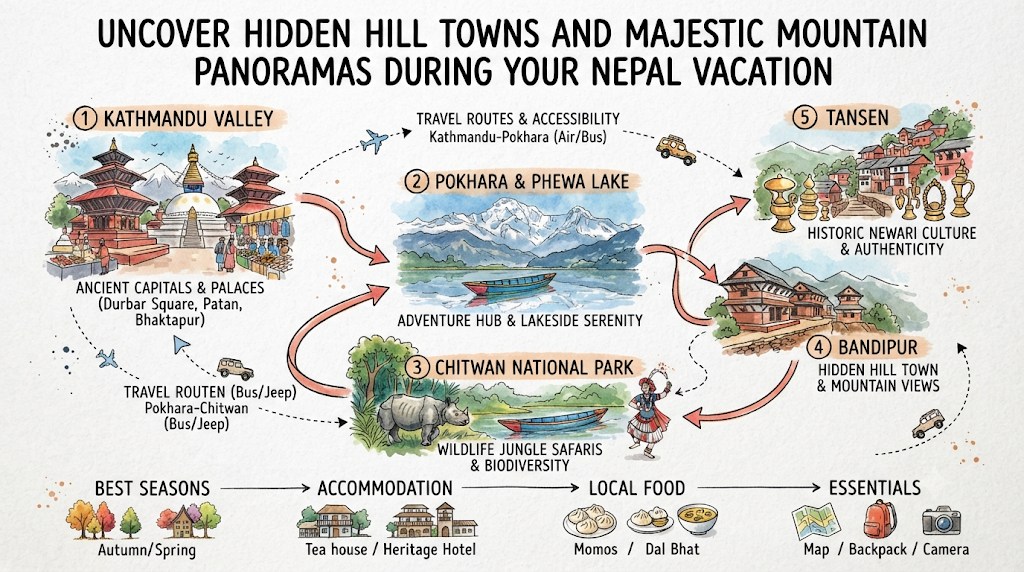
Introduction
Step away from predictable, cookie-cutter holiday packages and overcrowded resorts that leave you feeling like just another tourist. Just across India’s northern border lies Nepal, a mesmerizing Himalayan sanctuary where ancient kingdoms, misty mountain trails, and deeply rooted spiritual traditions invite authentic connection. Trading concrete highways for pine-scented mountain air opens the door to a soul-stirring journey that feels both wonderfully timeless and deeply refreshing.
Why Nepal is a must-visit city
Nepal represents an extraordinary intersection of ancient history, jaw-dropping Himalayan geography, and vibrant living culture. As a cornerstone of cross-border travel from India, it bridges iconic mountain lore with accessible overland highways, seamless rail connections to border towns, and warm hospitality for every traveler archetype. From heritage seekers to alpine trekkers, this neighboring Himalayan nation delivers an unforgettable chapter in exploration.
The quintessential Nepal travel circuit weaves ancient Newari plazas, wildlife-rich sub-tropical lowlands, and towering snow-capped summits into a harmonious itinerary.
| Feature | Details |
| Primary Terrain | Himalayan alpine peaks, verdant river valleys, and fertile terai plains |
| Best Travel Windows | September to November (Autumn) and March to May (Spring) |
| Traveler Archetypes | Cultural explorers, spiritual seekers, and Himalayan trekkers |
| Accessibility | Direct flights to Kathmandu, scenic cross-border road links, and trains to Gorakhpur or Raxaul |
Best Places or Experiences
Kathmandu Durbar Square
Carved wooden struts, multi-tiered pagoda temples, and bustling brick courtyards define the historic heart of Kathmandu Durbar Square. This UNESCO World Heritage site stands as a testament to the artistic genius of the Malla kings, showcasing centuries of intricate craftsmanship and living Hindu and Buddhist rituals. Monks chant in hidden courtyards while artisans shape brass idols just footsteps away from ancient royal palaces.
- Location: Central Kathmandu; 6 km from Tribhuvan International Airport.
- Why it is worth visiting: It serves as the historic and architectural soul of Nepal’s medieval royal heritage.
- Best things to do: Explore the Kumari Bahal to catch a glimpse of the living goddess, inspect intricate wood carvings on the Kasthamandap temple, and sip spiced milk tea in a traditional rooftop cafe.
- Best time to visit: Early morning between 7:00 AM and 9:00 AM for soft morning light and active local prayer rituals.
- Ideal for whom: History buffs, cultural photographers, and architecture enthusiasts.
- Travel tip: Respect local entry ticket protocols and always remove shoes before entering active temple courtyards or shrines.
Pokhara Lakeside and Phewa Lake
Reflecting the soaring, razor-sharp peaks of the Annapurna range, Pokhara is the serene adventure capital of Nepal. Centered around the shimmering waters of Phewa Lake, this laid-back lakeside hub blends tranquil boating culture with heart-pounding aerial sports like paragliding and ultralight flying. Colorful wooden boats drift across glassy waters while distant snowcaps catch the golden hues of sunset.
- Location: Kaski district, Gandaki Province; approx. 200 km west of Kathmandu.
- Why it is worth visiting: It offers an unbeatable mix of tranquil lakeside relaxation and world-class gateway access to Himalayan trekking.
- Best things to do: Row a wooden dinghy to the Tal Barahi Temple on the lake’s island, paraglide from Sarangkot at sunrise, and stroll along the vibrant Lakeside promenade.
- Best time to visit: October to April for clear blue skies and unhindered mountain panoramas.
- Ideal for whom: Solo backpackers, couples, and outdoor adventure seekers.
- Travel tip: Book paragliding slots with certified companies through your hotel or official lakeside agencies to guarantee safety compliance.
Bhaktapur Durbar Square
Step backward in time into Bhaktapur, an exceptionally well-preserved medieval Newar city free from modern vehicular congestion. Famous for its staggering 55-Window Palace and the towering five-tiered Nyatapola Temple, the entire town operates as an open-air museum of brick, terracotta, and exquisite woodwork. Artisans spin pottery wheels in traditional public squares just as their ancestors did centuries ago.
- Location: Bhaktapur district; approx. 13 km east of Kathmandu.
- Why it is worth visiting: It provides the most authentic, pristine example of medieval Newar urban architecture in the Kathmandu Valley.
- Best things to do: Sample local Juju Dhau (king curd) served in disposable clay bowls, watch potters shape clay at Pottery Square, and photograph the magnificent Nyatapola architecture.
- Best time to visit: Late afternoon when golden sunlight illuminates the ancient red-brick facades.
- Ideal for whom: Culture enthusiasts, culinary explorers, and heritage photographers.
- Travel tip: Purchase the multi-entry heritage pass at the city gates, which helps fund ongoing conservation efforts following past earthquakes.
Chitwan National Park
Swapping snowy alpine peaks for dense subtropical jungles, Chitwan National Park offers a thrilling wildlife safari experience along rushing river plains. Once a private royal hunting reserve, this protected sanctuary now shelters endangered one-horned rhinoceroses, Bengal tigers, sloth bears, and marsh mugger crocodiles. Canoeing down the Rapti River offers intimate views of wildlife resting on emerald riverbanks.
- Location: Chitwan district, southern lowlands; approx. 150 km southwest of Kathmandu.
- Why it is worth visiting: It showcases Nepal’s incredible ecological diversity far beyond its famous mountain ranges.
- Best things to do: Embark on a guided jeep safari through deep sal forests, take a traditional dugout canoe ride, and experience a cultural Tharu stick dance performance.
- Best time to visit: October to March when weather conditions are pleasant and wildlife viewing is optimal.
- Ideal for whom: Wildlife lovers, families, and nature photographers.
- Travel tip: Choose ethical jungle lodges that support community conservation and strictly avoid elephant-riding excursions.
Offbeat Exploration: Hidden Gems Tourists Miss
Bandipur
Suspended on a ridge high above the Prithvi Highway, Bandipur is a gorgeous 18th-century Newari trading town untouched by modern commercialism. Traditional slate-roofed houses, pedestrian-only cobblestone streets, and stunning panoramic views of the Marsyangdi River valley make this quiet hilltop sanctuary an idyllic retreat for slow travelers.
Tansen (Palpa)
Perched gracefully on the slopes of the Shreenagar hill, Tansen is a historic hill town renowned for its authentic Newari culture, cobbled alleys, and traditional brass and copper metalwork. Away from mainstream tourist radar, it offers peaceful pine forest walks and breathtaking vistas stretching across the Lower Himalayas.
Detailed Practical Guidance for Travelers
| Destination | Standard Entry Fee | General Timings | Best Local Food Options Nearby | Recommended Nearby Attractions |
| Kathmandu Durbar Square | NPR 1000 (approx. INR 625) | Open daily (6:00 AM – 7:00 PM) | Newari Khaja set, traditional Dal Bhat | Thamel shopping district, Swayambhunath Stupa |
| Pokhara Lakeside | Free (Activity fees vary) | Open 24 hours | Fresh river trout, wood-fired pizzas, momos | World Peace Pagoda, Davis Falls |
| Bhaktapur Durbar Square | NPR 1500 (approx. INR 940) | Open daily (7:00 AM – 7:00 PM) | Juju Dhau (king curd), Bara, Chatamari | Pottery Square, Dattatreya Square |
| Chitwan National Park | NPR 2000 (approx. INR 1250) | Open daily (6:00 AM – 6:00 PM) | Tharu local river fish curry, set meals | Elephant Breeding Center, Bisazari Tal |
Logistics & On-Ground Navigation
Local Transport Options
- Tourist & Local Buses: Comfortable air-conditioned tourist coaches connect Kathmandu, Pokhara, and Chitwan efficiently via scenic highway routes.
- Shared Jeeps: Essential for navigating rugged hill roads and connecting smaller mountain settlements where standard buses cannot venture.
- Metered Taxis & Ride-Sharing Apps: Readily available in Kathmandu and Pokhara for navigating urban traffic; negotiate fares beforehand if meters are inactive.
- Domestic Flights: Short regional flights operated by local airlines cut travel time drastically between Kathmandu, Pokhara, and mountain airstrips.
Budget Planning
- Backpacking Tier (INR 1,500 – 3,000 / $18 – $36 USD per day): Stays in budget family-run guesthouses or hostels, eats hearty local Dal Bhat at neighborhood dhabas, and uses public tourist buses.
- Mid-Range Comfort Tier (INR 5,000 – 12,000 / $60 – $145 USD per day): Private boutique hotel rooms, comfortable private tourist car transfers for intercity travel, and dining at atmospheric garden cafes.
Safety and Inclusivity Tips
- For Families: Stick to well-paved walking trails around Pokhara and Kathmandu; ensure children stay hydrated and consume freshly boiled water.
- For Couples: Book charming heritage boutique properties in Bhaktapur or lakeside view rooms in Pokhara for a romantic, tranquil retreat.
- General Safety: Keep emergency copies of your passport and Indian voter ID/passport handy, secure travel insurance that covers high-altitude trekking, and stay alert on winding mountain roads.
Strategic Travel Planning Guardrails
Travel Planning Tips for Destination
- Plan your visit during the shoulder months of October or April to enjoy gorgeous weather while avoiding peak tourist holiday rushes.
- Carry a healthy reserve of Indian Rupee currency notes (denominations of INR 100 or lower are widely accepted alongside Nepali Rupees) for flexible spending.
- Dress modestly when visiting sacred Hindu and Buddhist shrines, covering your shoulders and knees out of respect.
- Stay physically active with daily walks or stair climbing weeks prior to your trip to comfortably handle steep temple steps and walking tours.
- Download offline navigation maps before exploring labyrinthine old town alleys in Kathmandu and Bhaktapur where mobile data can fluctuate.
Common Mistakes to Avoid
- Over-packing your daily itinerary with too many distant locations, ignoring the reality of slow-moving mountain highway traffic.
- Assuming digital payment scanners work everywhere, especially in small tea houses and handicraft shops in rural alleyways.
- Skipping local street-level culinary experiences like momos and Newari feasts in favor of generic fast-food restaurants.
- Forgetting to barter politely and respectfully when shopping for handmade singing bowls, pashmina shawls, or wooden souvenirs.
- Undervaluing proper hydration and sun protection while exploring high-altitude Kathmandu valley plazas.
Suggested Itinerary Blueprints
- 3-Day Quick Dash (Kathmandu Heritage Sprint): Tailored for short-break cultural travelers. Day 1 covers arrival in Kathmandu, exploring Thamel, and visiting Swayambhunath Stupa at sunset. Day 2 features a full-day excursion to Bhaktapur Durbar Square and Pashupatinath Temple. Day 3 includes morning shopping for local crafts before heading to the airport.
- 7-Day Deep-Dive (Kathmandu, Pokhara & Chitwan Loop): Ideal for diverse explorers. Days 1-2 explore Kathmandu and Patan heritage sites. Days 3-4 transfer you to Pokhara for lakeside relaxation, boating, and sunrise views at Sarangkot. Days 5-6 head south to Chitwan National Park for jungle safaris and canoe rides. Day 7 returns you to Kathmandu.
- Complete Weekend Travel Plan (Pokhara Adventure Loop): Designed for a Friday-to-Sunday outdoor escape. Friday covers afternoon arrival in Pokhara, evening lakeside dining, and boat rides. Saturday involves paragliding at dawn, visiting the World Peace Pagoda, and exploring local cafes. Sunday includes a morning hike to Davis Falls and Gupteshwor Cave before departure.
Common Tourist Mistakes to Avoid
- Geographic Blunders: Trying to combine geographically opposed mountain treks and lowland jungle safaris on the exact same afternoon without factoring in winding road distances.
- Commercial Traps: Spending excessive vacation time in modernized shopping malls rather than exploring authentic, atmospheric local craft markets in old town squares.
- Neglecting Modern/Alternative Zones: Forgetting to explore the quieter, artistic, and cafe-centric modern expansions of neighborhoods like Jhamsikhel or Lakeside Pokhara.
- Transport Overpayment: Always confirm metered fares or cross-reference local taxi union charts before booking private city transfers to avoid tourist price gouging.
- Luxury Dining Bias: Missing out on authentic street-level dhabas and traditional Newari kitchens that truly capture the destination’s culinary soul.
Frequently Asked Questions
1. Do Indian citizens require a passport or visa to enter Nepal?
Indian citizens do not require a visa or passport to enter Nepal when traveling directly from India. You can cross the border or board a flight using valid government-issued photo identification such as an Indian Passport or Voter Identity Card issued by the Election Commission of India.
2. What is the best time of year to visit Nepal for sightseeing and trekking?
The optimal travel window spans from September to November (autumn) and March to May (spring). During these months, the weather remains stable, skies are exceptionally clear, and mountain visibility is at its absolute peak, offering ideal conditions for both heritage exploration and outdoor trekking.
3. Can Indian currency be used freely throughout Nepal?
Yes, Indian Rupee currency notes of denominations up to INR 100 are widely accepted across most establishments in Nepal. However, notes of INR 200, INR 500, and INR 2000 are officially banned or restricted for use, so carrying Nepali Rupees or lower denomination Indian notes is strongly recommended.
4. Are credit cards and digital payments widely accepted in Nepal?
While credit cards and digital payment apps are accepted in major hotels, upscale restaurants, and tourist shops in Kathmandu and Pokhara, cash remains king. Smaller local shops, tea houses, taxi drivers, and heritage ticket counters heavily prefer cash payments in local currency.
5. What are the must-try traditional foods when visiting Nepal?
You must try Dal Bhat (traditional lentil soup with rice and vegetable curry), steaming hot Buffalo or Veg Momo dumplings, Newari Khaja sets containing beaten rice and spiced meats, and Juju Dhau (rich, creamy traditional curd served in clay pots in Bhaktapur).
6. How safe is Nepal for solo travelers and families?
Nepal is widely regarded as one of the safest and most welcoming destinations for solo travelers and families. Local people are exceptionally hospitable and respectful toward visitors, though standard travel precautions should always be maintained in crowded public areas and dimly lit streets.
7. What language is spoken in tourist areas of Nepal?
Nepali is the official national language, but English is spoken fluently by staff in hotels, restaurants, and tourist agencies across Kathmandu, Pokhara, and Chitwan. Hindi is also widely understood and spoken by locals in commercial and tourist-heavy regions.
8. Do I need any special permits to explore Kathmandu Valley heritage sites?
Yes, visiting UNESCO World Heritage sites like Kathmandu Durbar Square, Patan, and Bhaktapur requires purchasing local heritage entry permits at designated municipal counters near the site gates. These modest fees directly support historical monument restoration and conservation projects.
9. What clothing should I pack for a cultural trip to Nepal?
Pack comfortable, breathable cotton layers for warm lowlands and Kathmandu, along with a warm fleece or jacket for chilly evenings. When visiting temples and sacred shrines, ensure you pack modest clothing that covers your shoulders and knees out of respect for local customs.
10. How can I travel conveniently between Kathmandu and Pokhara?
You can travel between Kathmandu and Pokhara by booking a comfortable tourist coach, hiring a private air-conditioned car, or taking a quick 25-minute domestic flight. Tourist buses are budget-friendly and offer scenic mountain highway views, though road travel can experience delays during monsoon seasons.
11. Are there any health precautions I should take before traveling to Nepal?
Drink only bottled or purified mineral water, avoid consuming raw or unwashed street salads, and ensure your routine vaccinations are up to date. Carrying a basic medical kit with oral rehydration salts and standard motion sickness tablets for winding mountain roads is also wise.
12. What souvenirs are best to purchase authentically in Nepal?
Authentic souvenirs include handcrafted brass singing bowls, traditional Thangka paintings, Pashmina shawls, handmade Lokta paper notebooks, tea from Ilam plantations, and intricate wooden carvings crafted by local Newari artisans in Kathmandu and Bhaktapur.
Conclusion
Choosing an immersive journey across Nepal’s ancient cultural squares and majestic Himalayan valleys offers an extraordinary reward that ordinary vacation spots simply cannot match. It connects you with deep historical roots, profound spiritual traditions, and breathtaking landscapes that stay with you long after you return home. Step across the border, embrace the warmth of local traditions, and let this majestic Himalayan nation redefine your travel soul.
