MOTOSHARE 🚗🏍️
Rent Bikes & Cars Directly from Owners
Motoshare connects vehicle owners with people who need bikes and cars on rent. Owners earn from idle vehicles, and renters get flexible ride options.
Visit Motoshare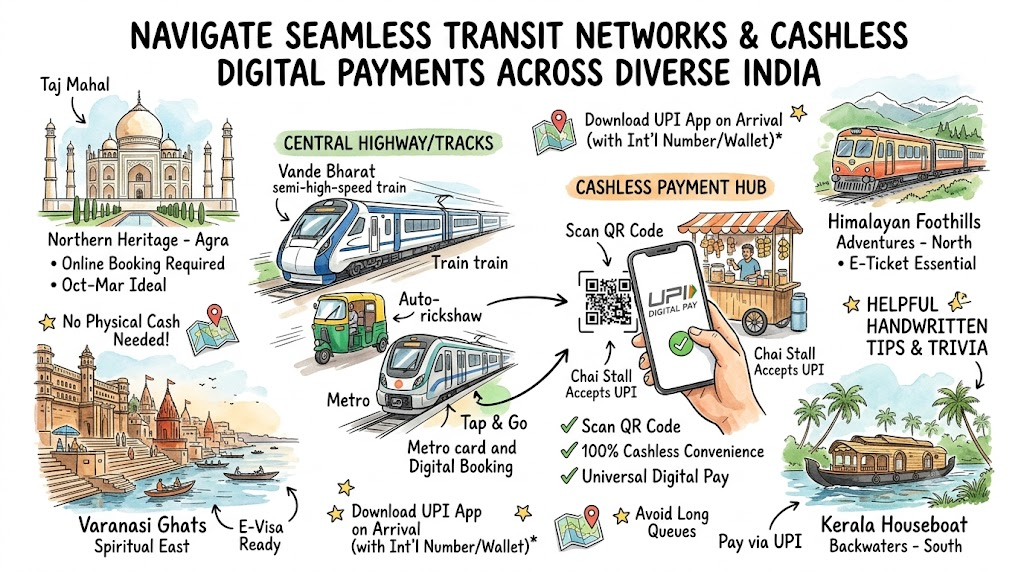
Introduction
Packaged resort corridors and manicured tourist bubbles offer predictability, but India offers an electrifying encounter with living heritage. Modern travel often funnels people into sanitized, cookie-cutter getaways, yet stepping onto the subcontinent plunges you into centuries of continuous civilization.
Here, ancient rituals thrive along riverbanks right next to buzzing tech hubs and kaleidoscopic spice bazars. This journey does not merely entertain; it reshapes your perspective through visceral sounds, deep spiritual roots, and genuine hospitality.
Why India is a must-visit city
India operates on an epic scale, serving as a civilizational crossroad that has shaped global philosophy, trade, and art for millennia. From the snow-capped crests of the Himalayas to the tropical labyrinth of southern waterways, its geographical biodiversity matches its staggering cultural depth. Navigating this vast land is remarkably seamless today, thanks to extensive expressway networks, high-speed Vande Bharat rail connections, and modern airports linking remote heritage zones.
The quintessential Indian journey traditionally anchors around the famous Golden Triangle in the north before branching out. Travelers can easily pivot toward the mystical ghats of the east, the boulder-strewn ruins of the Deccan plateau, or the serene palm-fringed coastlines of the deep south.
| Category | Key Detail |
|---|---|
| Primary International Gateways | New Delhi (DEL), Mumbai (BOM), Bengaluru (BLR), Chennai (MAA) |
| Peak Travel Window | October to March (pleasant temperatures nationwide) |
| Standard Tourist Visa | Digital e-Visa (30-day, 1-year, or 5-year options) |
| National Transit Spine | Indian Railways network paired with extensive domestic air routes |
| Primary Payment Ecosystem | UPI digital payments universally accepted; backup cash recommended |
Top Places or Experiences
Taj Mahal viewed at sunrise, Agra.
The Taj Mahal
Standing on the southern bank of the Yamuna River, this ivory-white marble mausoleum remains an unmatched zenith of Mughal artistic genius. Commissioned in 1631 by Emperor Shah Jahan to house the tomb of his favorite wife, Mumtaz Mahal, the complex incorporates intricate floral pietra dura stonework, carved jade, and perfectly balanced geometric minarets.
Taj Mahal
The entire structure changes color with the shifting sun, transforming from soft blush pink at dawn to radiant cream at noon and ethereal silver under a full moon. Beyond its romantic legend, the monument stands as an astonishing engineering feat of hydraulic water systems and optical illusions designed to humble the spectator.
- Location: Agra District, Uttar Pradesh; roughly 210 km south of New Delhi via the Yamuna Expressway.
- Why it is worth visiting: It is a UNESCO World Heritage marvel representing the pinnacle of Indo-Islamic symmetry and architectural refinement. www.tourindiawithdriver.com
- Best things to do: Observe the intricate lapis lazuli inlays up close inside the central dome chamber; stroll through the geometric Charbagh Persian gardens; view the monument’s reflection across the river from the Mehtab Bagh gardens at dusk.
- Best time to visit: Sunrise (around 6:00 AM) for soft morning light and minimal foot traffic.
- Ideal for whom: Architecture enthusiasts, couples, photographers, and first-time international visitors.
- Travel tip: The complex is strictly closed to tourists every Friday for prayers; purchase your ticketing slot online in advance to bypass long manual security queues.
Ganga Aarti ceremony at Varanasi Ghats.
The Sacred Ghats of Varanasi
Varanasi is one of the world’s oldest continuously inhabited cities, serving as the spiritual beating heart of Hindu philosophy and metaphysics. The western bank of the sacred Ganges River is carved into eighty-four stone ghats, where pilgrims bathe in the holy waters, holy men sit in meditation, and public cremations take place openly at Manikarnika Ghat.
Every evening at twilight, Dashashwamedh Ghat erupts into a sensory spectacle known as the Maha Aarti. Young priests hoist heavy multi-tiered brass oil lamps in sync with rhythmic chants, sounding conch shells, and wafts of frankincense that drift over crowds gathered on fleets of wooden boats.
- Location: Varanasi District, Uttar Pradesh; situated 320 km east of Lucknow.
- Why it is worth visiting: It provides an unfiltered, profound confrontation with ancient spiritual rituals surrounding life, death, and devotion.
- Best things to do: Take an early morning wooden rowboat ride along the riverfront to watch sunrise ablutions; witness the evening Ganga Aarti from the river; wander the maze of narrow medieval alleyways behind the river steps.
- Best time to visit: October to February, especially at 5:30 AM for dawn boat rides or 6:30 PM for the evening aarti.
- Ideal for whom: Cultural seekers, documentary photographers, and spiritual explorers.
- Travel tip: Never photograph open funeral pyres at Manikarnika or Harishchandra Ghats, as doing so violates sacred mourning rites and invites fierce local pushback.
Amer Fort ramparts overlooking Maota Lake.
Amer Fort and the Pink City Palaces
Perched majestically upon the craggy Aravalli hills, Amer Fort commands the historic desert trade passages of Rajasthan. Constructed primarily from yellow and pink sandstone paired with polished white marble, this sprawling fortress palace blends rugged Rajput martial fortifications with delicate Mughal artistic courtrooms.
Inside its courtyards sits the famed Sheesh Mahal (Mirror Palace), where ceilings and walls are embellished with thousands of convex mirror fragments that scatter the glow of a single flame across the entire room. Looking out over Maota Lake below, the fort offers a direct window into the opulent lifestyles, defensive ingenuity, and chivalric legends of the royal Kachwaha clan.
- Location: Amer Town, Jaipur District, Rajasthan; located 11 km north of central Jaipur.
- Why it is worth visiting: It exemplifies defensive hill fort grandeur integrated with mirror mosaics and grand courtyards.
- Best things to do: Walk through the mirrored chamber of the Sheesh Mahal; climb up to the connected defensive ramparts of Jaigarh Fort via the subterranean tunnel network; watch the dramatic evening sound and light performance. Cholan Tours
- Best time to visit: 8:00 AM to 11:00 AM to avoid desert midday heat and large tour buses.
- Ideal for whom: History lovers, family vacations, and architecture buffs.
- Travel tip: Skip the elephant rides up the ramparts for ethical animal welfare reasons; choose an authorized open-top 4×4 jeep or enjoy the brisk 15-minute stone stairway walk instead.
Houseboat cruising the backwaters of Alleppey.
The Kerala Backwaters
Far away from the dusty northern plains lies the backwater system of Kerala, an interconnected network of brackish lagoons, lakes, and five major rivers running parallel to the Arabian Sea. Once used primarily as cargo trade barges for grain and coir, converted traditional houseboats (known as kettuvallams) now glide gently through this waterworld.
Cruising these waters reveals quiet coastal life: children paddling wooden canoes to school, fishermen balancing on stakes, and women harvesting clams under towering coconut canopies. The pace of life slows entirely here, accompanied by fragrant curries infused with coconut milk, black pepper, and curry leaves.
- Location: Alappuzha (Alleppey) and Kottayam Districts, Kerala; approximately 75 km south of Kochi International Airport.
- Why it is worth visiting: It is a unique aquatic ecosystem offering an immersive, slow-paced slice of southern coastal life.
- Best things to do: Charter an overnight houseboat fitted with solar-powered amenities; paddle a guided sea kayak through narrow village canals; sample traditional Karimeen Pollichathu (pearl spot fish baked in banana leaves).
- Best time to visit: November to February for cooler, drier breezes and lower humidity.
- Ideal for whom: Honeymooners, nature lovers, wellness travelers, and families seeking relaxation.
- Travel tip: Book houseboats carrying official Green Palm certification from the Department of Tourism to ensure clean bio-waste discharge systems.
The Boulder Ruins of Hampi
Spread across a surreal, martian landscape of colossal granite boulders along the Tungabhadra River, Hampi preserves the ruins of the 14th-century Vijayanagara Empire. Once one of the wealthiest and largest medieval metropolises in the world, the capital was celebrated by Portuguese and Persian chroniclers for its diamond markets and palace pavilions.
Today, the sprawling archaeological park showcases monuments like the Vijaya Vittala Temple, renowned for its musical stone pillars and stone chariot. Surrounding these sacred ruins are emerald banana plantations and village settlements that keep centuries-old temple worship traditions alive.
- Location: Vijayanagara District, Karnataka; roughly 340 km north of Bengaluru.
- Why it is worth visiting: It combines open-air archaeological grandeur with a striking boulder-strewn landscape.
- Best things to do: Rent a bicycle to explore the royal palace enclosures and elephant stables; hike up Matanga Hill for a panoramic sunrise view across the boulder plains; visit the active Virupaksha Temple.
- Best time to visit: November to February, as mid-summer heat turns the exposed rocks into an oven.
- Ideal for whom: Backpackers, avid historians, solo travelers, and landscape photographers.
- Travel tip: Hampi is split into the Sacred Heritage zone and the river’s opposite bank (Anegundi/Sanapur); check local ferry boat operations, which suspend crossings during high water surges.
Offbeat Exploration: Hidden Gems Tourists Miss
Abhaneri Stepwell (Chand Baori), Rajasthan
Tucked away in eastern Rajasthan lies Chand Baori, a geometric subterranean well featuring 3,500 precisely chiseled steps arranged across 13 cascading tiers. Built during the 8th and 9th centuries to conserve scarce water, this geometric wonder descends 20 meters into the ground, maintaining a temperature significantly cooler than the surrounding desert surface.
The Living Root Bridges of Cherrapunji, Meghalaya
Deep within the lush subtropical rainforests of northeast India, indigenous Khasi communities train the aerial roots of Ficus elastica rubber trees across roaring jungle streams. Over decades, these pliable roots intertwine and anchor to form living suspension bridges that strengthen with age, standing as a brilliant example of bio-engineering.
Chettinad Heritage Mansions, Tamil Nadu
While travelers flock to famous temple towers, the rural Chettinad region features over 70 palatial merchant mansions built with Burmese teak, Italian marble, and Belgian mirrors. These expansive compounds showcase the global trade wealth of the Nattukottai Chettiars and serve some of the most aromatic, freshly ground peppercorn cuisines on the subcontinent.
Detailed Practical Guidance for Travelers
| Destination | Standard Entry Fee | General Timings | Best Local Food Options Nearby | Recommended Nearby Attractions |
|---|---|---|---|---|
| Taj Mahal (Agra) | ₹50 (Indians) / ₹1,100 (Foreigners) + ₹200 for main mausoleum | 30 mins before sunrise to 30 mins before sunset (Closed Fridays) | Mughlai Biryani, Petha sweets, Bedmi Puri at Tajganj eateries | Agra Fort, Itmad-ud-Daulah (Baby Taj), Mehtab Bagh |
| Ghats of Varanasi | Free entry; private boat hires ₹500–₹1,500 per hour | Open 24/7; Aarti starts ~6:30 PM daily | Malaiyyo (winter milk froth), Kachori Sabzi at Thatheri Bazar, Blue Lassi | Kashi Vishwanath Corridor, Sarnath Buddhist Stupas, Ramnagar Fort |
| Amer Fort (Jaipur) | ₹100 (Indians) / ₹500 (Foreigners) | 8:00 AM – 5:30 PM; Night show 6:30 PM – 9:15 PM | Dal Baati Churma, Pyaaz Kachori, Lassi at Amer Town dhabas | Jaigarh Fort, Panna Meena Ka Kund stepwell, Nahargarh Fort |
| Kerala Backwaters | Free; houseboats ₹8,000–₹22,000 per night | Day cruise: 11:30 AM – 5:30 PM; Overnight check-in 12:00 PM | Appam with vegetable stew, spicy fish curry, fried banana fritters | Marari Beach, Pathiramanal Bird Island, Alappuzha Lighthouse |
| Hampi Monuments | ₹40 (Indians) / ₹600 (Foreigners) for Vittala complex | Sunrise to Sunset (6:00 AM – 6:00 PM) | South Indian thali, Neer Dosa, banana flower curry at Hampi Bazar | Sanapur Lake, Anjaneya Hill, Lotus Mahal, Royal Enclosures |
Logistics & On-Ground Navigation
Local Transport Options
- Intercity Express Trains: Indian Railways operates convenient trains like the Vande Bharat, Rajdhani, and Shatabdi Express. Book high-tier AC Chair Car or 2-Tier AC seats via the IRCTC platform several weeks ahead.
- Auto-Rickshaws & E-Rickshaws: Ideal for short city hops and congested lanes. Always agree on a fare before boarding or demand the meter; digital hailing apps provide clear pricing baselines.
- App-Based Cabs: Uber and Ola operate reliably in major cities, offering fixed, transparent fares and cashless payments that eliminate the need to negotiate on the street.
- Private Chauffeur Rentals: For multiday circuits like Rajasthan or the Golden Triangle, hiring a private car and licensed driver through your hotel or a reputable agency remains surprisingly affordable and flexible.
Budget Planning
- Backpacker / Budget Tier: ₹1,800 to ₹3,500 ($22–$42 USD) per day. Covers clean hostel dorms or budget homestays, authentic street food or local dhabas, state buses, and standard train sleeper/3AC classes.
- Mid-Range / Comfort Tier: ₹6,000 to ₹14,000 ($72–$168 USD) per day. Includes charming heritage boutique hotels, dedicated AC car transfers, dining at reputable specialty restaurants, and entry guides.
Safety and Inclusivity Tips
- Family Travel: Choose private vehicle transfers between cities to manage rest stops easily. Carry familiar packaged snacks and stay in hotels with dedicated dining rooms to simplify meals for kids.
- Couples: Public displays of intense physical affection are culturally discouraged in conservative towns; dressing moderately at sacred sites ensures comfortable interactions with locals.
- General Health & Safety: Drink only purified bottled or filtered water; avoid unpeeled fruits and tap ice. Keep a digital copy of your passport and visa stored securely in cloud storage.
Strategic Travel Planning Guardrails
Travel Planning Tips for India
- Synchronize Itineraries with Festivals: Experiencing celebrations like Diwali or Holi is unforgettable, but book hotels and transit months in advance to avoid steep price surges.
- Set Up Cashless UPI Payments: Services like UPI One World allow foreign tourists to make digital QR-code payments directly from their smartphones at nearly every roadside tea stall.
- Carry Crisp Cash Reserves: Carry small denominations (₹100, ₹200, ₹500 notes) for rural vendors, tipping luggage porters, and shoe-storage stalls outside temples.
- Respect Sacred Footwear Rules: Modest clothing covering shoulders and knees is mandatory at holy shrines; slip-on shoes make visiting multiple temples seamless.
- Secure an Indian eSIM Early: Buy an Indian eSIM online before departing or pick up a local SIM (Airtel or Jio) at international airport arrival kiosks for instant navigation and app access.
Common Mistakes to Avoid
- Packing Too Many Cities Into One Week: Trying to see Delhi, Agra, Jaipur, Goa, and Kerala in seven days leaves you exhausted on highways instead of experiencing the places themselves.
- Drinking Unsealed Tap Water: Always inspect water bottle seals before drinking, and use filtered water even when brushing your teeth in rustic locations.
- Ignoring Train Booking Windows: Premium train berths sell out weeks ahead during holiday periods; avoid relying on the stressful last-minute Tatkal quota.
- Assuming All Indian Food Is Fiery Hot: Regional cuisine varies widely; dishes in Gujarat, South India, and Kashmir focus on aromatic herbs, mild coconut, or tang rather than intense chili heat.
- Trusting Unofficial Guides at Major Monuments: Only hire guides carrying official photo identification badges issued by the Ministry of Tourism at heritage entry gates.
Suggested Itinerary Blueprints
1. Day Quick Dash (The Golden Express Loop)
- Target: Time-constrained travelers wanting to check off world wonders.
- Route: Fly into Delhi. Take the morning Gatimaan Express train directly to Agra to explore the Taj Mahal and Agra Fort. Continue by private car through Fatehpur Sikri to Jaipur for an evening bazaar walk, ending with Amer Fort the following morning before returning to Delhi.
2. Day Deep-Dive (Spiritual Heartland Circuit)
- Target: Heritage lovers seeking cultural, architectural, and spiritual depth.
- Day 1: Arrive in Varanasi. Take a dawn boat ride along the sacred ghats, walk through the historic silk weavers’ colony, and secure an evening boat for the Dashashwamedh Aarti.
- Day 2: Visit the ancient Deer Park at Sarnath where the Buddha delivered his first sermon. Spend your afternoon sampling street delicacies, browsing local brass markets, and watching twilight rituals at Assi Ghat.
3. Complete Weekend Travel Plan (Southern Coastal Escape)
- Target: Couples and families looking for scenic, slow-paced relaxation.
- Friday: Land at Kochi Airport, stroll past the historic Chinese Fishing Nets in Fort Kochi, and dine on fresh seafood along the colonial promenade.
- Saturday: Drive south to Alleppey and board your private thatch-roofed houseboat by noon. Cruise leisurely through narrow village canals, savoring fresh coastal meals as the sun sets over the water.
- Sunday: Enjoy a peaceful morning breakfast on the water before disembarking. Stop by Marari Beach for an afternoon coconut water break before catching evening flights out of Kochi.
Common Tourist Mistakes to Avoid
- Geographic Blunders: India is a continent-sized nation. Trying to pair the desert palaces of Rajasthan with the southern backwaters of Kerala on the same long weekend creates brutal travel fatigue and wastes days in transit. Focus on one geographic region per visit.
- Commercial Traps: Spending your afternoons in air-conditioned western shopping malls deprives you of regional artistry. Skip modern commercial complexes and head to government cottage handicraft emporiums or old town artisan quarters, where master block-printers, weavers, and stone carvers work directly.
- Neglecting Modern/Alternative Zones: Focusing strictly on ancient monuments means missing India’s creative energy. Explore contemporary art galleries in Mumbai’s Kala Ghoda, third-wave coffee roasters in Bengaluru’s Indiranagar, and indie bookshops in New Delhi’s Hauz Khas Village.
- Transport Overpayment: Stepping off trains directly into the hands of aggressive street touts invariably leads to inflated fares. Use prepaid taxi booths at railway exits, or book rides via Uber and Ola to establish fair market rates.
- Luxury Dining Bias: Eating exclusively inside international hotel dining rooms shields you from authentic local cooking. The soul of Indian gastronomy thrives in bustling, hygienic neighborhood institutions, generational sweet shops, and family-run dhabas with high customer turnover.
Frequently Asked Questions
1. Is India safe for solo female travelers?
India is generally welcoming, but solo female travelers should exercise standard vigilance. Choose reputable hotels with strong verified reviews, book daytime transit, dress modestly in conservative areas, and avoid unlit or isolated streets late at night. Utilizing women-only subway cars in major cities like New Delhi also provides an easy, comfortable transit option.
2. What is the single best time of year to visit?
The optimal period for travel across most parts of the country runs from October through March. During these months, the winter climate brings clear skies, minimal rainfall, and pleasant daytime temperatures. This makes walking through heritage forts, open-air archaeological ruins, and wildlife reserves comfortable and rewarding.
3. Do international visitors need special permits to travel around India?
Most standard tourist hubs require only a valid passport and an approved Indian e-Visa. However, select sensitive border regions—such as parts of Ladakh, Sikkim, the Andaman Islands, and the northeastern states—require either an Inner Line Permit (ILP) or a Protected Area Permit (PAP), which can be arranged through recognized local travel operators.
4. How do I avoid stomach bugs and stay healthy while eating?
Drink strictly packaged bottled water with intact seals or water filtered by reverse osmosis. Dine at busy local eateries with high customer turnover, ensuring food is cooked fresh and served piping hot. Avoid raw salads, unpeeled fruits from roadside vendors, and drinks with ice cubes in small rural towns.
5. What is the dress code for entering temples and mosques?
Modesty is essential at all sacred religious shrines across the subcontinent. Both men and women should wear clothing that covers their shoulders, chests, and knees. Remove all footwear before entering, and carry a scarf or shawl, as many Hindu, Sikh, and Islamic sites require visitors to cover their heads.
6. Can foreign tourists easily use digital payments like UPI?
Yes, international travelers can now access India’s Unified Payments Interface via specialized services like UPI One World at authorized international airport desks. This service links your passport and card to an authorized digital wallet, allowing you to scan QR codes and pay seamlessly at local markets and small street stalls.
7. How far in advance should I book long-distance train tickets?
Book long-distance train tickets between two and four weeks in advance, especially for popular routes connecting Delhi, Agra, Jaipur, and Varanasi. Air-conditioned chair cars and executive sleeper classes fill up quickly. If regular quotas are sold out, consider booking through the Foreign Tourist Quota at major international rail bureaus.
8. Is tap water safe to drink in major metropolitan hotels?
Tap water is not potable anywhere in India, even inside luxury five-star hotels, unless explicitly treated on-site through dedicated reverse-osmosis filtration taps. Always use complimentary bottled or treated water provided by your hotel room for drinking, preparing baby formula, and brushing your teeth.
9. What should I do if an auto-rickshaw driver refuses to use the meter?
If an auto-rickshaw driver refuses to run the mechanical meter, either negotiate a firm price before stepping into the vehicle or walk away to hail another. Alternatively, open ride-hailing apps like Uber or Ola to compare the going market rate or book a ride directly through the platform.
10. What items are essential to pack for a first-time trip?
Essential packing items include comfortable slip-on walking shoes for visiting temples, a lightweight scarf, broad-spectrum sunscreen, mosquito repellent with DEET, an international universal travel adapter, hand sanitizer, basic rehydration salts, and lightweight, breathable cotton or linen clothing that protects against both sun and insects.
11. Is tipping expected in restaurants and hotels across India?
Tipping is widely appreciated throughout the Indian hospitality sector. In restaurants, a tip of 7% to 10% is customary if a mandatory service charge is not already added to the final bill. For hotel bellhops, tipping ₹50 to ₹100 per bag is standard, while private tour guides typically receive ₹500 to ₹1,000 per day.
12. How diverse are regional languages, and will English be understood?
India has twenty-two officially recognized languages, with Hindi and English serving as the primary tongues for national administration. English is widely spoken in major urban metropolises, luxury hotels, airports, train stations, and popular tourist districts. Learning a few polite phrases in Hindi or the local regional language will always delight locals.
Conclusion
Journeying across India is not a passive holiday; it is an unforgettable cultural immersion that sharpens the senses and opens the mind. The true magic of this land lies in everyday moments: the steam rising from a clay cup of morning chai, the echo of temple bells across ancient riverbanks, and the spontaneous warmth of local hospitality. By trading rigid itineraries for curiosity, patience, and authentic exploration, you will discover that India leaves a lasting mark on your soul long after you return home.
