MOTOSHARE 🚗🏍️
Rent Bikes & Cars Directly from Owners
Motoshare connects vehicle owners with people who need bikes and cars on rent. Owners earn from idle vehicles, and renters get flexible ride options.
Visit Motoshare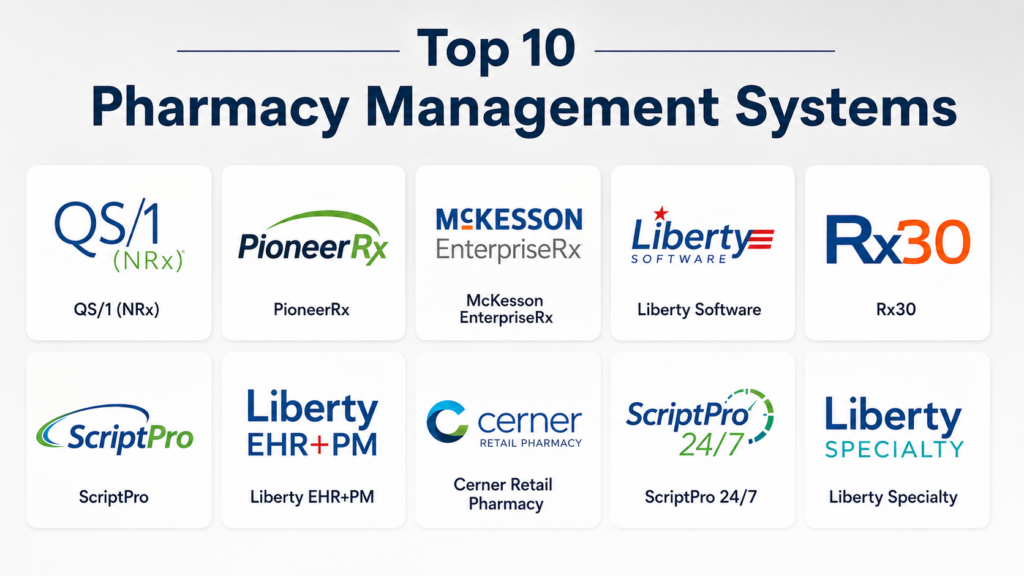
Introduction
Pharmacy Management Systems (PMS) are specialized software platforms designed to automate, streamline, and secure critical workflows within pharmacy operations. From prescription processing and dispensing to inventory control, billing, clinical decision support, and compliance reporting, PMS tools serve as the backbone of pharmacy operations across community retail pharmacies, hospital outpatient departments, long‑term care facilities, specialty dispensaries, and chain networks.
In , pharmacies face evolving pressures ranging from electronic prescribing adoption and real‑time payor adjudication to regulatory compliance (e.g., controlled substance monitoring programs), integrated clinical support, and patient engagement expectations. A modern PMS not only enhances operational efficiency but also reduces errors, enhances patient safety, supports interoperability with EMRs/EHRs, and enables data‑driven decision‑making.
Real‑world use cases:
- Electronic prescription (eRx) intake, processing, routing, and dispensing.
- Automated inventory and lot‑level expiry management.
- Claims adjudication with payors, co‑pay capture, and billing reconciliation.
- Clinical alerts for drug interactions, allergies, and dose checks.
- Reporting for compliance standards like PDMP and controlled substances, analytics, and operational performance.
Evaluation Criteria for Buyers:
- eRx processing and real‑time adjudication
- Inventory control, lot/expiry tracking, reorder automation
- Billing, claims management, and payor workflows
- Clinical decision support system (CDSS) features
- Regulatory compliance reporting (PDMP, DEA, controlled substances)
- Integration with EMR/EHR and HIE standards
- Reporting, dashboards, and analytics
- Security, access control, and encryption
- Usability, training, and support
- Scalability across multi‑store or hospital pharmacy networks
Best for: Independent and chain pharmacies, hospital pharmacy departments, long‑term care and specialty pharmacies, multi‑location networks, and dispensaries needing robust clinical and operational control.
Not ideal for: Tiny pharmacies or pop‑up dispensaries with minimal automation needs; simple point‑of‑sale may suffice in low‑volume settings.
Key Trends in Pharmacy Management Systems
- AI‑Assisted Clinical Support: Machine learning enables enhanced drug interaction checks, dose optimization, and predictive alerts.
- Cloud & Hybrid Deployment: Flexible deployment for scalability, remote access, and centralized data across locations.
- Enhanced ePrescribing & ePA: Real‑time electronic prescribing and electronic prior authorization streamline workflows.
- Telepharmacy Integration: Remote verification, tele counselling, and virtual patient consults expand care reach.
- Automated Inventory Intelligence: Lot tracking, real‑time stock alerts, and automated supplier reordering reduce wastage.
- Regulatory Reporting Automation: Built‑in modules for PDMP, controlled substance monitoring, and audit readiness.
- Patient Engagement Tools: Portals, refill reminders, digital consents, and adherence tracking improve outcomes.
- Mobility & Tablet Interfaces: On‑the‑go prescription processing and documentation for pharmacists and technicians.
- Barcode/RFID Support: Minimizes dispensing errors and enhances inventory accuracy.
- Interoperability Standards: FHIR/HL7 workflows for EMR/EHR and health information exchanges.
How We Selected These Tools (Methodology)
- Core pharmacy capabilities, including eRx, inventory, billing, and compliance.
- Integration readiness with EMRs, labs, HIEs, and payor networks.
- Deployment flexibility (cloud, on‑premise, hybrid) and scalability.
- Usability and onboarding experience for pharmacy staff.
- Security posture, access controls, encryption, and compliance readiness.
- Analytics, reporting, and dashboard maturity.
- Support services, training paths, and vendor responsiveness.
- Innovation indicators such as automation, AI support, telepharmacy.
- Community adoption (multi‑site networks, chains, independent pharmacies).
- Value relative to feature breadth, scalability, and cost of ownership.
Top 10 Pharmacy Management Systems
#1 — QS/1
Short description:
QS/1 is a widely established pharmacy management system known for its comprehensive prescription processing, inventory controls, billing workflows, and compliance support — especially in independent and community pharmacy environments.
Key Features
- ePrescription intake and processing
- Inventory with lot and expiry tracking
- Payor adjudication and claims management
- Clinical decision support alerts
- Reporting and compliance modules
- Controlled substance monitoring workflows
Pros
- Deep feature set for community pharmacy work
- Strong inventory and compliance tooling
- Extensive support and documentation
Cons
- Traditional interface feels dated compared to modern cloud apps
- Learning curve for advanced modules
- Cloud deployment requires configuration
Platforms / Deployment
- Windows, Web
- On‑prem, Hybrid
Security & Compliance
- Encryption and access control
- Audit logs and regulatory support
Integrations & Ecosystem
- EMR/EHR connectors
- Wholesaler/Supplier integrations
- Payor adjudication networks
Support & Community
- Vendor support tiers
- Training and educational resources
#2 — PioneerRX
Short description:
PioneerRX is a modern, cloud‑ready pharmacy management system built for independent, specialty, and retail pharmacies emphasizing workflow automation, clinical alerts, and patient engagement.
Key Features
- ePrescribing with refill automation
- Inventory with par levels and auto‑ordering
- Clinical alerts for interactions and contraindications
- Refill reminders and patient engagement tools
- Reporting dashboards with key performance indicators
Pros
- Intuitive, modern interface
- Strong clinical and workflow automation
- Cloud capabilities with multi‑location coordination
Cons
- Licensing costs higher than older systems
- Add‑on modules can raise ownership costs
- May need customization for hospital pharmacy workflows
Platforms / Deployment
- Web, Windows
- Cloud, Hybrid
Security & Compliance
- Encryption at rest and transit
- Role‑based access, audit trails
Integrations & Ecosystem
- EMR/EHR interfaces
- Supplier and wholesaler systems
- Payor adjudication networks
Support & Community
- Onboarding support
- User community and documentation
#3 — McKesson Pharmacy Systems (Enterprise)
Short description:
McKesson’s enterprise pharmacy systems deliver large‑scale prescription, inventory, and supply chain management for retail chains and hospital pharmacy networks requiring deep backend integrations.
Key Features
- Enterprise dispensing and claims processing
- Supply chain and inventory planning
- Integrated clinical decision support
- Regulatory reporting and compliance dashboards
- Financial and revenue cycle analytics
Pros
- Scales to large pharmacy networks
- Deep supply chain and analytics capabilities
- Strong configuration and security features
Cons
- Enterprise focus may overwhelm small pharmacies
- Implementation requires resources
- Costly for smaller practices
Platforms / Deployment
- Web, Desktop
- On‑prem, Hybrid
Security & Compliance
- Enterprise‑grade encryption and access control
- Audit trails and compliance modules
Integrations & Ecosystem
- EMR/EHR connectivity
- Supplier networks and forecasting
- Analytics engines
Support & Community
- Structured vendor support
- Documentation and training programs
#4 — Liberty Software (by Nexus‑Innovations)
Short description:
Liberty Software offers PMS solutions for independent and specialty pharmacies with core dispensing, billing, and compliance support focused on ease of use and flexibility.
Key Features
- eRx intake and refill processing
- Inventory and lot management
- Clinical alerts and screening
- Payor adjudication modules
- Reporting and operational insights
Pros
- Balanced clinical and operational feature set
- Flexible deployment options
- Efficient prescription workflows
Cons
- UI is less modern than new cloud competitors
- Analytics depth could be deeper
- Cloud deployment depends on partner stack
Platforms / Deployment
- Windows, Web
- On‑prem, Hybrid
Security & Compliance
- Encryption and backups
- User access control
Integrations & Ecosystem
- EMR/EHR connectors
- Wholesaler and supplier networks
Support & Community
- Vendor support
- Documentation
#5 — Rx30 (by QCP)
Short description:
Rx30 is a traditional pharmacy management system used by retail, long‑term care, and independent pharmacies for dispensing, claims adjudication, and basic clinical support.
Key Features
- ePrescribing and claims workflow
- Inventory ordering and control
- Patient profiles and counseling notes
- Billing and bank reconciliation
- Reporting and audit trails
Pros
- Long‑standing presence in pharmacy workflows
- Reliable dispensing engine
- Solid foundational toolset
Cons
- UI and tech stack feel older
- Cloud options limited
- Growth features require add‑ons
Platforms / Deployment
- Windows, Web
- On‑prem, Hybrid
Security & Compliance
- Access controls
- Encryption (varies by setup)
Integrations & Ecosystem
- Payor adjudication
- Wholesaler links
- Basic EMR/EHR connectivity
Support & Community
- Vendor support
- Community forum resources
#6 — ScriptPro
Short description:
ScriptPro offers a PMS with advanced automation including robotic dispensing integration, workflow optimization, and clinical decision support tailored for high‑volume environments.
Key Features
- Prescription fill automation and robotics
- Inventory lot/expiry controls
- Clinical screening tools
- Reporting and dispensing analytics
Pros
- Robotics reduces dispensing errors
- Strong automation for high volumes
- Workflow insights
Cons
- High implementation cost
- Best fit for high‑volume pharmacies
- Training and support vital for success
Platforms / Deployment
- Windows, Web
- On‑prem, Hybrid
Security & Compliance
- Encryption and secure access
- Audit logs
Integrations & Ecosystem
- Automated hardware and robotics
- Payor networks
Support & Community
- Vendor support and onboarding
#7 — Liberty EHR + PM Integration
Short description:
Liberty’s EHR and PMS integration brings combined electronic health records and pharmacy workflows, enabling tighter clinical coordination for outpatient and specialty pharmacy services.
Key Features
- Integrated pharmacy and clinical records
- eRx and refill processing
- Inventory and dispensing workflows
- Clinical alerts within care context
- Shared reporting dashboards
Pros
- Unified clinical‑pharmacy interface
- Strong interoperability advantage
- Reduces duplicate data entry
Cons
- Configuration requires planning
- Best for mid‑larger practices
- Add‑on licensing increases cost
Platforms / Deployment
- Web
- Cloud, Hybrid
Security & Compliance
- HIPAA encryption and access control
- Audit trails
Integrations & Ecosystem
- EMR/EHR connectors
- Supplier and payor networks
Support & Community
- Vendor training and documentation
#8 — Cerner Retail Pharmacy (via EMR)
Short description:
Cerner’s retail pharmacy module extends clinical EMR workflows into dispensing, claims, and medication management for institutions using Cerner clinical systems.
Key Features
- ePrescribing and medication dispensing within Cerner context
- Inventory control aligned with clinical workflows
- Payor adjudication and billing
- Clinical decision support integrated with EMR
- Reporting and compliance dashboards
Pros
- Tight integration with Cerner clinical data
- Reduces handoffs and improves safety
- Suitable for hospital‑linked pharmacies
Cons
- Requires Cerner EMR adoption
- Less standalone than other PMS tools
- Implementation complexity
Platforms / Deployment
- Web, Desktop
- Hybrid
Security & Compliance
- Enterprise security controls
- Audit trails
Integrations & Ecosystem
- Cerner clinical ecosystem
- Payor networks and EMR integration
Support & Community
- Cerner support tiers
#9 — ScriptPro 24/7 Software Module
Short description:
ScriptPro’s 24/7 module extends the base PMS with advanced uptime, remote access, and continuous pharmacy operations capabilities.
Key Features
- High availability and failover support
- Remote prescription processing
- Expanded analytics modules
- Scalability across locations
Pros
- High reliability for mission‑critical workflows
- Remote access and automation support
Cons
- Add‑on cost
- Best for large or high‑availability needs
Platforms / Deployment
- Web, Desktop
- On‑prem, Hybrid
Security & Compliance
- Encryption and access controls
- Audit logging
Integrations & Ecosystem
- Core ScriptPro workflows
- Network extensions
Support & Community
- Vendor training and help desk
#10 — Liberty Specialty Pharmacy
Short description:
Liberty’s specialty pharmacy solution extends general PMS workflows with enhanced support for high‑cost drugs, payor contracts, and complex billing scenarios.
Key Features
- Specialty medication workflows
- Contract payor support
- Billing and adjudication tailored to high‑value meds
- Enhanced reporting
Pros
- Designed for specialty pharmacies
- Handles complex reimbursement rules
Cons
- Narrower focus than general PMS
- Higher configuration needs
Platforms / Deployment
- Web
- Cloud, Hybrid
Security & Compliance
- HIPAA encryption and access control
- Audit trails
Integrations & Ecosystem
- EMR/EHR connectors
- Payor networks
Support & Community
- Vendor support
Comparison Table (Top 10)
| Tool Name | Best For | Platform(s) Supported | Deployment | Standout Feature | Public Rating |
|---|---|---|---|---|---|
| QS/1 | Community & independent pharmacies | Windows, Web | On‑prem, Hybrid | Deep compliance & inventory | N/A |
| PioneerRX | Cloud‑ready retail & specialty | Web, Windows | Cloud, Hybrid | Workflow automation | N/A |
| McKesson Enterprise | Large networks | Web, Desktop | On‑prem, Hybrid | Supply chain integration | N/A |
| Liberty Software | Independent & specialty | Windows, Web | On‑prem, Hybrid | Balanced feature set | N/A |
| Rx30 | Retail & LTC | Windows, Web | On‑prem, Hybrid | Proven dispensing engine | N/A |
| ScriptPro | High‑volume & automation | Windows, Web | On‑prem, Hybrid | Robotics automation | N/A |
| Liberty EHR+PM | Integrated clinical | Web | Cloud, Hybrid | Unified clinical/pharmacy | N/A |
| Cerner Retail | Hospital‑linked pharmacies | Web, Desktop | Hybrid | EMR integration | N/A |
| ScriptPro 24/7 | High‑availability needs | Web, Desktop | On‑prem, Hybrid | Continuous uptime | N/A |
| Liberty Specialty | Specialty dispensaries | Web | Cloud, Hybrid | Specialty workflows | N/A |
Evaluation & Scoring of Pharmacy Management Systems
| Tool Name | Core (25%) | Ease (15%) | Integrations (15%) | Security (10%) | Performance (10%) | Support (10%) | Value (15%) | Weighted Total |
|---|---|---|---|---|---|---|---|---|
| QS/1 | 9 | 7 | 8 | 9 | 8 | 8 | 7 | 8.25 |
| PioneerRX | 9 | 8 | 8 | 9 | 8 | 8 | 8 | 8.45 |
| McKesson | 9 | 7 | 9 | 9 | 8 | 8 | 7 | 8.40 |
| Liberty Software | 8 | 8 | 7 | 9 | 7 | 7 | 7 | 7.85 |
| Rx30 | 8 | 7 | 7 | 8 | 7 | 7 | 7 | 7.45 |
| ScriptPro | 8 | 7 | 8 | 9 | 8 | 7 | 7 | 8.00 |
| Liberty EHR+PM | 8 | 7 | 8 | 9 | 8 | 7 | 7 | 8.05 |
| Cerner Retail | 8 | 6 | 9 | 9 | 8 | 8 | 7 | 8.05 |
| ScriptPro 24/7 | 7 | 7 | 7 | 9 | 8 | 7 | 7 | 7.65 |
| Liberty Specialty | 7 | 7 | 7 | 9 | 7 | 7 | 7 | 7.55 |
Interpreting Scores:
Weighted totals show how each pharmacy system balances core functional strength, usability, integration maturity, security posture, performance, support quality, and overall value. Higher scores suggest strong all‑around platforms suitable for diverse pharmacy settings.
Which Pharmacy Management System Is Right for You?
Community & Independent Pharmacies
PioneerRX and QS/1 offer strong clinical decision support, inventory controls, and modern workflows tailored to independent pharmacies.
Large Retail & Hospital Networks
McKesson Enterprise and Cerner Retail integrate deeply with supply chains, EMRs, and clinical data for seamless enterprise workflows.
Specialty & High‑Value Medication Workflows
Liberty Specialty Pharmacy and Liberty EHR+PM support complex payor contracts, high‑cost meds, and tight clinical integration.
High‑Volume & Automation‑Driven Pharmacies
ScriptPro with robotics and automation reduces risk and accelerates dispensing for high throughput environments.
Cloud‑Ready Modern Platforms
PioneerRX leads with modern UX, cloud flexibility, automation, and patient engagement tools for small to mid‑sized pharmacies.
Frequently Asked Questions (FAQs)
1. What is a Pharmacy Management System?
A Pharmacy Management System centralizes prescription processing, inventory, billing, clinical checks, and compliance reporting to streamline pharmacy operations.
2. How does ePrescribing work?
ePrescribing allows electronic transmission of prescriptions directly from prescribers to pharmacies, reducing errors and speeding fulfillment.
3. Do these systems integrate with EMRs?
Yes; modern PMS platforms support integration with EMRs/EHRs using FHIR/HL7 to exchange medication profiles and care records.
4. What security features are essential?
Encryption, role‑based access control, audit trails, and compliance with HIPAA and data privacy standards are critical for pharmacy systems.
5. Can PMS handle multi‑location pharmacies?
Cloud and hybrid platforms like PioneerRX, McKesson, and AlayaCare variants enable centralized control for multi‑location networks.
6. Are there tools for controlled substance monitoring?
Yes; many PMS tools include PDMP interfaces and controlled substance tracking to comply with regulatory requirements.
7. How does inventory automation help?
Automated reordering, real‑time stock alerts, and supplier integration reduce stockouts, expiries, and manual accounting.
8. Are telepharmacy features supported?
Increasingly, PMS platforms integrate telepharmacy modules for remote verification, virtual consultations, and patient education.
9. How long does deployment take?
Deployment varies by complexity: small setups may take weeks, enterprise solutions with integrations may take months.
10. What reporting is typically available?
Operational dashboards, compliance reporting, financial analytics, and prescription trend analysis help pharmacies optimize workflows.
Conclusion
Pharmacy Management Systems are foundational to efficient, safe, and compliant pharmacy operations in and beyond. Whether you run an independent community pharmacy, a specialty dispensing practice, or a large hospital network, the right PMS can dramatically improve clinical decision support, inventory accuracy, regulatory compliance, and patient engagement. Modern solutions like PioneerRX balance ease of use, automation, and cloud flexibility, while enterprise solutions like McKesson and Cerner Retail integrate deeply into complex workflows. Assess your pharmacy’s size, workflows, integration needs, and scalability goals, pilot shortlisted solutions, and validate support and security before full deployment to drive operational excellence and better patient care outcomes.
