MOTOSHARE 🚗🏍️
Rent Bikes & Cars Directly from Owners
Motoshare connects vehicle owners with people who need bikes and cars on rent. Owners earn from idle vehicles, and renters get flexible ride options.
Visit Motoshare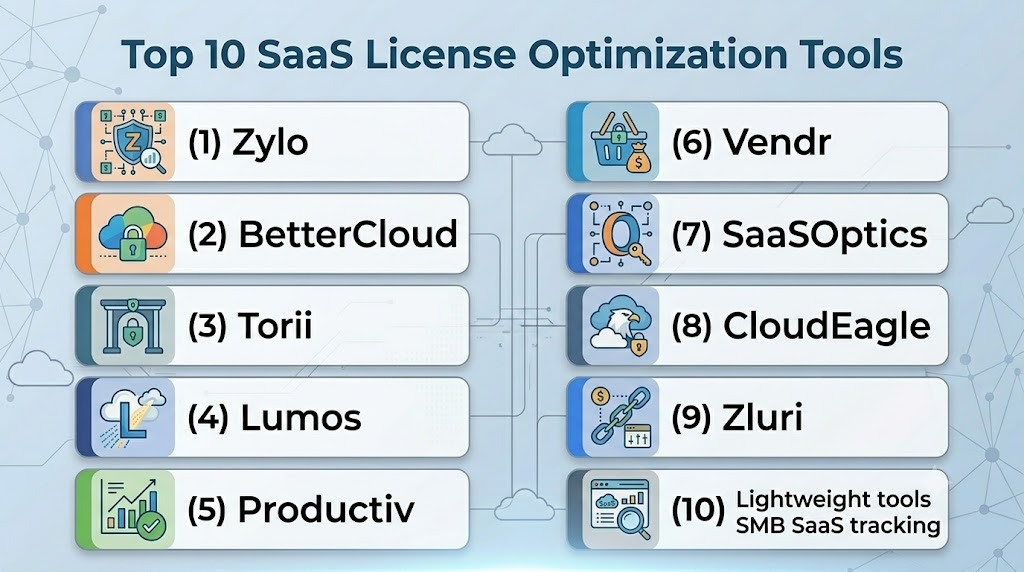
Introduction
SaaS License Optimization Tools help organizations manage, monitor, and optimize software-as-a-service subscriptions across departments, users, and business units. These platforms provide visibility into SaaS usage, eliminate unused licenses, reduce software sprawl, and ensure organizations only pay for what they actually use.
As enterprises adopt hundreds of SaaS applications across finance, engineering, HR, marketing, and operations, software costs become increasingly difficult to track. Without proper governance, organizations often overpay for unused or underutilized licenses, duplicate tools, and shadow IT applications. SaaS license optimization platforms solve this by providing centralized visibility, usage analytics, automation, and cost optimization recommendations.
Real World Use Cases
- Identifying unused SaaS licenses across departments
- Eliminating duplicate software subscriptions
- Tracking application usage and adoption rates
- Optimizing enterprise SaaS spending budgets
- Managing onboarding and offboarding license allocation
- Enforcing SaaS procurement governance policies
- Detecting shadow IT applications
- Improving SaaS renewal negotiations with usage data
Evaluation Criteria for Buyers
When evaluating SaaS License Optimization Tools, organizations should consider:
- SaaS discovery and application visibility
- License usage tracking accuracy
- Integration with identity providers (SSO, IAM)
- Cost allocation and budgeting features
- Automation for license reclamation
- Shadow IT detection capabilities
- Reporting and analytics depth
- Integration with procurement systems
- Ease of deployment and onboarding
- Scalability for enterprise SaaS environments
Best for
SaaS License Optimization Tools are best for IT asset management teams, FinOps teams, procurement teams, finance departments, and enterprise organizations managing large SaaS portfolios across multiple business units.
Not ideal for
These tools are not ideal for small businesses with very limited SaaS usage or organizations that rely on only a handful of software subscriptions. They are also less useful for companies without centralized identity management or SaaS governance processes.
Key Trends in SaaS License Optimization Tools
- AI-driven SaaS usage analytics and forecasting
- Automated license reclamation and reallocation
- Integration with FinOps and cloud cost governance platforms
- Expansion of shadow IT discovery capabilities
- Identity-based SaaS usage tracking via SSO integrations
- Real-time SaaS spend visibility dashboards
- Consolidation of SaaS management and IT asset management
- Vendor consolidation recommendations powered by analytics
- Stronger procurement and renewal optimization workflows
- Increasing focus on security and compliance in SaaS usage
How We Selected These Tools
The tools included in this list were selected based on:
- Market adoption across enterprise SaaS environments
- Depth of SaaS discovery and usage analytics
- License optimization and reclamation capabilities
- Integration with identity providers and SaaS ecosystems
- Automation and workflow capabilities
- Reporting and financial governance features
- Support for enterprise-scale SaaS portfolios
- Security and compliance readiness
- Ease of deployment and usability
- Fit across SMB, mid-market, and enterprise segments
Top 10 SaaS License Optimization Tools
1- Zylo
Short description:
Zylo is one of the leading SaaS management and license optimization platforms designed for large enterprises. It provides deep visibility into SaaS applications, license usage, and spend optimization opportunities. Zylo helps organizations eliminate waste, manage renewals, and improve SaaS procurement decisions using real-time usage insights.
Key Features
- SaaS application discovery
- License usage tracking
- Renewal management dashboards
- Shadow IT detection
- Spend optimization analytics
- Vendor consolidation insights
- Contract lifecycle tracking
Pros
- Strong enterprise SaaS visibility
- Excellent renewal optimization insights
- Deep SaaS spend analytics
Cons
- Enterprise-focused pricing
- Requires onboarding effort
- Less suitable for small organizations
Platforms / Deployment
- Cloud
Security & Compliance
- SSO/SAML
- RBAC
- Encryption
- Audit logs
- Compliance reporting
Integrations & Ecosystem
Zylo integrates with identity systems, SaaS providers, and financial platforms to centralize SaaS governance.
- Okta
- Azure AD
- Google Workspace
- Slack
- Finance tools
- Procurement systems
Support & Community
Strong enterprise onboarding, customer success programs, and SaaS management expertise.
2- BetterCloud
Short description:
BetterCloud is a SaaS operations management platform that focuses on automation, security, and lifecycle management of SaaS applications. It helps IT teams manage users, permissions, and SaaS configurations at scale.
Key Features
- SaaS lifecycle automation
- User provisioning and deprovisioning
- License management
- Policy enforcement
- Security monitoring
- Workflow automation
- SaaS discovery
Pros
- Strong automation capabilities
- Good security and governance features
- Excellent IT workflow integration
Cons
- Can be complex for beginners
- Pricing may be high for SMBs
- Focused more on IT ops than finance
Platforms / Deployment
- Cloud
Security & Compliance
- SSO/SAML
- RBAC
- Audit logging
- Data encryption
Integrations & Ecosystem
- Google Workspace
- Microsoft 365
- Slack
- Salesforce
- Okta
- ITSM tools
Support & Community
Strong IT-focused support and enterprise onboarding resources.
3- Torii
Short description:
Torii is a SaaS management platform that provides visibility, automation, and optimization of SaaS applications across organizations. It focuses on shadow IT discovery and SaaS lifecycle management.
Key Features
- SaaS discovery engine
- License optimization
- Workflow automation
- Shadow IT detection
- Renewal tracking
- Usage analytics
- SaaS governance dashboards
Pros
- Strong shadow IT detection
- Easy-to-use interface
- Good automation workflows
Cons
- Limited advanced enterprise features
- Smaller ecosystem than competitors
- Reporting depth varies
Platforms / Deployment
- Cloud
Security & Compliance
- SSO/SAML
- RBAC
- Encryption
- Audit logs
Integrations & Ecosystem
- Okta
- Google Workspace
- Microsoft 365
- Slack
- Jira
- Finance tools
Support & Community
Responsive support with growing enterprise adoption.
4- Lumos
Short description:
Lumos is a modern SaaS management and identity-first optimization platform that focuses on SaaS visibility, access management, and license optimization using identity data.
Key Features
- Identity-based SaaS discovery
- License optimization
- Access governance
- Shadow IT detection
- SaaS spend tracking
- Workflow automation
- Compliance reporting
Pros
- Strong identity-driven insights
- Modern interface
- Fast deployment
Cons
- Newer platform compared to legacy tools
- Limited enterprise maturity
- Smaller integration ecosystem
Platforms / Deployment
- Cloud
Security & Compliance
- SSO/SAML
- RBAC
- Encryption
- Audit logs
Integrations & Ecosystem
- Okta
- Azure AD
- Google Workspace
- Slack
- Jira
- HR systems
Support & Community
Strong customer onboarding and fast-growing SaaS management adoption.
5- Productiv
Short description:
Productiv is a SaaS intelligence platform that helps organizations optimize software usage, improve adoption, and manage SaaS investments using data-driven insights.
Key Features
- SaaS usage analytics
- License optimization
- Application benchmarking
- Spend tracking
- Adoption insights
- Renewal forecasting
- Governance dashboards
Pros
- Strong usage analytics
- Good adoption insights
- Clear financial visibility
Cons
- Enterprise pricing model
- Requires integration setup
- Limited automation depth
Platforms / Deployment
- Cloud
Security & Compliance
- SSO/SAML
- RBAC
- Encryption
- Audit logs
Integrations & Ecosystem
- Okta
- Salesforce
- Slack
- Google Workspace
- Microsoft 365
- Finance systems
Support & Community
Strong enterprise support and SaaS intelligence expertise.
6- Vendr
Short description:
Vendr is a SaaS buying and optimization platform that helps organizations manage procurement, renewals, and SaaS cost optimization through data-driven negotiation insights.
Key Features
- SaaS procurement optimization
- Renewal management
- Vendor negotiation insights
- Spend benchmarking
- Contract lifecycle management
- License optimization
- Budget tracking
Pros
- Strong procurement focus
- Excellent negotiation insights
- Good cost optimization value
Cons
- Less focus on technical SaaS usage tracking
- Enterprise-oriented model
- Limited IT automation features
Platforms / Deployment
- Cloud
Security & Compliance
- SSO/SAML
- RBAC
- Encryption
- Audit logs
Integrations & Ecosystem
- Finance systems
- Procurement tools
- SaaS applications
- CRM platforms
- Identity providers
Support & Community
Strong procurement and SaaS cost optimization support.
7- SaaSOptics
Short description:
SaaSOptics is a financial operations platform focused on SaaS revenue management, subscription analytics, and license optimization insights for finance teams.
Key Features
- SaaS subscription analytics
- Revenue tracking
- License utilization reporting
- Renewal forecasting
- Financial dashboards
- Billing automation
- SaaS financial planning
Pros
- Strong finance-focused analytics
- Good subscription visibility
- Reliable reporting tools
Cons
- Less IT-focused functionality
- Requires finance expertise
- Limited automation capabilities
Platforms / Deployment
- Cloud
Security & Compliance
- SSO/SAML
- RBAC
- Encryption
- Audit logs
Integrations & Ecosystem
- CRM systems
- ERP platforms
- Billing systems
- Finance tools
- SaaS providers
Support & Community
Strong finance-oriented SaaS support structure.
8- CloudEagle
Short description:
CloudEagle is a SaaS management platform that provides visibility, automation, and optimization of SaaS licenses across enterprise environments. It focuses heavily on cost reduction and license governance.
Key Features
- SaaS discovery and tracking
- License optimization
- Shadow IT detection
- Workflow automation
- Renewal management
- Usage analytics
- Spend governance
Pros
- Strong cost optimization focus
- Good automation workflows
- Easy SaaS discovery
Cons
- Smaller ecosystem
- Limited enterprise maturity
- Reporting depth varies
Platforms / Deployment
- Cloud
Security & Compliance
- SSO/SAML
- RBAC
- Encryption
- Audit logs
Integrations & Ecosystem
- Okta
- Google Workspace
- Microsoft 365
- Slack
- Jira
- Finance systems
Support & Community
Responsive support and growing enterprise adoption.
9- Zluri
Short description:
Zluri is a SaaS management platform that provides visibility, access control, and optimization across SaaS applications. It focuses on improving IT governance and reducing SaaS waste.
Key Features
- SaaS discovery
- License optimization
- Access management
- Shadow IT detection
- Workflow automation
- Compliance tracking
- SaaS governance dashboards
Pros
- Strong IT governance focus
- Easy SaaS discovery
- Good automation capabilities
Cons
- Smaller enterprise footprint
- Limited advanced analytics
- Integration depth varies
Platforms / Deployment
- Cloud
Security & Compliance
- SSO/SAML
- RBAC
- Encryption
- Audit logs
Integrations & Ecosystem
- Okta
- Google Workspace
- Microsoft 365
- Slack
- Jira
- HR systems
Support & Community
Good onboarding support and growing SaaS management ecosystem.
10- Zylo alternatives lightweight tools category (Snipe-IT SaaS usage extension class)
Short description:
This category represents lightweight SaaS tracking and IT asset management extensions used by organizations that need basic SaaS license visibility without full enterprise SaaS optimization platforms.
Key Features
- Basic SaaS tracking
- License inventory management
- Usage monitoring
- Shadow IT detection
- Simple reporting
- Cost tracking
- IT asset alignment
Pros
- Lightweight and simple
- Easy deployment
- Cost-effective for small teams
Cons
- Limited automation
- Not enterprise-grade
- Weak analytics capabilities
Platforms / Deployment
- Cloud / Self-hosted
Security & Compliance
- Varies / N/A
Integrations & Ecosystem
- Basic SaaS tools
- Identity providers
- Spreadsheet-based workflows
- IT asset systems
Support & Community
Community-driven or limited support depending on implementation.
Comparison Table
| Tool Name | Best For | Platform(s) Supported | Deployment | Standout Feature | Public Rating |
|---|---|---|---|---|---|
| Zylo | Enterprise SaaS governance | Web | Cloud | SaaS intelligence | N/A |
| BetterCloud | SaaS automation | Web | Cloud | IT workflow automation | N/A |
| Torii | SaaS discovery | Web | Cloud | Shadow IT detection | N/A |
| Lumos | Identity-based SaaS control | Web | Cloud | Identity-driven insights | N/A |
| Productiv | SaaS analytics | Web | Cloud | Usage intelligence | N/A |
| Vendr | SaaS procurement | Web | Cloud | Negotiation insights | N/A |
| SaaSOptics | Finance tracking | Web | Cloud | Subscription analytics | N/A |
| CloudEagle | SaaS cost optimization | Web | Cloud | License governance | N/A |
| Zluri | IT SaaS governance | Web | Cloud | Access management | N/A |
| Lightweight tools | SMB SaaS tracking | Web | Cloud/Self-hosted | Simple SaaS inventory | N/A |
Evaluation & Scoring of SaaS License Optimization Tools
| Tool Name | Core 25% | Ease 15% | Integrations 15% | Security 10% | Performance 10% | Support 10% | Value 15% | Weighted Total |
|---|---|---|---|---|---|---|---|---|
| Zylo | 9.5 | 8 | 9 | 9 | 9 | 9 | 8 | 9.0 |
| BetterCloud | 9 | 8 | 9 | 9 | 9 | 9 | 8 | 8.9 |
| Torii | 8.5 | 9 | 8 | 8 | 8 | 8 | 8.5 | 8.4 |
| Lumos | 8.5 | 9 | 8 | 8.5 | 8 | 8 | 8.5 | 8.4 |
| Productiv | 8.5 | 8.5 | 8.5 | 8 | 8 | 8.5 | 8 | 8.4 |
| Vendr | 8.5 | 8 | 8 | 8.5 | 8 | 8.5 | 9 | 8.5 |
| SaaSOptics | 8 | 8 | 8.5 | 8 | 8 | 8.5 | 8 | 8.1 |
| CloudEagle | 8.5 | 8.5 | 8 | 8 | 8 | 8 | 8.5 | 8.3 |
| Zluri | 8.5 | 8.5 | 8 | 8 | 8 | 8 | 8.5 | 8.3 |
| Lightweight tools | 7.5 | 9 | 7 | 7 | 7 | 7 | 9 | 7.8 |
These scores reflect comparative market positioning. Enterprise tools score higher in governance depth and integration ecosystems, while lightweight tools excel in simplicity and cost-effectiveness.
Which SaaS License Optimization Tool Is Right for You?
Solo / Freelancer
Lightweight SaaS tracking tools or basic spreadsheet-based systems are sufficient for minimal SaaS usage environments.
SMB
Torii, Lumos, and CloudEagle provide a strong balance of usability, automation, and SaaS visibility for growing teams.
Mid-Market
Productiv, Zluri, and BetterCloud offer deeper governance, automation, and integration capabilities suitable for scaling SaaS environments.
Enterprise
Zylo, BetterCloud, and Vendr are strong enterprise options due to advanced governance, procurement optimization, and SaaS intelligence capabilities.
Budget vs Premium
Lightweight tools offer cost-effective tracking, while enterprise platforms provide advanced optimization, automation, and financial governance features.
Feature Depth vs Ease of Use
Zylo and BetterCloud offer deep functionality but require onboarding effort. Torii and Lumos prioritize simplicity and faster deployment.
Integrations & Scalability
Organizations with large SaaS ecosystems should prioritize tools with strong identity provider integrations and API-based automation.
Security & Compliance Needs
Enterprises in regulated industries should focus on platforms with RBAC, audit logging, SSO/SAML, and governance reporting features.
Frequently Asked Questions (FAQs)
1. What are SaaS License Optimization Tools?
SaaS License Optimization Tools help organizations track, manage, and optimize SaaS subscriptions by identifying unused licenses, reducing waste, and improving visibility into application usage.
2. Why are these tools important?
They help organizations reduce SaaS overspending, eliminate redundant tools, and ensure efficient use of software licenses across teams and departments.
3. How do they optimize SaaS costs?
They analyze usage data, detect inactive users, recommend license downgrades, and identify unused subscriptions that can be removed or reallocated.
4. Do these tools support shadow IT detection?
Yes, most platforms detect unauthorized SaaS applications used outside IT governance, helping reduce security risks and improve visibility.
5. Are these tools suitable for small businesses?
Yes, but small businesses may only need lightweight versions or basic SaaS tracking tools rather than full enterprise platforms.
6. Can they integrate with identity providers?
Yes, most platforms integrate with Okta, Azure AD, and Google Workspace to track SaaS usage based on user identity.
7. How long does implementation take?
Implementation can take from a few days for SMB tools to several weeks for enterprise-scale deployments depending on SaaS complexity.
8. Do they support license automation?
Yes, many platforms automate license reclamation, reallocation, and renewal tracking workflows.
9. Are SaaS License Optimization Tools secure?
Most enterprise platforms include RBAC, SSO/SAML, encryption, and audit logging for secure SaaS management.
10. What is the difference between SaaS management and FinOps tools?
SaaS management tools focus on application-level optimization, while FinOps tools focus on cloud infrastructure cost optimization. Both complement each other in enterprise IT governance.
Conclusion
SaaS License Optimization Tools play a critical role in modern enterprise IT governance by helping organizations gain visibility into software usage, eliminate wasted licenses, and optimize SaaS spending across departments. As companies adopt more SaaS applications, managing subscriptions efficiently becomes essential for cost control and operational efficiency.The right platform depends on organizational size, SaaS maturity, and governance requirements. Enterprises benefit from advanced platforms like Zylo and BetterCloud, while mid-market and SMB organizations may prefer simpler, more flexible solutions like Torii, Lumos, or CloudEagle. Ultimately, organizations should focus on visibility, automation, and integration capabilities when selecting a tool. A pilot implementation is the best way to validate fit before scaling across the organization.

Implementing comprehensive unified application subscription expenditure visualization management software optimizes corporate cloud software procurement logistics, ensuring accelerated enterprise resource allocation tracking and seamless digital vendor cost containment workflows.