MOTOSHARE 🚗🏍️
Rent Bikes & Cars Directly from Owners
Motoshare connects vehicle owners with people who need bikes and cars on rent. Owners earn from idle vehicles, and renters get flexible ride options.
Visit Motoshare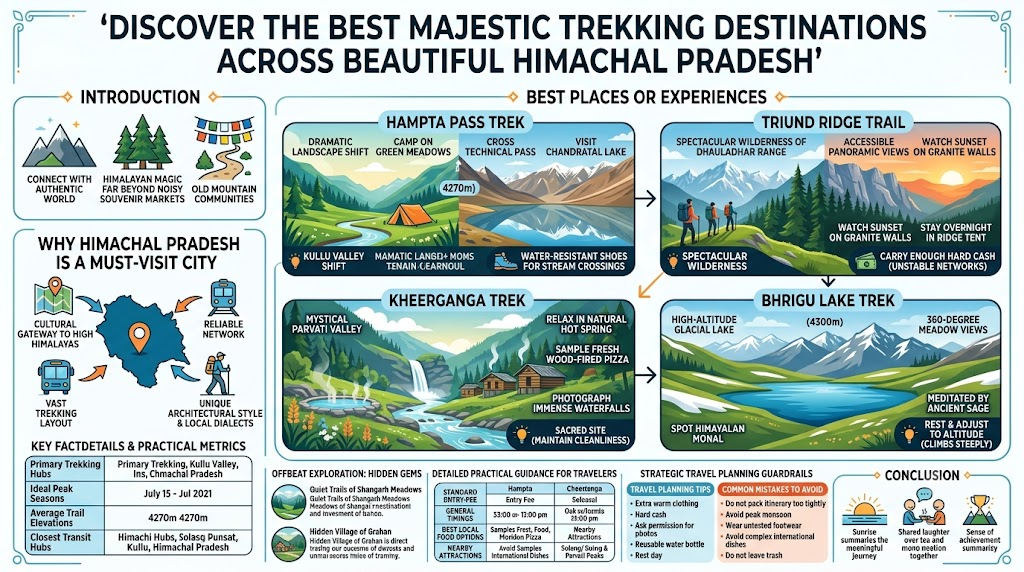
Introduction
Most vacationers flock to the standard, concrete-heavy resort strips of crowded hill stations, only to find themselves stuck in bumper-to-bumper traffic gridlock. They miss out entirely on the ancient rhythm of the Dhauladhar and Pir Panjal ranges. True Himalayan magic hides far beyond the noisy souvenir markets and selfie viewpoints. It lives where high-altitude winds whistle through old-growth deodar forests, and prayer flags flutter over forgotten mountain passes. Stepping onto the alpine trails of Himachal Pradesh reconnects you with a slower, more authentic world. Here, old mountain communities preserve a deep, traditional connection to their rugged land.
Why Himachal Pradesh is a must visit city
Himachal Pradesh serves as a massive geographical and cultural gateway to the high Himalayas. For centuries, its deep valleys and high mountain gaps functioned as essential trading routes between ancient plains and the high-altitude plateaus of Tibet. Today, this rich landscape accommodates every kind of explorer. A reliable network of national highways, connecting rail lines up to the foothills, and growing regional hospitality options make it easy to start an adventure. Whether you are a solo backpacker looking for simple village homestays or a traveler seeking a comfortable mountain lodge, the region is highly accessible.
The state’s vast trekking layout splits into distinct, breathtaking geographic zones. You can explore the lush, pine-scented paths of the Kangra Valley, follow the roaring rivers of the Parvati Valley, or scale the stark, rocky terrain of Lahaul and Spiti. Each separate mountain valley presents its own unique architectural style, distinct local language dialects, and varying trail difficulties.
| Key Fact | Details & Practical Metrics |
|---|---|
| Primary Trekking Hubs | Manali, McLeod Ganj, Kasol, Jibhi |
| Ideal Peak Seasons | May to June (Summer Alpine) & September to November (Autumn Views) |
| Average Trail Elevations | 2,800 meters to over 4,300 meters above sea level |
| Closest Transit Hubs | Chandigarh (Rail/Air), Bhuntar (Air), Kangra (Air) |
Best Places or Experiences
Hampta Pass Trek.
Triund Ridge Trail.
Sacred Bhrigu Lake.
Hampta Pass Trek
The Hampta Pass route stands out as one of the most dramatically diverse journeys in the Western Himalayas. The trail begins in the lush, deep-green forests and alpine meadows of the Kullu Valley. It climbs steadily through field after field of wildflowers before crossing a stark, high-altitude pass. Once across, you descend into the barren, rock-strewn mountain desert of the Lahaul region. This sharp contrast creates a visual shift that makes the trek feel like traveling between two completely different planets in just a few days.
As you hike along the route, you will pass sheep herders from the Gaddi community driving their flocks up to high summer pastures. The trail runs alongside cold, roaring glacier streams and beneath towering granite cliffs. The final descent brings you near the famous, high-altitude Chandratal Lake, a pristine body of water that reflects the surrounding snow-covered peaks like a mirror.
- Location: Kullu and Lahaul districts, starting near Manali (approximately 540 km from Delhi).
- Why it is worth visiting: It offers an incredible, rapid landscape shift from green valleys to high-altitude mountain deserts within a single trek.
- Best things to do: Camp on the green meadows of Balu ka Ghera, cross the technical pass at 4,270 meters, and take a side excursion to Chandratal Lake.
- Best time to visit: Mid-June to mid-October for clear passes and stable weather.
- Ideal for whom: Adventure seekers, photography enthusiasts, and fit beginners looking for a challenge.
- Travel tip: Pack reliable water-resistant trekking shoes, as you will need to complete multiple cold glacier stream crossings on foot.
Triund Ridge Trail
The Triund trail serves as a perfect introduction to the spectacular wilderness of the Dhauladhar range. Starting from the bustling streets of McLeod Ganj, the path winds upward through dense forests of oak, rhododendron, and old deodar trees. As you walk, you will catch glimpses of the vast Kangra Valley stretching out far below. The trail is well-defined and features several small local tea shacks along the way where hikers can pause to catch their breath.
Reaching the wide, grassy ridge of Triund rewards you with an incredibly close view of the majestic snow-clad granite walls of the outer Himalayas. The mountain peaks seem almost close enough to touch, rising sharply right before your eyes. At night, the sky turns into a clear sheet of stars, while the distant lights of the valley twinkle quietly below your campsite.
- Location: Kangra district, starting from Dharamkot near McLeod Ganj (roughly 480 km from Delhi).
- Why it is worth visiting: It provides some of the most accessible and stunning panoramic views of the high Dhauladhar mountains with minimal technical effort.
- Best things to do: Watch the sunset turn the granite walls bright orange, stay overnight in a ridge tent, and hike further up to the snow line at Laka Glacier.
- Best time to visit: March to June for pleasant weather, or October to November for exceptionally crisp mountain views.
- Ideal for whom: Weekend travelers, solo backpackers, and families looking for an overnight wilderness experience.
- Travel tip: Carry enough hard cash to buy snacks or water on the ridge, as mobile networks are unstable and digital payments rarely work.
Kheerganga Trek
The journey up to Kheerganga takes you deep into the mystical, mist-covered landscape of the Parvati Valley. The trail follows the thundering, grey-white currents of the Parvati River, guiding hikers past immense waterfalls and through old timber villages like Kalga and Pulga. Along the way, the thick forest canopy lets in thin shafts of golden sunlight, creating a moody atmosphere that has attracted spiritual seekers and travelers for decades.
The ultimate reward sits at the very top of the long climb: a natural hot sulfur spring tucked away amid alpine meadows. Soaking in these warm waters while looking out at freezing, snow-dusted mountain ridges is an unforgettable way to soothe tired muscles. The small settlement on the meadow features a relaxed, community-centered cafe culture where travelers from all over the world share stories into the evening.
- Location: Kullu district, starting from Barshaini in the Parvati Valley (about 30 km from Bhuntar).
- Why it is worth visiting: The unique combination of a beautiful forest hike ending at a natural, therapeutic hot spring high in the mountains.
- Best things to do: Relax in the public geothermal pool, sample fresh wood-fired pizza at a hilltop cafe, and photograph the massive, thundering waterfalls near Rudranag village.
- Best time to visit: April to June when the trails are clear, or September to November before the heavy winter snows arrive.
- Ideal for whom: Slow travelers, wellness seekers, and groups of young friends.
- Travel tip: The public hot spring area is a sacred site; ensure you follow all local guidelines and maintain absolute cleanliness around the water sources.
Bhrigu Lake Trek
Bhrigu Lake is a high-altitude glacial lake steeped in profound local spiritual tradition. Located high above the Kullu Valley, the trail bypasses standard forest routes, taking you quickly onto expansive, high-altitude alpine meadows that roll out like a massive green carpet. These high-elevation grasslands offer unobstructed, 360-degree views of the massive Solang Valley and the jagged peaks of the surrounding Pir Panjal range.
The lake itself sits at an impressive altitude of roughly 4,300 meters. According to local lore, the ancient sage Bhrigu meditated beside these waters, and locals believe the lake never freezes completely even in the depths of winter. The deep blue water shifts colors throughout the day, changing from a bright turquoise to a dark, glassy navy under the moving mountain clouds.
- Location: Kullu district, starting from Gulaba near Manali (approximately 25 km from Manali town).
- Why it is worth visiting: It is one of the few trails that brings you to a high-altitude glacial lake and wide alpine meadows in just two days of trekking.
- Best things to do: Walk across the vast alpine meadows of Rola Kholi, sit quietly by the sacred lake shores, and spot high-altitude birds like the colorful Himalayan Monal.
- Best time to visit: May to June to see the lake surrounded by snow patches, or September to October for clear blue waters.
- Ideal for whom: Trekking enthusiasts, nature photographers, and travelers with good stamina.
- Travel tip: Take time to adjust to the altitude in Manali for a day before starting, as the trail climbs steeply to over 4,000 meters very quickly.
Offbeat Exploration: Hidden Gems Tourists Miss
The Quiet Trails of Shangarh Meadows
Tucked away inside the protected boundaries of the Great Himalayan National Park eco-zone, the tiny village of Shangarh features an absolutely pristine, flat green meadow surrounded by dense pine forests. Local legends say the Pandavas smoothed this landscape themselves. The main trail here avoids the crowds of nearby Manali, offering peaceful, unhurried day hikes through traditional wooden villages where old temple architecture remains perfectly preserved.
The Hidden Village of Grahan
While most travelers stop in the busy cafes of Kasol, an old, well-worn trail leads uphill along a rushing stream to the secluded village of Grahan. With no road access, this traditional settlement maintains its beautiful wooden houses and slow-paced way of life. The hike runs through dense canopy and fields of local mountain flora, providing a rare look at authentic Himachali culture far removed from commercial tourism.
Detailed Practical Guidance for Travelers
| Destination | Standard Entry Fee | General Timings | Best Local Food Options Nearby | Recommended Nearby Attractions |
|---|---|---|---|---|
| Hampta Pass Route | None (Forest permit required via agency) | Open 24 hours during open season | Traditional Siddu (steamed wheat bread stuffed with poppy seeds) in Manali | Solang Valley, Jogni Waterfalls |
| Triund Ridge Trail | None (Registration required at checkpost) | Day hiking allowed; checkpost closes by 2:00 PM for ascent | Hot Thukpa (noodle soup) and fresh vegetable momos at Dharamkot cafes | Bhagsunag Waterfall, Dalai Lama Temple |
| Kheerganga Trail | None | Best to start before 9:00 AM from Barshaini | Ginger-lemon-honey tea and hot Israeli shakshuka in Kasol or Tosh | Manikaran Sahib Gurudwara, Kalga Village |
| Bhrigu Lake Trail | None (Green tax applicable at Gulaba barrier) | Best to climb between 6:00 AM and 5:00 PM | Local red rice with slow-cooked mountain lentils (Rajma) | Nehru Kund, Vashisht Hot Springs |
Logistics & On-Ground Navigation
Local Transport Options
- Local Buses: State-run HRTC buses connect all major towns like Shimla, Kangra, and Manali reliably and affordably, though they can get crowded during peak hours.
- Private Taxis: Readily available at fixed union booths near major bus stands; these are the safest option for navigating steep, winding mountain roads to remote trailheads.
- Self-Drive Scooters: Can be rented easily in tourist hubs like McLeod Ganj or Manali for around 400 to 600 INR per day, offering great flexibility for short distances.
Budget Planning
- Backpacking Tier (1,200 to 1,800 INR per day): Includes a bed in a shared hostel dorm or a local village homestay, basic meals at simple roadside dhabas, and relying on public buses for transportation.
- Comfort Tier (3,500 to 6,000 INR per day): Covers a private room in a boutique mountain cabin, multi-cuisine meals at established cafes, and booking private taxis for easy point-to-point transfers.
Safety and Inclusivity Tips
- For Families: Stick to well-maintained, gentle routes like Triund, ensure you carry essential medications for motion sickness, and pre-book comfortable stays well in advance.
- For Couples: Look for quiet, offbeat homestays in places like Shangarh or Jibhi for privacy, and schedule your hikes early to enjoy peaceful trails before daytime crowds arrive.
- General Safety: Mountain weather can shift unexpectedly within minutes; always inform your guesthouse host of your exact hiking route and estimated return time before head out.
Strategic Travel Planning Guardrails
Travel Planning Tips for Himachal Pradesh
- Always carry an extra layer of warm clothing in your day pack, as mountain temperatures drop instantly when clouds roll in.
- Keep plenty of hard cash handy; high-altitude ATM machines frequently run out of bills or lose power.
- Always ask permission before photographing local residents, religious village shrines, or traditional wooden homes.
- Pack a durable, reusable water bottle and use purification tablets instead of buying single-use plastic bottles along the trails.
- Dedicate at least 24 hours to resting and adjusting to the altitude if your chosen trail climbs above 3,500 meters.
Common Mistakes to Avoid
- Do not pack your travel itinerary too tightly; mountain mountain roads require double the driving time compared to highway maps.
- Avoid arriving during the peak monsoon months of July and August, when heavy rains cause dangerous landslides and trail closures.
- Do not wear cheap, un-tested footwear; high-altitude mountain trails require sturdy shoes with deep grip.
- Avoid ordering complex international dishes in remote mountain villages; stick to fresh, locally prepared food for safety and flavor.
- Never leave any plastic wrappers, plastic bottles, or non-biodegradable trash behind on the mountain trails.
Suggested Itinerary Blueprints
1. 3-Day Quick Dash (The Dhauladhar Express)
Designed for weekend travelers looking for a quick mountain escape. Start early from McLeod Ganj, hike up to the Triund ridge on Day 1 for an overnight camp, explore the higher Laka Glacier trail on Day 2, and return down to visit the peaceful monasteries on Day 3 before catching an evening bus.
2. 5-Day Deep-Dive (Parvati Valley Explorer)
- Day 1 & 2: Base yourself in Kasol, acclimatize with a short walk to Chalal, and take a day trip to the traditional mountain village of Tosh.
- Day 3 & 4: Complete the overnight trek to Kheerganga, soak in the natural hot springs, and spend the night in a hilltop campsite.
- Day 5: Descend back down through the old wooden houses of Kalga village and shop for local woolens before departure.
3. Complete Weekend Travel Plan (Manali Alpine Loop)
Catch an overnight Volvo bus on Thursday evening. Spend Friday adjusting to the altitude while exploring Old Manali’s vibrant cafe scene. On Saturday morning, drive up to Gulaba and complete the steep, rewarding climb to Bhrigu Lake, camping overnight on the high meadows. Hike back down on Sunday afternoon to catch your return connection home.
Common Tourist Mistakes to Avoid
- Geographic Blunders: Trying to explore the Parvati Valley and the Kangra Valley on the exact same weekend is a receipt for exhaustion. These areas are separated by hours of winding, single-lane mountain passes that require careful, slow navigation.
- Commercial Traps: Spending your limited travel time wandering down the modernized Mall Roads of busy towns means missing the true charm of the region. Walk twenty minutes past the commercial centers to discover quiet apple orchards and traditional homes.
- Neglecting Modern/Alternative Zones: Many visitors completely ignore the peaceful, artistic neighborhoods that have developed on the edges of major towns. Areas like Dharamkot or Vashisht offer a relaxed, creative community culture with quieter guesthouses.
- Transport Overpayment: Avoid walking out of transit hubs and hiring un-linked private vehicles without checking standard rates. Always use the official, fixed-rate taxi union booths to secure fair pricing.
- Luxury Dining Bias: Eating exclusively inside high-end hotel restaurants cuts you off from the region’s culinary heritage. The best, most authentic flavors are found in small, family-run roadside kitchens serving fresh, piping-hot local dishes.
Frequently Asked Questions
1. Do I need any special government permits to go trekking in Himachal Pradesh?
Most standard, short-duration hiking trails like Triund and Kheerganga do not require formal inner-line government permits. However, high-altitude border routes or trails passing through protected national parks require local forest department registrations and small environmental fees, which are usually managed by registered local trekking guides.
2. What should I do if I begin to experience symptoms of altitude sickness on a mountain trail?
If you experience dizziness, a persistent headache, or nausea, the most effective response is to stop climbing immediately. Rest quietly, stay well-hydrated with clean water, and if the symptoms do not improve within an hour, begin a safe, slow descent to a lower elevation with your group.
3. Is clean drinking water readily available along these high-altitude trekking routes?
You will find small, rustic tea shops along popular trails selling bottled water, but to protect the mountains from plastic waste, it is highly recommended to carry a reusable water filter or purification tablets. This allows you to safely refill your bottle from clean, natural mountain springs along the way.
4. Can I safely undertake these popular Himalayan treks solo without hiring a guide?
Well-marked, high-traffic weekend trails like Triund can be completed safely by solo travelers during clear daylight hours. However, for remote, high-altitude routes or pass crossings like Hampta Pass, it is much safer to hire an experienced local guide who understands changing weather patterns.
5. What is the standard mobile network connectivity like on these remote mountain trails?
Mobile signals are generally reliable in major valley towns, but coverage drops off quickly as you climb higher onto mountain ridges. BSNL and Jio networks offer the most consistent coverage in remote zones, but you should expect long stretches with no data connectivity on the trails.
6. What are the best traditional souvenirs to buy from local artisans in the region?
Look for authentic, hand-woven Kullu wool shawls, warm traditional patterned caps, organic mountain honey, and hand-knotted Tibetan carpets. Buying directly from local village cooperative societies ensures your money directly supports the traditional artisans who make them.
7. How should travelers prepare physically for a moderate Himalayan trek?
You can prepare effectively by focus on cardiovascular fitness for three to four weeks before your trip. Regular running, swimming, or climbing stairs helps build the lung capacity and leg strength needed to navigate steep mountain inclines comfortably.
8. Are digital wallets and credit cards widely accepted in the mountain villages?
While digital payment apps work well in large towns, they are highly unreliable in remote villages due to frequent network drops. It is essential to carry enough hard cash in small denominations to pay for your local meals, transport, and homestay accommodations.
9. What are the essential items that must be included in a basic mountain packing list?
Your day pack should always include a sturdy windproof jacket, reliable UV-protection sunglasses, a headlamp with extra batteries, a basic first-aid kit, a reusable water bottle, and a waterproof cover to protect your gear from sudden mountain showers.
10. How do local communities manage waste, and how can travelers help protect the environment?
Remote mountain villages lack complex waste-disposal systems, meaning visitors must practice strict leave-no-trace ethics. Always pack out every piece of trash, wrappers, and plastic you generate, carrying it back down to major towns with proper disposal facilities.
11. What traditional local dishes should every traveler try when visiting the region?
Do not miss out on trying Siddu, a traditional steamed bread stuffed with a savory poppy seed paste and dipped in clarified butter. You should also sample Dham, a festive, slow-cooked mid-day meal featuring a variety of seasoned lentils, yogurt-based gravies, and rice.
12. Is it safe to go trekking across the high mountain passes during the winter season?
High-altitude trekking during the deep winter months from December to February involves significant risk due to heavy snow and sub-zero temperatures. Most high passes close completely during this time, and trekking should only be attempted on low-altitude winter trails with professional winter expedition gear.
Conclusion
Choosing to step off the well-worn tourist paths and onto the mountain trails of Himachal Pradesh changes the way you experience travel. It turns a standard holiday into a meaningful journey of discovery. The true reward of this landscape is not found in checking off famous sights, but in the quiet moments along the trail. It is the feeling of crisp, thin mountain air at sunrise, the shared laughter over hot tea in a remote village homestay, and the deep sense of achievement that comes from crossing a high mountain pass under your own strength. These are the lasting memories that remain with you long after you return home to the plains.

One practical addition would be emergency evacuation planning. Trekkers should verify insurance coverage, identify the nearest rescue contacts, carry personal medical details, and understand how delays or helicopter costs are handled before departure.
Trekkers should also verify guide certification, emergency communication equipment, evacuation coverage, and daily trail-status updates. Clear turnaround rules for weather or altitude symptoms can prevent minor delays from becoming serious rescue situations quickly.