Mukurthi National Park
There are two National Parks in the Nilgiris ie., Mudumalai Wildlife Sanctuary and Mukurthi National Park. The Mudumalai Wildlife Sanctuary is one of the important sanctuaries in India and is a major tourist attraction in the Nilgiris. This sanctuary lies at an elevation of 1140 meters in the junction point of Kerala, Karnataka and Tamil Nadu and extends over an area of 321 sq.km. Mudumalaiis at a distance of 40 km from Udhagamandalam. A variety of habitats ranging from tropical ever green…
About Mukurthi National Park
There are two National Parks in the Nilgiris ie., Mudumalai Wildlife Sanctuary and Mukurthi National Park. The Mudumalai Wildlife Sanctuary is one of the important sanctuaries in India and is a major tourist attraction in the Nilgiris. This sanctuary lies at an elevation of 1140 meters in the junction point of Kerala, Karnataka and Tamil Nadu and extends over an area of 321 sq.km. Mudumalaiis at a distance of 40 km from Udhagamandalam. A variety of habitats ranging from tropical ever green forest, moist teak forest, secondary grass lands and swamps are found. This sanctuary is a paradise of wild animals. Most of the wild animals like Panther, Sambar, spotted deer, Barking deer, Mouse, Wild boar, Nilgiri Languar Porcupin are spotted at this sanctuary.
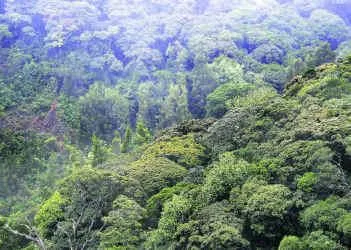
The Mukurthi National Park is located in the Nilgiris District of Tamil Nadu, the south eastern corner of the Nilgiris Plateau. Spread over 78.46 km, this represents one of the very few areas which support a viable population of the Nilgiri Tahr. A fascinating feature of the Mukkurthi National Park is its endemism and relationship with the Himalayan flora and fauna. The entire tract included in the National Park bears natural vegetation typical of higher altitudes of South India, comprising of rolling grassy downs, interspersed with temperate shoals occupying depressions and valleys. The landscape is extremely picturesque and should be zealously protected and preserved to maintain the primeval beauty and grandeur of the tract.
Interesting things to Visit
Flora
The flora of Mukurti National Park of India is very much similar to what is found in the Himalayan range. The landscape is dominated by grasslands, which are mostly dotted with a number of secluded, dense and sharply defined wet temperate mixed forests. These forests consist of savannah woodlands, along with evergreen trees, smaller than the lowland ones. The main sources of water in the park are Billithadahalla, Pykara and Kundah Rivers.
Help Line/Phone Number
Sheela Hospitals
46, Coimbatore, Coimbatore, Tamil Nadu- 0422 2498381
PSG Hospitals
Coimbatore, Coimbatore, Tamil Nadu- 0422 2570170
Vikram Hospital And Ent Research Institute
Venkatasamy Rd, R.S. Puram, Coimbatore, Coimbatore, Tamil Nadu- 0422 2550633
Location info
-
Address: Nilgiri district, Tamil Nadu
-
**District:**Nilgiri district
-
**Nearest City:**Ooty
-
Best time to visit: February to May, September to November
Climate & weather
The average temperature in summers is 18 c to 31 cC .
How to reach Mukurthi National Park
-
**Nearest Railway Station:**Udhagamandalam.
-
**Nearest Airport:**Coimbatore 140 kms
-
**Road Transport:**Regular buses as well as taxis are easily available to and from Coimbatore.
Best time to visit Mukurthi National Park
October to March is the best season for wildlife viewing when animals gather near water sources. Early morning (6–8 AM) and late afternoon (3–5 PM) are the best times for safaris. The park is lush and green post-monsoon. Avoid April–June (extreme heat) and monsoon closures.
Timings & opening hours
Open from 6:00 AM to 6:00 PM daily. Safari timings: morning (6–9 AM) and afternoon (3–5:30 PM). The park may be closed during monsoon season (June–September) for breeding. Check official forest department schedules.
Entry fee & tickets
Entry fee: INR 50–100 for Indian adults, INR 500–1000 for foreign nationals. Vehicle entry: INR 100–300. Jeep safari: INR 500–1500 per person. Camera fee: INR 100–200 (still). Guide fee may be additional. Prices vary by park.
Duration needed
A full-day visit (6–8 hours) including a morning safari, break, and afternoon safari. Overnight stays offer the best wildlife viewing experience with multiple safari sessions.
Safety tips
Stay inside the safari vehicle at all times. Do not get out of the vehicle inside the park. Do not feed animals. Maintain silence for better wildlife sightings. Follow forest guide instructions. Carry insect repellent, especially during dawn and dusk. Avoid wearing bright colours.
Things to carry
Binoculars, camera with telephoto lens, water bottle, hat, sunscreen, light jacket (morning safaris are cool), insect repellent, snacks. Wear earthy-toned clothing (khaki, olive, brown). Valid ID for park registration.
Nearby visiting places
Other wildlife sanctuaries, national parks, hill stations, and forest reserves in the Western Ghats region.
Nearest airport, railway & bus
Nearest airport: the nearest regional airport. Nearest railway station: at the nearest town. Regular bus services connect the park entrance to nearby towns. Private vehicles and taxis can reach the park.
Mobile network coverage
Airtel, Jio, BSNL, and Vi all provide coverage across Tamil Nadu. 4G is reliable in Chennai, Coimbatore, Madurai, and along major highways. Coverage may be weaker in remote sections of the Western Ghats, deep forest reserves, and certain rural interior areas. Free Wi-Fi is widely available in hotels and cafes in urban areas.
Food & restaurants nearby
Basic food options are available at forest rest houses, eco-lodges, and small local eateries near Mukurthi National Park. These typically serve South Indian vegetarian meals including rice, sambar, poriyal, and curd. Visitors are advised to carry packed food and sufficient water when visiting the sanctuary.
Hotels & accommodation nearby
For accommodation near Mukurthi National Park, nearby towns and cities offer options ranging from budget lodges and guesthouses to mid-range hotels. During peak tourist season (December to March) and during major festivals like Pongal (January), it is advisable to book accommodation in advance. Most hotels offer basic amenities including attached bathrooms, fans/AC, and in-house vegetarian food options.
History of Mukurthi National Park
Mukurthi National Park was established to protect the rich biodiversity of the Western/Eastern Ghats region in Tamil Nadu. The park was declared a protected area to conserve its wildlife, especially flagship species like tigers, elephants, and leopards, along with the unique flora of the region. It forms part of an important wildlife corridor in South India.
Things to do at Mukurthi National Park
Take guided jungle safaris through the park’s diverse habitats to spot wildlife in their natural environment. Bird watching — the park is home to numerous bird species including endemics. Visit the park’s interpretation centre to learn about the local ecosystem and conservation efforts.
Nearest petrol pump
Petrol pumps are available at the nearest town before entering the forest area. It is essential to fill fuel before entering the park as there are no fuel stations inside the forest.
Frequently asked questions
What is the best time for wildlife sightings at Mukurthi National Park? October to March is the best season. Early morning safaris (6–8 AM) offer the best chance to see predators and active wildlife.
Are jeep safaris available at Mukurthi National Park? Yes, guided jeep safaris are operated by the forest department. Advance booking is recommended as slots are limited.
What wildlife can be seen at Mukurthi National Park? The park is home to various species including deer, elephants, gaur, leopards, tigers (in some parks), wild boar, and numerous bird species. Wildlife sightings depend on season and luck.
Accessibility
Accessibility information is not currently available for this site. Contact the venue directly or check with your accommodation for the latest accessibility details.
Rules & restrictions
Standard visitor rules apply. Check locally for any specific restrictions at this site.
Best photography spots
The best photography spots are typically during the golden hours (early morning and late afternoon). Scout the location first to identify the best angles, and consider the direction of light at different times of day.
Quick facts
- Type: Tourist Attraction
- State: Tamilnadu
- Category: National Park
Visitor information
Please check locally for current visitor information.
Map & location view
This section is being updated and will be available shortly.
Photo gallery of Mukurthi National Park
Video gallery
Related destinations
Guindy National Park
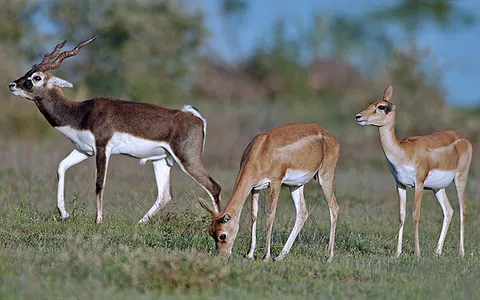
Guindy National Park, probably the smallest national park in the country is located within the city limits of Chennai, the capital of Tamil Nadu. The park with an…
Gulf of Mannar Marine National Park
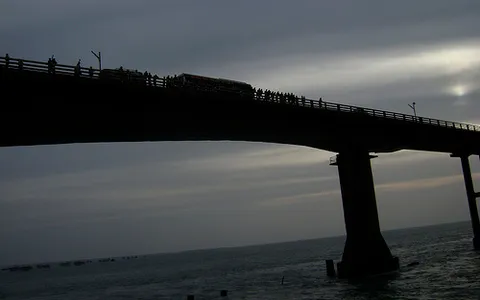
The Gulf of Mannar Marine National Park has the prestigious distinction of being the first Marine Biosphere Reserve not only in India but in the whole of South East…
Indira Gandhi National Park
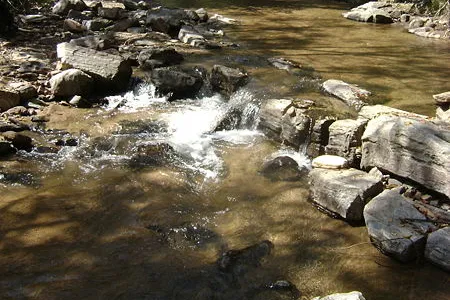
Mudumalai Wildlife Sanctuary is one of the finest and most attractive wildlife sanctuaries in South India. Located amidst the picturesque hilly terrain of the…