Gulf of Mannar Marine National Park
The Gulf of Mannar Marine National Park has the prestigious distinction of being the first Marine Biosphere Reserve not only in India but in the whole of South East Asia. Covering an extensive area of 10,500 sq km, the Gulf of Mannar Marine National Park consists of 21 islands along the coastline of Tamil Nadu. Of these, seven islands belong to Mandapam district, seven to Keelakarai district, three islands to Vembar district and the rest of the four islands to the Tuticorin district.
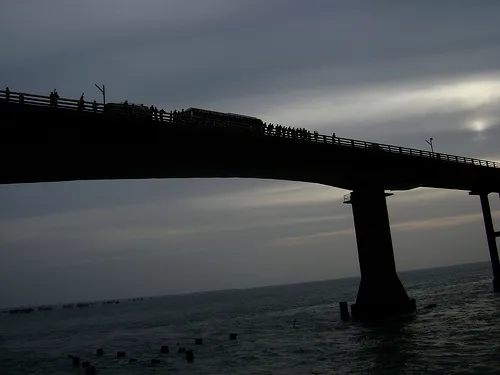
About Gulf of Mannar Marine National Park
This is located in the southeastern tip of Tamil Nadu extending from Rameswaram in the North to Kanyakumari in the south. It is the first marine biosphere reserve (BR) in India. Spreading over an area of 623 hectares (10,500 km�), the area described as the Pamban-to-Tuticorin barrier reef was declared a National Park in 1986 and later converted into a Biosphere Reserve in 1989. The Gulf of Mannar Marine National Park (GOM MNP) comprises of 21 islands surrounded by coral reef areas along with shallow water habitat of unique marine biodiversity. Sea horse, Sea Cow, Dolphins, sea cucumbers etc. are seen here. As all the 21 islands come under the Marine National Park sphere, tourism and other related activities are NOT allowed.
Interesting things to Visit
Major ecosystem types available are Coral reefs, mudflats, beach, island, shallow water, and mangrove .
Sea grass beds dominated by family like Hydrocharitaceae and Potamogetonaceae and species Halodule uninervis, Cymodocea rotunds, C.Serulata ; Coral reefs; mangroves including Rhizophora muctonata, Avicennia alba, Bruguiera gymnorrhiza, Ceriops tagal, Lumnitzera racemosa are also common in the stretch.
The area has all the mangrove species available in India with Pemphis acidula being endemic and all the 11 sea-grasses of india occur here with Enhalus acoroides being endemic . The area supports 147 species of sea-weeds.
Fauna:
Abundance of sea-weeds and sea-grasses in grazing ground attract Sea cow (Dugong dugong) – the flagship species of the protected area. Other marine creatures like Dolphins, Sea-horse, Sea-cucumber, Sea-anemone are common here. 137 coral reef species form the basis of the ecosystem where 3600 species of plants and animals are associated.
Peculiar animal like Balanoglosses living –fossil linking invertebrates and vertebrates is endemic here. Sandy shores of islands is feeding ground for five endangered marine turtles – Green turtle, Olive ridley turtle, Hawksbill turtle, Leatherback turtle and Loggerhead turtle and the first two breed here too.
The islands form a good habitat and a stop over between Chilka lake, Point Calimore and Sri lanka for migratary birds. Nearly 180 birds are found here warders and sea-birds being most common. Lesser sand piper, Curlew sandpiper, Little stint are abundent; Rare birds like Red knot, Eastern knot, Crab plovers Bar tailed Godwit, Broad billed Sandpiper, Dunlin, Longtoed stint, Rednecked phalarope are regulars here. Little tern, Kentish plover, Stone plover, Stone curlew, Lesser crested sterna breed here. Thousands of larger flamingos winter here before returning towards Rann of Kuch.
The Algal Flora of the Coral Reefs:
The algal species composition on the coral reefs is different from that found in the lagoons. The following species are noticed in the reefs,Padina was observed on the shores and lagoons. Gracilaria Lichenoides was found more on the shore and lagoon than on reefs. Sargassum and Turbinaria are found on the shoreward part of the reefs.The predominant species on the coral reefs is Halimeda opuntia. Caulerpa, Sargassum, Amphiroa fragilissima, Gracilaria lichenoides are the other dominant species.
The Seagrass Ecosystem
The Gulf of Mannar is rich in sea grasses. The following species belonging to Hydrocharitaceae and Potamogetonaceae have been recorded. The sea grass beds provide food sources for the sea mammals, particularly Dugong dugong which feeds upon these pastures on the Gulf shoreline and surrounding islands like Krusadai. The Dugongs prefer pastures of Halodule uninervis for food.
The Coral Reef Formations
In the Gulf of Mannar fringing and patch coral reefs occur. The reef framework is complex. It forms the basis of a very elaborate and functional ecosystem. The coral reefs exert influence on the course of water current. They also provide shelter to a great diversity of algae, sponges, and fishes, just to mention three groups. With the help of calcareous algae in shallow sea, the harmatypic corals build primary reef formation with secondary detrital reefs in deeper water. Apart from the sedimentary and fixed algae, we encounter drifting and imprisoned phytoplankton. Calcification is important for the formation of the coral reefs. There is no relationship between photosynthesis and calcification. Upon coral reefs, phytoplankton and algal populations assume greater significance. The hermatypic coral harbour filamentous algae in their “skeletal framework” as well as symbiotic zooxanthellae in their soft parts. The imprisoned algae release oxygen during photosynthesis, enough to meet the entire respiratory needs of corals and even spares the surplus production of oxygen.
Help Line/Phone Number
Pioneer Hospitals (P)
NH 49, Ramanathapuram, Ramanathapuram, Tamil Nadu- 04567 221317
Keelakarai Govt. Hospital
Keelakarai, Ramanathapuram, Tamil Nadu
Location info
-
**Address:**Madurai Salai, Mandapam, Ramanathapuram Tamil Nadu
-
**District:**Ramanathapuram
-
**Nearest City:**Ramanathapuram
-
Best time to visit: Throughout the Year
Climate & weather
The average temperature in summers is 25 c to 31 cC . This is located in Bay of Bengal.
History of Gulf of Mannar Marine National Park
A chain of low islands and reefs known as Rama’s Bridge (based on the epic Ramayana), also called Adam’s Bridge, separates the Gulf of Mannar from the Palk Strait, which lies to the north between India and Sri Lanka. Tambaraparani River from the coast of India and the Aruvi Aru from the coast of Sri Lanka merges with the Indian Ocean on both sides of the park. .The park is established in the year 1986.
How to reach Gulf of Mannar Marine National Park
-
Nearest Railway Station: Mandapam/ Toothukudi
-
**Nearest Airport:**Madurai
**Road Transport:**Rameshwaram is km away from the park and Ramanathapuram is 40 km away. There are plenty of buses available from both these places to the National Park. .
Best time to visit Gulf of Mannar Marine National Park
October to March is the best season for wildlife viewing when animals gather near water sources. Early morning (6–8 AM) and late afternoon (3–5 PM) are the best times for safaris. The park is lush and green post-monsoon. Avoid April–June (extreme heat) and monsoon closures.
Timings & opening hours
Open from 6:00 AM to 6:00 PM daily. Safari timings: morning (6–9 AM) and afternoon (3–5:30 PM). The park may be closed during monsoon season (June–September) for breeding. Check official forest department schedules.
Entry fee & tickets
Entry fee: INR 50–100 for Indian adults, INR 500–1000 for foreign nationals. Vehicle entry: INR 100–300. Jeep safari: INR 500–1500 per person. Camera fee: INR 100–200 (still). Guide fee may be additional. Prices vary by park.
Duration needed
A full-day visit (6–8 hours) including a morning safari, break, and afternoon safari. Overnight stays offer the best wildlife viewing experience with multiple safari sessions.
Safety tips
Stay inside the safari vehicle at all times. Do not get out of the vehicle inside the park. Do not feed animals. Maintain silence for better wildlife sightings. Follow forest guide instructions. Carry insect repellent, especially during dawn and dusk. Avoid wearing bright colours.
Things to carry
Binoculars, camera with telephoto lens, water bottle, hat, sunscreen, light jacket (morning safaris are cool), insect repellent, snacks. Wear earthy-toned clothing (khaki, olive, brown). Valid ID for park registration.
Nearby visiting places
Other wildlife sanctuaries, national parks, hill stations, and forest reserves in the Western Ghats region.
Nearest airport, railway & bus
Nearest airport: the nearest regional airport. Nearest railway station: at the nearest town. Regular bus services connect the park entrance to nearby towns. Private vehicles and taxis can reach the park.
Mobile network coverage
Airtel, Jio, BSNL, and Vi all provide coverage across Tamil Nadu. 4G is reliable in Chennai, Coimbatore, Madurai, and along major highways. Coverage may be weaker in remote sections of the Western Ghats, deep forest reserves, and certain rural interior areas. Free Wi-Fi is widely available in hotels and cafes in urban areas.
Food & restaurants nearby
Basic food options are available at forest rest houses, eco-lodges, and small local eateries near Gulf of Mannar Marine National Park. These typically serve South Indian vegetarian meals including rice, sambar, poriyal, and curd. Visitors are advised to carry packed food and sufficient water when visiting the sanctuary.
Hotels & accommodation nearby
For accommodation near Gulf of Mannar Marine National Park, nearby towns and cities offer options ranging from budget lodges and guesthouses to mid-range hotels. During peak tourist season (December to March) and during major festivals like Pongal (January), it is advisable to book accommodation in advance. Most hotels offer basic amenities including attached bathrooms, fans/AC, and in-house vegetarian food options.
Things to do at Gulf of Mannar Marine National Park
Take guided jungle safaris through the park’s diverse habitats to spot wildlife in their natural environment. Bird watching — the park is home to numerous bird species including endemics. Visit the park’s interpretation centre to learn about the local ecosystem and conservation efforts.
Nearest petrol pump
Petrol pumps are available at the nearest town before entering the forest area. It is essential to fill fuel before entering the park as there are no fuel stations inside the forest.
Frequently asked questions
What is the best time for wildlife sightings at Gulf of Mannar Marine National Park? October to March is the best season. Early morning safaris (6–8 AM) offer the best chance to see predators and active wildlife.
Are jeep safaris available at Gulf of Mannar Marine National Park? Yes, guided jeep safaris are operated by the forest department. Advance booking is recommended as slots are limited.
What wildlife can be seen at Gulf of Mannar Marine National Park? The park is home to various species including deer, elephants, gaur, leopards, tigers (in some parks), wild boar, and numerous bird species. Wildlife sightings depend on season and luck.
Accessibility
Accessibility information is not currently available for this site. Contact the venue directly or check with your accommodation for the latest accessibility details.
Rules & restrictions
Standard visitor rules apply. Check locally for any specific restrictions at this site.
Best photography spots
The best photography spots are typically during the golden hours (early morning and late afternoon). Scout the location first to identify the best angles, and consider the direction of light at different times of day.
Quick facts
- Type: Tourist Attraction
- State: Tamilnadu
- Category: National Park
Visitor information
Please check locally for current visitor information.
Map & location view
This section is being updated and will be available shortly.
Photo gallery of Gulf of Mannar Marine National Park
Video gallery
Related destinations
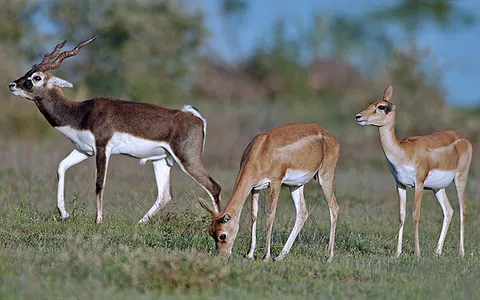
Guindy National Park
Guindy National Park, probably the smallest national park in the country is located within the city limits of Chennai, the capital of Tamil Nadu. The park with an…
Indira Gandhi National Park
Mudumalai Wildlife Sanctuary is one of the finest and most attractive wildlife sanctuaries in South India. Located amidst the picturesque hilly terrain of the…
Mudumalai National Park
Mudumalai National Park is one of the finest and most attractive wildlife sanctuaries in south India. Located in the most picturesque surroundings of the hilly…