Indira Gandhi National Park
Mudumalai Wildlife Sanctuary is one of the finest and most attractive wildlife sanctuaries in South India. Located amidst the picturesque hilly terrain of the Western Ghats, the Mudumalai National Park spans an area of approximately 321 sq km. The Mysore-Ooty highway runs through the park, following the Moyar River, which separates Mudumalai National Park from the famous Bandipur Tiger Reserve in Karnataka. This sanctuary is also part of the renowned Nilgiri Biosphere Reserve of India.
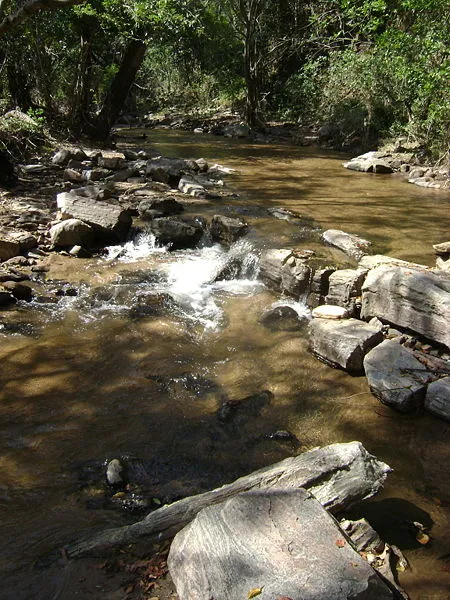
About Indira Gandhi National Park
Situated at the foothills of the Nilgiri hills in Tamil Nadu, Mudumalai, which translates to “ancient hills,” was declared a reserve in 1927 and converted into a sanctuary in 1940. It shares borders with Bandipur National Park in Karnataka and Wayanad Wildlife Sanctuary in Kerala, forming part of an interconnected Nilgiri Biosphere Reserve that includes Nagarhole National Park. The Moyar River marks the natural boundary, supporting a rich ecosystem that includes both dry and moist deciduous forests.
Nestled on the northeastern slopes of the Nilgiris, Mudumalai Wildlife Sanctuary holds the distinction of being the first wildlife sanctuary created in South India in 1940. It features a diverse terrain of undulating Western Ghats spanning Tamil Nadu’s interstate boundaries with Karnataka and Kerala. Nearby reserves, including Bandipur and Wayanad, as well as Sigur and Singara forests, enhance its strategic conservation value. Known for its vibrant birdlife, Mudumalai attracts birdwatchers with endemic species such as the Malabar Trogon, Malabar Grey Hornbill, and Malabar Great Black Woodpecker.
Mudumalai serves as an important corridor for migratory elephants, enabling their movement through Nagarhole, Bandipur, and Mudumalai toward the forests of Kerala. A visit to the Theppakadu Elephant Camp offers an interactive experience with elephants and mahouts, and this camp is renowned for having the highest number of elephant births in captivity. The sanctuary also houses a critical Elephant Rescue and Rehabilitation Center that works actively toward wildlife preservation.
Since its designation as a tiger reserve in 2007, Mudumalai has contributed significantly to India’s tiger conservation efforts. The park supports a diverse ecosystem with over 50 species of mammals, 227 species of birds, 21 species of amphibians, and various fish species. Key wildlife includes the Bengal tiger, Indian elephant, Indian leopard, gaur, and several endangered species, such as the Indian white-rumped vulture and long-billed vulture. Conservation initiatives have increased protection measures to ensure sustainable biodiversity.
The optimal time to visit Mudumalai National Park is between October and May, avoiding the monsoon season when heavy rains can limit accessibility. Activities for visitors include jungle safaris, birdwatching, and tours of the Theppakadu Elephant Camp, promising an unforgettable experience in this pristine sanctuary. The recently improved infrastructure includes guided jeep and van safaris and eco-lodges that offer unique wildlife encounters while supporting sustainable tourism.
Climate/Weather
The climate at Mudumalai National Park is generally moderate and suitable for visiting year-round. However, the park experiences three distinct seasons:
- Summer (March to May): Temperatures can range from 25°C to 35°C. Though warm, mornings and evenings remain pleasant, and wildlife sightings are frequent around water sources.
- Monsoon (June to September): The park receives moderate to heavy rainfall, particularly in July and August. This season brings lush greenery but may limit access to some areas due to rain.
- Winter (October to February): Temperatures are cooler, ranging from 15°C to 25°C, with a mild chill in the early mornings and evenings. This is considered the best season to visit for both comfortable weather and active wildlife sightings.
The ideal time to visit Mudumalai National Park is from October to May, avoiding the peak monsoon season. Visitors should prepare for varying temperatures depending on the season, with light layers recommended during winter months.
Interesting things to Visit
Fauna
The Anamalai wildlife sanctuary has various kinds of fauna like Panther, Elephant, Gaur, Sloth Bear, Tiger, Deer, Wild Bear, Porcupine, Wild Dog, Flying Squirrel, Jackal, Civet Cat, Pangolin and birds like Rocket-tailed Drongo, Red Tree Pie, Whiskered Bulbul, Spotted Dove, Black Headed Oriole, Pigeon etc. There is a reservoir (the Amaravati reservoir) in the Anamalai, having a large number of crocodiles.
Attractions at Anamali
There are many places of natural and scenic beauty in the Annamalai wildlife sanctuary. Some of them are Grass hills, Karianshola, Anaikunthi Shola, groves, waterfalls, teak forests, reservoirs and dams. There are arrangements of exploring the sanctuary on elephant back or by van.
Topslip is the place of first choice to most of the tourists. Ample accommodation, vehicle ride, elephant ride and regulated nature walk are provided. Adjacent Karianshola a tropical rain forest with tall rising trees and well-developed canopy forest is for serious visitors. Medicinal Plants Conservation area (MPCA) and interpretation centre here cannot be missed. In the west, it connects with Kerala’s Parambikulam Wildlife Sanctuary and a joint visit would give a taste of varied landscape and lot of surprises.Elephant camp at Chinnar is 25 KM from Topslip. Grassy swamps and teak plantations and the Seychalli valley are other interesting spots
Valparai is one of the highest mid elevation hill resort in the country. The tea plantations are surrounded by evergreen moist deciduous forest a rich elephant tract and a panther prowl.
Grasshills can be reached conventionally through pollachi over the Attakatti ghat or from topslip via vargaliar and manompally. The shoals and grass lands which are continuous with the grass lands till Konalar hut and a briddle path connects the grass hills of the Eravikulam National Park in Munnar district. Rhododenron, Kurinji are popular in this tract. Tiger, panther, Elephant Nilgiri Tahr and many other wildlife are found to be peacefully existing in this area. The grass hills road ends at Konalar, a small mountain stream across which the Konalar hut is located.
Location info
-
Address: Mudumalai National Park, Nilgiri District, Tamil Nadu, India
-
District: Nilgiri
-
Nearest City: Gudalur - 16 km
Best Time to Visit: The park has a moderate climate year-round, but the best time to visit for pleasant weather and optimal wildlife sightings is from October to May.
Best time to visit: Moderate warm climate almost through the year makes it attractive destination throughout the year but the best time to visit would be December to April.
Nearest petrol pump
Indian Oil Petrol Pump - Thorapalli, approximately 7 km towards Gudalur.
HP Petrol Pump - Gudalur, about 18 km towards Ooty.
Shell Petrol Pump - Gundlupet, roughly 30 km towards Mysuru.
It is recommended to refuel your vehicle before entering the park to ensure a smooth visit.
Best time to visit Indira Gandhi National Park
October to March is the best season for wildlife viewing when animals gather near water sources. Early morning (6–8 AM) and late afternoon (3–5 PM) are the best times for safaris. The park is lush and green post-monsoon. Avoid April–June (extreme heat) and monsoon closures.
Timings & opening hours
Open from 6:00 AM to 6:00 PM daily. Safari timings: morning (6–9 AM) and afternoon (3–5:30 PM). The park may be closed during monsoon season (June–September) for breeding. Check official forest department schedules.
Entry fee & tickets
Entry fee: INR 50–100 for Indian adults, INR 500–1000 for foreign nationals. Vehicle entry: INR 100–300. Jeep safari: INR 500–1500 per person. Camera fee: INR 100–200 (still). Guide fee may be additional. Prices vary by park.
Duration needed
A full-day visit (6–8 hours) including a morning safari, break, and afternoon safari. Overnight stays offer the best wildlife viewing experience with multiple safari sessions.
Safety tips
Stay inside the safari vehicle at all times. Do not get out of the vehicle inside the park. Do not feed animals. Maintain silence for better wildlife sightings. Follow forest guide instructions. Carry insect repellent, especially during dawn and dusk. Avoid wearing bright colours.
Things to carry
Binoculars, camera with telephoto lens, water bottle, hat, sunscreen, light jacket (morning safaris are cool), insect repellent, snacks. Wear earthy-toned clothing (khaki, olive, brown). Valid ID for park registration.
Nearby visiting places
Other wildlife sanctuaries, national parks, hill stations, and forest reserves in the Western Ghats region.
Nearest airport, railway & bus
Nearest airport: the nearest regional airport. Nearest railway station: at the nearest town. Regular bus services connect the park entrance to nearby towns. Private vehicles and taxis can reach the park.
Mobile network coverage
Airtel, Jio, BSNL, and Vi all provide coverage across Tamil Nadu. 4G is reliable in Chennai, Coimbatore, Madurai, and along major highways. Coverage may be weaker in remote sections of the Western Ghats, deep forest reserves, and certain rural interior areas. Free Wi-Fi is widely available in hotels and cafes in urban areas.
Food & restaurants nearby
Basic food options are available at forest rest houses, eco-lodges, and small local eateries near Indira Gandhi National Park. These typically serve South Indian vegetarian meals including rice, sambar, poriyal, and curd. Visitors are advised to carry packed food and sufficient water when visiting the sanctuary.
Hotels & accommodation nearby
For accommodation near Indira Gandhi National Park, nearby towns and cities offer options ranging from budget lodges and guesthouses to mid-range hotels. During peak tourist season (December to March) and during major festivals like Pongal (January), it is advisable to book accommodation in advance. Most hotels offer basic amenities including attached bathrooms, fans/AC, and in-house vegetarian food options.
History of Indira Gandhi National Park
Indira Gandhi National Park was established to protect the rich biodiversity of the Western/Eastern Ghats region in Tamil Nadu. The park was declared a protected area to conserve its wildlife, especially flagship species like tigers, elephants, and leopards, along with the unique flora of the region. It forms part of an important wildlife corridor in South India.
Things to do at Indira Gandhi National Park
Take guided jungle safaris through the park’s diverse habitats to spot wildlife in their natural environment. Bird watching — the park is home to numerous bird species including endemics. Visit the park’s interpretation centre to learn about the local ecosystem and conservation efforts.
Helpline & emergency contacts
Forest department helpline: 1926 (toll-free). Police: 112. Ambulance: 108. The park headquarters has basic medical facilities. The nearest town has a hospital.
Frequently asked questions
What is the best time for wildlife sightings at Indira Gandhi National Park? October to March is the best season. Early morning safaris (6–8 AM) offer the best chance to see predators and active wildlife.
Are jeep safaris available at Indira Gandhi National Park? Yes, guided jeep safaris are operated by the forest department. Advance booking is recommended as slots are limited.
What wildlife can be seen at Indira Gandhi National Park? The park is home to various species including deer, elephants, gaur, leopards, tigers (in some parks), wild boar, and numerous bird species. Wildlife sightings depend on season and luck.
Accessibility
Accessibility information is not currently available for this site. Contact the venue directly or check with your accommodation for the latest accessibility details.
Rules & restrictions
Standard visitor rules apply. Check locally for any specific restrictions at this site.
Best photography spots
The best photography spots are typically during the golden hours (early morning and late afternoon). Scout the location first to identify the best angles, and consider the direction of light at different times of day.
Quick facts
- Type: Tourist Attraction
- State: Tamilnadu
- Category: National Park
Visitor information
Please check locally for current visitor information.
How to reach Indira Gandhi National Park
By Air: Coimbatore International Airport, 160 km away, is the nearest airport. Taxis and buses are available to the park. By Rail: Nearest stations are Ooty (64 km) and Mysore (90 km). Both have taxis and bus services to Mudumalai. By Road: Mudumalai is well-connected by road: Ooty - 50 km, 1.5 hours Mysore - 90 km, 2.5 hours Coimbatore - 160 km, 4 hours Regular buses and taxis are available from these cities. Ooty - 50 km, 1.5 hours Mysore - 90 km, 2.5 hours Coimbatore - 160 km, 4 hours
Map & location view
This section is being updated and will be available shortly.
Photo gallery of Indira Gandhi National Park
Video gallery
Related destinations
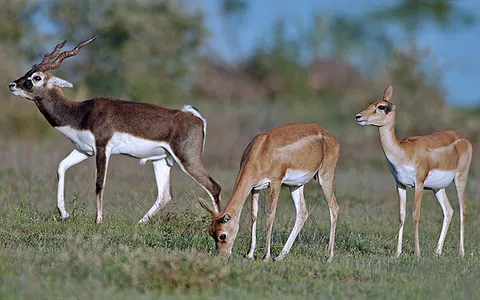
Guindy National Park
Guindy National Park, probably the smallest national park in the country is located within the city limits of Chennai, the capital of Tamil Nadu. The park with an…
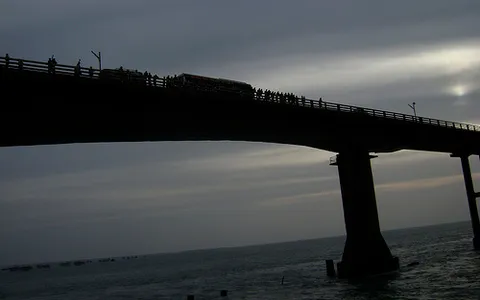
Gulf of Mannar Marine National Park
The Gulf of Mannar Marine National Park has the prestigious distinction of being the first Marine Biosphere Reserve not only in India but in the whole of South East…
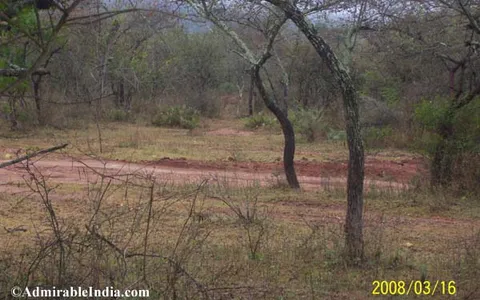
Mudumalai National Park
Mudumalai National Park is one of the finest and most attractive wildlife sanctuaries in south India. Located in the most picturesque surroundings of the hilly…