Rameshwaram Temple
The Ramanathaswamy Temple is regarded as one of the most sacred shrines of Hindus in India. It is an honoured pilgrimage destination, which represents the southernmost of the 12 Jyotirlingams of India. It is considered as holy as Banaras. This famous Hindu temple situated on the Rameshwaram island is located off the Sethu coast of Tamil Nadu. The temple is noted for its close association with Ramayana and the legendary victory of Rama over the demon king Ravana.
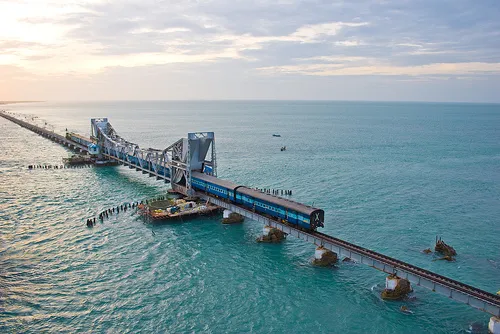
About Rameshwaram Temple
Rameshwaram is an island situated in the gulf of manner at the very tip of the Indian peninsula. A very important pilgrim centre of the Indians. Rameshwaram is the place from where Lord Rama, built a bridge across the sea to rescue his consort Sita, from her abductor, Ravana. This is also the place where Rama worshipped Lord Shiva to cleanse away the sin of killing Ravana. Both the Vaishnavites and Shaivites visit this pilgrimage which is known as the Varanasi the south.Rameshwaram is significant for the Hindus as a pilgrimage to Benaras is incomplete without a Pilgrimage to Rameshwaram. The presiding deity is the Linga Of Sri Ranganatha, which happens to be one of the twelve Jyotirlingas of India. Rameshwaram is also popularly referred to as the ‘Benaras of the south’. In order to attain Moksha it is believed that the visit to Rameshwaram is mandatory.
Rameshwaram is a destination, which attracts tourists with its history and grandeur. Rameshwaram has some of the most exciting attractions. Some of them include, Ramanatha Swamy Temple and the Agnitriham tank. People coming to visit this temple , ideally take a bath at the Agnitriham. Another significant attraction is the Ramjharoka temple, which houses the imprints of Lord Rama’ s feet placed on a chakra. This temple is situated at the highest point of the Island of Rameshwaram, Gandamadana Parvatham, another major tourist attraction. This point is situated at a distance of 5 kms from Rameshwaram.
History
History of Rameshwaram dates back to several centuries. The region has witnessed the rise and fall of several dynasties that ruled this region of South India. The Pandya Dynasty reigned in this region till the 15th century. The Nayak kings of Vijayanagar Empire ruled in the region till the end of the 17th century. The Sethupathis gained power after the fall of the Nayaks. The Sethupathis were the earlier chieftains of the region. They were connoisseurs of art and architecture. During this time, art and architecture flourished in the region under the patronage of the Sethupathis chieftains. Some of the prominent chieftains of the region were Muthuramalinga Sethupathy, Udayan Sethupathy, Raghunatha Sethupathy and Thirumalai Sethupathy. The statues of the chieftains are placed in the temple of the region.
Stretched over a vast area of 15 acres, Rameswaram Temple is the typical specimen of Dravidian style of architecture. The skyscraping gopurams (spires) truly dominate the skyline of Rameshwaram. The shrine is acknowledged for having the largest temple hallway in India. This pillared corridor extends to 4000 feet in length, embracing more than 4000 pillars. Erected on a raised plinth, granite pillars are intricately carved with beautiful images. A hard fact about this corridor reveals that the rock doesn’t belong to the island and it was imported from somewhere across the sea.
Interesting places to Visit
Rameshwaram is a destination, which attracts tourists with its history and grandeur. Rameshwaram has some of the most exciting attractions. Some of them include, Ramanatha Swamy Temple and the Agnitriham tank. People coming to visit this temple , ideally take a bath at the Agnitriham. Another significant attraction is the Ramjharoka temple, which houses the imprints of Lord Rama’ s feet placed on a chakra. This temple is situated at the highest point of the Island of Rameshwaram, Gandamadana Parvatham, another major tourist attraction. This point is situated at a distance of 5 kms from Rameshwaram.
Entire Rameshwaram is dotted with temples in honor of Rama, Sita, Lakshmana and Hanuman. In the south of the island of Rameshwaram is Dhanushkodi, a place that derives its name from the dhanush of Lord Rama. Dhanushkodi is at a distance of 2 kms from the Railway Station and is easily approachable by road from any part of Rameshwaram
The most popular destinations from Rameshwaram are Erwadi situated around 24 kms from Rameshwaram. It is noted for the tomb of saint Ibrahim Syed Aulia. Ramanathapuram is another important destination nearby Rameshwaram.
The highlight of this ancient town is the Ram Vilas Palace of Sethupati Rajas. Uthirakosamangai, situated 16-km southwest of Ramanathapuram has a well-known Shiva temple. The temple has inspired many Tamil works of devotion. Sethu is situated around 5-km south of this temple which is also the venue of the celebrated temple of Sri Anjaneya. According to the legends this the place where Sri Rama built a bridge to Sri Lanka.
Twenty Two Wells
Ramanathswamy Temple has twenty two wells in its complex. Being the main attraction of this temple, the wells are also recognized with their distinct properties. All of these wells have water of different taste, temperature, salinity and have curative properties as well. It is said that these wells were made by Lord Rama himself, when he fired arrows in the sand.
Nearest Visiting places
Ramanathapuram :The Ram Vilas Palace of the Sethupati Rajas is a must visit place. The oil portraits of the Rajas of the past centuries and the articulately designed ceilings and walls embellished with eighteenth century murals, the subjects of which vary from business. Meetings with the English to battles with the Marathas, make this place more interesting.
Sethu:five km south of the temple is Sethu, where there is a celebrated temple of Sri Anjaneya, and where, tradition holds, Sri Rama built a bridge to Sri Lanka. In Devipatnam, or Navapashanam, also by the sea, there are nine stones visible at low tide. It is believed that they were set up by Sri Rama to represent the nine planets, the Navagrahas.
Tirupullani:Outside the island, there are three other sites traditionally connected with Sri Rama’s expedition to Sri Lanka. A big temple in Tiruppullani commemorates the tradition that there the Lord obtained a bow and arrows to use in the impending war from its presiding Deity and also that the Lord of the Ocean who had refused to help Him finally submitted.
Uthirakosamangai:sixteen km southwest of Ramanathapuram stands the renowed Shiva temple of Uttarakosamangai. Manikkavachagar has sung of it. The Lord is Mangaleshvara and the Goddess Mangalesvari. The temple has inspired many Tamil works of devotion. So, of course, has the Ramanatha temple in Rameshwaram.
Hotels/Lodge/Accommodation
The temple town offers a range of options from budget lodges and guesthouses to mid-range hotels, many within walking distance of the temple. During festivals, book well in advance.
Help Line/Phone Number
Police Station:
Temple Police Station
Rameshwaram, Ramanathapuram, Tamil Nadu
Nearest Hospital:
Pioneer Hospitals (P)
NH 49, Ramanathapuram, Ramanathapuram, Tamil Nadu- 04567 221317
Keelakarai Govt. Hospital
Keelakarai, Ramanathapuram, Tamil Nadu
Location info
-
Address: Rameshwaram,Ramanathpuram, Chennai, Tamilnadu
-
District: Ramanathpuram
-
Nearest City: Rameshwaram
-
Best time to visit: January and March
Climate & weather
The average temperature recorded during the summers is 33°C. The climate is cool and pleasant during the winters.
How to reach Rameshwaram Temple
-
**Nearest Railway Station:**Rameshwaram
-
**Nearest Airport:**Madurai ( 163)
**Road Transport:**Rameshwaram is well connected to all major cities by road. The bus station is 2 km west of town. Buses run to Madurai four times daily and to Kanyakumari, Trichy and Chennai. There are also a number of buses to Pondicherry, Trichy and Thanjavur via Madurai
Best time to visit Rameshwaram Temple
November to February when the weather is pleasant and cool. Early morning (6–8 AM) is ideal for a peaceful darshan. Temple festivals (Brahmotsavam, Panguni Uthiram) are spectacular but crowded. Avoid midday heat (12–4 PM).
Timings & opening hours
Typically 6:00 AM to 12:00 PM and 4:00 PM to 8:00 PM daily. Some temples open continuously from early morning until night. Pooja timings vary by season — check locally.
Entry fee & tickets
Entry is usually free. Special darshan tickets may cost INR 50–200. Camera fees: INR 20–50 for still photography, INR 100–150 for video. Some major temples have separate ticket counters for special abhishekam.
Duration needed
1–2 hours for a typical visit. Allow 2–3 hours for larger temple complexes with multiple shrines and mandapams. Festival days require more time.
Safety tips
Beware of pickpockets in crowded areas during festivals. Keep valuables secure. Wear comfortable footwear that can be removed easily — temple floors can be hot in summer. Stay hydrated. Follow security instructions at major temple complexes.
Things to carry
Remove footwear before entering the sanctum. Carry a cloth bag for shoes. Modest clothing (shoulders and knees covered). Small change for offerings and prasadam. Drinking water — temple premises can be warm.
Nearest airport, railway & bus
By Air: Madurai International Airport (IXM) is the nearest major airport, well-connected to domestic destinations including Chennai, Bengaluru, Mumbai, Delhi, and Hyderabad. Taxis and app-based cabs are available from the airport.
By Train: Rameswaram Station (RMM) is the nearest major railway station, served by express and passenger trains connecting to cities across India. From the station, local transport including auto-rickshaws, taxis, and buses are available.
By Road: Rameshwaram Temple is well-connected by Tamil Nadu State Transport Corporation (TNSTC) buses and private operators. Regular bus services from Madurai and nearby towns connect to the destination. National and state highways provide good road connectivity for self-drive visitors.
Mobile network coverage
Airtel, Jio, BSNL, and Vi all provide coverage across Tamil Nadu. 4G is reliable in Chennai, Coimbatore, Madurai, and along major highways. Coverage may be weaker in remote sections of the Western Ghats, deep forest reserves, and certain rural interior areas. Free Wi-Fi is widely available in hotels and cafes in urban areas.
Food & restaurants nearby
Tamil Nadu’s temple cities (Madurai, Thanjavur, Rameswaram) have excellent vegetarian restaurants, temple prasad counters, and traditional Tamil meals served on banana leaves. Major cities offer multi-cuisine dining.
Things to do at Rameshwaram Temple
Visit the temple during different pooja times to experience the spiritual atmosphere. Explore the temple architecture — the gopurams, vimana, and pillared halls. Observe the daily rituals and ceremonies. Participate in the temple festivals if visiting during auspicious dates.
Things to visit & highlights
The main sanctum sanctorum is the spiritual heart of the temple. The towering gopurams (gateway towers) are adorned with colourful sculptures depicting deities and mythological scenes. The temple’s mandapams (pillared halls) and the sacred temple tank are key highlights.
Nearest petrol pump
Petrol pumps are available in the nearest town and along the approach roads to the temple. Major fuel stations (Indian Oil, Bharat Petroleum) are within 5–10 km.
Frequently asked questions
What is the best time to visit Rameshwaram Temple? Early morning (6–8 AM) is the best time for a peaceful darshan. Temple festivals and special occasions draw large crowds.
Is photography allowed inside Rameshwaram Temple? Photography rules vary — still cameras are usually allowed in the outer precincts. Flash photography is typically prohibited inside the sanctum. Video cameras may require special permission.
What is the dress code for visiting Rameshwaram Temple? Modest dress covering shoulders and knees is required. Traditional Indian attire (saree, salwar kameez, dhoti, pyjama) is preferred.
Accessibility
Religious sites may have steps at the entrance and may not have ramps. The interiors are generally level once inside. Some historic sites have uneven stone floors. Visitors with mobility concerns should check in advance.
Rules & restrictions
Modest dress is required: shoulders and knees must be covered (scarves or shawls are often available at the entrance). Photography is generally permitted without flash, but video may be restricted. Maintain silence inside. Mobile phones should be on silent mode. Remove shoes if required (indicated by signage). Do not touch artefacts or altars. These are active places of worship — respect services, festivals, and devotees.
Best photography spots
Tamil Nadu has several historic churches including San Thome Basilica in Chennai (built over the tomb of St. Thomas) and the Velankanni Basilica (Our Lady of Good Health). The colonial-era churches in hill stations and Fort St. George are smaller but photogenic. Shoot early morning for the best light.
Quick facts
- Type: Tourist Attraction
- State: Tamilnadu
- Category: Temples
Visitor information
Please check locally for current visitor information.
Map & location view
This section is being updated and will be available shortly.
Photo gallery of Rameshwaram Temple
Video gallery
Related destinations
Ashtabujam Temple
Weather of the temple city of Kanchipuram is pleasant enough. Essentially a tropical climate, the temperature here is stable between 280 C and 380 C all through the…
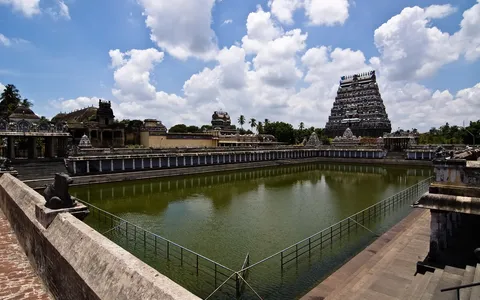
Chidambaram Temple
This temple is dedicated to Lord Shiva located at the heart of the temple town of Chidambaram, in Cuddalore District, the east-central part of the Tamil Nadu . The…
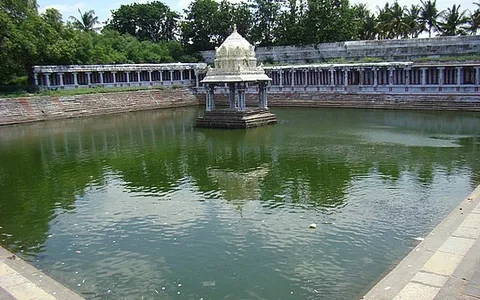
Ekambaranathar Temple
The Sri Ekambaranathar Temple was originally built before the mid-9th century by the Pallavas, but its most significant feature, a massive, 200-foot gopuram with…