Kumarakottam Temple
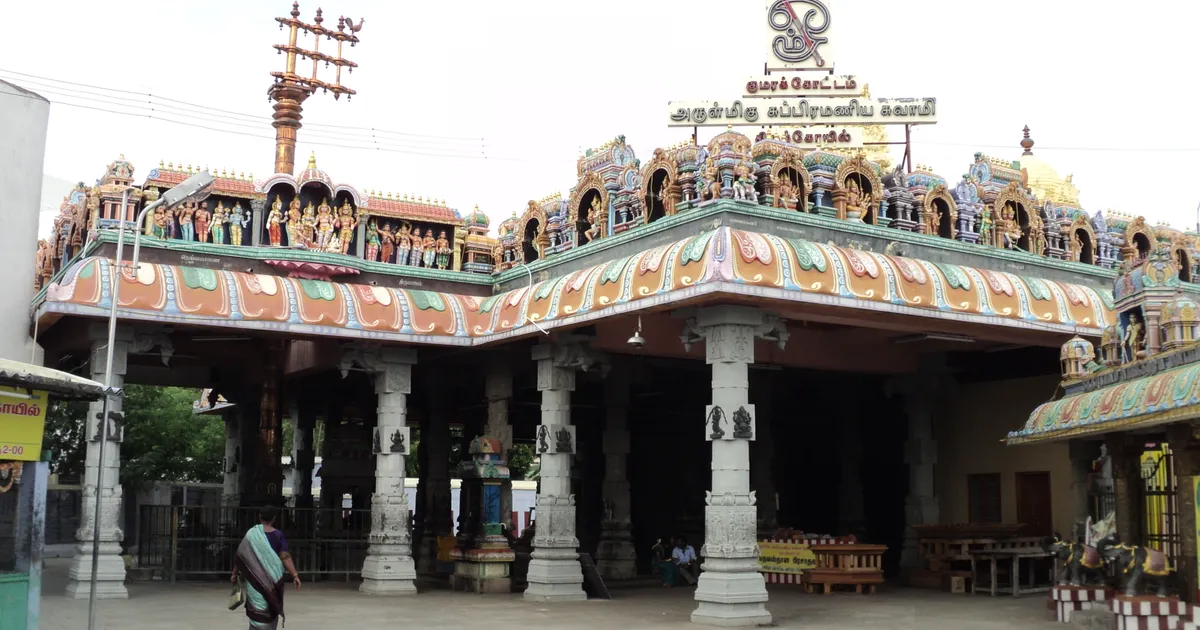
The temple deity, Sri Subrahmanya, also known as Kumarakottam, is located on West Raja Street near Gangaikondan Mandapam and Sri Sankaramutt in Big Kanchipuram. It is situated between the temples of Sri Ekambareswara and Sri Kamakshi. In this temple, the sacred text Kanda Puranam, which praises Lord Muruga, was composed by the saintly scholar Kachiappa Sivachariyar. According to Kachiappa’s account, each day he would write about the life and deeds of Lord Murugan (also known as Skanda) and…
About Kumarakottam Temple
The temple deity, Sri Subrahmanya, also known as Kumarakottam, is located on West Raja Street near Gangaikondan Mandapam and Sri Sankaramutt in Big Kanchipuram. It is situated between the temples of Sri Ekambareswara and Sri Kamakshi.
In this temple, the sacred text Kanda Puranam, which praises Lord Muruga, was composed by the saintly scholar Kachiappa Sivachariyar. According to Kachiappa’s account, each day he would write about the life and deeds of Lord Murugan (also known as Skanda) and place his manuscript at the feet of Lord Subrahmanya in the Kumara Kottam temple. Legend holds that each night, Lord Muruga Himself would make corrections to Kachiappa’s work, making *Kanda Puranam* an authoritative account of Lord Murugan’s story with divine approval.
Mythologically, it is believed that Lord Muruga once punished Lord Brahma for his ignorance of the Pranava mantra by striking him on his vortex with his fist and imprisoning him. During Brahma’s imprisonment, Muruga assumed the role of Creator, a form known as Brahmasasta, which is how He is enshrined in the Kumara Kottam Temple.
The Subramanyar here was worshipped by the sage Agasthiar. Although this is primarily a Murugan temple, it also houses deities for Lord Shiva as Arunachaleswarar with Abitha Kuchalambal and Sarabeswarar (depicted in a pillar). A unique *Sarabeswara Pooja* is conducted here every Sunday during Rahu Kala (4:30 PM to 6:00 PM), drawing special attention from devotees.
Climate/Weather
Summer (March to June): Summers in Kanchipuram are hot and humid, with temperatures ranging from 25°C to 40°C. It is generally not recommended to visit during this period due to the high temperatures.
Monsoon (July to September): The monsoon season brings moderate to heavy rainfall, which cools down the atmosphere slightly. The region becomes lush and green, providing a refreshing environment for visitors, although occasional showers may interrupt plans.
Winter (November to February): Winters are mild and pleasant, with temperatures ranging from 20°C to 30°C, making it the best time to visit. The cooler weather allows for comfortable exploration of the temple and surrounding areas.
History
Once, Lord Brahma, along with Devendra and other Devas, was traveling to Mount Kailash to pay respects to Lord Shiva. Along their path, they encountered Lord Subramanya (Murugan), who was young yet held great wisdom and power. While all the Devas greeted Him with reverence, Lord Brahma did not acknowledge Him, viewing Him as merely a child.
Lord Subramanya, displeased with Brahma’s disregard, questioned him about the meaning of the sacred syllable “OM” (Pranava). Unconvinced by Brahma’s response, Lord Subramanya took Brahma captive and assumed the role of the Creator, a duty typically assigned to Brahma. Witnessing this, Lord Narayana (Vishnu) sought the help of Lord Shiva, who then sent Nandikeswara to request Brahma’s release. However, Lord Subramanya remained steadfast.
Finally, Lord Shiva Himself appeared before Lord Subramanya, aiming not only to release Brahma but also to elevate Subramanya’s status. When Lord Shiva requested the meaning of Pranava, Lord Subramanya responded that true understanding of the sacred syllable could only be imparted by a Guru. Impressed by this, Lord Shiva accepted Subramanya as His Guru, and Lord Subramanya whispered the sacred Pranava Mantra into Shiva’s ears, imparting its wisdom.
From that moment, Lord Subramanya was honored with the titles “Sivagurunatha,” “Gnanadesika,” and “Swaminatha,” signifying His role as the Preceptor of the Supreme Lord Shiva Himself. This event established Him as the ultimate source of wisdom and the “Guru” of the Adi Guru, Lord Shiva.
Interesting Places to Visit
Ekambareswarar Temple: One of the major Shiva temples in Kanchipuram, this ancient temple is dedicated to Lord Shiva and features a magnificent gopuram (tower) and a sacred mango tree said to be over 3,500 years old.
Kamakshi Amman Temple: This temple is dedicated to Goddess Kamakshi, a form of Parvati, and is one of the 51 Shakti Peethas. The temple’s architectural beauty and serene environment make it a popular site for devotees and tourists alike.
Varadaraja Perumal Temple: Dedicated to Lord Vishnu, this temple is known for its intricate carvings and the “Athi Varadar” idol, which is immersed in the temple’s tank and taken out for public worship only once every 40 years.
Kailasanathar Temple: This is one of the oldest structures in Kanchipuram, built by the Pallava dynasty, and is famous for its unique sandstone carvings and intricate architecture.
Vivekananda Memorial Rock: Located about 500 meters away from the mainland, this memorial stands on one of two rocks separated by 70 meters. Built in 1970, it is dedicated to Swami Vivekananda, who meditated here. The memorial also includes a meditation hall.
Gandhi Mandapam: Near the Kumari Amman Temple, this memorial marks the spot where Mahatma Gandhi’s ashes were kept for public homage before immersion in the sea. Designed in an Oriyan style, it allows sunlight to fall on the exact spot of his ashes on October 2nd, his birthday.
Nearest Visiting Places
Marina Beach: Located in Chennai, Marina Beach is the longest beach in India and the second longest in the world, stretching along the shoreline of the Bay of Bengal. It’s a popular spot for evening strolls, beach activities, and local food.
Elliot’s Beach: Also known as Besant Nagar Beach, Elliot’s Beach is a quieter beach in Chennai, ideal for relaxation and nearby cafes, located south of Marina Beach.
Kanchipuram: Known as the “City of Thousand Temples,” Kanchipuram is famous for its ancient temples and silk sarees. It was historically called Kachi and Kachiampathi, serving as a major religious and cultural center.
Mahabalipuram: A UNESCO World Heritage site on the Coromandel Coast, Mahabalipuram features rock-cut temples, carvings, and ancient architecture dating back to the Pallava dynasty. This coastal town is about 70 km from Kanchipuram and makes for a captivating visit.
Vedanthangal Bird Sanctuary: Located about 50 km from Kanchipuram, this sanctuary is one of the oldest in India and is ideal for birdwatching, especially between November and February, when migratory birds flock here.
Nearest Petrol Pump
Indian Oil Petrol Pump: Located on Gandhi Road in Kanchipuram, approximately 1 km from Kumarakottam Temple. This station offers fuel, air, and basic refreshments.
Bharat Petroleum Petrol Pump: Situated on Vellore Road, about 2 km from the temple. This pump is known for clean facilities and 24-hour service.
HP Petrol Pump: Positioned near Kanchipuram Bus Stand, around 1.5 km from the temple, providing easy access for travelers arriving by bus.
Hotels/Lodge/Accommodation
The temple town offers a range of options from budget lodges and guesthouses to mid-range hotels, many within walking distance of the temple. During festivals, book well in advance.
Help Line/Phone Number
Nearest Hospitals:
St. Isabel’s Hospital & Nursing Home
Address: No. 18, Oliver Road, Mylapore, Chennai, Tamil Nadu 600004
Phone: 044 24991081
CSI Kalyani Multispeciality Hospital
Address: Radha Krishnan Salai, Mylapore, Chennai, Tamil Nadu
Phone: 044 28470642
Rajan Dental - Implants, Cosmetic, Pediatric, Sedation and more
Address: 56, Dr. R.K. Salai, Chennai, Tamil Nadu 600004
Phone: 044 28472266
Harvey Heart Hospitals Ltd
Address: No. 542, T.T.K. Road, Alwarpet, Teynampet, Chennai, Tamil Nadu 600018
Phone: 044 24311722
Roots Dental Hospitals
Address: 33, Desiga Road, Mylapore, Chennai, Tamil Nadu 600004
Phone: 044 24642565
Location info
-
Address: West Raja Street, near Gangaikondan Mandapam and Sri Sankaramutt, Big Kanchipuram, Tamil Nadu, India
-
District: Kanchipuram District
-
Nearest City: Chennai
-
Best Time to Visit: November to February (ideal winter months)
How to reach Kumarakottam Temple
-
Nearest Railway Station: Kanchipuram Railway Station (2 km from the temple) or Chennai Central Railway Station (approx. 75 km)
-
Nearest Airport: Chennai International Airport (75 km from Kanchipuram)
Road Transport: Kanchipuram is well-connected to Chennai and other major cities in Tamil Nadu. Regular buses and taxis are available from Chennai, Vellore, and Bangalore, with ample services to accommodate tourists. The drive from Chennai to Kanchipuram takes approximately 1.5 hours by car.
Best time to visit Kumarakottam Temple
November to February when the weather is pleasant and cool. Early morning (6–8 AM) is ideal for a peaceful darshan. Temple festivals (Brahmotsavam, Panguni Uthiram) are spectacular but crowded. Avoid midday heat (12–4 PM).
Timings & opening hours
Typically 6:00 AM to 12:00 PM and 4:00 PM to 8:00 PM daily. Some temples open continuously from early morning until night. Pooja timings vary by season — check locally.
Entry fee & tickets
Entry is usually free. Special darshan tickets may cost INR 50–200. Camera fees: INR 20–50 for still photography, INR 100–150 for video. Some major temples have separate ticket counters for special abhishekam.
Duration needed
1–2 hours for a typical visit. Allow 2–3 hours for larger temple complexes with multiple shrines and mandapams. Festival days require more time.
Safety tips
Beware of pickpockets in crowded areas during festivals. Keep valuables secure. Wear comfortable footwear that can be removed easily — temple floors can be hot in summer. Stay hydrated. Follow security instructions at major temple complexes.
Things to carry
Remove footwear before entering the sanctum. Carry a cloth bag for shoes. Modest clothing (shoulders and knees covered). Small change for offerings and prasadam. Drinking water — temple premises can be warm.
Nearest airport, railway & bus
By Air: Chennai International Airport (MAA) is the primary international gateway. Regional airports include Coimbatore International Airport (CJB), Madurai International Airport (IXM), and Tiruchirappalli International Airport (TRZ), depending on location.
By Train: Tamil Nadu has an extensive railway network. Major junctions include Chennai Central (MAS), Coimbatore Junction (CBE), Madurai Junction (MDU), Tiruchirappalli Junction (TPJ), and Salem Junction (SA). From the nearest station, local transport is readily available.
By Road: Tamil Nadu State Transport Corporation (TNSTC) operates an extensive bus network connecting all parts of the state. National highways NH 44, NH 48, and NH 32 provide excellent connectivity. Private buses and taxis are also available from nearby towns and cities.
Mobile network coverage
Airtel, Jio, BSNL, and Vi all provide coverage across Tamil Nadu. 4G is reliable in Chennai, Coimbatore, Madurai, and along major highways. Coverage may be weaker in remote sections of the Western Ghats, deep forest reserves, and certain rural interior areas. Free Wi-Fi is widely available in hotels and cafes in urban areas.
Food & restaurants nearby
Tamil Nadu’s temple cities (Madurai, Thanjavur, Rameswaram) have excellent vegetarian restaurants, temple prasad counters, and traditional Tamil meals served on banana leaves. Major cities offer multi-cuisine dining.
Things to do at Kumarakottam Temple
Visit the temple during different pooja times to experience the spiritual atmosphere. Explore the temple architecture — the gopurams, vimana, and pillared halls. Observe the daily rituals and ceremonies. Participate in the temple festivals if visiting during auspicious dates.
Things to visit & highlights
The main sanctum sanctorum is the spiritual heart of the temple. The towering gopurams (gateway towers) are adorned with colourful sculptures depicting deities and mythological scenes. The temple’s mandapams (pillared halls) and the sacred temple tank are key highlights.
Frequently asked questions
What is the best time to visit Kumarakottam Temple? Early morning (6–8 AM) is the best time for a peaceful darshan. Temple festivals and special occasions draw large crowds.
Is photography allowed inside Kumarakottam Temple? Photography rules vary — still cameras are usually allowed in the outer precincts. Flash photography is typically prohibited inside the sanctum. Video cameras may require special permission.
What is the dress code for visiting Kumarakottam Temple? Modest dress covering shoulders and knees is required. Traditional Indian attire (saree, salwar kameez, dhoti, pyjama) is preferred.
Accessibility
Religious sites may have steps at the entrance and may not have ramps. The interiors are generally level once inside. Some historic sites have uneven stone floors. Visitors with mobility concerns should check in advance.
Rules & restrictions
Modest dress is required: shoulders and knees must be covered (scarves or shawls are often available at the entrance). Photography is generally permitted without flash, but video may be restricted. Maintain silence inside. Mobile phones should be on silent mode. Remove shoes if required (indicated by signage). Do not touch artefacts or altars. These are active places of worship — respect services, festivals, and devotees.
Best photography spots
Tamil Nadu has several historic churches including San Thome Basilica in Chennai (built over the tomb of St. Thomas) and the Velankanni Basilica (Our Lady of Good Health). The colonial-era churches in hill stations and Fort St. George are smaller but photogenic. Shoot early morning for the best light.
Quick facts
- Type: Tourist Attraction
- State: Tamilnadu
- Category: Temples
Visitor information
Please check locally for current visitor information.
Map & location view
This section is being updated and will be available shortly.
Photo gallery of Kumarakottam Temple
Video gallery
Related destinations
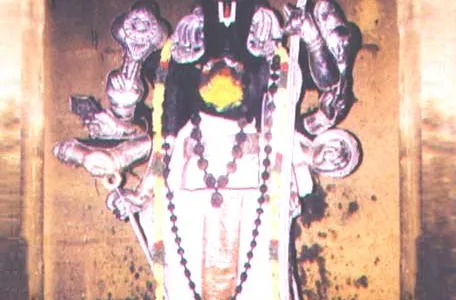
Ashtabujam Temple
Weather of the temple city of Kanchipuram is pleasant enough. Essentially a tropical climate, the temperature here is stable between 280 C and 380 C all through the…
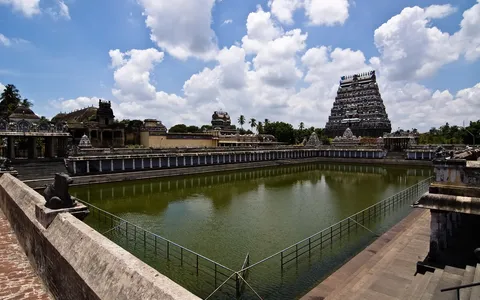
Chidambaram Temple
This temple is dedicated to Lord Shiva located at the heart of the temple town of Chidambaram, in Cuddalore District, the east-central part of the Tamil Nadu . The…
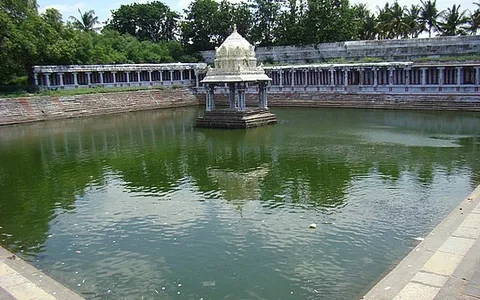
Ekambaranathar Temple
The Sri Ekambaranathar Temple was originally built before the mid-9th century by the Pallavas, but its most significant feature, a massive, 200-foot gopuram with…