Fort St. David
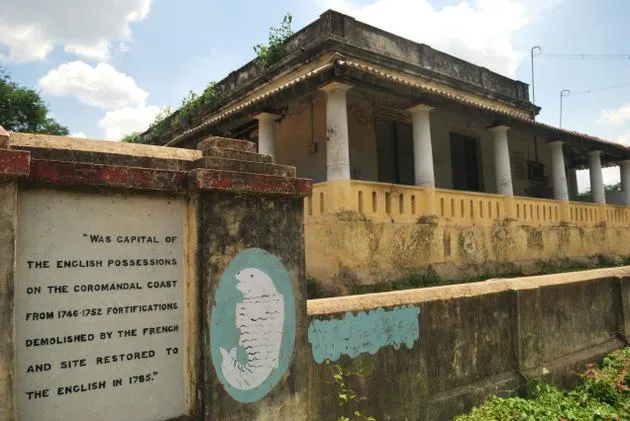
Fort St. David, located near the town of Cuddalore, approximately 100 miles south of Chennai on the Coromandel Coast of India, has a significant history tied to British colonial rule. The British East India Company purchased it from the Marathas in 1690, establishing it as a strategic stronghold. Robert Clive, one of the key figures in establishing British power in India, served as governor of the fort in 1756.
About Fort St. David
The fort played a crucial role during the Anglo-French conflicts in India. Initially becoming the British headquarters in South India in 1746, Fort St. David was at the center of numerous battles with French forces. After several skirmishes, it was permanently secured under British control in 1785. The fort’s enduring presence near Cuddalore stands as a testament to its historical significance and the legacy of colonial military architecture.
Climate/Weather
Fort St. David, near Cuddalore, has a tropical coastal climate with distinct seasonal temperature variations:
- January - February: Pleasant winter months with average temperatures ranging from 20°C to 28°C (68°F to 82°F).
- March - May: Hot summer months with temperatures increasing from 30°C to 40°C (86°F to 104°F). These months can be humid and less comfortable for outdoor activities.
- June - September: Monsoon season brings moderate to heavy rainfall, with temperatures around 28°C to 35°C (82°F to 95°F). The humidity is high, but the rain cools the area.
- October: Transitional month from monsoon to winter, with mild temperatures ranging from 25°C to 32°C (77°F to 90°F).
- November - December: Mild winter months, ideal for travel, with temperatures between 20°C to 28°C (68°F to 82°F).
The best time to visit Fort St. David is from November to February, when the weather is cool and pleasant, perfect for exploring the historical site.
History
Fort St. David, built in the late 17th century, has a rich history rooted in colonial ambitions. Originally under Maratha control, the fort was purchased by the British East India Company from the Marathas in 1690. Strategically located near the Coromandel Coast, it became a crucial military and administrative base for British operations in South India.
In 1746, the fort was made the British headquarters in Southern India, replacing Fort St. George in Madras during a period of frequent Anglo-French conflicts. The fort witnessed several skirmishes between British and French forces as both powers vied for dominance in India. Renowned British officer Robert Clive, later known as “Clive of India,” served as the fort’s governor in 1756, marking a notable period in its history.
After years of battles and sieges, Fort St. David came under permanent British control in 1785. The fort’s historical significance lies in its role as a strategic base for the British and its part in shaping the colonial landscape of South India. Today, it stands as a historical site near Cuddalore, preserving the memory of India’s colonial past.
Nearest Visiting Places
Fort St. David is surrounded by several interesting sites that offer visitors a blend of history, culture, and natural beauty:
- Silver Beach: Located just 4 km from Fort St. David, Silver Beach is one of the longest beaches on the Coromandel Coast. It’s a peaceful spot to relax and enjoy the scenic ocean views.
- Cuddalore Port: A historical port area about 3 km away, offering views of the sea and a glimpse into the region’s maritime history.
- Pichavaram Mangrove Forest: Approximately 20 km from Cuddalore, Pichavaram is one of the largest mangrove forests in India. Visitors can enjoy boat rides through scenic mangrove channels, offering a unique nature experience.
- Nataraja Temple, Chidambaram: Situated around 40 km from Fort St. David, this ancient temple is dedicated to Lord Shiva in his Nataraja (cosmic dancer) form. It’s renowned for its stunning architecture and cultural significance.
- Puducherry (Pondicherry): Located about 25 km from Cuddalore, Puducherry offers a unique blend of French colonial architecture, serene beaches, and spiritual sites like Auroville and Sri Aurobindo Ashram.
- Veeranam Lake: About 30 km from Cuddalore, this large lake is a popular spot for picnics and birdwatching, especially during the migratory season.
These nearby sites make a visit to Fort St. David even more rewarding, offering diverse experiences for travelers interested in history, nature, and culture.
Nearest Petrol Pump
Visitors traveling to Fort St. David by road can find several petrol pumps nearby for refueling:
- Indian Oil Petrol Pump, Cuddalore: Located around 3 km from Fort St. David, this is the nearest fuel station with facilities for quick refueling.
- Bharat Petroleum Petrol Pump, Silver Beach Road: About 5 km from the fort, this petrol pump is conveniently situated near Silver Beach for visitors exploring nearby attractions.
- HP Petrol Pump, Manjakuppam: Approximately 4 km from Fort St. David, this fuel station offers basic facilities and is easily accessible from Cuddalore town center.
These petrol pumps provide convenient options for visitors needing fuel on their way to or from Fort St. David, ensuring a hassle-free journey.
Hotels/Lodge/Accommodation
For accommodation near Fort St. David, nearby towns offer budget lodges, guesthouses, and mid-range hotels. Book ahead during peak season (December-March).
Tips & Suggestions
- Best Time to Visit: The ideal time to visit Fort St. David is between November and February when the weather is cool and comfortable for sightseeing.
- Carry Water and Snacks: Facilities around the fort may be limited, so it’s advisable to carry water and light snacks, especially if you’re planning an extended visit.
- Wear Comfortable Clothing: Given the coastal climate, light and breathable clothing is recommended, along with sunscreen and hats to protect from the sun.
- Photography: The fort and surrounding areas provide excellent photo opportunities. Make sure to bring a camera or smartphone to capture the scenic views and historical architecture.
- Respect the Site: As Fort St. David is a historical monument, visitors are encouraged to avoid littering and respect the heritage by not defacing or damaging any structures.
- Local Transport: Auto-rickshaws and taxis are available in Cuddalore for easy transport to and from the fort. Hiring a local guide can also enhance the experience by providing historical insights.
- Nearby Attractions: Plan to visit nearby attractions such as Silver Beach, Pichavaram Mangrove Forest, and Puducherry for a well-rounded trip.
These tips ensure a pleasant and enjoyable experience at Fort St. David, enhancing your understanding and appreciation of this historical site.
Help Line/Phone Number
- Tourist Information Center, Cuddalore: +91 4142 123456 (for inquiries about Fort St. David and nearby attractions)
- Cuddalore District Police: 100 (for emergencies)
- Ambulance Services: 108 (for medical emergencies)
- Nearest Hospital – Government Hospital, Cuddalore: +91 4142 654321
- Fire Services: 101 (for fire emergencies)
These contact numbers provide quick access to essential services for tourists visiting Fort St. David. It’s recommended to keep these numbers handy for a safe and secure visit.
Location info
-
Address: Fort St. David, Cuddalore District, Tamil Nadu
-
District: Cuddalore
-
Nearest City: Cuddalore
-
State: Tamil Nadu
-
Region: Coromandel Coast
-
Accessibility: Accessible by road from Cuddalore and Chennai, with Chennai located approximately 100 miles (160 kilometers) north of the fort.
-
Best time to visit: The best time to visit Cuddalore is between the months of October to March.
Things to visit & highlights
Padaleshwarar Temple: The most famous temple in Cuddalore, this temple is dedicated to the incarnation of Lord Shiva, Padaleshwarar. Arulmiku Padaleswarar and Arunthava Nayaki are the presiding deities here.
Silver Beach: Situated in Devanampattinam, this is an attractive golden sandy beach on the eastern side of the Cuddalore New Town. There is provision for entertainment like boating, horse-riding, a children’s park, and a boat house at the beach.
Devanatha Swami Temple: Nestled on the edge of Gadilam River in Cuddalore, this celebrated temple is devoted to Lord Devanayakaswami. The great philosopher Sri Ramanuja, the disciple of Lord Vishnu, lived here.
Best time to visit Fort St. David
November to February when the weather is cool and pleasant. Early morning (8–10 AM) or late afternoon (3–5 PM) are the best times to explore, avoiding the midday heat. Forts are particularly photogenic during golden hour (4–5:30 PM).
Timings & opening hours
Open from 9:00 AM to 5:00 PM on all days. Some forts remain closed on national holidays (Republic Day, Independence Day, Gandhi Jayanti). Last entry is usually 30–45 minutes before closing.
Entry fee & tickets
Entry fee for Indian nationals: INR 10–25. Foreign nationals: INR 100–250. Camera fee: INR 20–50 (still), INR 100 (video). Children under 15 years generally enter free. Maintained by the Archaeological Survey of India at most locations.
Duration needed
2–3 hours to explore the fort thoroughly. Allow extra time if you plan to climb the ramparts or visit any museum within the fort complex. Photography enthusiasts may need more time.
Safety tips
Wear sturdy walking shoes — fort floors can be uneven with loose stones and steps. Carry water as the climb can be strenuous, especially in summer. Some unguarded edges may be dangerous — stay within visitor areas. Watch for monkeys near eating areas.
Things to carry
- Comfortable Walking Shoes: Uneven terrain.
- Water Bottle: Limited facilities inside forts.
- Hat and Sunglasses: Sun protection.
- Camera: Capture architecture and views.
- First-Aid Kit: For minor injuries.
Nearest airport, railway & bus
Nearest airport: varies by fort location. Chennai International Airport (MAA) for northern forts, Madurai Airport (IXM) for southern forts.
Nearest railway station: the nearest station in the closest town.
By road: accessible via state highways and local roads.
Mobile network coverage
Airtel, Jio, BSNL, and Vi all provide coverage across Tamil Nadu. 4G is reliable in Chennai, Coimbatore, Madurai, and along major highways. Coverage may be weaker in remote sections of the Western Ghats, deep forest reserves, and certain rural interior areas. Free Wi-Fi is widely available in hotels and cafes in urban areas.
Food & restaurants nearby
Forts in Tamil Nadu typically have limited food options on-site. The nearest town offers traditional Tamil meals, idli-dosa shops, and vegetarian restaurants. Carry water and snacks.
Things to do at Fort St. David
Explore the fort’s massive ramparts, bastions, and gateways that showcase military architecture from a bygone era. Climb to the highest point for panoramic views of the surrounding landscape. Visit the small museum inside (if present) to see artefacts and historical exhibits.
Frequently asked questions
What is the best time to visit Fort St. David? Early morning (8–10 AM) or late afternoon (3–5 PM) between November and February for comfortable weather.
How much time is needed to explore Fort St. David? 2–3 hours is adequate for a full exploration. History enthusiasts and photographers may need an additional hour.
Is there a guided tour available at Fort St. David? Local guides are available at the entrance. Audio guides may be available at major forts. Information boards in English and Tamil are present.
Accessibility
Historic forts typically have uneven stone pathways, steep staircases, and no ramps. Forts are built on elevated ground — reaching them requires a climb on foot or by vehicle to the base followed by stairs. Visitors with mobility issues may find the outer grounds and lower levels more accessible than the upper ramparts. Wear sturdy footwear and allow extra time.
Rules & restrictions
Do not climb on unstable walls or beyond marked boundaries. Some bastion platforms are partially collapsed. Graffiti and defacement are illegal. Alcohol and smoking are not permitted inside most historic sites. Drones may require permission. Large bags may be checked at the entrance. Photography is permitted but tripods may need special permission. Respect heritage rules — these monuments are protected under the Ancient Monuments and Archaeological Sites and Remains Act.
Best photography spots
The ramparts offer the best panoramic views — arrive early morning or late afternoon for golden light across the landscape. The bastions and arched windows make excellent natural frames. Wide-angle lenses capture the scale of the fortifications; telephoto lenses isolate details of the stonework and distant views. Sunset silhouettes of the fort walls against the sky are iconic.
Quick facts
- Type: Tourist Attraction
- State: Tamilnadu
- Category: Forts
Visitor information
Please check locally for current visitor information.
How to reach Fort St. David
Fort St. David is accessible via various modes of transport: By Air: The nearest airport is Puducherry Airport, located about 25 km (16 miles) from Cuddalore. For international travelers, Chennai International Airport, approximately 160 km (100 miles) away, offers better connectivity with frequent flights. By Train: Cuddalore has its own railway station, Cuddalore Port Junction, which is connected to major cities within Tamil Nadu. Visitors can also take a train to the nearby Villupuram Junction, which is a major railway hub about 40 km (25 miles) from Cuddalore. By Road: Cuddalore is well-connected by road to Chennai, Puducherry, and other cities in Tamil Nadu. Regular buses operate from Chennai, Puducherry, and Villupuram to Cuddalore. Visitors can also hire taxis or drive to the fort via the scenic East Coast Road (ECR) from Chennai. Once in Cuddalore, local transportation options such as auto-rickshaws and taxis are available to reach Fort St. David. The fort is located approximately 5 km (3 miles) from the town center.
Map & location view
This section is being updated and will be available shortly.
Photo gallery of Fort St. David
Video gallery
Related destinations
Alamparai Fort
Backwaters is very scenic- Good and safe for a swim. Local fisherman offer to take you for a ride on the boat-charges will be in the range of Rs. 200-500 for 30…
Dindigul Fort
Dindigul Fort is situated in Dindigul, Tamil Nadu, India and was built by the Madurai Nayak kings in 1605 and was later passed on to Kingdom of Mysore. In 1799 it…

Fort St George
St. George Fort is located on the banks of Bay of Bengal. It was built by the British East India Company in 1640 AD. The fort is believed to be the first…