Vedanthangal Bird Sanctuary
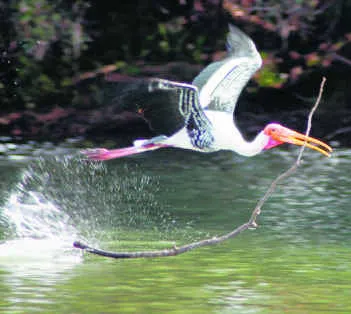
Vedanthangal bird sanctuary is located in Kanchipuram district, 85km from Chennai. It is the oldest bird sanctuary in the country and has been in existence presumably for more than 200 years. Vedanthangal is a bird watchers paradise, especially during the winter season, when birds in a myriad of colours and kinds descend on the lake in hordes. A beautiful sight to behold indeed.Every year over 1,00,000 birds make their home in a lake housed in this 30-acre marshy park. The best time to watch…
Quick facts
| Nearest Petrol Pump | TTDC Petrol Pump:Mahabalipuram, Kanchipuram, Tamil Nadu,IndiaAEECo op- Petrol Pum:Kalpakkam Township, Kanchipuram, Tamil Nadu,India |
|---|
About Vedanthangal Bird Sanctuary
Vedanthangal bird sanctuary is located in Kanchipuram district, 85km from Chennai. It is the oldest bird sanctuary in the country and has been in existence presumably for more than 200 years. Vedanthangal is a bird watchers paradise, especially during the winter season, when birds in a myriad of colours and kinds descend on the lake in hordes. A beautiful sight to behold indeed.Every year over 1,00,000 birds make their home in a lake housed in this 30-acre marshy park. The best time to watch these migratory birds is between November and February. Bird watching is best early morning or in the evening. A watching tower is also available.
Vedanthangal, the oldest bird sanctuary in India is one place, which can’t easily fade off from one’s memories. The sanctuary is an amazing place to be in, especially during the Sunset, as you can spot thousands of birds returning to their nests and dotting trees. You can spot several species of birds of which most are migratory. The trees are dotted with numerous nests, which contain little chicks and eggs. For over two hundred years the villagers around have zealously protected the birds in this sanctuary. It is interesting to note that the villagers protect the birds with the same zeal, which their forefathers had shown. They avoid any noisy activity near the bird sanctuary.
Spread across just 2 sq km, the small sanctuary can be reached by walk from Vedanthangal village. The migrating birds come from far-off lands like Siberia, Australia, Pakistan and Sri Lanka for nesting and breeding. A large bund or embankment divides it from the nearby paddy fields and provides a shady walkway to stroll around and watch the birds. The best time of the day is early morning or towards sunset, when the birds are either flying out to nearby lakes or coming back to roost. There are no boat rides here but two watchtowers and one viewing platform provide vantage points from which the birds may be seen.
The term ‘Vedanthangal’ is derived from the Tamil language and it means ‘place of the hunter’. Legend goes that this area was the favorite hunting spot for the local landlords some 300 years ago. This region seems to have attracted birds because it has a number of small lakes that became convenient feeding grounds for the birds. It is interesting to note that the local villagers have documented their right to protect the winged visitors to this sanctuary.
At the time of Sun set the whole sanctuary is abuzz with activities and noise of birds. Birds can be seen bringing in foods for their chicks, which in turn insert their tiny beaks into the mouths of their parents to find food. If the bird watcher in you becomes over excited then there are forest officials and boards to satiate your bird related knowledge. Some of the birds that visit the bird sanctuary every year are Grey Heron, Cormorant, Egrets, Darter, Open-billed Stork, Spoonbill, White Ibis, Grebes, Night Herons and Grey Pelican. In all, around 115 species of birds have been recorded at the Vedanthangal bird sanctuary.
Interesting things to Visit
Migratory Birds:
Vedanthangal is one of the most spectacular breeding grounds for migratory birds in India. Some of the migratory birds travel thousands of miles all the way from Siberia to avoid the biting cold. Other migratory birds come from Australia, Pakistan and Sri Lankan countries. This sanctuary is particularly known for migratory birds, including Garganey, Teals, Shovellers, Pintails, Stills and Sandpiper among others.
Nearest Visiting places
Kamaski Temple:
The Kanchi Kamaski Temple is one of the triad of temples. The triad includes Kanchi Kamakshi, Madurai Meenakshi and Kasi Visalakshi. This temple in Kanchipuram is an extremely famous one The Kanchi Kamaski Temple is one of the triad of temples. The triad includes Kanchi Kamakshi, Madurai Meenakshi and Kasi Visalakshi. This temple in Kanchipuram is an extremely famous one and is an excellent example of saktis. It is known for its absolutely exquisite sculptures. The sculptures are also painted vivid colors to make them almost come to life. One of the most famous sculptures in the temple is the larger than life sculpture of Kamakshi herself. The beauty of this one sculpture is worth the time and effort that it takes to visit this one temple
Ekambaranatha Temple:
The Ekambaranatha Temple is the largest temple in Kanchipuram. It covers an impressive 20 acres. This particular temple has been dedicated to Lord Shiva, and was built by the Pallavas The Ekambaranatha Temple is the largest temple in Kanchipuram. It covers an impressive 20 acres. This particular temple has been dedicated to Lord Shiva, and was built by the Pallavas and then in turn was altered by both the Cholas and the Rayas. One remarkable feature of this temple is the fact that the 1000 lingas are all carved out of one solitary stone. Also, there are one thousand pillared halls found within the temple. Outside of the Ekambaranatha Temple there is a mango tree that is over 3500 years old. There are four separate limbs found on the tree that represent the Four Vedas (Rig, Yajur, Sama and Atharvana). Tradition has it that the fruit from each limb tastes different even though they all are on the same tree.
Kamakshi Amman Temple:
The Kamakshi Amman Temple is dedicated to the goddess Parvathi. It is believed to have been originally built by the Pallava kings before the 7th century, but was then later The Kamakshi Amman Temple is dedicated to the goddess Parvathi. It is believed to have been originally built by the Pallava kings before the 7th century, but was then later rebuilt by the Cholas during the 14th Century. This particular temple is located directly in the heart of Kanchipuram. It is known as one of the three holy places of Sakthi worship. At this temple there is a Sankaracharya shrine. Sankaracharya was the man who found the Kamakoti Monastery and is known as one of the greatest Hindu saints. He is also known for building a golden tower.
Kachapeshwarar Temple:
It is at the Kachapeshwarar Temple that the Lord Shiva can be seen being worshipped by Lord Vishnu in the form of Tortoise (Kachap). This image can be seen on .It is at the Kachapeshwarar Temple that the Lord Shiva can be seen being worshipped by Lord Vishnu in the form of Tortoise (Kachap). This image can be seen on sculptures and engravings that adorn this beautiful temple. It is unusual for a temple to be dedicated to one Hindu god, in this case Lord Shiva, and then show another god worshipping that entity. This occurrence is one of the items that make this particular temple unique. The beautiful interior of the temple is just as impressive as the exterior
Kailasanathar Temple:
The Kailasanathar Temple is one of the earliest and most remarkable temples that are found in the Kanchipuram area. It was built in the 7th century by the Pallava king . The Kailasanathar Temple is one of the earliest and most remarkable temples that are found in the Kanchipuram area. It was built in the 7th century by the Pallava king Rajasimha. This particular temple is an excellent example of early Dravidian architecture. One notable feature that is unique to this temple is that there is a 16-sided Shiva lingam that is made out of black granite at the main shrine. Both the elegant decorations that are carved on this temple as well as the architectural style of the building closely resemble the impressive sculptures that are found at Mahabalipuram.
Vaikunda Perumal Temple:
The Vaikunda Perumal Temple was built by the Pallava king Nadivarman II during the 7th century. This is particular temple is dedicated to Lord Vishnu. In fact, Lord Vishnu’s image .The Vaikunda Perumal Temple was built by the Pallava king Nadivarman II during the 7th century. This is particular temple is dedicated to Lord Vishnu. In fact, Lord Vishnu’s image can be seen in standing, sitting and reclining forms on towering vimanas that can be seen throughout the temple. There are also many beautiful lion pillared cloisters as well as several bas – reliefs in the main shrine of the temple. Inscriptions that tell of the history of the temple as well as the history of the city itself can be seen on the walls. India’s Department of Archeology cares for this temple.
Kanchi Kudhil:
The Hindu religion is prominent throughout all of India. Many of the temples that can be seen there are in fact Hindu temples. The ancient culture as well as the .The Hindu religion is prominent throughout all of India. Many of the temples that can be seen there are in fact Hindu temples. The ancient culture as well as the cultural heritage of Hinduism is shown at Kanchi Kudhil. This is a small house that shows exactly how the Hindu religion is intertwined into India’s history and modern day way of life. This fascinating place of discovery is open to visitors. There is no better way for a person of another faith to understand and appreciate the fascinating religion of Hinduism than to visit the Kanchi Kudhil.
Devarajaswami Temple:
The Devarajaswami Temple was built by the Vijaynagar kings. It is dedicated to the Hindu god Lord Vishnu. There are elaborately carved pillars that can be seen throughout the temple.The Devarajaswami Temple was built by the Vijaynagar kings. It is dedicated to the Hindu god Lord Vishnu. There are elaborately carved pillars that can be seen throughout the temple. This particular temple has a marriage hall that was built in remembrance of the marriage between Lord Vishnu and Goddess Laxmi. There is a water tank that contains a large statue of Lord Vishnu inside the water. The tank is drained every 40 years. At that time, the 10 meter high statue can be seen, and is then established for darshan for 48 days before it is immersed in water once again. There is also an enormous chain that was engraved out of one single stone.
Varadaraja Temple:
The beautiful Varadaraja Temple was built during the 10th century by the Vijayanagar kings. There is a big outer wall that surrounds this fine temple. It also has an impressive
Hotels/Lodge/Accommodation
For accommodation near Vedanthangal Bird Sanctuary, nearby towns offer budget lodges, guesthouses, and mid-range hotels. Book ahead during peak season (December-March).
Help Line/Phone Number
Police Station:Chengalpattu, Kanchipuram, Tamil Nadu,India
Police Station:Kalpakkam Township, Kanchipuram,Tamil Nadu,India,Ph:044 27481143
JSP Hospital:No. 70, Kanchipuram High Road,, Chengalpattu, Kanchipuram, Tamil Nadu,India
Sri Royal Hospital:No. 12, Alagesan Road, Vedhachalam Nagar, Chengalpattu, Chennai, Tamil Nadu,India,Ph:044 27432240
Thyro Care Hospital:No. 10, Pillaiyar Kulam Street, Chengalpattu, Chennai, Tamil Nadu,India,Ph:044 27430407
Location info
-
**Address:**Vedanthangal Bird sanctuary, Kanchipuram,Tamil Nadu,India
-
District: Kanchipuram
-
**Nearest City:**Vedanthangal
-
Best time to visit: November to February.
Climate & weather
Temperature range is 20°C to 37°C
History of Vedanthangal Bird Sanctuary
The Vedanthangal lake bird sanctuary has a tradition of the people actively protecting birds coming to the area since time immemorial. The local people understood the relationship between birds and the productivity of their crops even before the concept of wildlife conservation came into vogue. They knew that the bird droppings in the water created guano which acted as fertilizer. Towards the end of the 18th centuary local villagers complained to the collector of Chengalpet Lionel Palace, about the British soldiers shooting the birds. They demanded and obtained a ‘Cowle’ from the collector to protect the birds. In 1936 the collector officially recognized the lake as a sanctuary. In 1962 it was given the legal status of reserved forest under the Madras Forest Act.
How to reach Vedanthangal Bird Sanctuary
**Nearest Railway Station:**Chengalpattu is the nearest railhead. Delhi is conveniently connected through the Thirukkural Exp. (6:00, Sat) & T N Smprk Krnti (7:25, Tue, Thu) while Mumbai through the Madurai Exp. (00:15, Fri) & Nagarcoil Exp. (12:05, Tue, Sat). Daily trains running Chennai-Chengalpattu include the Nellai Exp. (21:00), Kanyakumari Exp. (17:30), Pandian Exp. (21:30), Pearl City Exp. (18:30), Anantapuri Exp. (19:30) & Rock Fort Exp. (22:30).
**Nearest Airport:**Chennai is the nearest and most convenient airport, connected by daily Indian Airlines flights from Delhi (6:40, 10:15, 16:45 & 19:00), Mumbai (7:05, 9:20, 11:45, 18:10 & 20:30), Bangalore(8:30) and Kolkata (14:30 & 18:10).
**Road Transport:**To travel by road from Chennai, take the national highway no. 45 to Chengalpattu and head south towards Padalam junction. A right turn here will lead to the sanctuary road. The sanctuary can also be accessed from other nearby towns of Kanchipuram and Mahabalipuram, but the road is not very well maintained. State transport buses ply between Chennai and Chengalpattu, the best option however would be to travel in your own four wheeler or hire a taxi from Chennai.
Nearest petrol pump
**TTDC Petrol Pump:**Mahabalipuram, Kanchipuram, Tamil Nadu,India
**AEECo op- Petrol Pum:**Kalpakkam Township, Kanchipuram, Tamil Nadu,India
Best time to visit Vedanthangal Bird Sanctuary
November to March when migratory birds arrive from Siberia, Europe, and Central Asia. Early morning (6–9 AM) is the best time for bird watching. Late afternoon (3–5 PM) is also good. Avoid midday when birds are less active.
Timings & opening hours
Best visited during daylight hours, typically 6:00 AM to 6:00 PM. The sanctuary may have restricted access during the breeding season to avoid disturbance. Check forest department guidelines before visiting.
Entry fee & tickets
Entry fee: INR 10–25 for Indian adults, INR 100–200 for foreign nationals. Camera fee: INR 20–50 (still). Binoculars may be available for rent at the sanctuary office.
Duration needed
2–4 hours for a thorough bird-watching session. Bird photographers and serious birders may spend 4–6 hours covering the sanctuary. Early morning visits are most productive.
Safety tips
Wear sturdy walking shoes — the sanctuary trails may be uneven or muddy. Carry insect repellent, especially near water bodies. Stay on designated paths. Do not disturb nesting birds. Maintain silence for better bird sightings. Carry sufficient water.
Things to carry
Binoculars (essential), camera with telephoto lens, bird identification guide or app, water bottle, hat, insect repellent, sunscreen, snacks, notebook. Wear muted colours.
Nearest airport, railway & bus
By Air: Chennai International Airport (MAA) is the primary international gateway. Regional airports include Coimbatore International Airport (CJB), Madurai International Airport (IXM), and Tiruchirappalli International Airport (TRZ), depending on location.
By Train: Tamil Nadu has an extensive railway network. Major junctions include Chennai Central (MAS), Coimbatore Junction (CBE), Madurai Junction (MDU), Tiruchirappalli Junction (TPJ), and Salem Junction (SA). From the nearest station, local transport is readily available.
By Road: Tamil Nadu State Transport Corporation (TNSTC) operates an extensive bus network connecting all parts of the state. National highways NH 44, NH 48, and NH 32 provide excellent connectivity. Private buses and taxis are also available from nearby towns and cities.
Mobile network coverage
Airtel, Jio, BSNL, and Vi all provide coverage across Tamil Nadu. 4G is reliable in Chennai, Coimbatore, Madurai, and along major highways. Coverage may be weaker in remote sections of the Western Ghats, deep forest reserves, and certain rural interior areas. Free Wi-Fi is widely available in hotels and cafes in urban areas.
Food & restaurants nearby
Basic food options are available at forest rest houses, eco-lodges, and small local eateries near Vedanthangal Bird Sanctuary. These typically serve South Indian vegetarian meals including rice, sambar, poriyal, and curd. Visitors are advised to carry packed food and sufficient water when visiting the sanctuary.
Things to do at Vedanthangal Bird Sanctuary
Spot and identify resident and migratory bird species using binoculars and field guides. Walk along the sanctuary’s trails and watchtowers for panoramic views of the wetlands. Photography of birds in their natural habitat, especially during golden hour.
Frequently asked questions
What is the best season for bird watching at Vedanthangal Bird Sanctuary? November to March when migratory birds arrive. December and January offer the highest diversity of species.
What birds can I expect to see? The sanctuary hosts herons, egrets, storks, ibises, pelicans, ducks, and many migratory species. Over 100 species may be recorded during peak season.
Is prior permission required to visit? For most sanctuaries, entry tickets can be purchased at the gate. For photography with professional equipment, prior permission from the forest department may be required.
Accessibility
Accessibility information is not currently available for this site. Contact the venue directly or check with your accommodation for the latest accessibility details.
Rules & restrictions
Standard visitor rules apply. Check locally for any specific restrictions at this site.
Best photography spots
The best photography spots are typically during the golden hours (early morning and late afternoon). Scout the location first to identify the best angles, and consider the direction of light at different times of day.
Visitor information
Please check locally for current visitor information.
Map & location view
This section is being updated and will be available shortly.
Photo gallery of Vedanthangal Bird Sanctuary
Video gallery
Related destinations
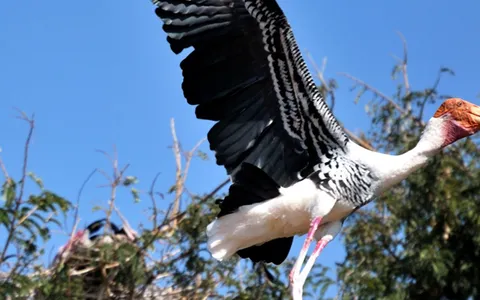
Chitrangudi Bird Sanctuary
Chitrangudi Bird Sanctuary locally known as "Chitrangudi Kanmoli" is a .4763 km2 (0.2 sq mi) Protected area declared in 1989 and a part of Chitrangudi village…
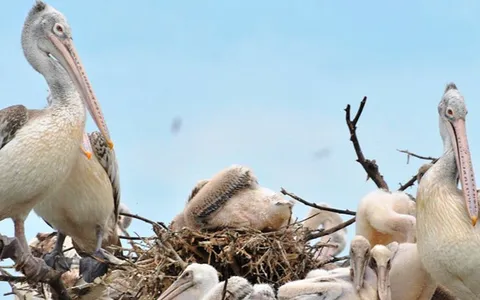
Kanjirankulam Bird Sanctuary
Flora: The sanctuary vegetation can be classified generally as that of Tropical Dry Deciduous type. It is dominated by Babul (Acacia nilotica) along with Prosopis…
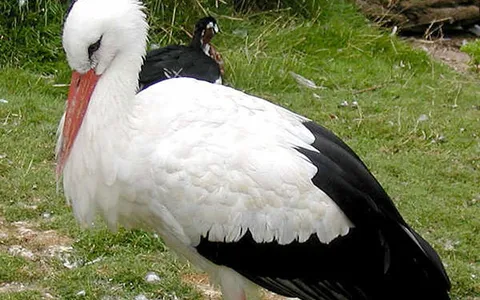
Karikili Bird Sanctuary
Karikili Bird Sanctuary is in Kanchipuram District near Vedanthangal Bird Sanctuary, about 90 km from Chennai with an area of 61 hectares. The Sanctuary is a…