Musical Instruments
Music is deeply ingrained in Tamil Nadu’s culture, and the traditional musical instruments crafted here are a source of admiration and pride. Music and dance form the heart of South Indian cultural expressions, and the creation of musical instruments is an essential part of this heritage.
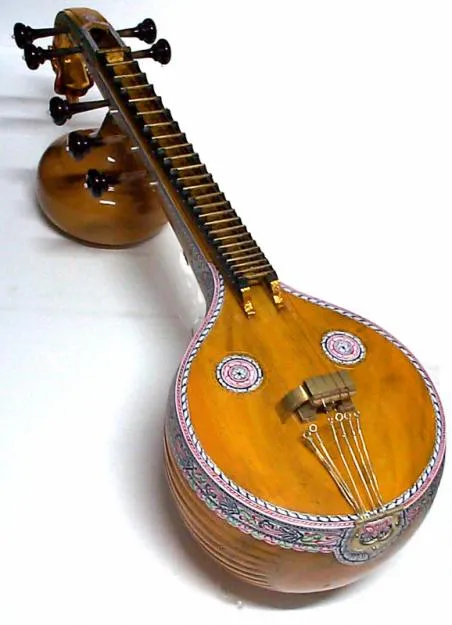
About Musical Instruments
Tamil Nadu is home to numerous centers renowned for the craft of musical instrument creation, especially in the Thanjavur region, a historical area famous for producing skilled musicians and exquisite instruments. Interestingly, the Tamils categorize their musical instruments not by type but by the occasions on which they are played, reflecting the cultural significance of music in different aspects of life.
From the intricate Veena and the resonant Mridangam to the distinct sounds of the Nadaswaram and Thavil, Tamil Nadu’s musical instruments are celebrated for their craftsmanship and unique tones. These instruments are integral to festivals, religious ceremonies, and classical performances, capturing the spirit and rhythm of Tamil Nadu’s rich musical tradition.
Features
Musical instruments from Tamil Nadu are known for their unique craftsmanship, cultural significance, and distinctive sound qualities. Here are some defining features:
- Handcrafted Precision: Many instruments, such as the Thanjavur Veena and Mridangam, are meticulously handcrafted by skilled artisans who follow traditional methods passed down through generations. This attention to detail ensures the instruments are not only durable but also rich in tonal quality.
- Use of Indigenous Materials: Instruments are often made from locally sourced woods like jackfruit and rosewood, as well as metals and animal skins that contribute to their distinct sound. For example, the Mridangam uses specific types of hide to create its deep, resonant tones.
- Rich Sound and Tonal Quality: Instruments from Tamil Nadu are designed for Carnatic music, known for its complex melodies and rhythms. Instruments like the Nadaswaram produce powerful, expressive sounds suitable for large gatherings and temple ceremonies, while the Veena offers delicate, intricate tones.
- Cultural and Ritual Significance: Many instruments are crafted for specific rituals and ceremonies. For instance, the Thavil and Nadaswaram are integral to temple processions and weddings, reflecting the spiritual and cultural heritage of Tamil Nadu.
- Distinctive Designs: Tamil Nadu’s instruments are not only acoustically superior but also visually striking. The Thanjavur Veena, with its carved headstock and intricate inlays, and the unique double-sided drum design of the Mridangam, demonstrate the artistic excellence of the region.
The musical instruments of Tamil Nadu combine function and beauty, showcasing the artisanship and musical traditions that continue to inspire and captivate audiences worldwide.
Useful Links
For more information on Tamil Nadu’s musical instruments and cultural heritage, check out these links:
These links provide in-depth information on Tamil Nadu’s musical heritage, instrument craftsmanship, and classical music traditions, offering insights for enthusiasts and travelers alike.
History of Musical Instruments
The history of musical instruments in Tamil Nadu dates back centuries and is closely intertwined with the region’s rich cultural and religious heritage. Ancient Tamil texts, such as the Sangam literature, contain references to musical instruments used in royal courts, temples, and public gatherings, highlighting the role of music in Tamil society.
During the Chola, Pandya, and later Vijayanagara dynasties, music flourished in Tamil Nadu. Temples served as major cultural hubs, where skilled artisans crafted instruments for rituals and festivals. The Veena and Mridangam, essential to Carnatic music, were perfected during this period. Musicians held esteemed positions in royal courts, and musical training was encouraged, leading to the development of sophisticated instruments. Thanjavur, in particular, became a renowned center for musical instrument craftsmanship. The Thanjavur Veena, known for its distinctive shape and sound quality, became famous not only in India but also internationally. The artisans of Thanjavur specialized in using locally available woods, metals, and other materials to create instruments that were both visually beautiful and acoustically rich. Over time, musical instruments in Tamil Nadu have evolved, with craftsmen innovating to enhance their sound quality and durability. Despite these changes, traditional methods of crafting instruments remain highly valued, preserving the authenticity and cultural significance of Tamil Nadu’s musical heritage.
Indian music has two main aspects. Rag which deals with the area of melody and Tal which has to do with rhythm. The system of Rag involves the arrangement of seven notes.
Today, many ancient musical instruments are hard to locate and some rare musical instruments that were once an important part of Indian musical tradition are no longer used at all. The ‘been’,a traditional blowpipe as is usually depicted in pictures of snake-charmers and the ‘bhopung’, a one-stringed musical instrument are some examples of these.
Best time to visit Musical Instruments
November to February for comfortable weather. Check specific venue details for seasonal opening hours. Morning hours (9 AM–12 PM) are generally less crowded.
How to reach Musical Instruments
Musical Instruments is accessible by road from the nearest town or city. Local transport options include buses, taxis, and auto-rickshaws. The nearest railway station provides rail connectivity. Well-marked roads lead to the venue.
Timings & opening hours
Varies by establishment. Typically open during daytime hours — check locally for specific timings. Many such venues operate 9:00 AM–6:00 PM.
Entry fee & tickets
Entry fees vary depending on the specific venue. Contact the venue directly for current pricing. Some venues may offer free entry with charges for specific activities.
Duration needed
1–3 hours depending on the type of venue and visitor interest. Allow additional time for travel and nearby exploration.
Location info
Musical Instruments is located in Tamil Nadu, South India. It is situated approximately 400 km from Chennai, accessible by road and well-connected to nearby towns and cities..
Safety tips
General safety precautions apply. Follow venue-specific guidelines. Keep valuables secure. Supervise children where applicable.
Things to carry
Standard travel essentials: water bottle, comfortable shoes, camera, appropriate clothing for the venue type.
Nearby visiting places
Other attractions, restaurants, and commercial areas in the vicinity.
Nearest airport, railway & bus
Nearest airport: Chennai International Airport (MAA) or the nearest regional airport. Nearest railway station: the nearest major railway station in Tamil Nadu, well-connected by express and passenger trains. By road: well-connected by Tamil Nadu State Transport Corporation (TNSTC) buses and state highways from nearby towns and cities.
Mobile network coverage
Airtel, Jio, BSNL, and Vi all provide coverage across Tamil Nadu. 4G is reliable in Chennai, Coimbatore, Madurai, and along major highways. Coverage may be weaker in remote sections of the Western Ghats, deep forest reserves, and certain rural interior areas. Free Wi-Fi is widely available in hotels and cafes in urban areas.
Food & restaurants nearby
Near Musical Instruments, local restaurants and eateries serve authentic Tamil Nadu cuisine including idli, dosa, vada, sambar, and rice-based meals. Visitors can also find North Indian and Chinese options at multi-cuisine restaurants in the nearest town.
Hotels & accommodation nearby
For accommodation near Musical Instruments, nearby towns and cities offer options ranging from budget lodges and guesthouses to mid-range hotels. During peak tourist season (December to March) and during major festivals like Pongal (January), it is advisable to book accommodation in advance. Most hotels offer basic amenities including attached bathrooms, fans/AC, and in-house vegetarian food options.
Things to do at Musical Instruments
Explore the venue and its offerings. Depending on the type of venue, activities may include learning about local crafts, enjoying recreational facilities, or experiencing local culture.
Things to visit & highlights
The main venue facilities and any associated attractions in the immediate area. Nearby landmarks and complementary points of interest.
Climate & weather
Tamil Nadu has a tropical climate with generally hot and humid conditions year-round. The best time to visit is November to February, when temperatures are a more comfortable 20°C–28°C. March–June is very hot, with interior areas reaching 40°C+. The state receives rainfall from both the southwest monsoon (June–September, mainly in western ghats) and the northeast monsoon (October–December, bringing rain to coastal areas including Chennai). Hill stations (Ooty, Kodaikanal) are pleasant year-round.
Helpline & emergency contacts
Tourist Helpline: 1364. Police: 112. Ambulance: 108.
Nearest petrol pump
Petrol pumps are available in the nearest town and along the main approach roads.
Frequently asked questions
What are the visiting hours of Musical Instruments? Hours vary by venue and season. Contact the venue directly or check online for current timings.
Is photography allowed? Photography policies vary by venue. Check with the venue staff before taking photos.
Is the venue suitable for children? Suitability depends on the venue type. Contact the venue in advance to determine if it is suitable for children.
Quick facts
- Type: Destination
- State: Tamilnadu
- Category: Art And Craft
Map & location view
This section is being updated and will be available shortly.
Photo gallery of Musical Instruments
Video gallery
Related destinations
Jewellery
Tamilnadu is an important state in the southern part of India. Standing on the coasts of Bay of Bengal this state is gifted with plenty of handicrafts and master…
Kolam
Kolam is the name given to the art of Rangoli in southern parts of the country. The Hindus residing in these parts make use of this art form on a large scale. The…
Metalware
The famous brass and copper metalware has a rich and ancient tradition in Tamil Nadu. These metal objects are used for both religious and secular purposes, though…