Subarnarekha River
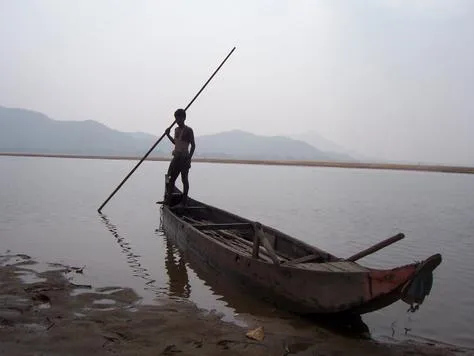
The Subarnarekha River, meaning "line/streak of gold," is a major river flowing through the Indian states of Jharkhand, West Bengal, and Odisha. It is one of the few rivers in India known for its historical connection with gold particles found in its sand, which is how it earned its name. Stretching over 395 kilometers, the river is an important water source for the regions it traverses and supports diverse ecosystems.
Quick facts
| Nearest Petrol Pump near by Subarnarekha River | Location: Near Burmamines, JamshedpurLocation: Near Balasore Railway Station, NH-16 Location: Near Haldia Refinery Township, NH-41 Location: Near Ranchi Railway Station |
|---|
Location information Subarnarekha River
-
**Origin:**Near Nagri village in the Ranchi district, Jharkhand
-
**Flow Through:**Jharkhand, West Bengal, and Odisha
-
End Point: Bay of Bengal, near Kirtania, Odisha
-
Major Tributaries: Kharkai, Kanchi, Karkari, and Dulung
**Origin:**Near Nagri village in the Ranchi district, Jharkhand
**Flow Through:**Jharkhand, West Bengal, and Odisha
End Point: Bay of Bengal, near Kirtania, Odisha
Major Tributaries: Kharkai, Kanchi, Karkari, and Dulung
History of Subarnarekha River
The Subarnarekha River has a rich history connected to gold mining activities. Its sands were historically panned for gold, and even today, traces of gold can be found.
The river has also been central to the livelihood and culture of the tribal communities living along its banks. Throughout history, it served as a trade route, and several ancient and medieval settlements developed along its course.
Languages in Subarnarekha River
The Subarnarekha River flows through diverse regions of eastern India, encompassing parts of Jharkhand, West Bengal, and Odisha. Due to this, the river basin is home to a variety of languages, reflecting the rich cultural diversity of the area.
- Hindi
- Bengali
- Odia
- Santhali
- Ho
- Kurukh
- Mundari
The Subarnarekha River flows through diverse regions of eastern India, encompassing parts of Jharkhand, West Bengal, and Odisha. Due to this, the river basin is home to a variety of languages, reflecting the rich cultural diversity of the area.
Nearest Visiting places from Subarnarekha River
- Dalma Wildlife Sanctuary: Known for its elephant population and trekking trails.
- Dimna Lake: An artificial reservoir near Jamshedpur, perfect for boating and picnics.
- Panchghagh Falls: A series of five waterfalls near Khunti, Jharkhand.
Hotels/Lodge/Accommodation near by Subarnarekha River
- Sonnet
Location: Bistupur, Jamshedpur
Highlights: A well-known hotel with modern amenities, a multi-cuisine restaurant, and comfortable rooms. - Hotel Boulevard
Location: Sakchi, Jamshedpur
**Highlights:**Offers spacious rooms with standard facilities, suitable for both business and leisure travelers. - Hill View Resort
Location: Near Burudih Dam, Ghatshila
Highlights: Offers a serene environment with scenic views, comfortable rooms, and proximity to the Subarnarekha River. - Hotel Nocci Residency
Location: Bampada, Balasore
Highlights: Comfortable lodging with modern amenities, ideal for both business and leisure travelers. - Hotel Dolphin
Location: Old Digha
**Highlights:**One of the well-known hotels with comfortable rooms and proximity to the river estuary. - Hotel Parashmani
Location: Kharagpur Town
**Highlights:**A budget-friendly option suitable for travelers looking for a simple stay. - Palm Resort
**Location:**New Digha
**Highlights:**Provides a resort-like experience with a swimming pool, restaurant, and proximity to the Subarnarekha estuary.
Things to carry for Subarnarekha River
Comfortable ClothesLight and breathable clothes for the day (cotton t-shirts, shorts, or lightweight trousers) and warm clothes (sweater or jacket) if you plan to stay overnight.
Waterproof Jacket/Poncho: In case of sudden rain, especially during the monsoon season.
**Comfortable Footwear:**Sturdy shoes for trekking, hiking, or walking along the riverbanks. Sandals or flip-flops for casual wear.
**Backpack/Daypack:**Light and breathable clothes for the day (cotton t-shirts, shorts, or lightweight trousers) and warm clothes (sweater or jacket) if you plan to stay overnight.
Tent & Sleeping Bag: If you’re planning to camp overnight by the river.
**Camping Mat:**For additional comfort if you plan to sit or sleep outdoors.
**Portable Chair/Stool:**Handy if you’re camping or spending a day by the river.
Tips & Suggestions for Subarnarekha River
**Ideal Season:**The best time to visit the Subarnarekha River is from October to March when the weather is pleasant, and the river is at its most beautiful. Avoid visiting during the monsoon season (June to September) as heavy rains can cause flooding and make the terrain slippery and dangerous.
**Summer:**If visiting in summer (April to June), be prepared for high temperatures, and carry enough water to stay hydrated.
**Fishing:**The river is rich in fish, making it an excellent spot for fishing enthusiasts. However, make sure you have the necessary permits if required.
Bird Watching: The Subarnarekha River is home to a variety of bird species. Carry binoculars and a bird guidebook to make the most of this experience.
Photography: Sunrise and sunset by the river offer breathtaking views. Capture these moments, but be mindful of not venturing too close to the riverbanks, especially during high tides.
Help Line/Phone Number in Subarnarekha River
-
Police Station - 100
-
Ambulance - 102
-
Fire Service - 101
Copyright 2016 HolidayLandmark All rights reserved
Climate & weather
-
Summer (March to June)
-
Temperature: Summers are generally hot, with temperatures ranging between 30°C to 45°C (86°F to 113°F) in areas like Ranchi and Jamshedpur.
-
Humidity: High humidity, especially as the river approaches West Bengal and Odisha.
-
Weather: The weather is mostly dry, but pre-monsoon showers may occur in late May and early June.
-
Monsoon (July to September)
-
Temperature: Temperatures range from 25°C to 35°C (77°F to 95°F).
-
Rainfall: The region experiences heavy rainfall, especially in July and August, with average annual rainfall ranging between 1,200 to 1,600 mm. The river’s flow increases significantly during this period, sometimes leading to flooding.
-
Weather: Cloudy skies and frequent rain showers characterize the monsoon season.
-
Post-Monsoon/Autumn (October to November)
-
Temperature: Temperatures begin to drop, ranging from 20°C to 30°C (68°F to 86°F).
-
Weather: The weather is relatively pleasant, with reduced rainfall and clear skies.
-
Winter (December to February)
-
Temperature: Winters are mild to cool, with temperatures ranging between 10°C to 25°C (50°F to 77°F). In hilly areas like Ranchi, it can drop to 5°C (41°F).
-
Weather: The climate is dry, with clear skies and low humidity.
Nearest petrol pump
Location: Near Burmamines, Jamshedpur
Location: Near Balasore Railway Station, NH-16
Location: Near Haldia Refinery Township, NH-41
Location: Near Ranchi Railway Station
Mobile network coverage
Airtel, Jio, BSNL, and Vi all provide coverage across Odisha. 4G is reliable in Bhubaneswar, Puri, Cuttack, and along the Golden Triangle tourist circuit. Coverage may be weaker in remote tribal areas, interior forests, and certain coastal stretches. Most hotels in tourist areas offer free Wi-Fi.
Food & restaurants nearby
Food options are available in the nearest town. Odia thali, temple prasad, and local snacks like chhena poda are regional specialities.
Best time to visit Subarnarekha River
October to March offers pleasant weather. The river is fullest during and after monsoon (July–December). Summer months (April–June) may see reduced water levels.
Timings & opening hours
Accessible 24 hours. Best visited during daylight hours for safety.
Entry fee & tickets
No entry fee. Boat rides or fishing permits may have charges.
Duration needed
1–2 hours at a ghat or river viewpoint; half a day if boating or fishing.
Safety tips
Avoid swimming in deep or unknown stretches of the river. Be cautious during monsoon when water levels rise rapidly. Do not venture into the river during heavy rainfall or flooding.
Nearest airport, railway & bus
Nearest Airport: Biju Patnaik International Airport, Bhubaneswar (60–200 km). Nearest Railway Station: Baripada Railway Station (5–30 km). Nearest Bus Stand: Baripada Bus Stand.
Things to do at Subarnarekha River
Enjoy riverside walks along the ghats, observe daily life of local communities, indulge in birdwatching (many bird species are found along riverbanks), and take boat rides where available.
Things to visit & highlights
The scenic riverbanks, bathing ghats, temples situated along the river, and villages that showcase the traditional riverine lifestyle of Odisha. The river meets the sea at its mouth, creating picturesque estuaries.
Frequently asked questions
Can I take a boat ride on the river? Boat rides are available at select ghats and stretches of the river. Inquire locally for boating options.
Is fishing allowed? Fishing is permitted in most stretches of the river. Local fishing communities are active along the riverbanks.
What is the best time to visit the river? October to March offers pleasant weather. The river is fullest after the monsoon, making it very scenic.
How to reach Subarnarekha River
By Air: The nearest airports are in Ranchi (Jharkhand), Kolkata (West Bengal), and Bhubaneswar (Odisha).By Train: Major railway stations include Jamshedpur (Tatanagar Junction), Ghatshila, and Ranchi. By Road Well-connected by road with regular bus services and taxis from nearby cities like Jamshedpur, Ranchi, and Kolkata.
Map & location view
This section is being updated and will be available shortly.
Photo gallery of Subarnarekha River
Video gallery
Related destinations
Baitarani River
The Baitarani River, one of the six major rivers of Odisha, originates from the Guptaganga hills in the Keonjhar district. Stretching approximately 360 kilometers…
Brahmani River
The Baitarani River, a vital waterway in Odisha, originates from the Gonasika hills in Keonjhar district and travels a course of approximately 360 kilometers. It…
Budhanganga River
The river Budhanganga is very old. It is also known as Balanga River which rises in the hills of Similipal. This river flows in Odisha state through Mayurbhanj and…