Koyna Dam
The Koyna River rises in Mahabaleshwar and is a tributary of the Krishna River in western Maharashtra, India. Unlike most of the other rivers in Maharashtra which flow East-West direction, the Koyna river flows in North-South direction. The Koyna River is famous for the Koyna Dam which is the largest hydroelectric project in Maharashtra. The reservoir — Shivaji Sagar Lake, is a huge lake of 50 km in length. The dam is situated in Koyna Nagar in the Western Ghats. The river meets the Krishna…
About Koyna Dam
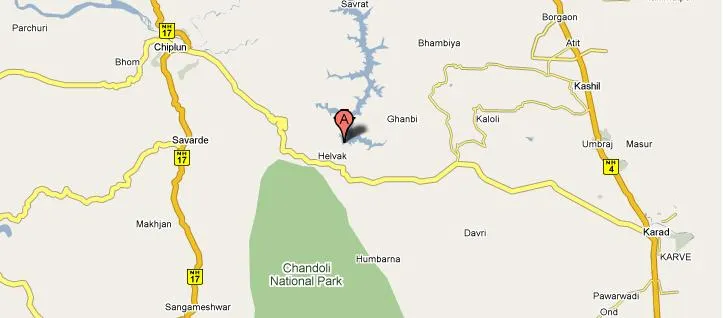
The Koyna River rises in Mahabaleshwar and is a tributary of the Krishna River in western Maharashtra, India. Unlike most of the other rivers in Maharashtra which flow East-West direction, the Koyna river flows in North-South direction. The Koyna River is famous for the Koyna Dam which is the largest hydroelectric project in Maharashtra. The reservoir — Shivaji Sagar Lake, is a huge lake of 50 km in length. The dam is situated in Koyna Nagar in the Western Ghats. The river meets the Krishna River, which is one of the three largest rivers in southern India by Karad.
Koyna Dam being one of the largest dams in Maharashtra and lies in Koyna Nagar, nestled in the Western Ghats. The Dam is easily reachable if availed the state highway between Chiplun and Karad in Maharashtra. The Koyna Dam supplies water to western Maharashtra as well as cheap hydroelectric power to the neighboring regions with a capacity of 1,920 MW. The Koyna project includes four dams, with the Koyna dam encompassing the largest catchment area. The gross storage of Koyna Dam is around 105 TMC and the height is 103 metres, while the width is 808 metres.
History
The Koyna River dams the catchment area of the river and forms a huge lake - the Shivajisagar Lake, which is almost 50 kilometres long. The Koyna Dam was completed in 1963 and it is one of the largest civil engineering projects specially made after Indian independence. The Maharashtra State Electricity Board runs the Koyna electricity project. Most of the generators of the Koyna Dam are installed in excavated caves almost a kilometre deep, inside the depth of the surrounding hills.
The dam is prone to the epidemic of earthquakes in the recent past. In 1967 a shocking earthquake almost shook the dam. Unfortunately, the dam developed major cracks. Geologists are still into researchers, if the Koyna Dam is responsible for the rise in in seismic activity.
Interesting things to Visit
Mount Malcolm:
It used to be the most famous building in the olden days. it was built in 1829 with magnificient architectural skills. Unfortunately, it has lost a lot of its old charm now.
Catholic Church:
A visit to the old Raman Catholic Holy cross church is worth a detour. although the church is practically falling apart, its stained-glass windows are still a sight to behold. this deserted church is now looked after by a Hindu family.
Mahabaleshwar Club:
The club was built in 1881 and is still flourishing and well-maintained. Only members of the club can stay here. It is very popular for its well-tended roses and lovely jogging track. Christmas is grandly celebrated by loyal members every year. Fortunately, one facility is open to visitors; who can use the golf course whenever they feel like it.
Morarji Castle:
Also worth a look is this old structure. Mahatma Gandhi once lived here in 1945.
Pratapgad Fort:
This is 24 Kms, away from Mahabaleshwar. The fort was built in 166 by Moropant trimbak Pingle under the command of the Maratha rular Shivaji. It was here that the mighty General of Bijapur, Afjal Khan, was killed by Shivaji. The fort has a great view.
Arthur’s Seat, 12 km from Mahabaleshwar, looks out over a sheer drop of 600 meters to the Konkan coastal strip
Mahabaleshwar:
This popular hill station was the summer capital of the Bombay presidency during the days of the Raj. It has pleasant walks and good lookouts, and the area has interesting historical connections with Shivaji.
Dudhsagar waterfall, Thoseghar waterfall, Lingmala fall, Dhobi waterfall, and Chinaman’s waterfall are the important waterfalls in Maharashtra. Dudhsagar waterfall, situated at Someshwar is a favourite destination for youngsters where they come often to liven up their spirits. This is one of the best picturesque spots in Nashik. The waterfalls are 10m long and the water is milky white, so it is called Dudhsagar waterfall.
Thoseghar, near Satara is famous for its serenity, clam and quiet nature. It is a newly developing picnic spot. Thoseghar is really a wonderful place where one can enjoy the beauty of the nature. July to November is the best season to visit Thoseghar. Dark woods and a clean lake add to the beauty of this hilly region. There are also other small waterfalls here, which are about 15-20 meters high. The highest one is of around 500 meters. Satara is on the Pune - Bangalore Highway, and is about 115 km from Pune.
The Mahabaleshwar Temple and the Gokarna Temple of Mahabaleshwar attract visitors from all over India. The Gokarna Temple has the statue of Lord Mahabali, an incarnation of Lord Shiva, in a linga form which is considered the holiest of the 12 Jyotirlingas of India.
Wilson Point happens to be the highest in Mahabaleshwar. There are special observation towers from where you could enjoy the spectacular views. Sunrise is simply heavenly from the Wilson Point.
Bombay point is one of the earliest known points in Mahabaleshwar. Every evening visitors rush to the peak to get a spectacular view of the sunset.
Babington point has spectacular vistas of the Koyna valley and Chinaman’s waterfall. Helen’s point has lush fecund fields on the Blue Valley Road. Bombay Point remains an all time favorite among the nature watchers for its sunset. And how could you miss your echoes at Echo point. Connaught peak or the Mount Olympia is favorite spot amongst the riders that also offers picturesque view of Vena Lake and Krishna valley.
Tapola
On the south of mahabaleshwar down the tapola ghat in the koyna valley is a small town on the extreme backwaters of the triveni sangam of the koyna, solshi and the kandhati river. Locally coined, as Mini Kashmir due to the serenity and the beauty of the shivsagar lake is an excellent boating and picnic spot.
Galoni Point
1274 mtrs off the tapola road past the maharul village, awalk leads to this point above the tapola ghat giving a view of the mahabaleshwar plateau and the koyna and the blue river valleys. It is recommended to take the assistance of the local guide here.
Baghdad Point
Past the satara road on the kelghar ghats towards the villages of rengdi, it is easier to locate it as the end of the road takes us to backwaters of the kanehar dam a beautiful spectacular view of the mahabaleshwar plateau and the valleys below.
Robbers caves
Scary as it sounds is also known as shin-shin gully located on the tapola road on the ride just a few yards before the village of manghar towards tapola on leading the ride one comes to a opening in the ground which has a sudden fall leading to concealed fall in the form of a cave.
Cannought Peak
On the road to kshetra mahabaleshwar this small hillock is perhaps the second highest peak in mahabaleshwar after the Wilson point. Initially known as mount Olympia until 1890 and named after the duke of cannought who adored the beauty of the place very much and often visited this place.Like Wilson point it gives a spectacular of the mahabaleshwar plateau in all directionsand is a popular sunrise and sunset point, a popular picnic spot is also ideal for outings and forest trek along the point rides to Arthur seat point.
Lodwick point
The most exotic view of the forest, from the parking area a walk leads to the top of a summit where lies a monument erected in the memory of general lodwick erected by his son in 1870. Seen below is the serpentine Fitzgerald ghat with the pratapgadh fort in the front and at the foothills the historic village of jaoli. Makarandgadh seen to the south west, and north east ward seen the elphinstone point. Northwards from the monument is a point led by a very narrow walk between the two ravines has a shape to resemble that of an elephant’s head. The nose tip was also known as the Sydney point. It is said that the sea was very clearly visible from here on very clear days.
Lamington Plateau
Off the satara road a walk from the ganesh mandir leads up to the lamigton ride on taking the first right and then the subsequent left one reaches the only second plateau after Wilson point also known as the kings thrown, said so because was often visited by the raja pratapsingh and a hierarchy of british officers. Give an encompassing forest view of al sides of mahabaleshwar. It is recommended to take the assistance of a local guide here at the vast plain below. The berry farms here are another tourist attraction.
Nearest Visiting places
- Raighad Fort
- Koyna wild life sanctuary
- Satara
- Aundh
- Kanhar Dam
- Kas Lake
- Karad
- Sajjangad
- Chapal
Hotels/Lodge/Accommodation
- MTDC guest house
- Ripon Hotel
- Dreamland Hotel
- Regal Hotel
- Fredrick Hotel.
Help Line/Phone Number
Copyright 2016 HolidayLandmark All rights reserved
Location info
-
Address:Mumbai to Pune Highway.
-
District: Mahabaleshwar
-
Nearest City: Patan
-
Best time to visit: July to December
Things to do at Koyna Dam
Trekking , Photographers can take lots of photos of the place in and around .
How to reach Koyna Dam
-
Nearest Railway Station:Wathar but Pune is the convenient railhead
-
Nearest Airport:Pune Airport.
-
Road Transport:98 km from Satara and 20 km from Patan.
Things to carry
Photographers can take lots of photos of the place in and around .
Best time to visit Koyna Dam
July to March: post-monsoon when water levels are high. During peak summer, water levels may be low.
Timings & opening hours
Typically open from 8:00 AM to 5:00 PM. May be restricted during monsoon or high water levels.
Entry fee & tickets
Free entry or nominal fee of INR 10–30 per person. Some dams have separate parking charges.
Duration needed
1–2 hours to view the dam and surrounding area. Combine with nearby picnic spots for a half-day outing.
Safety tips
Follow safety instructions from dam authorities. Do not venture into restricted areas or deep water. Be cautious near spillways during monsoon — water levels can rise suddenly.
Nearest airport, railway & bus
Nearest airport: depends on location. Nearest railway station: the nearest station on the Central or Konkan Railway. Accessible by state highways and district roads.
Mobile network coverage
Airtel, Jio, and Vi all provide excellent coverage across Maharashtra’s cities (Mumbai, Pune, Nagpur) and major tourist areas. 4G is reliable along highways and in most towns. Coverage may be weaker in deep forest areas of Tadoba, Melghat, and certain ghat sections. Free Wi-Fi is widely available in hotels and cafes.
Food & restaurants nearby
Food options are available in the nearest town. Maharashtrian cuisine — missal pav, vada pav, puran poli, and local thalis — is widely available.
Climate & weather
Maharashtra has a diverse climate spanning coastal Konkan, the Western Ghats, and the interior Deccan plateau. Winter (November–February) is the best time to visit: temperatures range from 12°C to 30°C depending on region. Summer (March–June) is hot, with interior areas reaching 40°C+ while hill stations (Mahabaleshwar, Lonavala) remain pleasant. The monsoon (June–September) brings heavy rainfall to the coast and ghats but transforms the landscape into lush green. October–November is pleasant post-monsoon.
Nearest petrol pump
Petrol pumps are available in the nearest town or on the approach road to Koyna Dam. It is advisable to fill fuel before heading to remote areas, especially hill forts and wildlife sanctuaries.
Frequently asked questions
Is the dam open to the public? Most dams have designated viewing areas open to the public. Access to the dam structure itself may be restricted for security reasons.
When is the best time to visit? Post-monsoon (October–February) when the reservoir is full offers the best views. During summer, water levels may be low.
Are there any boating facilities? Some dams have boating facilities on the reservoir. Check locally for availability and safety regulations.
Accessibility
Accessibility information is not currently available for this site. Contact the venue directly or check with your accommodation for the latest accessibility details.
Rules & restrictions
Standard visitor rules apply. Check locally for any specific restrictions at this site.
Best photography spots
The best photography spots are typically during the golden hours (early morning and late afternoon). Scout the location first to identify the best angles, and consider the direction of light at different times of day.
Quick facts
- Location: Maharashtra
- Best time to visit: August to February when water levels are high
- Ideal duration: 1-2 hours
- Entry: Free entry; parking may have nominal charges
- Access: Well-connected by road; scenic drive to the location
Visitor information
- Timings: Generally open from sunrise to sunset. Verify local timings before planning your visit.
- Entry fee: Free entry. Some dams may have nominal visitor fees.
- Best time to visit: October to March for the most comfortable weather conditions.
- Duration needed: 1 to 2 hours recommended for a comfortable visit.
Map & location view
- Destination: Koyna Dam
- State: Maharashtra, India
- Region: river valley region of Maharashtra
- How to reach: Accessible by road from nearby towns and cities. Local transport options include buses and taxis.
- Google Maps: Search for “Koyna Dam, Maharashtra” on Google Maps for precise directions and navigation.
Photo gallery of Koyna Dam
Photos coming soon. In the meantime, you can find images of Koyna Dam on popular travel photography sites and social media.
Photo gallery of Koyna Dam
Video gallery
Related destinations
Bhandardara Dam
Built in 1926, Bhandardara Dam, noted for its vantage points for nature watching, lies across the Arthur Lake in Ahmednagar District. It is one of the oldest dams…
Bhatsa Dam
The Bhatsa Dam is built on Bhatsa & Chorna rivers in Shahapur Taluka Of Thane District. Bhatsa Lake is one of the principal sources of water supply for Mumbai city…
Chaskaman Dam
Chaskaman Dam is a prominent water reservoir located in Maharashtra, India, serving as a vital source of irrigation and water supply for nearby regions. Its scenic…