Bhatsa Dam
The Bhatsa Dam is built on Bhatsa & Chorna rivers in Shahapur Taluka Of Thane District. Bhatsa Lake is one of the principal sources of water supply for Mumbai city. It is a multipurpose project, used for irrigation water supply & hydro electricity. Height of dam - 89 meters. Length - 959 meters. Submergence area - 3070 ha. Power gen capacity - 15 mW.
About Bhatsa Dam
A tributary of Ulhas River, Bhatsa River originates near Igatpuri, a hill station in Nasik District. On the basin of the river lies the Bhatsa River Valley which is noted for its scenic beauty.
Interesting things to Visit
Ghantadevi Mandir
Ghantadevi Mandir located a few kilometers from the Camel valley.
Tringalwadi Fort
Tringalwadi Fort located not too far away from the Mahindra & Mahindra plant is a trekker’s delight.
Tringalwadi Lakeand the Talegaon Lake and Dam.
The Wilson Dam mentioned earlier is built on the Pravara river close by and from the dam one can see the highest peak of that range Mount Kalsubai.
The Amruteshwar Temple is another attraction known for its intricate carvings in the Hemadpanti style. Other places to see are the Agasti Rishi Ashram, the Ratangad Fort. and the Davebandh Ganesh Temple.
Nearest Visiting places
- Shirdi
- Trimbakeshwar
- Nashik-The Holi City
- Ghatan Devi Temple
- Infant Jesus Church
- Vaitarna Dam
- Malegaon Dam
- Bhandardara Dam
- Dhamagiri Vipaasana Centre
Help Line/Phone Number
The district of Thane to the North East of Mumbai offers a unique hill station of Jawahar. A distance of 125 miles from Mumbai, the hill station is closer to Nahsik though. The area was a major tribal kingdom of Maharashtra. You can get the feel of the tribal life by visiting few protected tribal villages of the region and those with nimble fingers can learn a trade or two……more
Copyright 2016 HolidayLandmark All rights reserved
Location info
-
**Address:**Igatpuri by NH 3 via Shahpur and Kasara Ghats
-
District: Thane
-
**Nearest City:**Igatpuri
-
Best time to visit: June to September
Things to do at Bhatsa Dam
Igatpuri is famous for is its Vipaasana meditation centre well known as Dhammagiri and attracts scores of people from all over the world. There is ample opportunity for trekking, hiking and cycling. A local favourite one shouldn’t miss eating is the humble vada pav - a patty with a potato cutlet and chutney, which this area is famous for.
How to reach Bhatsa Dam
-
Nearest Railway Station:Being a junction, Igatpuri is well connected to all the major destinations.
-
Nearest Airport:Mumbai at 140 km is the nearest airport from where one can either take a train, bus or hire a taxi.
-
Road Transport:It will take 3 hours to reach Igatpuri by NH 3 via Shahpur and Kasara Ghats. There are also regular buses from Mumbai and Nashik to Igatpuri
Things to carry
Carrying water is essential.Carry camera too so that u can take photos of beautiful place.
Best time to visit Bhatsa Dam
July to March: post-monsoon when water levels are high. During peak summer, water levels may be low.
Timings & opening hours
Typically open from 8:00 AM to 5:00 PM. May be restricted during monsoon or high water levels.
Entry fee & tickets
Free entry or nominal fee of INR 10–30 per person. Some dams have separate parking charges.
Duration needed
1–2 hours to view the dam and surrounding area. Combine with nearby picnic spots for a half-day outing.
Safety tips
Follow safety instructions from dam authorities. Do not venture into restricted areas or deep water. Be cautious near spillways during monsoon — water levels can rise suddenly.
Nearest airport, railway & bus
Nearest airport: depends on location. Nearest railway station: the nearest station on the Central or Konkan Railway. Accessible by state highways and district roads.
Mobile network coverage
Airtel, Jio, and Vi all provide excellent coverage across Maharashtra’s cities (Mumbai, Pune, Nagpur) and major tourist areas. 4G is reliable along highways and in most towns. Coverage may be weaker in deep forest areas of Tadoba, Melghat, and certain ghat sections. Free Wi-Fi is widely available in hotels and cafes.
Food & restaurants nearby
Food options are available in the nearest town. Maharashtrian cuisine — missal pav, vada pav, puran poli, and local thalis — is widely available.
Hotels & accommodation nearby
Accommodation is available in the nearest town or city. MTDC resorts, budget hotels, and mid-range options are widely available.
History of Bhatsa Dam
This dam was constructed to serve the irrigation and drinking water needs of the region. Many dams in Maharashtra were built in the post-independence era as part of major river valley projects. They also contribute to hydroelectric power generation.
Climate & weather
Maharashtra has a diverse climate spanning coastal Konkan, the Western Ghats, and the interior Deccan plateau. Winter (November–February) is the best time to visit: temperatures range from 12°C to 30°C depending on region. Summer (March–June) is hot, with interior areas reaching 40°C+ while hill stations (Mahabaleshwar, Lonavala) remain pleasant. The monsoon (June–September) brings heavy rainfall to the coast and ghats but transforms the landscape into lush green. October–November is pleasant post-monsoon.
Nearest petrol pump
Petrol pumps are available in the nearest town or on the approach road to Bhatsa Dam. It is advisable to fill fuel before heading to remote areas, especially hill forts and wildlife sanctuaries.
Frequently asked questions
Is the dam open to the public? Most dams have designated viewing areas open to the public. Access to the dam structure itself may be restricted for security reasons.
When is the best time to visit? Post-monsoon (October–February) when the reservoir is full offers the best views. During summer, water levels may be low.
Are there any boating facilities? Some dams have boating facilities on the reservoir. Check locally for availability and safety regulations.
Accessibility
Accessibility information is not currently available for this site. Contact the venue directly or check with your accommodation for the latest accessibility details.
Rules & restrictions
Standard visitor rules apply. Check locally for any specific restrictions at this site.
Best photography spots
The best photography spots are typically during the golden hours (early morning and late afternoon). Scout the location first to identify the best angles, and consider the direction of light at different times of day.
Quick facts
- Location: Maharashtra
- Best time to visit: August to February when water levels are high
- Ideal duration: 1-2 hours
- Entry: Free entry; parking may have nominal charges
- Access: Well-connected by road; scenic drive to the location
Visitor information
- Timings: Generally open from sunrise to sunset. Verify local timings before planning your visit.
- Entry fee: Free entry. Some dams may have nominal visitor fees.
- Best time to visit: October to March for the most comfortable weather conditions.
- Duration needed: 1 to 2 hours recommended for a comfortable visit.
Map & location view
- Destination: Bhatsa Dam
- State: Maharashtra, India
- Region: river valley region of Maharashtra
- How to reach: Accessible by road from nearby towns and cities. Local transport options include buses and taxis.
- Google Maps: Search for “Bhatsa Dam, Maharashtra” on Google Maps for precise directions and navigation.
Photo gallery of Bhatsa Dam
Photos coming soon. In the meantime, you can find images of Bhatsa Dam on popular travel photography sites and social media.
Photo gallery of Bhatsa Dam
Video gallery
Related destinations
Bhandardara Dam
Built in 1926, Bhandardara Dam, noted for its vantage points for nature watching, lies across the Arthur Lake in Ahmednagar District. It is one of the oldest dams…
Chaskaman Dam
Chaskaman Dam is a prominent water reservoir located in Maharashtra, India, serving as a vital source of irrigation and water supply for nearby regions. Its scenic…
Gangapur Dam
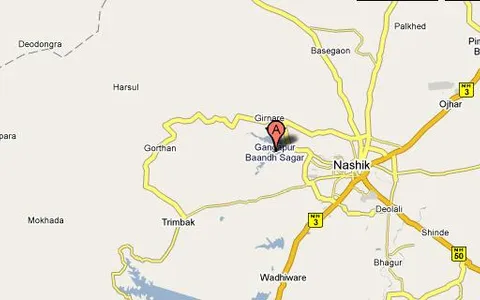
This dam is near village Gangawadi and is 10 Km. from Nashik city.This is a earthen dam constructed in 1954. The dam is situated near the village of Gangawadi. This…