Maheshwar Dam
The Maheshwar dam is one of the large dams of the Narmada Valley Development Project, which entails the construction of 30 large and 135 smaller dams in the Narmada Valley. The dam, slated to provide 400 Megawatts of energy and priced at 530 million dollars, is to be built in the Nimad region in Madhya Pradesh. Planned since 1978 and initially overseen by the governmental Narmada Development Authority, the dam construction was made the responsibility of the Madhya Pradesh Development…
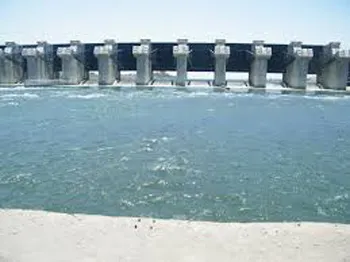
About Maheshwar Dam
The Maheshwar dam is one of the large dams of the Narmada Valley Development Project, which entails the construction of 30 large and 135 smaller dams in the Narmada Valley. The dam, slated to provide 400 Megawatts of energy and priced at 530 million dollars, is to be built in the Nimad region in Madhya Pradesh. Planned since 1978 and initially overseen by the governmental Narmada Development Authority, the dam construction was made the responsibility of the Madhya Pradesh Development Electricity Board (MPEB), a parastatal company, in 1989.
Due to massive protests surrounding the Narmada project and the withdrawal of the World Bank and bilateral aid donors from the Sardar Sarovar dam (downstream from Maheshwar in Gujarat), aid from developmental organisations became unlikely. Subsequently, in 1993, the concession for the project was awarded to S. Kumars, one of India’s leading textile magnates, making Maheshwar the first privately financed hydroelectric dam in India. In 1994, the project received a conditional environmental clearance from the Central Ministry of Environment and Forests, MoEF.
The people to be affected by the project include titled land holders and long-term encroachers, who count officially as “project-affected persons” or PAPs; their compensation from S. Kumars is currently uncertain. In addition, a number of landless communities are directly dependent on the river for their sustenance. About a third of these people are Kevats and Kahars, ancient communities of fisherfolk, ferrymen, sand quarriers and cultivators of drawdown silt banks. If the dam is completed, they will lose their only source of livelihood without compensation.
Rendered invisible by the dam builders, these people’s status as Indian citizens is questioned. There seems to be no need for accountability to them. In total, approximately 35,000 people will be displaced by the project. 61 villages lie in the submergence zone.
The Maheshwar Dam is part of the Narmada Valley Development Project that entails the construction of 30 large and 135 medium-sized dams in the Narmada Valley. Maheshwar is one of the planned large dams and is slated to provide 400 Megawatts in energy. The project has been planned since 1978 and was originally under the auspices of the Narmada Valley Development Authority. In 1989 the responsibility for Maheshwar was conferred on the Madhya Pradesh Electricity Board (MPEB).
Subsequently in 1993, the concession for the Maheshwar Project was awarded to the S. Kumars, a textile magnate. In 1994, the project received a conditional environmental clearance from the Central Ministry of Environment and Forests (MoEF). Maheshwar is the first privately financed hydroelectric dam in India and is expected to displace around 35,000 people. As with Sardar Sarovar, the details of resettlement and compensation are nowhere near a satisfactory state of affairs. The NBA has been leading the movement against the Maheshwar dam.
On December 13th, 2000, Ogden Corporation joined the procession of companies that were forced to withdraw from the Maheshwar project. In 1998 and then 1999, first, the US power utility Pacgen and then the German power utilities Bayernwerk and VEW Energie withdrew from the Maheshwar Project. Subsequently, in June, 2000, a team of international experts commissioned by the Development Ministry of the German government visited the valley and came out with a report that sharply indicted the Project. In the wake of the report, Siemens was compelled to withdraw its application for an export guarantee from the German government, and a proposed loan of Rs.5700 million from a German bank fell through.
In early 2006, after a gap of five years, work on one of the largest planned dams in the Narmada valley - the long-contested 400MW Maheshwar Hydropower Project - had resumed, only to be stopped again by the Indian federal government in June 2006. The dam would submerge the fertile lands and homes of 100,000 people. On June 9, 2006, the government ruled that all construction on the dam must cease immediately.Human rights and water activists hope that this is the final nail in the coffin of the Maheshwar project. Resistance to the dam has always been fierce. Thousands of farmers, laborers and fishers have repeatedly occupied the construction site.
Meanwhile, International Rivers, Urgewald, the NBA and other human rights groups have successfully persuaded western financial institutions not to lend money to build the dam. In an important victory for the struggling people of the Narmada valley, German multinational company Siemens and the German Hypovereinsbank withdrew from the project in 2000. At that time, Chittaroopa Palit from the NBA exclaimed: “The affected people of the Narmada valley are resolved to continue and intensify their struggle until this destructive project is completely stopped and the cheaper, better, and less socially and environmentally destructive energy and water alternatives are put in its place.”
Due to the successful civil society agitation against the project, it was held up since 2001. The private company building the project, Shree Maheshwar Hydro Power Corporation Ltd, was not able to secure sufficient funding for the project, with important foreign companies distancing themselves from the controversial dam.
In mid-2006, Shree Maheshwar Hydro Power Corporation Ltd was reported to have made new attempts to organize finances for the project, including from Indian public sources.
Copyright 2016 HolidayLandmark All rights reserved
Best time to visit Maheshwar Dam
October to March for pleasant weather
How to reach Maheshwar Dam
By Air: Raja Bhoj Airport (Bhopal) / Devi Ahilyabai Holkar Airport (Indore) / Dumna Airport (Jabalpur) / Gwalior Airport are the nearest airports with regular flights from major Indian cities. By Rail: Well-connected via Indian Railways network with regular trains from Delhi, Mumbai, Agra, and other major cities. By Road: Regular state bus services and private taxis available from nearby cities. Madhya Pradesh has a well-maintained network of national highways.
Timings & opening hours
8:00 AM to 6:00 PM daily
Entry fee & tickets
Free entry; nominal parking fee
Duration needed
1-2 hours
Location info
Maheshwar, Khargone District, Madhya Pradesh.
Safety tips
Stay behind safety barriers; do not enter restricted areas; no swimming near dam walls
Things to carry
Camera; water bottle; walking shoes
Nearby visiting places
Reservoir catchment area, gardens, viewpoints, and nearby temples
Nearest airport, railway & bus
Accommodation options available in the nearest town/city. MP Tourism hotels, private resorts, and budget lodges are available near major tourist destinations. Advance booking recommended during peak season (October-March).
Mobile network coverage
Airtel, Jio, BSNL, and Vi all provide coverage across Madhya Pradesh. 4G is reliable in Bhopal, Indore, Gwalior, Jabalpur, and along national highways. Coverage may be weaker in deep forest areas of Kanha, Bandhavgarh, and Pench national parks. Most hotels and resorts in tourist areas offer free Wi-Fi.
Food & restaurants nearby
Food options are available in the nearest town. Madhya Pradesh cuisine — dal bafla, poha, bhutte ka kees, Bhopali kebabs, and Indori namkeen — offers distinctive regional flavours.
Hotels & accommodation nearby
Accommodation is available in the nearest town or city. MP Tourism hotels and wildlife lodges offer reliable mid-range options across the state.
History of Maheshwar Dam
The Maheshwar dam is one of the large dams of the Narmada Valley Development Project, which entails the construction of 30 large and 135 smaller dams in the Narmada Valley. The dam, slated to provide 400 Megawatts of energy and priced at 530 million dollars, is to be built in the Nimad region in Madhya Pradesh. Planned since 1978 and initially overseen by the governmental Narmada Development Authority, the dam construction was made the responsibility of the Madhya Pradesh Development Electri
Things to do at Maheshwar Dam
View the dam structure, enjoy the reservoir views, take photographs, visit nearby gardens and parks, and learn about water management at interpretation centres.
Things to visit & highlights
Main attraction, surrounding natural or cultural sites, local markets, and nearby points of interest in the region.
Climate & weather
Madhya Pradesh has a subtropical climate with three distinct seasons. Winter (October–March) is the best time to visit: temperatures range from 8°C to 28°C with clear skies and pleasant days — ideal for wildlife safaris and temple visits. April–June is very hot, with temperatures reaching 42–45°C in most areas. The monsoon (July–September) brings moderate to heavy rainfall, making the landscape lush green, though wildlife parks close during peak monsoon.
Helpline & emergency contacts
Emergency Services: Police - 100, Ambulance - 108, Fire - 101. District helpline numbers available at local tourist information centres. For wildlife/national park emergencies, contact the forest department control room. MP Tourism helpline: 1800-233-6500 (toll-free).
Nearest petrol pump
Indian Oil, Bharat Petroleum, and Hindustan Petroleum retail outlets are available in the nearest town or city. Major highways have fuel stations at regular intervals. It is advisable to fill fuel before entering remote areas, wildlife sanctuaries, and national parks where fuel stations may be limited.
Frequently asked questions
What is the capacity of this dam? Capacities vary; most MP dams serve irrigation and hydroelectric purposes for surrounding regions.
Is fishing allowed? Fishing requires permission from local authorities.
Are there boating facilities? Boating is available at some reservoir dams (check local arrangements).
What is the best viewing point? The dam wall and the upstream reservoir area offer excellent views.
Accessibility
Accessibility information is not currently available for this site. Contact the venue directly or check with your accommodation for the latest accessibility details.
Rules & restrictions
Standard visitor rules apply. Check locally for any specific restrictions at this site.
Best photography spots
The best photography spots are typically during the golden hours (early morning and late afternoon). Scout the location first to identify the best angles, and consider the direction of light at different times of day.
Quick facts
- Type: Tourist Attraction
- State: Madhyapradesh
- Category: Dams And Reservoirs
Visitor information
Please check locally for current visitor information.
Map & location view
This section is being updated and will be available shortly.
Photo gallery of Maheshwar Dam
Video gallery
Related destinations
Bansagar dam
Bansagar or Ban Sagar Dam is a multipurpose River Valley Project on the Son River situated in the Ganga Basin in Madhya Pradesh, India, providing both irrigation…
Bargi Dam
Bargi Dam is one of the pioneering projects in a series of major dams constructed on the Narmada River in Madhya Pradesh, India. The Narmada, the largest river in…

Madhya Pradesh | Dams And Reservoirs | Barna Dam
Madhya Pradesh | Dams And Reservoirs | Barna Dam is one of the notable places to visit in Madhyapradesh.