Kolkkali Dance
Kolkkali Dance is one of the popular dances of Kerala. There are a number of arts and crafts practiced in Kerala, including dance, martial arts, and ritual arts. The dance forms of Kerala are mainly folk dances, and bear the legacy of the traditional art and craft of Kerala.Kolkkali,also called Kolukali, Koladi etc, is a widely prevalent group dance in Kerala especially among farmers. Noted for its exposition of physical skills, Kolkkali is believed to have been in existence for more than a…
About Kolkkali Dance
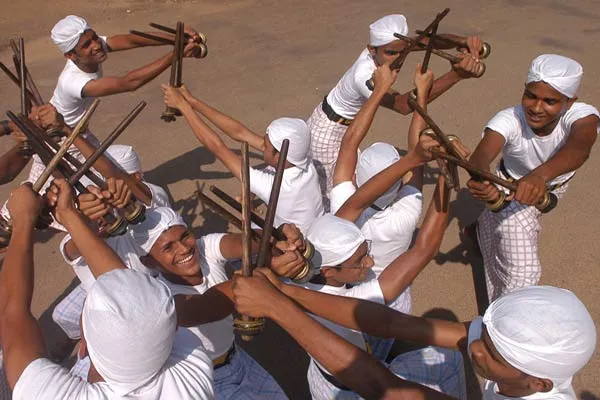
Kolkkali Dance is one of the popular dances of Kerala. There are a number of arts and crafts practiced in Kerala, including dance, martial arts, and ritual arts. The dance forms of Kerala are mainly folk dances, and bear the legacy of the traditional art and craft of Kerala.Kolkkali,also called Kolukali, Koladi etc, is a widely prevalent group dance in Kerala especially among farmers. Noted for its exposition of physical skills, Kolkkali is believed to have been in existence for more than a millennium.In Kalkoli dance of kerala all the performers move in a circle, striking small sticks and keeping rhythm with the special steps. The circle get expanded and contracted as the dance progress further. When the accompanying music rises at a pitch, the dance reaches its climax. Many of the traditional performing art forms of Kerala like Kathakali, Kolkali, Velakali, and Thacholikali have drawn elements from Kalarippayatt during their stages of evolution. It is believed to be a dance form that is more than thousand years old.Kolkali is a group dance mainly performed by the Muslims. In this highly rhythmic dance, the performers hold short sticks in their hands with which they make the rhythm by beating them. It is performed to the accompaniment of vocal music consisting of meaningless syllables followed by songs. It is a highly rhythmic dance, known for its exhibition of physical skills, in which a group of dancers wield small sticks. A group often has 12-24 performers each with two sticks in hand. A harmonious synchronization of the tapping of feet to the clapping of sticks sets the rhythm of this amazing dance.
The dancers sing and move in a circle around a nilavilakku as they dance and strike the small sticks in harmony. Though the dancers break away to form various patterns, they keep rhythm with special steps. As the Kolkkali dance progresses, the circle expands and contracts. The pace and rhythm of the dance differs from phase to phase as the accompanying music gradually rises in pitch and the dance culminates.
Location info
kerala.
Mobile network coverage
Airtel, Jio, BSNL, and Vi all provide coverage across Kerala. 4G is reliable in Kochi, Thiruvananthapuram, Kozhikode, and along the coastal belt. Coverage may be weaker in remote sections of the Western Ghats, deep forest reserves, and certain backwater stretches. Most hotels, houseboats, and cafes in tourist areas offer free Wi-Fi.
Food & restaurants nearby
Food options are available in the nearest town. Kerala cuisine — fish curry, appam with stew, puttu, and Kerala sadhya — is widely available and famously delicious.
Hotels & accommodation nearby
Accommodation is available in the nearest town or city. Options range from homestays to luxury resorts. Kerala’s homestay network is excellent and offers authentic local experiences.
Climate & weather
Kerala has a tropical monsoon climate with warm, humid conditions year-round. The best time to visit is November to February, when temperatures are a pleasant 22°C–30°C with low humidity and clear skies. March–May is hot and humid (up to 36°C). The southwest monsoon (June–September) brings heavy rainfall — the landscape transforms into lush green and this is the best time for Ayurvedic treatments. The northeast monsoon (October–November) brings shorter showers. Hill stations (Munnar, Wayanad) remain cooler year-round.
Helpline & emergency contacts
Tourist Helpline: 1364 (toll-free, 24×7). Police: 112 (all-India emergency). Ambulance: 108. Women’s Helpline: 1091. Kerala Police Tourist Helpline: +91-471-2722255.
Nearest petrol pump
Petrol pumps are available in the nearest town or on the approach road — check locally for the closest option.
Best time to visit Kolkkali Dance
Kolkkali Dance performances are held throughout the year. Kathakali performances are typically evening events (6:30 PM onwards). Theyyam performances are seasonal and linked to specific temple festivals, primarily between November and May. Cultural centres in major cities offer regular performances for tourists.
How to reach Kolkkali Dance
Nearest Airport: Cochin International Airport (COK) (approximately 0 km). Nearest Railway Station: Ernakulam Junction / Ernakulam Town Railway Station. The destination is well-connected by Kerala State Road Transport Corporation (KSRTC) buses and private taxis from major towns.
Timings & opening hours
Cultural performances (Kathakali, Theyyam, Mohiniyattam) typically take place in the evenings. Kathakali performances usually start at 6:30 PM–7:00 PM and last for about 2–3 hours. Theyyam performances occur at specific temple festivals and timings vary.
Entry fee & tickets
Kathakali performance tickets: INR 200–500 per person. Theyyam performances during festivals are free to watch. Dance festivals and cultural centres may charge INR 100–500 for entry. Some performances are included in temple festival events (free).
Duration needed
Kathakali performances: 2–3 hours. Theyyam performances: 30 minutes to 2 hours per performance (festivals have multiple performances throughout the day).
Safety tips
Kathakali and other dance performances are well-organised cultural events — follow venue rules. Arrive early for good seats. Photography may be restricted during performances (no flash). Some performances (like Theyyam) occur at temple grounds — follow temple customs.
Things to carry
A camera (check performance photography rules — flash is generally prohibited), a light sweater or wrap for evening performances (many venues are open-air), and comfortable seating. Some Theyyam venues are temple grounds — carry modest covering as required.
Nearby visiting places
Fort Kochi, Mattancherry Palace, Cherai Beach, Bolghatty Island, Marine Drive, Chinese Fishing Nets, Hill Palace Museum, Kerala Kathakali Centre, St. Francis Church
Nearest airport, railway & bus
Nearest Airport: Cochin International Airport (COK) (approximately 0 km). Nearest Railway Station: Ernakulam Junction / Ernakulam Town Railway Station. The destination is well-connected by Kerala State Road Transport Corporation (KSRTC) buses and private taxis from major towns.
History of Kolkkali Dance
Kolkkali Dance is a treasured traditional art form of Kerala with roots extending back centuries. Kerala is renowned for its rich performing arts traditions — Kathakali (the elaborate dance-drama), Mohiniyattam (the graceful solo dance), Theyyam (the ritualistic performance art), and numerous folk dance forms. These art forms emerged from the state’s temple traditions, folk culture, and the patronage of local rulers. Many dance forms are recognised by UNESCO for their cultural significance.
Things to do at Kolkkali Dance
Watch a live Kathakali/Mohiniyattam/Theyyam performance, arrive early to see the elaborate makeup application process (for Kathakali), learn about the mudras (hand gestures) and expressions used in the dance, take photographs (where permitted), visit the green room to see performers preparing, attend a lecture-demonstration (offered by many cultural centres), and buy traditional dance-related souvenirs like Kathakali masks.
Things to visit & highlights
The elaborate costumes, makeup, and facial expressions (in Kathakali), the graceful movements and hand gestures (mudras), the live traditional music accompaniment, the storytelling aspect of the performance, and the backstage experience of watching performers prepare.
Frequently asked questions
How long is a Kathakali performance? — A full Kathakali performance lasts 2–3 hours. Most tourist-focused centres offer 1-hour condensed performances that include the highlights. Where can I watch authentic performances? — Kochi has several Kathakali centres (Kerala Kathakali Centre, Cochin Cultural Centre). Theyyam performances are best witnessed at local temple festivals. Is photography allowed? — Photography is usually allowed without flash. Video recording may require additional permission or fee. Some performances restrict photography during certain segments.
Quick facts
- Type: Destination
- State: Kerala
- Category: Dance
Map & location view
This section is being updated and will be available shortly.
Photo gallery of Kolkkali Dance
Video gallery
Related destinations
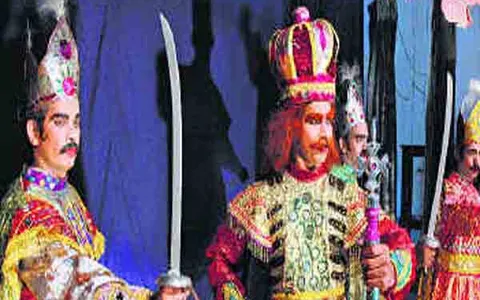
Chavittunatakom Dance
Chavittunatakom Dance in Kerala is one of the oldest dance forms in Kerala. This is one of the Christian dance forms of Kerala whose origin can be traced to the…
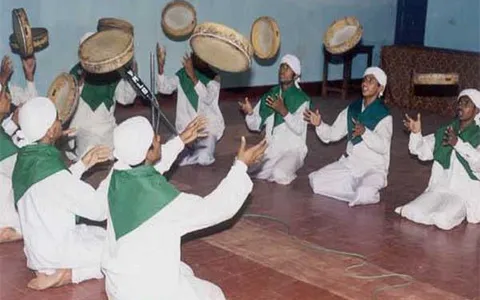
Duffmuttu Dance
The Duff Muttu or the Dubh Muttu, or the Duff Kalli is an art form performed in Kerala by the Muslim community to commemorate their festivals, nuptial ceremonies or…
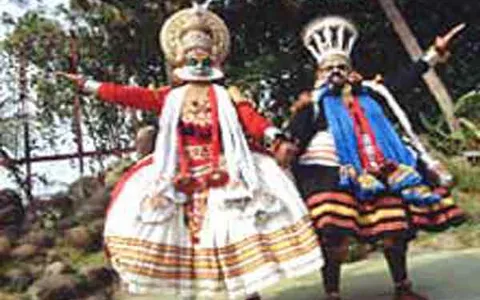
Kakkarissi Natakom Dance
http://seekerala.blogspot.com/2008/03/dances-and-folk-arts-of-kerala.html http://folks-musics.blogspot.com/2008/07/folk-dance-music-of-kerala.html…