Shankeshwar Temple
Shankeshwar Temple, located in the village of Shankeshwar in Gujarat's Patan district, is a prominent Jain temple dedicated to Lord Parshwanath, the 23rd Tirthankara of Jainism. The temple’s origins date back to the 10th century, and it has since been renovated multiple times, with its current structure showcasing exquisite marble architecture and intricate carvings emblematic of Jain artistic traditions. This temple is one of the holiest sites for Jains in Gujarat and holds significant…
About Shankeshwar Temple
Shankeshwar Temple, located in the village of Shankeshwar in Gujarat’s Patan district, is a prominent Jain temple dedicated to Lord
Parshwanath, the 23rd Tirthankara of Jainism. The temple’s origins date back to the 10th century, and it has since been renovated
multiple times, with its current structure showcasing exquisite marble architecture and intricate carvings emblematic of Jain
artistic traditions. This temple is one of the holiest sites for Jains in Gujarat and holds significant spiritual importance. Legend has it that the
temple was established after a revered idol of Lord Parshwanath was found at the site, leading to its consecration and subsequent growth
as a pilgrimage center. Every year, Shankeshwar Temple sees an influx of devotees, especially during major festivals like Mahavir
Jayanti, Parshwanath Jayanti, and Kartik Purnima, when grand celebrations and special rituals are held. The temple’s serene atmosphere,
combined with its historical and spiritual significance, offers a place for meditation, worship, and cultural connection.
The temple complex includes additional shrines, meditation halls, and facilities to support the needs of pilgrims, further solidifying its role
as a major center for Jain worship and culture. Besides its religious importance, Shankeshwar Temple is also a point of architectural
interest for its beautifully designed domes, pillars, and detailed carvings that reflect the rich heritage of Jain temple architecture. Visitors
can explore nearby attractions, such as the Modhera Sun Temple, the UNESCO-listed Patan Stepwell (Rani ki Vav), and other Jain temples,
making the region a hub of cultural and historical significance in Gujarat. Shankeshwar Temple stands as a testament to Gujarat’s religious
harmony and the enduring legacy of Jainism in India.
Climate/Weather
- Summer (March to June): Extremely hot, with daytime temperatures often exceeding 40°C (104°F).
- Monsoon (July to September): Moderate rainfall occurs, bringing relief from the summer heat.
- Winter (November to February): Mild and pleasant, with temperatures ranging from 12°C (54°F) to 29°C (84°F), making it the best time to visit.
- Annual Rainfall: Most of the rainfall occurs during the monsoon months, while the rest of the year remains relatively dry.
Interesting Things to Do
- Visit Shankeshwar Temple: Explore the beautifully crafted marble architecture and intricate carvings of this historic Jain temple dedicated to Lord Parshwanath.
- Attend Jain Festivals: Experience the vibrant celebrations of Mahavir Jayanti, Parshwanath Jayanti, and Kartik Purnima, when the temple is filled with special rituals and decorations.
- Participate in Meditation Sessions: Enjoy the serene environment of Shankeshwar Temple for meditation and spiritual practices.
- Explore Nearby Temples: Visit other Jain temples in the area, each offering unique architectural styles and religious significance.
- Visit Modhera Sun Temple: A short drive from Shankeshwar, this ancient temple dedicated to the Sun God is famous for its exquisite carvings and historical significance.
- Discover Patan’s Rani ki Vav: Explore this UNESCO World Heritage Site, a stepwell known for its intricate sculptures and historical value.
- Enjoy Local Jain Cuisine: Savor traditional Jain vegetarian dishes available in local eateries around Shankeshwar.
- Shop for Handicrafts: Look for local handicrafts and souvenirs in Patan, known for its Patola silk sarees and other traditional crafts.
Interesting things to Visit Shankeshwar Temple
�
Hariji:
Shri Agam Mandir Teerth of Mahavir is the main spot of visit added to it you have Shankeshwar Padmavati teerth as the other tourist location.Jotingada Parshwanath teerth:
River Saraswati:
It is another ancient town of Gujarat dates back even to the ages of Purana. Siddhpur is located on the banks of River Saraswati , its landscape prevails holistic with numerous temples, Ashrams, Kunds and Sacred buildings . Previously, the Bohra Muslims where the dominants over here, the well , the paved streets , service lane, mosques, and beautiful mansions that still exist set as an example. Siddhpur named after the famous ruler of Gujarat namely Siddhraj Jaisinh, he has set a mark by constructing an exuberant Rudra Mahalaya temple during the year of 12th century is a mark of reformation.
This place is referred as �Sristhala� in Skanda Purana . the major input on Hinduism prevailed here because of the unique geographical features of the River saraswati. Wherein, it turns eastward flow in the town helped add air of sanctification to siddhpur, therefore, Hindus gather here to perform ritual ceremony for maternal spirits on the shores, namely � Matru Shraddha�. This entire town is today being dominant of Hindu religious activities. The other places of interest are Thali building, Rudra Mahalaya and Mansions of Bohra Muslims. Vadnagar at the distances of 42 kms , Sharmishta Talav and Kirti Toran constitute are the nearby tourist attractions.
�
Mobile Range Info
- Coverage: Major providers like Airtel, Jio, Vi, and BSNL offer good 4G coverage in Shankheshwar.
- Signal Quality: Generally reliable, though signal may vary inside the temple complex.
- Provider Check: Use Airtel’s Open Network or Vi’s coverage map online to verify signal strength in specific areas.
Nearest Visiting places from Shankeshwar Temple
Taranga Hills:
The hill region is thronged three peaks around and Taranga is near to the Jain Temple of Idol which is said to be the Jain Siddha Kshetra. These hills have 5 Digambar and 5 Shwetambar temples and it is said that several saints have obtained final emancipation after powerful austerities from here. The beautiful temple of Lord Ajitnath is located here, this was constructed during the 12th century by the Shwetambar Solanki king, Kumarapal of Patan.
Thol wildlife sanctuary:
The circumference of this jungle is 7sq. km and it is a home of nature and beauty filled in with variety of wildfowl, flamingos, gray pelicans, black ibis and wetland birds. The best seasons are the month of October to March.
Umia Mata:
This town is another antique location of the district. Here, you have the temple of Umia Mata, dedicated by the family of Kadva Patels. It serves as a base for those who visit Modhera temple. Apart, from this, the village is famous for Ayurvedic pharmacy and Medicine Manufacturing. The main trade transaction from this village is Jeera, Oilseeds, Cumin, Variyali and Isabgul. The main ritual to this village is the marriage custom of Kadvakanbis who still inherits here, Great Bonanja of fair is held oft a Maha Sud and Vaishak Sud.
Vadnagar:
The town is very ancient and has great important historical values. The six 12th century gates with great work of historic ambience welcome you to this town, which really takes us back to the past. This town is enriched with numerous temples, narrow lanes, small houses, plinths and pillars talks about the values of ancient architecture. The town is still at its old charm un faded. Among the six 12th century Gates, Amarthol is the oldest one that still exists in this town. The major attractions are the Kirti Mandir, which is significant for its 12th century Torana Gates is here and the famous Lord Shiva temple known as the 17th century Hatkeshwar temple is a prime pilgrimage center.. Other places of tourist interest are Kasivishvesvara Shiva temple, Swaminarayan Temple, Sitla Mata Temple and two other Jain Temple.
Bahucharaji:
Here, there is a famous temple namely to the Goddess Bahucharaji and also there is a collection of three temples termed as Adyasthan [original site] and Madyasthan. During the full moon day devotees swan in to perform tonsorial ceremonies. The important fair is hosted by the Bahucharaji temple during the month March-April in order to perform rituals at night.
�
Nearest Petrol Pump
- Bharat Petroleum Station: Located approximately 1.5 km from Shankeshwar Temple on the main road. Offers fuel and basic amenities.
- Indian Oil Petrol Pump: Around 3 km away, on the highway towards Patan. Provides 24/7 service and air filling station.
- HP Petrol Pump: Approximately 4 km from the temple, near Shankeshwar village entry. Known for reliable service and available parking space.
- Reliance Petrol Pump: Located 5 km away on the highway. Offers clean restrooms and a convenience store.
Hotels/Lodges/Accommodation near Shankheshwar Temple
- 108 Parshwanath Bhaktivihar Jain Dharamshala: Located approximately 400 meters from Shankheshwar Temple, this Dharamshala offers two-bedded AC and non-AC rooms. Jain meals are available, and parking facilities are provided.
- Rajendrasuri Navkar Mandir Jain Dharamshala: Situated about 300 meters from the Shankheshwar bus stand, this Dharamshala offers two-bedded AC, non-AC, and AC VIP rooms. It is conveniently located near several temples, including Kalapurnam Smriti Mandir and Anchor Jahaj Mandir.
- Parmar Bhavan: Approximately 1 km from Shankheshwar Parshwanath Jain Temple, Parmar Bhavan offers two, three, and five-bedded AC and non-AC rooms exclusively for Jain visitors. Parking space is available, and meals can be found nearby.
- Shree Jirawala Puram Tirth: Located around 2.2 km from the Dasada bus stand, this accommodation offers two-bedded rooms. Meals are available, and parking facilities are provided.
- Hotel The Grand Parshwanath: A hotel option in Shankheshwar offering comfortable rooms with modern amenities. It is suitable for both pilgrims and tourists visiting the area.
Things to Carry
- Comfortable Clothing: Wear modest and comfortable attire suitable for temple visits and warm weather.
- Footwear: Easy-to-remove shoes, as you will need to leave them outside the temple.
- Water Bottle: Stay hydrated, especially if visiting during warmer months.
- Sun Protection: Carry sunglasses, a hat, and sunscreen for outdoor exploration.
- Personal Hygiene Items: Hand sanitizer and tissues for use after handling offerings or temple items.
- Camera/Phone: Capture memories, though photography may be restricted in some areas.
- Cash: Small denominations for donations, offerings, and local purchases.
- Snacks: Carry light snacks as food options may be limited around the temple.
- Personal Identification: Carry ID, especially if you plan to stay at a Dharamshala or hotel.
Tips & Suggestions for Shankeshwar Temple
- Visit During Festivals: If possible, visit during Jain festivals like Parshwanath Jayanti and Kartik Purnima for a vibrant cultural experience.
- Dress Modestly: Wear traditional or modest attire, as this is a place of religious significance.
- Respect Temple Etiquette: Follow guidelines for rituals, maintain silence, and avoid touching idols unless permitted.
- Remove Footwear: Footwear is not allowed inside the temple, so use the designated area to store shoes.
- Avoid Photography: Check for photography restrictions; it may be prohibited inside certain parts of the temple.
- Carry Cash: Bring small denominations for offerings and donations as digital payments may not be available everywhere.
- Stay Hydrated: Carry water, especially if visiting in warmer months, as the area can get hot during the day.
- Plan for Accommodation: Book Dharamshalas or nearby lodges in advance, especially during peak pilgrimage seasons.
- Try Local Cuisine: Experience the local Jain vegetarian meals available around the temple area for an authentic experience.
Help Line/Phone Number
Copyright 2016 HolidayLandmark All rights reserved
Location info
-
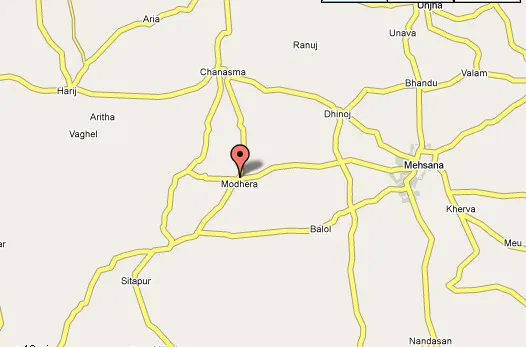
**Address:**Modhera,Gujrat,India
-
**District:**Patan
-
Nearest City: Mheshana
-
Best time to visit: October to March
History of Shankeshwar Temple
In the year 1155 of the Vikram era, Sajjan Shah built the Shankheshvar temple on the banks of the Rupen river.In the year 1286 of the Vikram era, Vastupal Tejpal renovated this temple under instructions of Shri Vardhamansurisharji Maharaj Saheb. There were 52 idols in the temple.In the year 1302, King was awe-inspired by inconceivable grandeur of the idol and inspired by Shri Uktasuri Maharaj Saheb, he renovated this temple and made it comparable to a God�s residence.
In the fourteenth century of the Vikram era, this temple was destroyed by Muslims.In the sixteenth century of the Vikram era, under the inspiration of Vijaysensurishvarji Maharaj Saheb, the splendid new temple with 52 idols, was built.In the year 1760 of the vikram era, the sangha built the new temple and got the idol reinstalled. Since then, this vast and beautiful temple with a 52 idols and passage for going round it. stands there. Besides, the original sanctuary, this temple has an open square, a decorated square, a vast square and two assembly halls. Even if volumes of books are written, they cannot fully describe the miracles of this temple.
How to reach Shankeshwar Temple
-
**Nearest Railway Station:**Viramgam Junction Railway Station
-
**Nearest Airport:**Sardar Vallabhbhai Patel International Airport
-
**Road Transport:**State Transport and Luxury buses are available from Ahmedabad and Patan
Best time to visit Shankeshwar Temple
October to March with pleasant temperatures.
Timings & opening hours
6:00 AM to 8:00 PM daily. Specific Aarti timings vary by temple.
Entry fee & tickets
No entry fee.
Duration needed
1 to 3 hours depending on the temple.
Safety tips
Follow temple security procedures. Remove shoes before entering. Respect religious practices.
Nearest airport, railway & bus
Nearest airport and railway station in the nearest city.
Food & restaurants nearby
Temples and religious sites in Gujarat often have nearby food stalls and thali restaurants. Major pilgrim centres (Somnath, Dwarka, Ambaji) have extensive food options. The nearest town typically offers traditional Gujarati thali and multi-cuisine restaurants.
Frequently asked questions
What are the temple timings? Generally 6:00 AM to 8:00 PM.
What is the significance of Shankeshwar Temple? It is a revered pilgrimage site in Gujarat.
What is the best time to visit? October to March.
Accessibility
Religious sites may have steps at the entrance and may not have ramps. The interiors are generally level once inside. Some historic sites have uneven stone floors. Visitors with mobility concerns should check in advance.
Rules & restrictions
Modest dress is required: shoulders and knees must be covered (scarves or shawls are often available at the entrance). Photography is generally permitted without flash, but video may be restricted. Maintain silence inside. Mobile phones should be on silent mode. Remove shoes if required (indicated by signage). Do not touch artefacts or altars. These are active places of worship — respect services, festivals, and devotees.
Best photography spots
Gujarat’s churches (primarily in Diu and Daman) showcase Portuguese colonial architecture. Shoot in the early morning or late afternoon for the best light on the whitewashed facades. The interiors are simpler than Goan churches but the colonial-era details are worth capturing.
Quick facts
- Type: pligrims
- Location: Gujarat, India
- Ideal for: History enthusiasts, cultural travelers, and photographers
- Best time to visit: October to March (pleasant winter season)
- Photography: Allowed at most areas; some sites may have restrictions inside sanctums
Plan your visit to Shankeshwar Temple with these essential quick facts for a smooth and enjoyable trip to Gujarat.
Visitor information
Planning your visit to Shankeshwar Temple
- Language: Gujarati is the local language; Hindi and English are widely understood at tourist sites.
- Getting around: Auto-rickshaws, taxis, and state transport buses are readily available. Hiring a private vehicle is recommended for comfort.
- What to wear: Light cotton clothing in summer; light woolens in winter. Comfortable walking shoes are essential. Modest dress is advised at religious sites.
- Photography: Check for photography restrictions before entering. Some temples and museums may charge a separate camera fee.
- Best time to visit: October to March when the weather is pleasant for sightseeing.
- Local cuisine: Don’t miss Gujarati thali — a wholesome meal with dal, rice, vegetables, roti, and sweets like dhokla, khandvi, and mohanthal.
Nearby facilities
- ATMs: Available in nearby towns and at major tourist sites.
- Medical facilities: Primary health centers and hospitals can be found in district headquarters.
- Restrooms: Public restrooms are available at major tourist spots; carry hand sanitizer and tissues.
Make your visit to Shankeshwar Temple comfortable and hassle-free with these practical visitor tips for Gujarat.
Map & location view
Shankeshwar Temple is located in the vibrant state of Gujarat, India. The destination is accessible by road and is well-connected to major cities and towns in the region, making it a convenient addition to any Gujarat travel itinerary.
How to reach
- By Air: The nearest airport is connected to major Indian cities including Mumbai, Delhi, Ahmedabad, and Vadodara with regular domestic flights.
- By Rail: The nearest railway station is connected to the Indian railway network with regular trains from major cities across India.
- By Road: State transport buses, private taxis, and self-drive options are available from nearby cities. Gujarat has a well-maintained network of state highways and national highways.
Use GPS navigation or local maps to find the exact location of this destination in Gujarat. The Gujarat Tourism website provides additional travel resources for visitors.
Photo gallery
Visual highlights of Shankeshwar Temple
Visitors to Shankeshwar Temple will find plenty of photogenic spots worth capturing. From architectural details to natural landscapes, the destination offers diverse subjects for photography enthusiasts.
What to photograph:
- Architecture: Intricate carvings, structural details, and traditional Gujarati craftsmanship
- Landscapes: Surrounding natural beauty, gardens, and panoramic views of the Gujarat landscape
- Local life: Candid moments of visitors, vendors, and daily activities around the site
- Details: Close-up shots of carvings, paintings, decorative elements, and textures
Photography tips:
- Early morning (6:00 AM – 8:00 AM) and late afternoon (4:00 PM – 6:00 PM) offer the best natural light for photography in Gujarat’s climate
- Check if photography is allowed inside buildings before taking photos
- A wide-angle lens is ideal for capturing architectural grandeur at Gujarat’s heritage sites
- Mobile phone photography works well in well-lit outdoor areas
Browse through our collection of photographs showcasing the beauty and heritage of Shankeshwar Temple. New images are added regularly as part of our ongoing content enrichment for this Gujarat destination.
Photo gallery of Shankeshwar Temple
Video gallery
Related destinations

Ajit Nath Temple
Ajitnath Temple located 56 kms from Mehsana, nestled in the hills of Taranga, is the temple devoted to Ajitnath, the 22nd Tirthankara of Jains. One of the most…
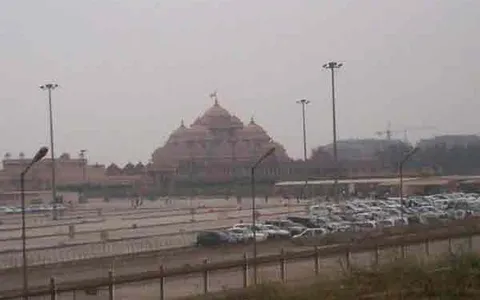
Akshar Dham Temple
A specimen of fine craftsmanship, the Akshardham temple in Gandhinagar is one of the largest and most prominent temples in the entire state of Gujarat. Located in…
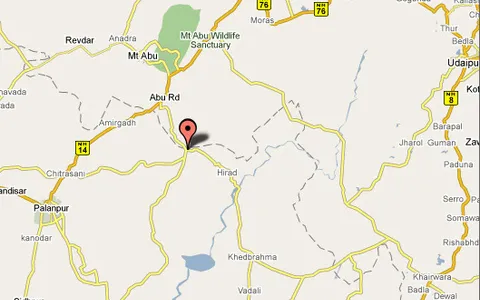
Ambaji Temple
At a distance of 65 Kms from Palanpur and 45 Kms from Mt. Abu near Gujarat Rajasthan border the religious town of Ambaji is located. This town is famous for the Maa…