Dwarkadhish Temple
A state highway with Jamnagar and Okha also connects it. Nearest airport is Jamnagar. Dwarka lies on 20.22' north latitude and 69.05' east longitude and built on the night bank of Gamut creek. Dwarka was known as the city of Gold. Shree Krishna came here from Mathura along with some Yadav families and establishes his own empire Dwarka. That was the legend but science proved it partially. Scientists researched on that and have found some facts.
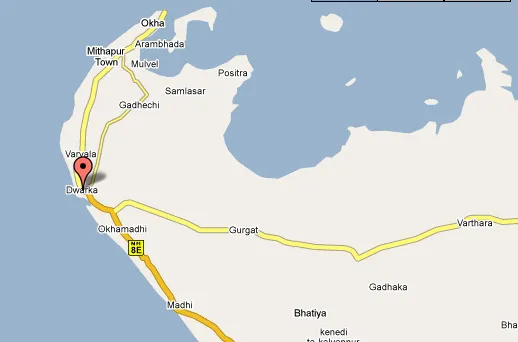
About Dwarkadhish Temple
Dwarka is derived from ‘Dwar’, a door, and in ancient times its flourishing port was considered to be the gateway to the main land. As ‘Ka’ means ‘Brahma’ meaning, gateway to Moksha. It is called Dwarkamati and Dwarkavati. Being adopted home and capital of Shri Krishna after he gave up Mathura. It is held in such a high esteem as a place of Hindu pilgrimage that it is considered to be one of the four principle holy places or chardham, it is also known as Mokshapuri.
Devotees from all over India, visit the holy place during Janmashtami. The festival is celebrated in a special way; the entire place is very well decorated with rows of lighting everywhere. Special pooja is performed on the day by aboti brahmins; a special caste of brahmins who have been performing pooja for centuries. The pooja is based on a daily routine. Arti is performed at different times during the day, abhishek of lord’s idol is done, followed by shringar wherein the idol is adorned with new clothes, jewels and flowers; distribution of sweet meat or prasad to devotees happens in the end. It is said devotees visiting the temple during janmashtami are freed from all sufferings.
Also known as the Jagat Mandir, the temple has two shikhars. The Nij shikhar is where the idol of Lord Dwarkadhish is placed. The huge temple consists of 60 exquisitely carved pillars and a number of beautiful sculptures that depict the influence of various dynasties such as the Guptas, Pallavas, Martraks, Chavdas and Chanakyas, that ruled Dwarka over the years. The entrance to the temple is from the north, also known as the Moksha Dwaar while towards the south is the Swarg Dwaar, from where a series of steps leads down to the banks of river Gomti. According to legend, the temple was constructed in a single day by Vishwakarma, the lord of construction.
The idol of Lord Dwarkadhish is made of shiny black stone and is about 2.25 ft in height. The four hands of the Lord carries a conch, wheel, a metallic weapon and a lotus each and is popularly known as ‘Shankh Chakra Gada Padma Chaturbhuj’. It is said that the idol was hidden for years to protect it from invaders while another idol brought from the Rukmini temple was installed in its absence. The original idol was reinstalled during the 16th century after the construction of the new temple.
Interesting things to Visit Dwarkadhish Temple
Rukmini Devi Temple:
The temple, located 1.5 km north of town is dedicated to Rukmini, the consort of Lord Krishna. This 12th century architectural masterpiece is perfected with beautiful paintings and intricately carved walls. According to legend, sage Durwasa cursed Rukmini that she would be seperated from Lord Krishna, as a result of which the temple of Rukmini is located outside the city, while that of Krishna inside.
Gomati Ghat Temples:
The Gomati ghats, where river Gomati meets the ocean is considered especially holy and a bath here is said to be the shortest way to nirvana. The Samudra Narayan Temple is a huge structure that houses an image of Goddess Gomti, said to have been brought from heaven by sage Vasistha.
Bet Dwarka:
Situated at a short distance from Dwarka, Bet Dwarka is a small island with several ancient temples. The east end of the island has an excellent beach with extensive water plants and animals. The beach is not much visited, therefore an excellent place to get away from the bustle of the city life.
Nearest Visiting places from Dwarkadhish Temple
Lakhota Museum:
One of the most striking remnants of the rich past of imperial India, a Tour To Jamnagar is considered as a definite must have, if you are planning a tour schedule to Gujarat. Almost the whole of the former princely state of Jamnagar is still alive, stunning rich glory of the times gone by, standing as a witness to an era of richness which still heavily influences the way of life of not just Jamnagar but the whole of the province of Gujarat. Home to a history, which the city proudly holds even today, the long list of the various Museums Of Jamnagar are led by the exotic beauty of the museums like Lakhota Museums, Jamnagar.
Museum of Antiquities:
Welcome to the Museum of Antiquities, featuring a collection of Greek, Roman, Egyptian and Near Eastern sculpture in full scalereplica including the Charioteer of Delphi, panels from the frieze of the Parthenon, and other famous and intriguing works, as well as original Roman coinage. The Museum of Antiquities on the University of Saskatchewan campus offers a rare opportunity for anyone interested in art or antiquity.
Rangmati River:
A definite must include, if you are planning a Tour to Gujarat, Jamnagar promises to charm all the tourists to her land. Rich in history as well as heritage, a Tour to Jamnagar is one of the easiest ways of knowing more about the rich heritage of Gujarat. Well maintained, almost the entirety of the city of Jamnagar is a sight for sore eyes, which has grown around the course of the Rangmati River, Jamnagar.
Bala Hanuman Temple:
The city of Jamnagar in Gujarat has had an elaborate history that dates back to the time of its foundation in the year 1540 A.D.It is by virtue of this highly illustrated history that Jamnagar offers a wide range of attractions for its tourists. Among theseTourist Attractions in Jamnagar, the Holy Places in Jamnagar are visited by the tourists form various parts of India and the
world. Among these, the Temples in Jamnagar and more importantly, the Bala Hanuman Temple, Jamnagar deserve a special mention.
Rozi and Bedi Ports:
Jamnagar, a city in the state of Gujarat is located in the Gulf of Kutch. Adinath Mandir sharp line of distinction can be drawnbetween the coastlines of Jamnagar to that of other sea coasts of India. Although the Jamnagar coastline is tidal by nature, yet they offer a few of the most spectacular beaches as well as picnic spots in the country.In addition to this, the presence of as many as 42 islands in this region makes the Gulf one of the most attractive touring destinations in India. One such destination is Rozi and Bedi Ports, Jamnagar.
Nageshwar Temple:
Nageshwar Temple or Nagnath Temple is located on the route between Gomati Dwarka and the Bait Dwarka Island on the coast of Saurashtra in Gujarat. The Jyotirlinga enshrined in the Temple of Nagnath is known as Nageshwar Mahadev and attracts thousands of pilgrims all round the year. This powerful Jyotirlinga symbolizes protection from all poisons. It is said that those who pray to the Nageshwar Linga become free of poison. The Rudra Samhita sloka refers to Nageshwar with the phrase ‘Daarukaavane Naagesham’.
Help Line/Phone Number
Copyright 2016 HolidayLandmark All rights reserved
Location info
-
**Address:**Dwarka Gujrat,India
-
District: Jamnagar
-
Nearest City: Mithapur
-
Best time to visit: October to March
History of Dwarkadhish Temple
Around 5000 years ago, Dwarka is believed to have been built by Lord Krishna himself. As per the ‘Harivansh’ (an appendix to the Mahabharata), Dwarka was positioned on the bank of Gomati River. This holy city is said to have been the abode of Lord Krishna, for more or less 100 years, during his lifetime. Dwarka is assumed to have been immersed in the sea, when the Lord returned to his divine world.
In the early eighties, archeological department revealed that the entire coast of western India sank by nearly 40 feet around 1500 B.C. The present temple is expected not to be older than the Mughal period. The inscriptions on the pillars date back to the 15th century. Necessarily, the ancient temple had been there, but it was possibly destroyed by Mohmud Begada in 1473 AD. The current structure must have been erected during the period of Mughal Emperor, Akbar.
Things to do at Dwarkadhish Temple
Worship:
There is a legend behind the idol of Lord Dwarkadhish in the temple. Badana, an old devotee, used to come daily from Dakor to Dwarka, in order to have a glimpse of the Lord Dwarkadhish. The Lord was really appeased with her and one day, he went along with Badana to Dakor, in the form of idol. The priests at Dwarka temple got angry at Badana, whotook the idol according to them. The enraged priests chased Badana to get back the idol. Badana convinced the priests to leave the idolinstead of gold.
How to reach Dwarkadhish Temple
-
**Nearest Railway Station:**Dwarka is on the Western Railway line.
-
**Nearest Airport:**Jamnagar,airport.
-
**Road Transport:**State Transport buses, private buses and taxis and conducted tours run to Dwarka.
Nearest petrol pump
Available in a Nearest City
Best time to visit Dwarkadhish Temple
October to March with pleasant temperatures.
Timings & opening hours
6:00 AM to 8:00 PM daily. Specific Aarti timings vary by temple.
Entry fee & tickets
No entry fee.
Duration needed
1 to 3 hours depending on the temple.
Safety tips
Follow temple security procedures. Remove shoes before entering. Respect religious practices.
Things to carry
Modest clothing covering shoulders and knees. Offerings can be purchased outside the temple.
Nearest airport, railway & bus
Nearest airport and railway station in the nearest city.
Mobile network coverage
Airtel, Jio, and Vi all provide good coverage across Gujarat’s major cities and tourist areas. 4G is generally reliable in Ahmedabad, Vadodara, Surat, and along major highways. Coverage may be weaker in remote areas of Kutch and interior Saurashtra. Most hotels and cafes in tourist areas offer free Wi-Fi.
Food & restaurants nearby
Temples and religious sites in Gujarat often have nearby food stalls and thali restaurants. Major pilgrim centres (Somnath, Dwarka, Ambaji) have extensive food options. The nearest town typically offers traditional Gujarati thali and multi-cuisine restaurants.
Hotels & accommodation nearby
Accommodation in Gujarat’s cities ranges from heritage havelis to modern hotels. Ahmedabad, Vadodara, and Surat offer the most options.
Climate & weather
Gujarat has a diverse climate ranging from arid in Kutch to semi-humid along the coast. Winter (November–February) is the best time to visit: temperatures range from 12°C to 29°C with clear skies and pleasant days. Summer (March–June) is very hot, with temperatures reaching 40–45°C in interior areas. The monsoon (July–October) brings moderate to heavy rainfall, with coastal areas receiving more rain. The Rann of Kutch and cultural festivals are best experienced in winter.
Frequently asked questions
What are the temple timings? Generally 6:00 AM to 8:00 PM.
What is the significance of Dwarkadhish Temple? It is a revered pilgrimage site in Gujarat.
What is the best time to visit? October to March.
Accessibility
Religious sites may have steps at the entrance and may not have ramps. The interiors are generally level once inside. Some historic sites have uneven stone floors. Visitors with mobility concerns should check in advance.
Rules & restrictions
Modest dress is required: shoulders and knees must be covered (scarves or shawls are often available at the entrance). Photography is generally permitted without flash, but video may be restricted. Maintain silence inside. Mobile phones should be on silent mode. Remove shoes if required (indicated by signage). Do not touch artefacts or altars. These are active places of worship — respect services, festivals, and devotees.
Best photography spots
Gujarat’s churches (primarily in Diu and Daman) showcase Portuguese colonial architecture. Shoot in the early morning or late afternoon for the best light on the whitewashed facades. The interiors are simpler than Goan churches but the colonial-era details are worth capturing.
Quick facts
- Type: pligrims
- Location: Gujarat, India
- Ideal for: History enthusiasts, cultural travelers, and photographers
- Best time to visit: October to March (pleasant winter season)
- Photography: Allowed at most areas; some sites may have restrictions inside sanctums
Plan your visit to Dwarkadhish Temple with these essential quick facts for a smooth and enjoyable trip to Gujarat.
Visitor information
Planning your visit to Dwarkadhish Temple
- Language: Gujarati is the local language; Hindi and English are widely understood at tourist sites.
- Getting around: Auto-rickshaws, taxis, and state transport buses are readily available. Hiring a private vehicle is recommended for comfort.
- What to wear: Light cotton clothing in summer; light woolens in winter. Comfortable walking shoes are essential. Modest dress is advised at religious sites.
- Photography: Check for photography restrictions before entering. Some temples and museums may charge a separate camera fee.
- Best time to visit: October to March when the weather is pleasant for sightseeing.
- Local cuisine: Don’t miss Gujarati thali — a wholesome meal with dal, rice, vegetables, roti, and sweets like dhokla, khandvi, and mohanthal.
Nearby facilities
- ATMs: Available in nearby towns and at major tourist sites.
- Medical facilities: Primary health centers and hospitals can be found in district headquarters.
- Restrooms: Public restrooms are available at major tourist spots; carry hand sanitizer and tissues.
Make your visit to Dwarkadhish Temple comfortable and hassle-free with these practical visitor tips for Gujarat.
Map & location view
Dwarkadhish Temple is located in the vibrant state of Gujarat, India. The destination is accessible by road and is well-connected to major cities and towns in the region, making it a convenient addition to any Gujarat travel itinerary.
How to reach
- By Air: The nearest airport is connected to major Indian cities including Mumbai, Delhi, Ahmedabad, and Vadodara with regular domestic flights.
- By Rail: The nearest railway station is connected to the Indian railway network with regular trains from major cities across India.
- By Road: State transport buses, private taxis, and self-drive options are available from nearby cities. Gujarat has a well-maintained network of state highways and national highways.
Use GPS navigation or local maps to find the exact location of this destination in Gujarat. The Gujarat Tourism website provides additional travel resources for visitors.
Photo gallery
Visual highlights of Dwarkadhish Temple
Visitors to Dwarkadhish Temple will find plenty of photogenic spots worth capturing. From architectural details to natural landscapes, the destination offers diverse subjects for photography enthusiasts.
What to photograph:
- Architecture: Intricate carvings, structural details, and traditional Gujarati craftsmanship
- Landscapes: Surrounding natural beauty, gardens, and panoramic views of the Gujarat landscape
- Local life: Candid moments of visitors, vendors, and daily activities around the site
- Details: Close-up shots of carvings, paintings, decorative elements, and textures
Photography tips:
- Early morning (6:00 AM – 8:00 AM) and late afternoon (4:00 PM – 6:00 PM) offer the best natural light for photography in Gujarat’s climate
- Check if photography is allowed inside buildings before taking photos
- A wide-angle lens is ideal for capturing architectural grandeur at Gujarat’s heritage sites
- Mobile phone photography works well in well-lit outdoor areas
Browse through our collection of photographs showcasing the beauty and heritage of Dwarkadhish Temple. New images are added regularly as part of our ongoing content enrichment for this Gujarat destination.
Photo gallery of Dwarkadhish Temple
Video gallery
Related destinations
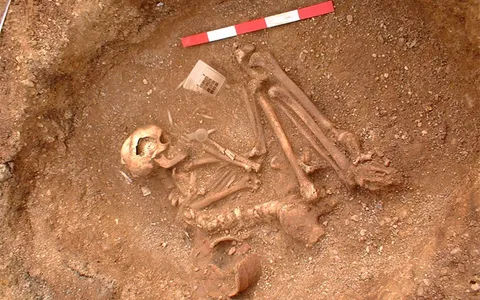
Ajit Nath Temple
Ajitnath Temple located 56 kms from Mehsana, nestled in the hills of Taranga, is the temple devoted to Ajitnath, the 22nd Tirthankara of Jains. One of the most…
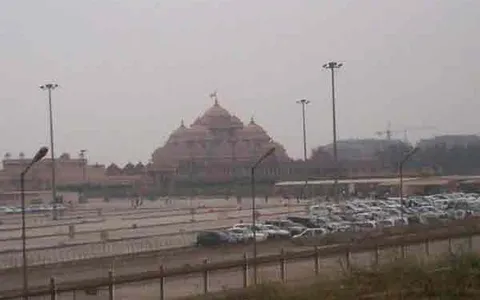
Akshar Dham Temple
A specimen of fine craftsmanship, the Akshardham temple in Gandhinagar is one of the largest and most prominent temples in the entire state of Gujarat. Located in…
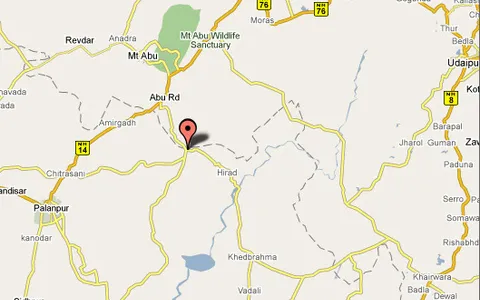
Ambaji Temple
At a distance of 65 Kms from Palanpur and 45 Kms from Mt. Abu near Gujarat Rajasthan border the religious town of Ambaji is located. This town is famous for the Maa…