Shreyas Folk Museum
Over the next few centuries, the city grew steadily outgrowing the space within the city walls, spreading further outward even to the other side of the river. Eventually, most of the walls were removed, and today only the gates still stand, as well as a short section of wall also stands along the riverfront. The area within the boundary of the old wall is known today as the “old city”, and the difference will be easily visible to a visitor. The streets are far narrower, as they mostly predate…
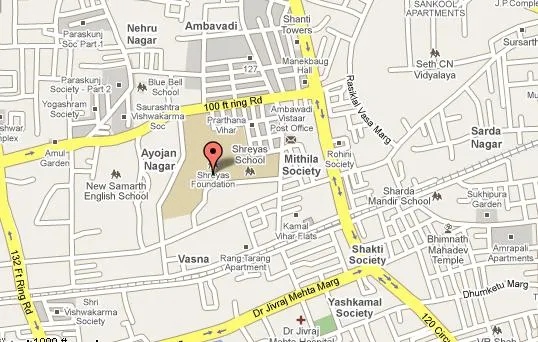
About Shreyas Folk Museum
Over the next few centuries, the city grew steadily outgrowing the space within the city walls, spreading further outward even to the other side of the river. Eventually, most of the walls were removed, and today only the gates still stand, as well as a short section of wall also stands along the riverfront. The area within the boundary of the old wall is known today as the “old city”, and the difference will be easily visible to a visitor. The streets are far narrower, as they mostly predate motorized transport, and the city is organized into neighborhood units called pols.
The gates standing today are (clockwise from the northwest corner) Shahpur Gate, Delhi Gate, Dariapur Gate, Prem Gate, Kalupur Gate, Panch Kuva Gate, Sarangpur Gate, Raipur Gate, Astodia Gate, Mahudha Gate, Jamalpur Gate, Khanjia Gate, Raikhad Gate, Ganesh Gate and Ram Gate. Each of the gates has beautiful carvings, calligraphy and some of them even balconies. Each is a unique island in the midst of the traffic, with people often sitting beneath them, and they lend an antique historical feel to the city, even as newer buildings have been built around them. Pedestrians, bicycles, scooters, rickshaws and cars still drive through them, though a sign on Sarangpur Gate specifically prohibits elephants from doing so.
From costumes to handmade articles these communities exhibit their works in the Shreyas Folk Museum, Ahmedabad. One of the major attractions of the Shreyas Folk Museum, Ahmedabad is a complete skeleton of an elephant which has a height of 3.19m. There is an extensive collection of old coins, weapons, puppets, toys, costumes, masks, musical fountains and animal caparisons which recall the grandeur of the bygone era and exudes a vintage charm.
Interesting things to Visit
Calico Textile Museum:
One of the finest textile museums in the world in one of Gujarat“s famous carved wooden havelis. The museum displays a magnificent collection of rare textiles dating back to the 17th century. There is also an excellent reference library on textiles. Located in the Sarabhai Foundation, in Shahibagh the Calico Museum of Textiles, widely regarded as one of the finest textile museums in the world was constructed in 1949 AD. It has the finest collection of not just textiles and clothes but also furniture, temple artifacts and crafts in the country. It has no less than five centuries of the finest fabrics spun, woven, printed and painted in different parts of India. It has a collection of marble, sandstone and bronze icons and busts split in two thematic sections- gallery for religious textiles and historical textiles. An excellent reference library on textiles is found here.
Gandhi Aashram:
Located near Vadaj, the Sabarmati Aashram was once house of Mahatma Gandhi. The ashram was founded by Mahatma Gandhi in 1915, and today without doubt it is the biggest tourist attraction in Ahmedabad. It lies on the tranquil stretch of the Sabarmati river and was referred to as the Satyagraha Ashram during the lifetime of the Mahatma. It was from here, that the Mahatma began his famous ‘Dandi March’ in 1930 to protest against the Salt Tax imposed by the British. One can see the three wise monkeys and many more of Gandhiji’s teachings at the ashram premises. The ashram today continues the work started by Mahatma and houses a handicrafts centre, a handmade paper factory and a spinning wheel factory. Besides, there are several other attractions for the tourist.
Jhulta Minara:
Quite an unusual structure, Jhulta Minara or swaying minarets are a part of the mosque of Siddi Bashir and can be moved back and forth by applying a little force at the topmost arch. One of the minarets was partly demolished by an Englishman in his endeavors to unravel the mystery of the swaying minarets. The mosque was built by master craftsmen and the crucial mechanism that leads to the vibration is still a mystery. The other interesting fact here is that these minars stand the test of the rumbling trains that pass not very far away from them.
Kankaria Lake:
A circular lake built in 1451 by Sultan Qutub-ud-Din. In the centre of the lake is an island garden with a summer palace known as Nagina Wadi, It has a very beautiful Musical Fountain show(although the music sucks but the lights and fountain are worth a trip). The lake is a popular recreation centre surrounded by parks, “Bal Vatika” - an aquarium, a boat club, a natural history museum and a zoo.
Sarkhej Roza:
Sarkhej Roza lies in the village, off the main Sarkhej road, about 10 kilometers southwest of Ahmedabad. he gateway of its entrance opens to a fore-court with the majestic mausoleum to the right and the royal tombs to the left. Beyond these is a spacious courtyard mosque, which is remarkable for its unassuming elegance and the linear purity of its multi-domed prayer hall and colonnades.
Vastrapur Lake:
The Vastrapur Lake is a lake situated in the city of Ahmedabad in the state of Gujarat in western India. It is located in the western part of the city in the Vastrapur area. The lake was beautified by the Ahmedabad Municipal Corporation and has since become a popular spot in the city. The prestigious Indian Institute of Management Ahmedabad is located about 1km from the lake. The lake is about 5-10 minutes away from the Sarkhej-Gandhinagar highway. Every weekend, a large number of people visit this lake. It currently boasts an open air theatre, children“s park and boating facilities. There is a pathway all around the lake which serves many walkers and joggers in the early mornings and in the evenings. There is also a multi-speciality hospital “Sanjivani” located near the lake.
Vishala Utensils Museum:
The Veechar Utensils Museum is located in the campus of Vishala Restaurant near old Vasna toll post. The museum exhibits several utensils from various parts of India. Vishala is a village theme based restaurant in Ahmedabad, and is situated off Sarkhej road near APMC market.The Only Museum in the Country Showcasing over 3000 Utensils used by the various households in INDIA. Its a personal collection of Mr. Surendra Patel who has curated and designed the Museum. The Museum is part of Vishalla, a restaurant serving ethnic Gujarati Food. Its a magnificent museum showcasing a very different culture of India.
Vaishnodevi Temple:
Situated in the city limits, Vaishno Devi temple in Ahmedabad is a popular shrine among not only the devotees but also the tourists. It’s strategic location on Ahmedabad - Gandhinagar road gains it huge crowds all round the year. A true replica of the famed temple in Jammu and Kashmir, this lovely shrine also depicts Vaishno Devi as the principle deity. The only difference between the two is that the latter can be visited with in a couple of hours.
Vishala:
Vishala is situated about 5 kms. from Ahmedabad. It is purposefully built showpiece of a collection of huts along clay paths which capture the spirit of a traditional Gujarati village. It began as an excellent vegetarian restaurant in 1978 but has grown since to include a museum, live performances of music, dance and puppet shows as well as craftsman at work and an excellent shop. Pots, handloom linens, hand crafted shoes, clothes, brassware or embroidery from Vishala. Here you can sit cross-legged at low tables, eat on green leaves and drink from clay tumblers. The portions are generous and there is a large variety of traditional dishes, breads, chutneys, ending with an Indian sweet and nutty ice-cream.
Shri Swaminarayan Mandir:
Shri Swaminarayan Temple, Ahmedabad is the first temple of the Swaminarayan Sampraday, a Hindu sect. It is located in Ahmedabad, the capital of the Indian state of Gujarat. It was built on the instructions of Swaminarayan, the founder of the sect.
As per the will of Swaminarayan, the administration of the Swaminarayan Sampraday is divided into two Gadis (seats) - NarNarayan Dev Gadi and LaxmiNarayan Dev Gadi. This temple is the headquarters of the NarNarayan Dev Gadi. Green and yellow sculptures of Hindu gods and goddesses, their bodies fitted in opulent dress, cover the structure of this nineteenth century temple.According to Anjali Desai, author of India Guide Gujarat, the temple resembles a fairytale with all its colours and opulent carvings that profusely embellish every wooden bracket, column and arch.The temple attracts a million people on the day after Diwali.The temple has a multi-story guesthouse that is air conditioned and has a fully equipped medical clinic within its compound.
Law Garden:
Another important public garden located at the heart of city of Ahmedabad, Law Garden is famous place for buying handicrafts and traditional Gujarati outfits from local hawkers. The garden has been named as Law Garden because of the Law College situated adjoining to this place.
Lalbhai Dalpatbhai Museum:
If you are an ace bibliophile you must necessarily visit the Lalbhai Dalpatbhai Museum in Ahmedabad. The Museum covers a wide variety of topics from Buddhism, Jainism and its darshans, grammar, tantra and poetics to Vedas, agama to the different branches of Indian philosophy. It is learnt that this museum has the largest collection of Jain scripts which come around 75, 000 manuscripts with 500 illustrated versions and 45,000 printed books. The books of different languages like Sanskrit, Pali, Old Gujarati, Apabhramsa, Hindi, and Rajasthani are found in Lalbhai Dalpatbhai Museum.
Dada Hari Vav:
The Dada Hari Vav, Ahmedabad is a uniquely designed octagonal shaped step well in Ahmedabad. The interiors and the underground of the Dada Hari Vav, Ahmedabad has been intricately designed. Each year tourists from all over are allured to visit this unique step well which is one of the major tourist attractions of Gujarat. One of the beautiful monuments in Ahmedabad every aspect of the Dada Hari Vav is beautifully decorated. From sculptured floral patterns to the shapely figurines everything is intricately done in order to beautify the Dada Hari Vav, Ahmedabad.
Nearest Visiting places
Lakshmi Vilas Palace:
Laxmi Vilas Palace in Vadodara is one of the famous monuments in Vadodara that is high on tourist value. People visiting Vadodara make it a point to visit Laxmi Vilas Palace in Vadodara. A wonderful exemplification of the Indo-Sarcenic architectural style, the palace is a majestic structure that warrants a special visit if you wish to marvel at the detailed and exquisite work from the close quarters. Indianholiday.com is your indispensable e-travelogue that provides you with all you needed to know on Vadodara’s Laxmi Vilas Palace.
Maharaja Fateh Singh Museum:
Vadodara Maharaja Fateh Singh Museum houses the remarkably huge number of works of art of the royal family. Maharaja Sir Sayajirao Gaekwad III during his several visits out of India collected works of art and stored them here. The most fascinating collection of this museum however comprises of host of paintings by European and Indian artists. In this collection paintings of Raja Ravi Varma who was specially deployed by the then Maharaja of Baroda catches the limelight. His collections essentially comprises of the portraits of the Royal family and paintings based on Hindu mythology. Hindu mythology was the forte of Raja Ravi Varma.
Gandhi Ashram:
After his return from South Africa, Gandhiji decided to settle in Ahmedabad. It was for four reasons that he selected this place as the venue for his ashram- In his own words “being a Gujarati, I’ll serve my country best through the use of Gujarati language. As Ahmedabad was the centre of handloom in early days, the work of spinning wheel (charkha) could be done in a better way, I believed. Being the capital of Gujarat its wealthy persons will also make larger contribution, I hoped.”
Sarita Udyan:
Sarita Udyan is also a favorite picnic spot among the residents of Gandhinagar. People flock in large numbers with their friends and families and enjoy doing picnic in the Sarita Udyan in Gandhinagar. The location on the undulating land beside the river Sabarmati gives Sarita Udyan of Gandhinagar an added prominence. The Sarita Udyan at Gandhinagar in Gujarat in India is also full of recreational and entertainment facilities. This feature of the Sarita Udyan attracts people of all ages and all round the year.
Hanumanji Temple:
Hanumanji Temple in Gandhinagar is visited by thousands of devotee everyday. The idol of Lord Hanuman in the Hanumanji Temple of Gandhinagar is seen bearing a mountain on his shoulder. The idol is saffron in color. As per the Indian mythologies and tradition it is said that regular visitors to the temple gains special favor of Lord Hanuman. The temple is visited by thousands of visitors every Tuesday and Saturday. As per the Vedas, Hanuman protects human beings from the wrath of the planet Saturn. People as per the astrology if has the position of Saturn ill placed in their horoscope should specially visit the Hanumanji Temple.
Ishwariya Temple:
The location of the temple on the outskirts and on the hilly terrain makes it a favorable spot for an outing even for the locales. The Ishwariya Temple at Rajkot in Gujarat in India is visited by many people with a dual purpose, one that attracts the people to the Ishwariya Temple, Rajkot is the spiritual aspect of the temple and second is the location which makes it a favorite outing spot. People of Rajkot often visit the spot during the winter season to have a picnic with friends and families. The hilly terrain and the small pond located near by adds to the beauty and charm of the place. A small fair is also organized here annually.
Lothal:
Dockyard in Lothal is the oldest in the world, and is admired for its extended nature, scientific positioning and constructional skill. It is a wonder that people during the times of Harappan Civilization knew so much about technology.Cemeteries that have been discovered ages back to the period of Dravidians, proto Dravidians, Proto Australoids and Mediterranean etc.Potteries that previously belonged to the Harappan people have been kept inside the museums and so, is a point of great Tourist Attraction in Lothal.
Sheltered Harbor that grew rice, cotton and wheat are of primary importance to geologists and historians. Red Wares are often on display and they tell us about the intricate pottery that Harappan people were skilled at creating. Indigenous ceramic goods are also on display.
Takhteshwar Temple:
Erected over a petite mound looking out on the city, this Takhteshwar Temple has been dedicated to Lord Shiva. One can have a splendid view of the adjoining Gulf of Cambay; it is an important pilgrim spot.
Gandhi Smriti Museum:
Gandhi Smriti Museum or Gandhi Memorial with its vast collection of pictures and memorabilia related to Gandhi throws light on Indian Independence struggle as well. It is an important Tourist Attraction at Bhavnagar.
Nalsarovar Bird Sanctuary:
A black tailed godwit gracefully descends upon the tranquil water, flutters its wings and sails on. A small, brown and white wader with a slightly up curved bill, the bird has traveled 3500 kms from its nesting ground in Central Europe to spend the winter at Nalsarovar in Gujarat!.Clouds upon clouds of more than 200 types of birds land in this lake having made an equally long journey to escape the harsh winter of their nesting areas. Here they find food and warmth. These migrant birds visit Nalsarovar every year from November to February. During these four months water is plentiful and fish, insects and aquatic plants abound in the lake - an ideal environment for the birds.Nalsarovar at this time is a birdwatcher’s delight.
When food and water are scarce in Nalsarovar, some birds go away for short periods to nearby areas and return to the lake after monsoon to a feast of fish and insects. These are the resident birds. The lake - Nalsarovar - and the wetlands around it were declared a bird sanctuary in 1969. Spread over 120 sq.kms, the lake and the extensive reed beds and marshes are an ideal habitat for aquatic plants and animals. The lake attracts a large variety of birds like plovers, sandpipers and stints.
Thol lake bird sanctuary:
Thol lake bird sanctuary is a shallow freshwater body surrounded by marshes on the edge and scrubby forest embarking the sides. The lake sanctuary covering an area of 7 square kilometers was declared officially in 1988 and is also known by the name of Thol Bird Sanctuary.
The shallow water reservoir speckled with reed beds gives it a distinct ambience while being an ideal dwelling for varied species of birds and insects. The agricultural land surrounding the lake provide ample amount of food for quite a number of birds while the hydrological ecosystem takes care of the others. One gets overwhelmed with flocks of bird flying together and crating graphical patterns on the sky while long-legged elongated necked cranes keep stalking for fishes and small insects. The still and serene ambience of the locale gets melodiously symphonized with the echoing of thousands birds and illustrated by the varied movements of these spirited creatures.
A visual treat for any tourist and a treasurable experience for a bird watcher or ornithologists, this place is home to more than 100 species of birds. Cranes, geese, flamingoes, pelicans, egrets, herons, spoonbills, ducks, whistling teals and many other migratory birds nest and breed in the lap of this natures exuberance. The most commonly noticed Indian Saras Crane with its long bare legs, elongated head and red head gracefully pecks insects while walking around the lake with dance like movements. This bird which flaunts the status of being the tallest flying bird on earth is often see in pairs and has over centuries inspired poets and artists with its elegance and beauty.
Hotels/Lodge/Accommodation nearby Shreyas Folk Museum
**Cama Hotel:**Mani Nagar,Ahmedabad,Gujarat,India,Ph:079 25601234
**Pride Hotel Ahmedabad:**Bodakdev,Ahmedabad,Gujarat,India,Ph:079 30115555
Help Line/Phone Number
Copyright 2016 HolidayLandmark All rights reserved
Location info
-
**Address:**Shreyas Folk Museum, Ahmedabad,Gujarat,India
-
District: Ahmedabad
-
Nearest City: Ahmedabad
-
Best time to visit: Nvember to April
Climate & weather
Ahmedabad’s climate is hot and humid. The temperature during summer months soars to 45 degrees and in winter dips as low as 5 degrees. It rains frequently, making the atmosphere humid and sultry.
History of Shreyas Folk Museum
After the founding of Ahmedabad on the east bank of the Sabarmati River by Ahmed Shah in 1411 AD, the city grew steadily for the next several decades. By 1487, it had become enough of a power center that Shah’s grandson Mahmud Begda decided to fortify it against possible attacks. A wall 10 km in circumference was built to encircle the city and protect it from invasion. This wall originally had twelve gates, 189 bastions, over 6,000 battlements and these were added to over time.
How to reach Shreyas Folk Museum
-
**Nearest Railway Station:**Ahmedabad railway station
-
**Nearest Airport:**Ahmedabad,airport
**Road Transport:**Baroda (Vadodara) 113 km, Mt. Abu 228 km, Udaipur 252 km, Jaipur 657 km, Bombay 545 km, Delhi 1076 km, Gandhinagar 25 km, Modhera 110 km, Nal Sarovar 71 km and Lothal 80 km.
Nearest petrol pump
- **Panchavati Petrol Pump:**Sheth,C G Road,Near,Panchavati,Ahmedabad,Gujarat,India,Ph:079 26409943
Best time to visit Shreyas Folk Museum
October to March with pleasant temperatures.
Timings & opening hours
10:00 AM to 5:00 PM daily. May be closed on public holidays.
Entry fee & tickets
INR 10 to 20 for Indians.
Duration needed
1 to 2 hours.
Safety tips
Standard museum visit precautions. Follow museum rules regarding photography.
Things to carry
Camera (check photography policy). ID proof.
Nearest airport, railway & bus
Nearest airport and railway station in the nearest city.
Mobile network coverage
Airtel, Jio, and Vi all provide good coverage across Gujarat’s major cities and tourist areas. 4G is generally reliable in Ahmedabad, Vadodara, Surat, and along major highways. Coverage may be weaker in remote areas of Kutch and interior Saurashtra. Most hotels and cafes in tourist areas offer free Wi-Fi.
Food & restaurants nearby
Food options near the museum may be limited. The nearest town typically has restaurants and cafes. Carrying water is recommended — most museums do not allow food inside.
Things to do at Shreyas Folk Museum
Explore the museum exhibits and learn about the collections.
Frequently asked questions
What is Shreyas Folk Museum? A museum in Gujarat.
What are the timings? 10:00 AM to 5:00 PM.
Is photography allowed? Check at the entrance.
Accessibility
Museum accessibility varies. Major museums in cities have level access or ramps at the entrance. Smaller, privately-run museums in older buildings may have steps and narrow doorways. Contact the museum in advance for specific accessibility information.
Rules & restrictions
Photography rules vary — some museums prohibit all photography, others allow photography without flash. Check signage at the entrance. Do not touch exhibits. Food and drinks are not permitted inside most museums. Large bags may need to be checked. Follow the designated visitor route and respect gallery closures.
Best photography spots
Check the museum’s photography policy before shooting — some prohibit all photography. For permitted photography, use available light — flash is rarely allowed. Focus on details: artefact textures, gallery compositions, and architectural features of the museum building itself.
Quick facts
- Type: museums
- Location: Gujarat, India
- Ideal for: History enthusiasts, cultural travelers, and photographers
- Best time to visit: October to March (pleasant winter season)
- Photography: Allowed at most areas; some sites may have restrictions inside sanctums
Plan your visit to Shreyas Folk Museum with these essential quick facts for a smooth and enjoyable trip to Gujarat.
Visitor information
Planning your visit to Shreyas Folk Museum
- Language: Gujarati is the local language; Hindi and English are widely understood at tourist sites.
- Getting around: Auto-rickshaws, taxis, and state transport buses are readily available. Hiring a private vehicle is recommended for comfort.
- What to wear: Light cotton clothing in summer; light woolens in winter. Comfortable walking shoes are essential. Modest dress is advised at religious sites.
- Photography: Check for photography restrictions before entering. Some temples and museums may charge a separate camera fee.
- Best time to visit: October to March when the weather is pleasant for sightseeing.
- Local cuisine: Don’t miss Gujarati thali — a wholesome meal with dal, rice, vegetables, roti, and sweets like dhokla, khandvi, and mohanthal.
Nearby facilities
- ATMs: Available in nearby towns and at major tourist sites.
- Medical facilities: Primary health centers and hospitals can be found in district headquarters.
- Restrooms: Public restrooms are available at major tourist spots; carry hand sanitizer and tissues.
Make your visit to Shreyas Folk Museum comfortable and hassle-free with these practical visitor tips for Gujarat.
Map & location view
Shreyas Folk Museum is located in the vibrant state of Gujarat, India. The destination is accessible by road and is well-connected to major cities and towns in the region, making it a convenient addition to any Gujarat travel itinerary.
How to reach
- By Air: The nearest airport is connected to major Indian cities including Mumbai, Delhi, Ahmedabad, and Vadodara with regular domestic flights.
- By Rail: The nearest railway station is connected to the Indian railway network with regular trains from major cities across India.
- By Road: State transport buses, private taxis, and self-drive options are available from nearby cities. Gujarat has a well-maintained network of state highways and national highways.
Use GPS navigation or local maps to find the exact location of this destination in Gujarat. The Gujarat Tourism website provides additional travel resources for visitors.
Photo gallery
Visual highlights of Shreyas Folk Museum
Visitors to Shreyas Folk Museum will find plenty of photogenic spots worth capturing. From architectural details to natural landscapes, the destination offers diverse subjects for photography enthusiasts.
What to photograph:
- Architecture: Intricate carvings, structural details, and traditional Gujarati craftsmanship
- Landscapes: Surrounding natural beauty, gardens, and panoramic views of the Gujarat landscape
- Local life: Candid moments of visitors, vendors, and daily activities around the site
- Details: Close-up shots of carvings, paintings, decorative elements, and textures
Photography tips:
- Early morning (6:00 AM – 8:00 AM) and late afternoon (4:00 PM – 6:00 PM) offer the best natural light for photography in Gujarat’s climate
- Check if photography is allowed inside buildings before taking photos
- A wide-angle lens is ideal for capturing architectural grandeur at Gujarat’s heritage sites
- Mobile phone photography works well in well-lit outdoor areas
Browse through our collection of photographs showcasing the beauty and heritage of Shreyas Folk Museum. New images are added regularly as part of our ongoing content enrichment for this Gujarat destination.
Photo gallery of Shreyas Folk Museum
Video gallery
Related destinations
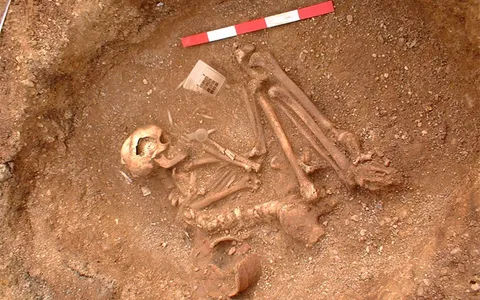
Archaeological Museum
.The museum was setup in 1976 in order to display the artifacts recovered from the excavation conducted from 1952 to 1961. The Museum has three galleries. In the…
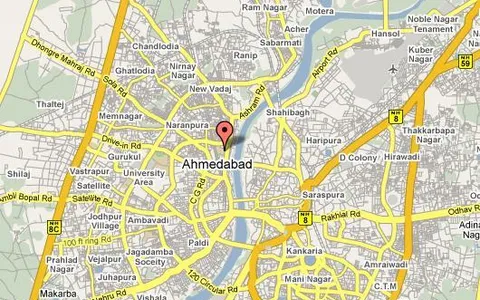
Arts And Crafts Museum
An arts and crafts museum it has a collection of arts and crafts objects of Gujarat and well known crafts of different states of India, including Indian textiles.
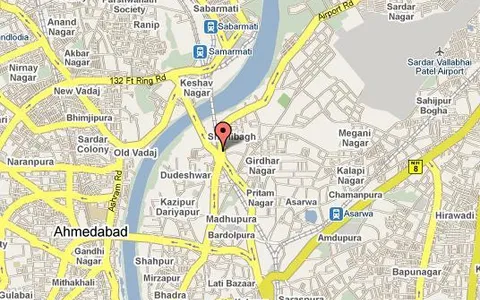
Calico Museum of Textiles
The textiles on display include court textiles used by the Mughal and provincial rulers of 15th to 19th centuries. Also on display are regional embroideries of the…