Maharaja Fateh Singh Museum
Vadodara Maharaja Fateh Singh Museum houses the remarkably huge number of works of art of the royal family. Maharaja Sir Sayajirao Gaekwad III during his several visits out of India collected works of art and stored them here. The most fascinating collection of this museum however comprises of host of paintings by European and Indian artists. In this collection paintings of Raja Ravi Varma who was specially deployed by the then Maharaja of Baroda catches the limelight. His collections…
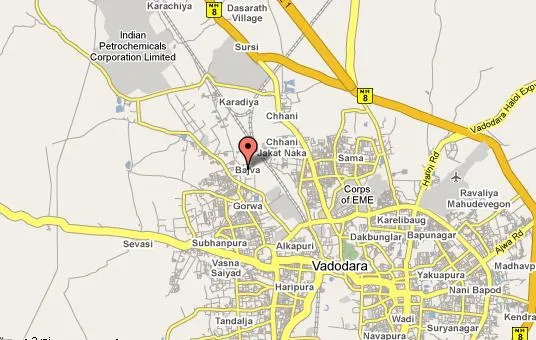
About Maharaja Fateh Singh Museum
Vadodara Maharaja Fateh Singh Museum houses the remarkably huge number of works of art of the royal family. Maharaja Sir Sayajirao Gaekwad III during his several visits out of India collected works of art and stored them here. The most fascinating collection of this museum however comprises of host of paintings by European and Indian artists. In this collection paintings of Raja Ravi Varma who was specially deployed by the then Maharaja of Baroda catches the limelight. His collections essentially comprises of the portraits of the Royal family and paintings based on Hindu mythology. Hindu mythology was the forte of Raja Ravi Varma.
This apart, at Maharaja Fateh Singh Museum in Vadodara you will also get to see the striking collection of sculptures in marble and bronze. This collection comprises of the representation of great masters in bronze specially made to order by the Maharaja and also originals by famous artists.Also known as Baroda, Vadodara is the highly populated town in Gujarat. This beautiful town comes after Ahmedabad and Surat as per population density is concerned.
It has a population of more than 1 million. It is situated on the Vishwamitri River to the southeast of Ahmedabad. It is famously touted as the Cultural Capital of Gujarat. It is a home to the gorgeous Maharaja Palace and the Maharaja Sayajirao University of Baroda. Today tourists in huge number flock to this city to relish the beauty and charm of the impressive tourist attractions in Vadodara. There are different kinds of the tourist attractions in the city of which museums in Vadodara are the hot favorite destinations. You must give visit to Maharaja Fateh Singh Museum in Vadodara.
Vadodara Maharaja Fateh Singh Museum is a right place for the art lovers. Situated in the stunning city of Vadodra, the Museum displays amazing royal collection of 19th and 20th centuries which essentially comprises of European paintings of old masters like Raphael, Titian and Murillo plus modern Western and Indian miniature paintings, Greco-Roman exhibits and Chinese and Japanese art. It also shows an interesting collection of modern Indian art. It has a rich collection of Indian and Greco-Roman artifacts.
Maharaja Fateh Singh Museum is one of the popular tourist attractions of Vadodara. It is known for its rich collection of artifacts belonging to the 19th and the 20th centuries. The artifacts of the museum comprise masterpieces by European painters such as Titan, Murillo and Raphael. Besides the European paintings, the museum also possesses many Western and Indian miniature paintings, Japanese and Chinese art and Greco-Roman exhibits. The museum was decorated by Fellicci, an Italian artist. Fellici is said to have decorated the museum, as well as the Lakshmi Vilas Palace and Sayaji Garden, by his fine works.
History of Maharaja Fateh Singh Museum
Maharaja Fateh Singh Museum, established in 1961, is situated at Vadodara, in Gujarat. Located on the Laxmi Vilas Palace grounds, the museum exhibits modern Indian paintings, European paintings 19th and 20th centuries, sculptures, Graeco Roman European and Modern,Maharaja Fateh Singh Museum in Vadodara is located within the premises of the Maharaja’s palace called the Lakshmi Vilas Palace. Previously the building of this museum was built as a school for the children of the Maharaja.
Interesting things to Visit
Laxmi Vilas Palace:
Laxmi Vilas Palace in Vadodara is one of the famous monuments in Vadodara that is high on tourist value. People visiting Vadodara make it a point to visit Laxmi Vilas Palace in Vadodara. A wonderful exemplification of the Indo-Sarcenic architectural style, the palace is a majestic structure that warrants a special visit if you wish to marvel at the detailed and exquisite work from the close quarters. Indianholiday.com is your indispensable e-travelogue that provides you with all you needed to know on Vadodara’s Laxmi Vilas Palace.
Sayaji Bagh:
Baroda Sayaji Bagh is situated on river Vishwamitri and was built by Sayajirao III in 1879. Inside the Sayaji Bagh, Vadodara is the Baroda Museum and Art Gallery. It was set up by the Gaekwads in the 1890’s and situated within the Sayaji Bagh. The displayed works are on innumerable number of subjects; geology, natural history, and archeology. The Art Gallery would give you a glimpse of the Mughal miniatures and manuscripts on palm leaves by the Buddhist and Jain preachers. Sayaji Bagh in Vadodara also has a planetarium named after the Indian freedom fighter Sardar Patel.
EME Temple:
This fascinating temple attracts a large number of tourists from the different parts of India by its splendid architecture and concept. This excellent geodesic structure is enveloped with the aluminum sheets. It is one of its kind in the whole of India and is unique in its appeal.The temple houses an idol of Lord Dakshinamurth also known as “Jagadguru.” The idol faces the south and is believed to impart his teachings to the world, facing that direction. A large number of tourists and devotees flock into this temple to pay the offering and also to catch a glimpse of this lovely piece of architecture. The first time visitors of this temple are sure to get awe-struck by the beauty and appeal of this temple.
Darbar Hall in Vadodara:
Darbarr Hall is Considered as one of the most famous museums of the country it was built in 1894. The picture gallery which offers an excellent collection of originals by famous British painters Turner and constable and many others attract tourists from every part of the country. The Egyptian mummy and skeleton of a blue whale are major attractions for those who visit the museum.Other treasure includes the famous Akota bronzes dating the 5th Century A.D., A collection of Mughal miniatures, a full fledged gallory of Tibetan Art and oils by several European masters.topicon
Khanderao Market:
This is a palatial building erected by Sayaji Rao ||| in 1906-07 at a cost of about Rs. 5 lakhs. It was presented by him as a gift to the Municipality on the occasion of the Silver Jubilee Celebrations of his administration. The Municipal Offices are located in this building. The main entrance resembles in architecture with that of the gate of Dabhoi Fort. The perforated stone perapers are after style of the Agra Screens.
Kirti Mandir:
Kirti Mandir is situated on the north of the statue of Prince Fatehsinhrao Gaekwad near the Vishwamitri Bridge. With a cluster of shiva temples it was built to commemorate the cremation of the members of the Gaekwad family. This “E” shaped large magnificent stone building with domes, terraces, balconies and central sikhara rising to about 33 metres. According to Sayajirao Gaekwad it was built to commemurate the benefectors of his state irrespective of their race, caste or creed. Built by Maharaja Sayajirao at the cost of Rs.50,000, it preserves in its various rooms the statues and photogaphs of the members of the royal family. The interior of this elegant structure is marble finished and on the walls of the central hall are the murals Gangavataran, battle of Mahabharat, Life of Meera and Natir Pooja-executed by the famous Bengali artist Nandalal Bose. It can be visited by everybody between 9 & 12 in the morning and 2.30 & 5.30 in the evening.
**
Champaner:**
It is situated 47 kms from Vadodara. The town of Champaner was subjugated by Sultan Mehmud Begara in 1484 and made it his new capital. Champaner lies at the foot of Pavagarh fort. The ruins of its mosques and palaces reflected in the lake are some of the most picturesque sights in India. Citadel of Mahmud Beghada is a perfect rectangle about three-quarters of a mile long and 280 yards broad, the citadel is enclosed by a wall of massive blocks of freestone, known as Mahmud Beghada’s Wall. It is strengthened by bastions at regular intervals and beautified by small carved balconies in the best Islamic style. Jama Masjid, on account of its massive grandeur and perfect finish, the Jama Masjid is one of the grandest Islamic monuments in Western India. Nagina Masjid is also called the Jewel Mosque as it is built of pure white stone.
Lehripura Gate:
Built as the western gateway to the old city in 1558, Lehripura Gate is an impressive structure with beautiful arches.
Makarpura Palace:
A beautiful palace designed in the Italianate style, the Makarpura is now used as a training school of the Indian Air Force.
Mahatma Gandhi Nagar:
This is the city’s town hall and was constructed in 1954. It is used for various cultural functions.
Maharaja Fatehsinh Museum:
The museum has the royal collection of art treasures and works of old masters like Raphael, Titian and Murillo as well as modern western and Indian paintings, Graeco-Roman exhibits, Chinese and Japanese art, and a large collection of contemporary Indian art.
Maharaja Sayajirao University:
The erstwhile ruler of Baroda, Maharaja Sayajirao Gaekwad built Maharaja Sayajirao Gaekwad University, also known as MSU, over a hundred years ago. The University is one of the bigger universities in Western India and the only one in Vadodara. The notable faculties here are the Faculty of Fine Arts and the Faculty of Performing Arts
Mandvi Gate:
This imposing structure was built during the Mughal period and was restored in 1736 A.D. by the Governor, Malharoa Maloji under the orders of Damaji Roa II (1732-1768 A.D.).
Maqbara (Hajira):
Constructed in the memory of Kutub-ud-din the general of Akbar’s army, it is the only existing Mughal monument of the city. There is also a step well in its vicinity.
Nazarbaug Palace:
Built in old classical style, the palace was used on ceremonial occasions by the Gaekwads. The royal family heirlooms are on display.
Nyaymandir:
The Nyaya Mandir, temple of justice, is a unique piece of Byzantine architecture. It houses the District Court of Baroda.
Pratap Vilas Palace at Lalbaug:
Built as the residence of the royal family, the Pratap Vilas is an extravagant and flamboyant building in the Indo-Sarcenic style. The palace houses a remarkable collection of old armory and sculptures in bronze, marble and terracotta. The palace is a riot of columns and arches drawn from South Indian, Central Indian, North Indian and Islamic traditions. Its porticoed entrance has excquisite carvings and is embellished by stuffed tigers. The Darbar Hall however is the piece-de-resistance with mosaic floors, seven domes, 12 chandeliers, intricately sculpted cedar balconies and a silver throne. It is spread over an area of 720 acres with gardens and a golf course. One can visit Shastragar to see the Royal armory.
Sayajibaug:
Sayaji Baug (the famous park) is situated on river Vishwamitri and was built by Sayajirao III in 1879. Sprawling over 113 acres, it also includes an excellent zoo, the Baroda Museum and Picture Gallery, the Museum of Health and Hygiene and the Sardar Patel Planetarium.A major attraction for children is the 3.5 kms joy ride through the park on the toy train.
Sayaji Sarovar:
he Sayaji Sarovar or Ajwa lake, 22 kms away from the city is the principal source of water. It is formed by damming the Surya river and Vaghali Nala. Work on the scheme was started in 1885 and was completed in 1890. The gardens at Ajwa are patterned after the famous Brindavan Gardens of Mysore. The illumination of fountains is a major attraction for tourists.
Darbar Hall:
The Darbar Hall in Laxmi Vilas Palace, was the court room of the Gaekwads, where musical programs were performed by musicians to entertain the royal family. The hall has Italian mosaic floor and walls are adorned with mosaic decorations. The beautiful jharokhas, the magnificent chandeliers and the intricate work on the glass windows enhance the beauty of the hall. There is also a picture gallery that exhibits the excellent collection of original works of distinguished British painters like Turner and Constable. Even today classical music concerts are held here. Outside the Darbar Hall, there is an Italian style courtyard of water fountains.
Nearest Visiting places from Maharaja Fateh Singh Museum
Pavagadh:
Pavagadh is a narrow, tall mountain in the Panchmahal district about 46 kilometres (29 mi) away from Vadodara, Gujarat, India. It is home to a famous Mahakali temple which draws thousands of pilgrims everyday. Pavagadh is the gateway to Panchmahal. It is a tribal area populated predominantly by the Bhils. The locations of hilly areas around Halol provide good scenery. A film studio at Halol has this added advantage.
Sursagar Lake:
Earlier the Sursagar Lake was known as Chandan Talao. The lake was rebuilt with stone banks and masonry in 18th century. It has a marvelous view particularly on moonlit nights, and is now used for boating.
Naulakhi Well:
It is a fine example of a step well . Step wells were built magnificently though the main purpose was to provide water to travelers. This step well has the EME temple which is unique in having an aluminum roof. The design is such that it can store water for the entire city. The construction is so well planned that water was available even during droughts.
Akshardham:
A tribute to Lord Swaminarayan, Arkshardham is built in pink sandstone. This intricately carved monument holds a 7 foot gold-plated idol of Lord Swaminarayan. Tourists can take in all three exhibitions on Indian culture with the light and sound show, multimedia show, and an animation show.
Ambaji:
Considered the seat of Ambe Mata(mother goddess), who is celebrated during Navrati. Ambaji is situated on the Arasen Hill in the Aravale Range and is made of marble. It does not contain any idol, only a yantra engraved in a niche. Nearby is the Gabbar Hill, where it is said the goddess revealed herself, leaving behind her footprints.
Dakor:
The Krishna idol of Dakor is believed to have originated from Dwarka. Legend tells how Krishna, moved by the journey of a devotee from Dakor to Dwarka, walked the devotee back to Dakor and remained there.
Dwarkadhish Temple:
The Dwarkhadish Temple honors Krishna Bhagwan. The five-storey high building stands on 60 pillars and is filled with rich carvings. The pilgrims enter through the Swarg Dwar(Gateway to Heaven) and exit through the Moksh Dwar(Gateway of Salvation).
Mt Girna:
This sacred hill is the Pinnacle of Faith. Pilgrims must climb 4000 steps to reach the top. There are five important Jain temples and several Hindu shrines along the way.
Palitana:
Known as the Gallery of Temples, this picturesque place of pilgrimage sits atop the Shatrunjay Hill and holds 900 temples graced with beautiful sculptures. Of all Jain temples, those located at Palitana, are the most sacred. Idols of Tirthankars are exquisitely carved with jeweled eyes. The most famous of these temples are the Adinath, Kumarpal, Vimalshah, Samprati Raja, and Chomukh.
Somnath Temple:
“The Shrine Eternal”. Constantly washed by the Arabian Sea, this temple was destroyed and rebuilt seven times. The present and seventh temple, was constructed in the solank style. The temple commemorates Lord Somnath. According to legend, Soma(the moon god) built the temple in gold, Ravan in silver, Krishna in wood, and King Bhimdev in stone.
Modhera:
“The Sun Temple”. Despite its somewhat dilapidated look, the beauty of this temple’s artistry and architecture is apparent. The canvas on the wall and pillars depict the legends of Gods and Goddesses in ancient times.Located here are an amusement park, a museum, a cafeteria, picture gallery, and library for tourists and visitors.
Janmastami:
This celebration is held in Dwarka, the city of gold and the abode of Krishna. Janmastami is the birth of Shri Krishna. Lights are lit everywhere, devotional songs are sung, and sermons are delivered. All worshipping Krishna in his infant form.
Gir National Park:
Laid out across 1412 sq kms is Gir National Park. Gir is a wildlife sanctuary that, besides Africa, is the only natural habitat of the lion. The best way to view Gir’s animals is on a jeep safari. Guides and vehicles are available for hire. Amongst the hot water springs in the heart of Gir is the Tulsishyam Temple, which is dedicated to Bhim and his mother Kunti.Animals living here include the Langur Monkey, the Sambar and Chital(spotted) Deer, the Nilgai(blue bull), Chowisinha(four-horned antelope), and the Chinkara Gazelle.Also one of the finest bird sanctuaries in India, Gir is home to such birds as the Paradise Flycatcher, Bonneli’s Eagle, Crested Serpent Eagle, Crested Hawk Eagle, Brown Fish Owl, Pygmy Woodpecker, and Jungle Quail.
Science City:
Gujarat’s Science City offers an exciting combination of education and entertainment. Some current attractions are the Hall of Science, the Thrill Rider Simulator, the Dancing Musical fountain, the Energy Education Park, Amphitheatre and an IMAX.
Palitana:
Palitana houses perhaps the largest cluster of Jain temples anywhere. From the base to the peak of the Shatrunjaya Hill, where the Palitana temples are located, there are in all 863 temples. These temples were built in two phases-the 11th and 12th centuries as a part of the resurgence of temple building all over India, and in the 16th century. Some of the earliest temples built in the 11th century were destroyed by Muslim invaders in the 14th and 15th centuries. The current temples date back to 16th century onwards. Not any one person or group was responsible for the construction of these magnificent temples. It was the effort of the wealthy businessmen who were followers of Jainism that these buildings came into existence.
Narmada river:
The Narmada river originates from the Maikal ranges at Amarkantak, 1057 m above the sea-level, now in Shahdol district of Madhya Pradesh. In its 1312 km long journey before joining the Arabian Sea, the Narmada flows through the three states of Madhya Pradesh (MP), Maharashtra and Gujarat. Nearly 90% of the flow is in MP, and most of the remaining is in Gujarat. It flows for a very brief stretch through Maharashtra.
Hotels/Lodge/Accommodation nearby Maharaja Fateh Singh Museum
**Hotel Yuvraj:**Near Central Stbus Depot,Sayajigunj,Vadodara,Gujarat,India,PH:0265 2794439
Help Line/Phone Number
Copyright 2016 HolidayLandmark All rights reserved
Location info
-
**Address:**Maharaja Fateh Singh Museum,Vadodra,Gujrat,India
-
District: Vadodra
-
**Nearest City:**Vadodra
-
Language: Gujarati, Hindi.
-
Best time to visit: October to March
Climate & weather
Summer : Max 46 °C, Min 24 °C ,Winter : Max 31 °C, Min 9 °C
How to reach Maharaja Fateh Singh Museum
-
**Nearest Railway Station:**Vadodara railway
-
**Nearest Airport:**Vadodara,airport
**Road Transport:**State transport buses and private luxury coaches connect Vadodara to various towns and cities of Gujarat, Maharashtra, Madhya Pradesh, Delhi and Rajasthan.
Nearest petrol pump
- **Harish Petrol Pump:**O/S Panigate,Ajwa Main Road, Vadodara,Gujrat,India,Ph:0265 2519911
Best time to visit Maharaja Fateh Singh Museum
October to March with pleasant temperatures.
Timings & opening hours
10:00 AM to 5:00 PM daily. May be closed on public holidays.
Entry fee & tickets
INR 10 to 20 for Indians.
Duration needed
1 to 2 hours.
Safety tips
Standard museum visit precautions. Follow museum rules regarding photography.
Things to carry
Camera (check photography policy). ID proof.
Nearest airport, railway & bus
Nearest airport and railway station in the nearest city.
Mobile network coverage
Airtel, Jio, and Vi all provide good coverage across Gujarat’s major cities and tourist areas. 4G is generally reliable in Ahmedabad, Vadodara, Surat, and along major highways. Coverage may be weaker in remote areas of Kutch and interior Saurashtra. Most hotels and cafes in tourist areas offer free Wi-Fi.
Food & restaurants nearby
Food options near the museum may be limited. The nearest town typically has restaurants and cafes. Carrying water is recommended — most museums do not allow food inside.
Things to do at Maharaja Fateh Singh Museum
Explore the museum exhibits and learn about the collections.
Frequently asked questions
What is Maharaja Fateh Singh Museum? A museum in Gujarat.
What are the timings? 10:00 AM to 5:00 PM.
Is photography allowed? Check at the entrance.
Accessibility
Museum accessibility varies. Major museums in cities have level access or ramps at the entrance. Smaller, privately-run museums in older buildings may have steps and narrow doorways. Contact the museum in advance for specific accessibility information.
Rules & restrictions
Photography rules vary — some museums prohibit all photography, others allow photography without flash. Check signage at the entrance. Do not touch exhibits. Food and drinks are not permitted inside most museums. Large bags may need to be checked. Follow the designated visitor route and respect gallery closures.
Best photography spots
Check the museum’s photography policy before shooting — some prohibit all photography. For permitted photography, use available light — flash is rarely allowed. Focus on details: artefact textures, gallery compositions, and architectural features of the museum building itself.
Quick facts
- Type: museums
- Location: Gujarat, India
- Ideal for: History enthusiasts, cultural travelers, and photographers
- Best time to visit: October to March (pleasant winter season)
- Photography: Allowed at most areas; some sites may have restrictions inside sanctums
Plan your visit to Maharaja Fateh Singh Museum with these essential quick facts for a smooth and enjoyable trip to Gujarat.
Visitor information
Planning your visit to Maharaja Fateh Singh Museum
- Language: Gujarati is the local language; Hindi and English are widely understood at tourist sites.
- Getting around: Auto-rickshaws, taxis, and state transport buses are readily available. Hiring a private vehicle is recommended for comfort.
- What to wear: Light cotton clothing in summer; light woolens in winter. Comfortable walking shoes are essential. Modest dress is advised at religious sites.
- Photography: Check for photography restrictions before entering. Some temples and museums may charge a separate camera fee.
- Best time to visit: October to March when the weather is pleasant for sightseeing.
- Local cuisine: Don’t miss Gujarati thali — a wholesome meal with dal, rice, vegetables, roti, and sweets like dhokla, khandvi, and mohanthal.
Nearby facilities
- ATMs: Available in nearby towns and at major tourist sites.
- Medical facilities: Primary health centers and hospitals can be found in district headquarters.
- Restrooms: Public restrooms are available at major tourist spots; carry hand sanitizer and tissues.
Make your visit to Maharaja Fateh Singh Museum comfortable and hassle-free with these practical visitor tips for Gujarat.
Map & location view
Maharaja Fateh Singh Museum is located in the vibrant state of Gujarat, India. The destination is accessible by road and is well-connected to major cities and towns in the region, making it a convenient addition to any Gujarat travel itinerary.
How to reach
- By Air: The nearest airport is connected to major Indian cities including Mumbai, Delhi, Ahmedabad, and Vadodara with regular domestic flights.
- By Rail: The nearest railway station is connected to the Indian railway network with regular trains from major cities across India.
- By Road: State transport buses, private taxis, and self-drive options are available from nearby cities. Gujarat has a well-maintained network of state highways and national highways.
Use GPS navigation or local maps to find the exact location of this destination in Gujarat. The Gujarat Tourism website provides additional travel resources for visitors.
Photo gallery
Visual highlights of Maharaja Fateh Singh Museum
Visitors to Maharaja Fateh Singh Museum will find plenty of photogenic spots worth capturing. From architectural details to natural landscapes, the destination offers diverse subjects for photography enthusiasts.
What to photograph:
- Architecture: Intricate carvings, structural details, and traditional Gujarati craftsmanship
- Landscapes: Surrounding natural beauty, gardens, and panoramic views of the Gujarat landscape
- Local life: Candid moments of visitors, vendors, and daily activities around the site
- Details: Close-up shots of carvings, paintings, decorative elements, and textures
Photography tips:
- Early morning (6:00 AM – 8:00 AM) and late afternoon (4:00 PM – 6:00 PM) offer the best natural light for photography in Gujarat’s climate
- Check if photography is allowed inside buildings before taking photos
- A wide-angle lens is ideal for capturing architectural grandeur at Gujarat’s heritage sites
- Mobile phone photography works well in well-lit outdoor areas
Browse through our collection of photographs showcasing the beauty and heritage of Maharaja Fateh Singh Museum. New images are added regularly as part of our ongoing content enrichment for this Gujarat destination.
Photo gallery of Maharaja Fateh Singh Museum
Video gallery
Related destinations
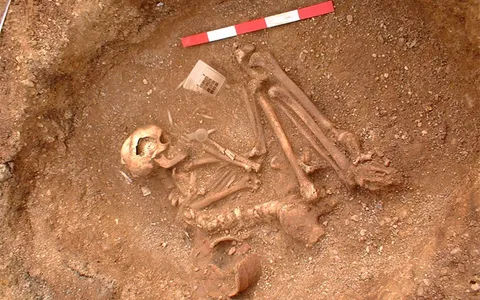
Archaeological Museum
.The museum was setup in 1976 in order to display the artifacts recovered from the excavation conducted from 1952 to 1961. The Museum has three galleries. In the…
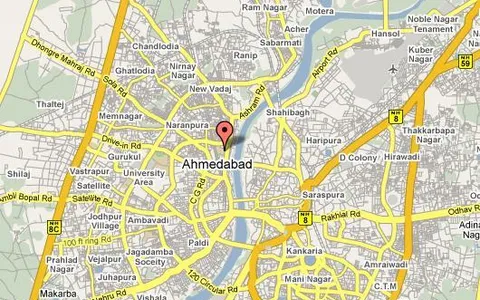
Arts And Crafts Museum
An arts and crafts museum it has a collection of arts and crafts objects of Gujarat and well known crafts of different states of India, including Indian textiles.
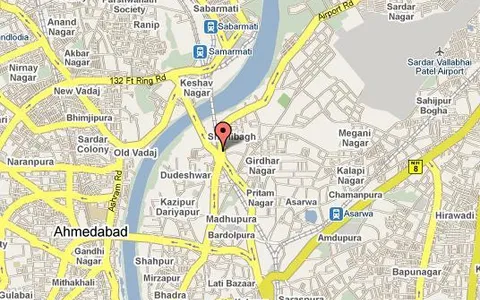
Calico Museum of Textiles
The textiles on display include court textiles used by the Mughal and provincial rulers of 15th to 19th centuries. Also on display are regional embroideries of the…