Lalbhai Dalpatbhai Museum
The museum has a huge collection of miniature paintings, cloth paintings, stone sculptures, terracotta, bronzes, textiles, wood work, metal sculptures, coins and various paintings of Tagore and artwork of Nepal and Tibet. The museum has also a big library, which contains about 45000 books and 75, 000 manuscripts. The books are based on Jainism and Buddhism, tantra, grammar, and Indian philosophy. The books are written in different languages like Sanskrit, Pali, Prakrit, Old Gujarati,…
About Lalbhai Dalpatbhai Museum
The museum has a huge collection of miniature paintings, cloth paintings, stone sculptures, terracotta, bronzes, textiles, wood work, metal sculptures, coins and various paintings of Tagore and artwork of Nepal and Tibet. The museum has also a big library, which contains about 45000 books and 75, 000 manuscripts. The books are based on Jainism and Buddhism, tantra, grammar, and Indian philosophy. The books are written in different languages like Sanskrit, Pali, Prakrit, Old Gujarati, Apabhramsa, Hindi, and Rajasthan etc.
Come January and the city of Ahmedabad is in a hue of spectacular colours cutting across the blue skies as the International kite festival brings the most fantastic shades and designs. The kite festival is a cause for celebration across Gujrat. Friends, family and neighbourhood acquaintances are all out on the streets trying to outdo the other with some strategic moves to win and stay flying. And if the splendor of the day gets you all excited you should witness the beauty of the lit box kites in the nights.
Lalbhai Dalpatbhai Museum, Ahmedabad is one of the most beautiful museums in Ahmedabad. From printed books to manuscripts based on different religions, the Lalbhai Dalpatbhai Museum, Ahmedabad is simply a treasure trove for bibliophiles. Indianholiday.com offers online information on Lalbhai Dalpatbhai Museum, Ahmedabad and other tourist attractions of Gujarat and other parts of India.
One of the famous tourist attractions in Ahmedabad is Lalbhai Dalpatbhai Museum, Ahmedabad. The museum is said to have one of the largest collection of books and manuscripts related to Jainism. Established in 1984, the library consists of nearly 45,000 printed books, 75, 000 manuscripts and that includes 500 illustrated versions.
The books in Lalbhai Dalpatbhai Museum, Ahmedabad covers a wide range of subjects from Jainism to Buddhist religion, tantra, grammar, Jain darshana, Jain philosophy and poetics to Vedas, agama to the different branches of Indian philosophy. You can get a glimpse of books in different languages that include Sanskrit, Pali, Old Gujarati, Apabhramsa, Hindi, and Rajasthani. Books in Prakrit are also there in Lalbhai Dalpatbhai Museum, Ahmedabad.
The Lalbhai Dalpatbhai Museum, Ahmedabad also known as the Institute of Indology has a strong collaboration with the National Mission from 2003. The list of manuscripts, books and miniature paintings gives the tourists an idea about the art and culture of ancient India. From painted patas, sculptures to bronze and woodwork, Lalbhai Dalpatbhai Museum, Ahmedabad is an educative and informative place for the tourists.
Interesting things to Visit
Utensils Museum:
The Utensils Museum has an exceptional collection of rare brass and copper utensils, water pots, old betel nut boxes and containers used for temple rituals.
Adalaj:
Adalaj is situated about 17 kms. north of Ahmedabad. The baoli or step-well at Adalaj Vav is one of the finest step well in India. Queen Rudabai built this well in 1499 to provide the traveller with a cool and pleasant refuge from the summer heat. A long flight of steps descends to the water. It has three entrances leading to a huge platform that rests on 16 pillars, with corners marked by shrines. Ornately carved pillars and cross beams create open spaces and four storey that are quite striking. The octagonal well is five storey deep. The baoli is decorated with exquisite stone carvings, subjects range from eroticism to buttermilk.
Dada Hari Vav:
Dada Hari Vav was built in 1499 by a woman of Sultan Begara’s harem. This wav has steps to lower platforms, terminating at a small, octagonal well. The depths are cool, even on a hottest day. Neglected and often borne dry, it is a fascinating place. The best time to visit and photograph the well is between 10 to 11 AM (earlier in the summers Adalaj Vav, Ahmedabad and later in the winters), at other times the sun does not penetrate to the various levels.
Gujarat Science City:
The Gujarat Science City is an educational theme park situated on the road to Gandhinagar. The features of this science city are an IMAX theatre, the interactive Hall of Science, a 30 seater Thrill Ride Simulator, a spot lit Musical fountain and an Energy Education Park.
Nalsarovar Bird Sanctuary:
Nalsarovar Bird Sanctuary is situated about 60 kms. south west of Ahmedabad. Nalsarovar Bird Sanctuary is the famous bird sanctuary in Gujarat. The Nalsarovar lake is a seasonal lake spread over an area of 115 square km. This extensive lake is surrounded by the iron flat plains and is known for its water birds. About thousand species of birds like flamingoes and other water birds migrate in the Nalsarovar Bird Sanctuary during winter. Various variety of birds like kingfishers, egrets, darters, storks, cormorants, jacanas, moorhens, coots, grebes and ducks can be seen in this sanctuary. The best time to visit this sanctuary is in the months of December and January.
Jama Masjid:
Jama MasjidOne of masterpieces of India’s architectural wonders the Jama Masjid is one of the most beautiful mosques in the western India . Built during the period of Sultan Ahmed Shah in 1423 the mosque combines both the Hindu Muslim style of architecture in a harmonious way. This fine example of Indo-Saracenic architecture of the Ahmed Shahi style was built over a period of 13 years. Built in yellow sandstone standing on 260 pillars supporting 15 domes at varying elevations it gives a majestic look to the onlookers as well as the surrounding around.
Sidi Bashir’s Mosque:
Siddi Bashir Mosque (Shaking Minarets) ahmedabad, Siddi Bashir Jhulta MinarOne of the most popular places to visit in Ahmedabad is the mosque of Sidi Bashir. What makes the monument one of the architecture wonders is the presence of shaking minarets in its structure. What is amazing about these minarets is that if one is shaken the others vibrate in symphony too. Thus it is also called Jhulta Minar . It was first seen and experienced in the 19th century by Monier M Williams, a European Sanskrit scholar. After that it became a place, which generated wonders among many to the extent that the British had to dismantle one of its minaret to understand its secret. But after the Qutab Minar tragedy during which many were crushed in a stampede while climbing on its narrow steps, climbing up the Minaret to feel the ‘shaking’ has been barred by the authorities to avoid any such tragedies.
Kankaria Lake:
Kankaria Lake is ahmedabad, Kankaria Lake IndiaAfter a hectic day of work Kankaria lake is the perfect place to unwind oneself in Ahmedabad. It provides a cool and beautiful ambience to the people.Situated in the southeast part of the city it is an artificial lake made during the time of Sultan Qutubub-Din in 1951.It is polygonal in shape with approximately 34 sides. It has an island garden, called Nagina wadi and a palace which was frequented by Emperor Jehangir and Empress Nur Jahan in their days. The lake also attracts good birdlife.
City Museum:
The City Museum, Ahmedabad is in the Sanskar Kendra building which is one of the finest museums in Ahmedabad. Located in the heart of the city, the building was built by the well known French architect Le Corbusier. The City Museum attracts tourists from all over. Indianholiday.com offers online information on City Museum, Ahmedabad and other tourist attractions of Gujarat and other parts of India.
Dada Hari Vav:
The Dada Hari Vav, Ahmedabad is a uniquely designed octagonal shaped step well in Ahmedabad. The interiors and the underground of the Dada Hari Vav, Ahmedabad has been intricately designed. Each year tourists from all over are allured to visit this unique step well which is one of the major tourist attractions of Gujarat. One of the beautiful monuments in Ahmedabad every aspect of the Dada Hari Vav is beautifully decorated. From sculptured floral patterns to the shapely figurines everything is intricately done in order to beautify the Dada Hari Vav, Ahmedabad.
Mata Bhavani’s Well:
Mata Bhavani’s Well, Ahmedabad is one of the important tourist attractions of Ahmedabad. The Mata Bhavani’s Well, Ahmedabad is one of the longest wells that ends projecting towards and east and west. On the eastern side there is an entrance. The staircase to the Mata Bhavani’s Well, Ahmedabad descends to the east end and there is a circular shaft. In the earlier times, water in the shaft was brought up by the cows and used for irrigation.
Hathee Singh Temple:
The Hathee Singh Temple is an architectural marvel in white marble. Hathee Singh Jain temple is a double storied construction that has a dome on the front side. The other two sides of the temple consist of lavishly carved out galleries. The Hathee Singh Temple Ahmedabad is one of the most beautiful Jain temples in Ahmedabad Gujarat and follows the typical Jain temple architecture commonly to be seen in the temples of Dilwara and Ranakpur in the neighboring state of Rajasthan.
Swami Narayan Temple:
Situated at Kalupur in Ahmedabad, the Swami Narayan Temple, Ahmedabad is one of the most important temples in Gujarat and world over. Considered to be one of the famous holy places in Ahmedabad, the Swami Narayan Temple, Ahmedabad is a major attraction for pilgrims, devotees and tourists from all over. Indianholiday.com offers online information on Swami Narayan Temple, Ahmedabad and other tourist attractions of Gujarat and other parts of India.
Nearest Visiting places from Lalbhai Dalpatbhai Museum
Lakshmi Vilas Palace:
Laxmi Vilas Palace in Vadodara is one of the famous monuments in Vadodara that is high on tourist value. People visiting Vadodara make it a point to visit Laxmi Vilas Palace in Vadodara. A wonderful exemplification of the Indo-Sarcenic architectural style, the palace is a majestic structure that warrants a special visit if you wish to marvel at the detailed and exquisite work from the close quarters. Indianholiday.com is your indispensable e-travelogue that provides you with all you needed to know on Vadodara’s Laxmi Vilas Palace.
Maharaja Fateh Singh Museum:
Vadodara Maharaja Fateh Singh Museum houses the remarkably huge number of works of art of the royal family. Maharaja Sir Sayajirao Gaekwad III during his several visits out of India collected works of art and stored them here. The most fascinating collection of this museum however comprises of host of paintings by European and Indian artists. In this collection paintings of Raja Ravi Varma who was specially deployed by the then Maharaja of Baroda catches the limelight. His collections essentially comprises of the portraits of the Royal family and paintings based on Hindu mythology. Hindu mythology was the forte of Raja Ravi Varma.
Gandhi Ashram:
After his return from South Africa, Gandhiji decided to settle in Ahmedabad. It was for four reasons that he selected this place as the venue for his ashram- In his own words “being a Gujarati, I’ll serve my country best through the use of Gujarati language. As Ahmedabad was the centre of handloom in early days, the work of spinning wheel (charkha) could be done in a better way, I believed. Being the capital of Gujarat its wealthy persons will also make larger contribution, I hoped.”
Sarita Udyan:
Sarita Udyan is also a favorite picnic spot among the residents of Gandhinagar. People flock in large numbers with their friends and families and enjoy doing picnic in the Sarita Udyan in Gandhinagar. The location on the undulating land beside the river Sabarmati gives Sarita Udyan of Gandhinagar an added prominence. The Sarita Udyan at Gandhinagar in Gujarat in India is also full of recreational and entertainment facilities. This feature of the Sarita Udyan attracts people of all ages and all round the year.
Hanumanji Temple:
Hanumanji Temple in Gandhinagar is visited by thousands of devotee everyday. The idol of Lord Hanuman in the Hanumanji Temple of Gandhinagar is seen bearing a mountain on his shoulder. The idol is saffron in color. As per the Indian mythologies and tradition it is said that regular visitors to the temple gains special favor of Lord Hanuman. The temple is visited by thousands of visitors every Tuesday and Saturday. As per the Vedas, Hanuman protects human beings from the wrath of the planet Saturn. People as per the astrology if has the position of Saturn ill placed in their horoscope should specially visit the Hanumanji Temple.
Ishwariya Temple:
The location of the temple on the outskirts and on the hilly terrain makes it a favorable spot for an outing even for the locales. The Ishwariya Temple at Rajkot in Gujarat in India is visited by many people with a dual purpose, one that attracts the people to the Ishwariya Temple, Rajkot is the spiritual aspect of the temple and second is the location which makes it a favorite outing spot. People of Rajkot often visit the spot during the winter season to have a picnic with friends and families. The hilly terrain and the small pond located near by adds to the beauty and charm of the place. A small fair is also organized here annually.
Lothal:
Dockyard in Lothal is the oldest in the world, and is admired for its extended nature, scientific positioning and constructional skill. It is a wonder that people during the times of Harappan Civilization knew so much about technology.Cemeteries that have been discovered ages back to the period of Dravidians, proto Dravidians, Proto Australoids and Mediterranean etc.Potteries that previously belonged to the Harappan people have been kept inside the museums and so, is a point of great Tourist Attraction in Lothal.
Sheltered Harbor that grew rice, cotton and wheat are of primary importance to geologists and historians. Red Wares are often on display and they tell us about the intricate pottery that Harappan people were skilled at creating. Indigenous ceramic goods are also on display.
Takhteshwar Temple:
Erected over a petite mound looking out on the city, this Takhteshwar Temple has been dedicated to Lord Shiva. One can have a splendid view of the adjoining Gulf of Cambay; it is an important pilgrim spot.
Gandhi Smriti Museum:
Gandhi Smriti Museum or Gandhi Memorial with its vast collection of pictures and memorabilia related to Gandhi throws light on Indian Independence struggle as well. It is an important Tourist Attraction at Bhavnagar. Gandhi Smriti is the house where Mahatma Gandhi spent his last 144 days of his life before he was assassinated on the inauspicious day of 30 January 1948. Located on 5, Tees January Marg, the Government of India later converted it into a national memorial and dedicated it to Gandhiji. The building belonged to one the popular business houses of the country, Birla Group, from whom it was acquired by the Government of India in 1971.
Help Line/Phone Number
Copyright 2016 HolidayLandmark All rights reserved
Location info
-
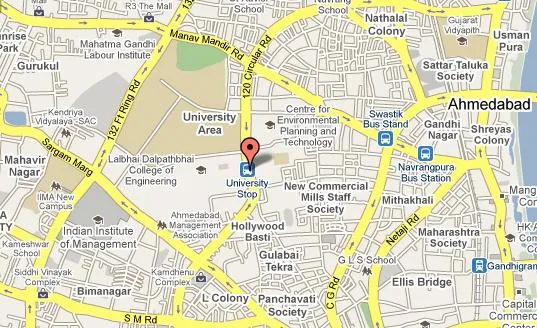
**Address:**Lalbhai Dalpatbhai Museum,Ahmedabad,Gujrat,India
-
District: Ahmedabad
-
Nearest City: Ahmedabad
-
Language: Gujarati, Hindi.
-
Best time to visit: October to March
Climate & weather
Winters are cool and pleasant (November-February) but summers (April-June) are extremely dry, hot and the temperature can be as high as 46°C at times
History of Lalbhai Dalpatbhai Museum
Established by Muni Shri Punyavijayji and Shri Kasturbhai Lalbhai the Lalbhai Dalpatbhai Museum, Ahmedabad houses a rare collection of books and manuscripts. The library was established in the year 1984 and has an excellent collection of miniature paintings, cloth paintings, stone sculptures, terracottas, bronzes, textiles, wood work, metal sculptures, coins and various paintings of Tagore and artwork of Nepal and Tibet.
How to reach Lalbhai Dalpatbhai Museum
-
**Nearest Railway Station:**Ahmedabad railway station
-
**Nearest Airport:**Ahmedabad airport
**Road Transport:**Ahmedabad has a good road network. By road it is linked with towns like Vadodra, Rajkot, Palitana and Jamnagar. National Highway No.8 and an excellent network of State Highways makes Gujarat easily accessible to other parts of the country. State transport buses and private luxury coaches connect various cities of Gujarat to rest of India.
Hotels & accommodation nearby
**Hotel Vice President:**C G Road,Narrangpura,Ahmedabad,Gujarat,Inidia,Ph:079 26575005
**The Metropole Hotel:**Subhash Bridge,Ahmedabad,Gujarat,India,Ph:079 3013 0200
Nearest petrol pump
- **Petrol Pump:**120 Circular Road Paldi,Ahmedabad,Gujarat,India
Best time to visit Lalbhai Dalpatbhai Museum
October to March with pleasant temperatures.
Timings & opening hours
10:00 AM to 5:00 PM daily. May be closed on public holidays.
Entry fee & tickets
INR 10 to 20 for Indians.
Duration needed
1 to 2 hours.
Safety tips
Standard museum visit precautions. Follow museum rules regarding photography.
Things to carry
Camera (check photography policy). ID proof.
Nearest airport, railway & bus
Nearest airport and railway station in the nearest city.
Mobile network coverage
Airtel, Jio, and Vi all provide good coverage across Gujarat’s major cities and tourist areas. 4G is generally reliable in Ahmedabad, Vadodara, Surat, and along major highways. Coverage may be weaker in remote areas of Kutch and interior Saurashtra. Most hotels and cafes in tourist areas offer free Wi-Fi.
Food & restaurants nearby
Food options near the museum may be limited. The nearest town typically has restaurants and cafes. Carrying water is recommended — most museums do not allow food inside.
Things to do at Lalbhai Dalpatbhai Museum
Explore the museum exhibits and learn about the collections.
Frequently asked questions
What is Lalbhai Dalpatbhai Museum? A museum in Gujarat.
What are the timings? 10:00 AM to 5:00 PM.
Is photography allowed? Check at the entrance.
Accessibility
Museum accessibility varies. Major museums in cities have level access or ramps at the entrance. Smaller, privately-run museums in older buildings may have steps and narrow doorways. Contact the museum in advance for specific accessibility information.
Rules & restrictions
Photography rules vary — some museums prohibit all photography, others allow photography without flash. Check signage at the entrance. Do not touch exhibits. Food and drinks are not permitted inside most museums. Large bags may need to be checked. Follow the designated visitor route and respect gallery closures.
Best photography spots
Check the museum’s photography policy before shooting — some prohibit all photography. For permitted photography, use available light — flash is rarely allowed. Focus on details: artefact textures, gallery compositions, and architectural features of the museum building itself.
Quick facts
- Type: museums
- Location: Gujarat, India
- Ideal for: History enthusiasts, cultural travelers, and photographers
- Best time to visit: October to March (pleasant winter season)
- Photography: Allowed at most areas; some sites may have restrictions inside sanctums
Plan your visit to Lalbhai Dalpatbhai Museum with these essential quick facts for a smooth and enjoyable trip to Gujarat.
Visitor information
Planning your visit to Lalbhai Dalpatbhai Museum
- Language: Gujarati is the local language; Hindi and English are widely understood at tourist sites.
- Getting around: Auto-rickshaws, taxis, and state transport buses are readily available. Hiring a private vehicle is recommended for comfort.
- What to wear: Light cotton clothing in summer; light woolens in winter. Comfortable walking shoes are essential. Modest dress is advised at religious sites.
- Photography: Check for photography restrictions before entering. Some temples and museums may charge a separate camera fee.
- Best time to visit: October to March when the weather is pleasant for sightseeing.
- Local cuisine: Don’t miss Gujarati thali — a wholesome meal with dal, rice, vegetables, roti, and sweets like dhokla, khandvi, and mohanthal.
Nearby facilities
- ATMs: Available in nearby towns and at major tourist sites.
- Medical facilities: Primary health centers and hospitals can be found in district headquarters.
- Restrooms: Public restrooms are available at major tourist spots; carry hand sanitizer and tissues.
Make your visit to Lalbhai Dalpatbhai Museum comfortable and hassle-free with these practical visitor tips for Gujarat.
Map & location view
Lalbhai Dalpatbhai Museum is located in the vibrant state of Gujarat, India. The destination is accessible by road and is well-connected to major cities and towns in the region, making it a convenient addition to any Gujarat travel itinerary.
How to reach
- By Air: The nearest airport is connected to major Indian cities including Mumbai, Delhi, Ahmedabad, and Vadodara with regular domestic flights.
- By Rail: The nearest railway station is connected to the Indian railway network with regular trains from major cities across India.
- By Road: State transport buses, private taxis, and self-drive options are available from nearby cities. Gujarat has a well-maintained network of state highways and national highways.
Use GPS navigation or local maps to find the exact location of this destination in Gujarat. The Gujarat Tourism website provides additional travel resources for visitors.
Photo gallery
Visual highlights of Lalbhai Dalpatbhai Museum
Visitors to Lalbhai Dalpatbhai Museum will find plenty of photogenic spots worth capturing. From architectural details to natural landscapes, the destination offers diverse subjects for photography enthusiasts.
What to photograph:
- Architecture: Intricate carvings, structural details, and traditional Gujarati craftsmanship
- Landscapes: Surrounding natural beauty, gardens, and panoramic views of the Gujarat landscape
- Local life: Candid moments of visitors, vendors, and daily activities around the site
- Details: Close-up shots of carvings, paintings, decorative elements, and textures
Photography tips:
- Early morning (6:00 AM – 8:00 AM) and late afternoon (4:00 PM – 6:00 PM) offer the best natural light for photography in Gujarat’s climate
- Check if photography is allowed inside buildings before taking photos
- A wide-angle lens is ideal for capturing architectural grandeur at Gujarat’s heritage sites
- Mobile phone photography works well in well-lit outdoor areas
Browse through our collection of photographs showcasing the beauty and heritage of Lalbhai Dalpatbhai Museum. New images are added regularly as part of our ongoing content enrichment for this Gujarat destination.
Photo gallery of Lalbhai Dalpatbhai Museum
Video gallery
Related destinations
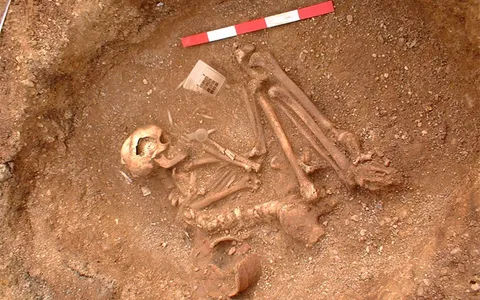
Archaeological Museum
.The museum was setup in 1976 in order to display the artifacts recovered from the excavation conducted from 1952 to 1961. The Museum has three galleries. In the…
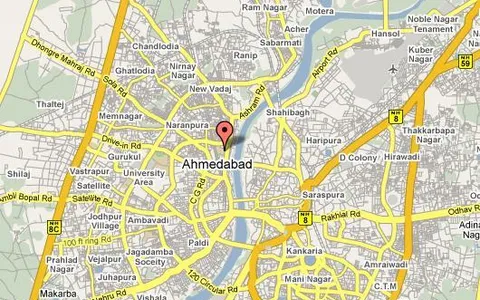
Arts And Crafts Museum
An arts and crafts museum it has a collection of arts and crafts objects of Gujarat and well known crafts of different states of India, including Indian textiles.
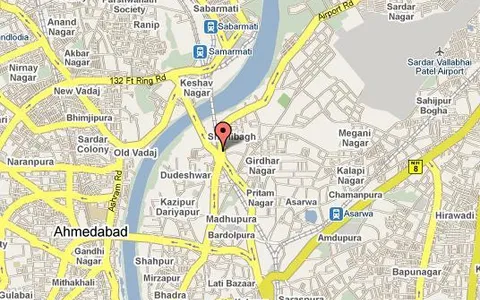
Calico Museum of Textiles
The textiles on display include court textiles used by the Mughal and provincial rulers of 15th to 19th centuries. Also on display are regional embroideries of the…