Diu Museum
Diu Museum displays a wide range of artifacts including stone idols, wooden carvings, antic statues and inscriptions. This Museum of Diu Island also unfolds the Portuguese era in this region.Diu Museum features a wide range of artifacts pertaining to the past history of this island of western India. One of the most visited Diu Island attractions, the museum unveils the historic era, when the territory was rule by the Portuguese.
About Diu Museum
According to the history of Diu, the site had once been an old cathedral known as St Thomas Church, which was transformed into a museum in the subsequent years. This museum of Diu Island exhibits numerous antic statues, beautiful wooden carvings, inscriptions, marvelous idols and shadow clocks. One can also come across a wide range of excavated articles in this museum of western India.part from the lovely beaches of Diu, tourists can also visit the Museums in Diu. These museums play host to a lot of interesting things, facts and evidences that correlate the past episodes with the present day. Amongst the museums in Diu, a notable name is that of Diu Museum, Diu. Diu Museum in Diu takes us back into the historic era when it was under the rule of the Portuguese.
The Diu Museum has a very interesting story to tell regarding itself. The setting up of the Museum was in limbo view lack of availability of any dedicated space for the museum. The buildings in Diu were not considered fit enough to house these masterpieces (mostly antique and Stone inscriptions) it was decided to convert the old St. Thomas Church into a museum.
Interesting things to Visit
Portuguese Fort:
Portuguese Fort in Diu was constructed on the ruins of another fortress, built by the Arab Governor Malekhyaaz around 1400 AD, which in turn was built over a still earlier fort dating back to 700 AD. At the end of the Fort Road is the Portuguese Fort PraSa-de-Diu (29 m) built in 1535-41, standing like a guard on the east. In ravages of time, the Diu Portuguese Fort is now in ruins. A few cannon balls are scattered here and there. Above all, the last blow came when the Indian Army mounted Operation Vijoy in 1961.
Diu Fortim-do-Mar:
The island of Diu, an erstwhile Portuguese colony, is situated off the Saurashtra coast of Gujarat bordering Junagadh district. The other equally beautiful beaches are Ahmedpur, Mandvi,Chakratirath, Jallandhar, and Gomtimata all having their own charm and thrill.The word ‘Diu’ is derived from the Sanskrit word ‘Dweep’. During the period from the 14th to 16th century Diu was one of the best Sea Ports and a Naval base.Diu Fortim-do-Mar is one of the very magnificent and unique sites to visit in Diu. This famous monument has an excellent stone structure. Standing right at the opening of the creek, this monument boasts of a fabulous lighthouse and small chapel consecrated to Our Lady of the Sea. It is almost a nautical mile away from the Diu jetty and is accessible by a canoe or a motor launch.
St Paul’s Church:
Diu St Paul’s Church is considered to be the only church in operation in Diu till date. This 400 year old church shares close similarity with the Bom Jesus Church at Goa. Boasting a Gothic architectural style, this church is the biggest Portuguese Catholic church on the island. Its intriguing volutes and shell like motifs are the sight to behold. This apart, you will also be mesmerized by seeing the lavish wood carving. In fact glancing through this exquisite work you will realize why this is touted to be the most elaborate of all the Portuguese churches in India.
Church of St Francis of Assisi:
There are many tourist attractions in Diu. All the tourist attractions own some unique feature and differ from each other on the virtue of their appearance. The common factor that dominates them all is the refined architectural patterns. It is owing to this reason that numerous travelers visit this part of India to bask in Portuguese colonial charm as expressed through certain motifs in the structure or the style in which they are molded. Definitely the best example to relish the Portuguese glory is monuments. But there are some very famous holy places in Diu that too account for these. One of these is Church of St Francis of Assisi in Diu.
St Thomas Church:
St Thomas Church is now transformed into a museum. It houses various items that consist of wonderful kitsch Catholic wood carving. A majority of these are generally taken from the abandoned churches, located around the island. One of the most striking of these is a life-size carving of Christ in the Sepulchre. A lot of people including the tourists come to this place and make donations also. The peaceful and amiable ambience of this church completely overwhelms the tourists and offers them an unmatched blissful experience.
Jallandhar Beach:
The Jallandhar Beach in Diu is exceptionally beautiful and quiet. Lazing around the beach or playing with the cool waters is one of the favorite things to do during your tour to Diu. In this beach, various water sports facilities are available. It is completely safe for swimming. Several trees whisper and sway in the intoxicating sea breeze all day long giving you all the reason to smile during your laidback holiday. The virginity of the beach and serenity of the environs give the visitor peace and pleasure beyond expression.
Chakratirth Beach:
Chakratirth Beach, Diu enjoys a central location and lies adjacent to the town. Chakratirth Beach in Diu is a favorite beach getaway for both the domestic and the international tourist. The beach provides the opportunity to break away from the shackles of monotony and soak of up the fun. If you are the lover of sea, sand and surf, you can’t ignore Chakratirth Beach, Diu. The sunbathers would love to lie straight on their back and forgetting the cares and worries associated with the fretful world. You would not be in the mind to trade the world in exchange for your moment of blissful solitude.
Goptimata Beach:
Diu Goptimata Beach is the right place for a quiet holiday. The broad and even beach line complemented by the undisturbed solitude and tranquility makes Goptimata a paradise for the sea-lovers. The shore is most suited for swimming as it is danger free. The department of Tourism has also provided sun-shades, picnic platforms and benches near the beach in order to develop the area.A palm-fringed, largely deserted and secluded beach, Goptimata Beach, Diu is undoubtedly one of the most beautiful beaches in India. Just twenty minutes refreshing drive from Diu will bring you to Goptimata Beach which with a stretch of about 2 kms from one end to another is exceptionally beautiful. A swim in the water of this unharmed virgin beach is most refreshing one.
Nagoa Beach:
Nagoa is a tiny seaside village and this area is a well-liked beach area for those on beach holidays and beach tours to West India. Nagoa Beach, Diu boasts of a pastoral charm of an old fishing village.Nagoa beach in Diu is the best, a gorgeous, white sanded, crescent shaped beach, enclosing a cove of quiet blue water, ideal for a swim, wading in the shallows, sun bathing by the sea, water sports and exciting camel or pony riding.
Bazaars in Diu:
Diu Bazaars are a cool place to indulge in a shopping spree. Diu is particularly noted for customs shops selling seized foreign goods in attractive prices. The town area of Diu sells out various attractive leather slippers and bamboo mats and baskets. You can find Electronic goods, Gift articles, and attractive household appliances at the town square of Diu which is a famous Diu bazaar. Maharaja Super Market, Princess Park at Devka Beach is renowned shopping areas, which offer good shopping in Diu.Regular beach items like goods made of seashell, oysters etc are also available at the beach areas which serve to be the excellent bazaars in Diu.
Zampa Gateway:
The history of the Zampa Gateway in Diu takes us into the medieval period. This gateway has immense historical significance and holds an important place among the major sites of tourist attraction. One will also come across a chapel which has the inscription that dates back to the year 1702. The Zampa Gateway in Diu takes us back into the yesteryears.
Nearest Visiting places from Diu Museum
Udvada:
Udvada, near Surat is celebrated for being a very sacred place among the Parsis and is a small sleepy village which is located in the southern coast of Gujarat. It is as important to the Parsis as is Haridwar for the Hindus, Mecca for the Muslims and Vatican City for the Christians. A large number of Parsis flock here every year, both from within the country and from abroad. It was here that the victorious fire or Atash Behram was brought from Persia by the Parsis in the 18th century. This fire is placed in a temple which is strictly meant for the Parsis. As a result, the non-Parsis are not allowed to enter here. This place can be visited from outside. Peace and bliss pervades here that simply enthralls the visitors who come from far and wide.
Sanjan:
Sanjan was one of the primary Parsi settlements in India. A number of excavations carried out in Surat’s Sanjan have thrown a new light on the momentous episode of the flight of the Zoroastrians from Iran, about 1,400 years ago. According to the popular belief Surat’s Sanjan was founded by the Zoroastrians who took shelter here after they were compelled to flee Iran. The progeny of those Zoroastrians are, at present, known as the Parsis.
Saputara:
This hill station is situated in Dang district at the southeast corner of the state. It has an altitude of 1000m. This place has the Sarpagana river flowing nearby which has a sacred snake image on its banks. Saputara -literally, the Abode of Serpents-is Gujarat’s best-known hill resort, situated atop the second highest plateau in the Sahyadri range and in the midst of thick forests. Saputara is picture postcard perfect with lakes, streams, woodlands and hills.
Navsari:
A large number of tourists from the different places of the country come to have a look at Navsari close to Surat. Several people from the Parsi origin also come here to see this site as this was the first dwelling place of the Parsis who migrated to Gujarat. The excellence of the Parsi architecture can be well understood from the various edifices of this place that are built in the authentic Parsi style. The Parsi Vad is one such structure that has become a heritage site and attracts a lot of tourists. Being one of the important tourist attractions in Surat, Navsari is also popular for its various types of Zoroastrian arts, crafts, food items and many other such items.
Palitana:
Palitana houses perhaps the largest cluster of Jain temples anywhere. From the base to the peak of the Shatrunjaya Hill, where the Palitana temples are located, there are in all 863 temples. These temples were built in two phases-the 11th and 12th centuries as a part of the resurgence of temple building all over India, and in the 16th century. Some of the earliest temples built in the 11th century were destroyed by Muslim invaders in the 14th and 15th centuries. The current temples date back to 16th century onwards. Not any one person or group was responsible for the construction of these magnificent temples. It was the effort of the wealthy businessmen who were followers of Jainism that these buildings came into existence.
Narmada river:
The Narmada river originates from the Maikal ranges at Amarkantak, 1057 m above the sea-level, now in Shahdol district of Madhya Pradesh. In its 1312 km long journey before joining the Arabian Sea, the Narmada flows through the three states of Madhya Pradesh (MP), Maharashtra and Gujarat. Nearly 90% of the flow is in MP, and most of the remaining is in Gujarat. It flows for a very brief stretch through Maharashtra.
Chorwad Beach:
Chorwad , a small fishing village is a great place to enjoy. Chorwad is famous for rocky shores and boat riding. It is also a base to visit places like Porbandar, Somnath etc. A resort is there which was previously a palace built by Nawab Saheb Mohabbat Khan as a vacation spot on hot summer days where he held weddings of his dogs, royal banquets and processions amidst cool breezes from the sea. Porbandar the historic princely state on the shores of the Arabian Sea is famous for being the birthplace of the Father of The Nation, Mahatma Gandhi. His old residence Kirti mandir is now a memorial museum having a series of memorabalia and library. The Daria Mahal Palace facing the sea, is a delightful work of architecture.
Somnath temple:
The temple of Somnath, one of the 12 Jyotirlingas of Lord Shiva is situated 79 Kms. from Junagadh and 25 Kms. from Chorwad. According to the legend, Somnath is as old as creation, built by none other than the Moon God himself. The remains of the temple of Somanath “withstood the shocks of time and survived the attacks of destroyers. The temple has imposing architecture and is a beautiful sight facing the blue expanse of the Arabian Sea. A short distance from the Somnath temple is Bakhla Tirth, where Lord Krishna was said to have been struck by the stray arrow of a Bhil tribal. The Present Temple, Kailash Mahameru Prasada is built in the chalukya style of temple architecture and reflects the inherent skill of Sompuras, Gujarat’s master masons.
Girnar Hill:
Girnar is one of the holiest places in Gujarat, situated near Junagadh at a distance of 327 from Ahmedabad. It is a holy place and an important pilgrimage for both Hindus and Jains. There are a number of temples located here, which have converted it into a township of temples. Amidst the lush green Gir Forest, the mountain range serves as the hub of religious activity. Apart from this, there is a mosque attracting many Muslim pilgrims to the place. This has made Girnar a perfect example of unity in diversity in India.
Sasan gir national park:
The Sasan Gir Lion Sanctuary lies on the southwestern fringes of the Saurashtra Peninsula. The sanctuary is home to some 300 Asiatic lions. The sanctuary was created in 1913 to provide protection to the largest surviving groups of the Asiatic lions. It was given the status of the sanctuary in 1965. The vegetation of the sanctuary consists of teak and deciduous trees including Sal (Shorea), Dhak (Butea frondosa) and Thorn Forests. The forest has a rugged terrain with steep rocky hillsides. There are A few springs also, but their flow generally depend upon the season.
Hotels/Lodge/Accommodation nearby Diu Museum
**Radhika Beach Resort:**Diu,Gujrat,India
Help Line/Phone Number
Copyright 2016 HolidayLandmark All rights reserved
Location info
-
**Address:**Diu Museum,Diu,Gujarat
-
District: Diu
-
**Nearest City:**Vapi
-
Language: Gujarati, Hindi.English
-
Best time to visit: October to May
Climate & weather
Summer: Min 20 °C, Max 38 °C,Winter: Min 20 °C, Max 25 °C
History of Diu Museum
The history of Diu Museum in Diu states that this was an old St. Thomas Church which was transformed later into a museum to house several artifacts and antique pieces.
Things to do at Diu Museum
Activities:
A horseshoe beach with a flat bottom (very safe for swimming) and lined with Hoka palm trees, which the Portuguese got from Africa, it is ‘the’ place to master the ‘art of doing nothing’. Besides lazing in a hammock sipping beer, contemplating on life, the universe and the shade of your tan or indulging in a languid swim, one can also choose from a host of water sports for those obsessed with activity.
How to reach Diu Museum
-
**Nearest Railway Station:**Delwada and Vapi railway station
-
**Nearest Airport:**Ahmedabad and Mumbai International, airport
**Road Transport:**Diu is connected to various cities in Gujarat like,Una- 30 kms, Ahmedabad- 495 kms, Bhavnagar- 225 kms, Bombay- 930 kms, Daman- 763 kms, Sasangir-128 kms, Rajkot- 261 kms, Somnath- 87 kms, Veraval- 77 kms.
Nearest petrol pump
- **Petrol Pump:**Available in city, Navsari,Gujarat,India
Best time to visit Diu Museum
October to March with pleasant temperatures.
Timings & opening hours
10:00 AM to 5:00 PM daily. May be closed on public holidays.
Entry fee & tickets
INR 10 to 20 for Indians.
Duration needed
1 to 2 hours.
Safety tips
Standard museum visit precautions. Follow museum rules regarding photography.
Things to carry
Camera (check photography policy). ID proof.
Nearest airport, railway & bus
Nearest airport and railway station in the nearest city.
Mobile network coverage
Airtel, Jio, and Vi all provide good coverage across Gujarat’s major cities and tourist areas. 4G is generally reliable in Ahmedabad, Vadodara, Surat, and along major highways. Coverage may be weaker in remote areas of Kutch and interior Saurashtra. Most hotels and cafes in tourist areas offer free Wi-Fi.
Food & restaurants nearby
Food options near the museum may be limited. The nearest town typically has restaurants and cafes. Carrying water is recommended — most museums do not allow food inside.
Frequently asked questions
What is Diu Museum? A museum in Gujarat.
What are the timings? 10:00 AM to 5:00 PM.
Is photography allowed? Check at the entrance.
Accessibility
Museum accessibility varies. Major museums in cities have level access or ramps at the entrance. Smaller, privately-run museums in older buildings may have steps and narrow doorways. Contact the museum in advance for specific accessibility information.
Rules & restrictions
Photography rules vary — some museums prohibit all photography, others allow photography without flash. Check signage at the entrance. Do not touch exhibits. Food and drinks are not permitted inside most museums. Large bags may need to be checked. Follow the designated visitor route and respect gallery closures.
Best photography spots
Check the museum’s photography policy before shooting — some prohibit all photography. For permitted photography, use available light — flash is rarely allowed. Focus on details: artefact textures, gallery compositions, and architectural features of the museum building itself.
Quick facts
- Type: museums
- Location: Gujarat, India
- Ideal for: History enthusiasts, cultural travelers, and photographers
- Best time to visit: October to March (pleasant winter season)
- Photography: Allowed at most areas; some sites may have restrictions inside sanctums
Plan your visit to Diu Museum with these essential quick facts for a smooth and enjoyable trip to Gujarat.
Visitor information
Planning your visit to Diu Museum
- Language: Gujarati is the local language; Hindi and English are widely understood at tourist sites.
- Getting around: Auto-rickshaws, taxis, and state transport buses are readily available. Hiring a private vehicle is recommended for comfort.
- What to wear: Light cotton clothing in summer; light woolens in winter. Comfortable walking shoes are essential. Modest dress is advised at religious sites.
- Photography: Check for photography restrictions before entering. Some temples and museums may charge a separate camera fee.
- Best time to visit: October to March when the weather is pleasant for sightseeing.
- Local cuisine: Don’t miss Gujarati thali — a wholesome meal with dal, rice, vegetables, roti, and sweets like dhokla, khandvi, and mohanthal.
Nearby facilities
- ATMs: Available in nearby towns and at major tourist sites.
- Medical facilities: Primary health centers and hospitals can be found in district headquarters.
- Restrooms: Public restrooms are available at major tourist spots; carry hand sanitizer and tissues.
Make your visit to Diu Museum comfortable and hassle-free with these practical visitor tips for Gujarat.
Map & location view
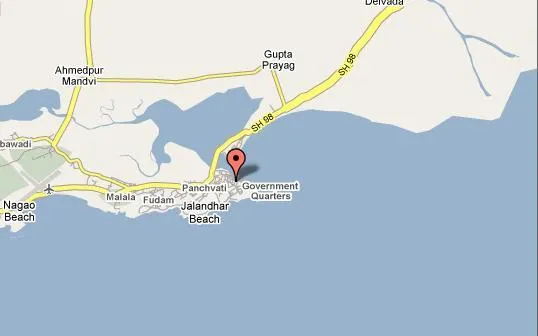
Diu Museum is located in the vibrant state of Gujarat, India. The destination is accessible by road and is well-connected to major cities and towns in the region, making it a convenient addition to any Gujarat travel itinerary.
How to reach
- By Air: The nearest airport is connected to major Indian cities including Mumbai, Delhi, Ahmedabad, and Vadodara with regular domestic flights.
- By Rail: The nearest railway station is connected to the Indian railway network with regular trains from major cities across India.
- By Road: State transport buses, private taxis, and self-drive options are available from nearby cities. Gujarat has a well-maintained network of state highways and national highways.
Use GPS navigation or local maps to find the exact location of this destination in Gujarat. The Gujarat Tourism website provides additional travel resources for visitors.
Photo gallery
Visual highlights of Diu Museum
Visitors to Diu Museum will find plenty of photogenic spots worth capturing. From architectural details to natural landscapes, the destination offers diverse subjects for photography enthusiasts.
What to photograph:
- Architecture: Intricate carvings, structural details, and traditional Gujarati craftsmanship
- Landscapes: Surrounding natural beauty, gardens, and panoramic views of the Gujarat landscape
- Local life: Candid moments of visitors, vendors, and daily activities around the site
- Details: Close-up shots of carvings, paintings, decorative elements, and textures
Photography tips:
- Early morning (6:00 AM – 8:00 AM) and late afternoon (4:00 PM – 6:00 PM) offer the best natural light for photography in Gujarat’s climate
- Check if photography is allowed inside buildings before taking photos
- A wide-angle lens is ideal for capturing architectural grandeur at Gujarat’s heritage sites
- Mobile phone photography works well in well-lit outdoor areas
Browse through our collection of photographs showcasing the beauty and heritage of Diu Museum. New images are added regularly as part of our ongoing content enrichment for this Gujarat destination.
Photo gallery of Diu Museum
Video gallery
Related destinations
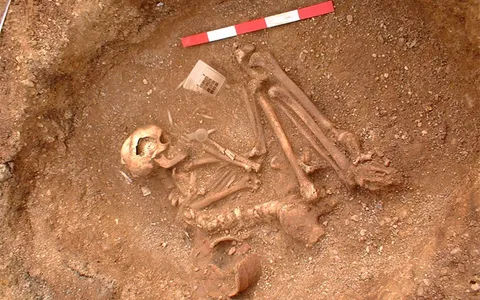
Archaeological Museum
.The museum was setup in 1976 in order to display the artifacts recovered from the excavation conducted from 1952 to 1961. The Museum has three galleries. In the…
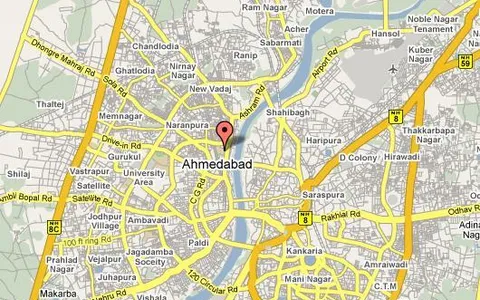
Arts And Crafts Museum
An arts and crafts museum it has a collection of arts and crafts objects of Gujarat and well known crafts of different states of India, including Indian textiles.
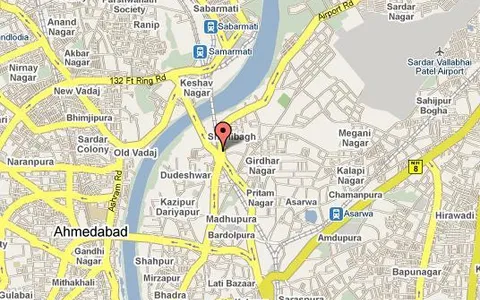
Calico Museum of Textiles
The textiles on display include court textiles used by the Mughal and provincial rulers of 15th to 19th centuries. Also on display are regional embroideries of the…