Ambaji Hil
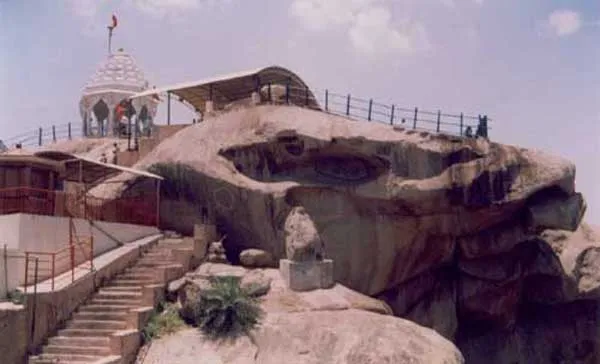
The Mountain or Hill of Gabbar has also a small temple fortified from the western side and there are 999 steps to go up to the mountain and reach this holy temple at the top of Gabbar Hill. A Holy Lamp is constantly burning on this hill temple facing exactly in front of Visa Shree Yantra of Nij Mandir of Mata Shri Arasuri Ambica. An aerial ropeway also connects the temple at the hilltop.The fort was made in the 15th century near the joining (confluence) of two holy rivers. One can see the local…
Quick facts
| Nearest Petrol Pump nearby Ambaji Hill Station | Shiv Shakthi Petrol Pump:Palanpur,Banaskantha,Gujarat,IndiaRM Petrol Pump:Patan,Gujarat,India |
|---|
About Ambaji Hil
The Mountain or Hill of Gabbar has also a small temple fortified from the western side and there are 999 steps to go up to the mountain and reach this holy temple at the top of Gabbar Hill. A Holy Lamp is constantly burning on this hill temple facing exactly in front of Visa Shree Yantra of Nij Mandir of Mata Shri Arasuri Ambica. An aerial ropeway also connects the temple at the hilltop.The fort was made in the 15th century near the joining (confluence) of two holy rivers. One can see the local tribal villages working as silversmiths, potters, arrow makers as well as basket weavers.
Ambaji temple is situated at Ambaji town, in the Banaskantha district of Gujarat. The temple, the holy the seat of Ambe Mata - the Mother Goddess, is a popular pilgrim place for Hindus. People of Gujarat take the name of the Goddess in high regard. Ambaji temple is also considered as one of the Shakti Peethas in India. The Goddess is a manifestation of Shiva’s consort, Parvati. Ambe Mata is the Adya Shakti- the primordial female power, the Mother Goddess.
The Navratri celebrations are organized on a large scale in the Ambaji temple. During the festival, a huge fair is organized here every year. People celebrate the occasion with great pomp and show. They sing and dance in praise of the glory of the Goddess. The temple is located on the Arasur hill in the Aravalli Range. The most fascinating feature of the shrine is that it does not contain any idol. It only has a yantra, made of marble which is engraved at a spot.
History of Ambaji Hill Station
The Mountain or Hill of Gabbar has also a small temple fortified from the western side and there are 999 steps to go up to the mountain and reach this holy temple at the top of Gabbar Hill.A Holy Lamp is constantly burning on this hill temple facing exactly in front of Visa Shree Yantra of Nij Mandir of Mata Shri Arasuri Ambica. There are many more beautiful Site Seeing Places on Gabbar together with a sunset point, Cave and Swings of Mataji and Trips through Ropeway.
Interesting things to Visit
Jami Masjid:
The Jami Masjid, located at Malan in the Palanpur district is an important historical place. Built during the Sultanate period by Sultan Ahmed Shah in 1423 A.D, the stately mosque stands on a high pedestal with 260 pillars supporting 15 domes.
Agricultural University:
The town is most famous for its marble quarries and copper deposits. It also houses one of Gujarat’s prestigious universities called Sardarkrushinagar Dantiwada Agricultural University. The headquarters of Banaskantha is Palanpur, the origin of the diamond industry in India.
Nearest Visiting places from Ambaji Hill Station
The area is characteristically rich in floral diversity- particularly medicinal plants. It has numerous floral and faunal species of global conservation significance. The rare flora comprises Kadaya (giving medicinal gum), Gugal, and Musali etc. The predominant trees are- Khair, Salai, Modad, Dhavada, Khakhara, Timru. During late winters (February-March) Khakhara- the flame of the forests- known by many different names such as- Palash, Tesu, Kesudo, Dhak etc. is generally in bloom with its striking red colour resembling flames in the forests.
Palanpur:
This place was previously the capital of this princely state and today as the district headquarters has its credits that still speak about historical values from centuries together. This old city is blessed with nature around like encamping hillocks and Aravali Mountains that accelerate tourist visit every year from all over the world. The name Palanpur was given after the name of Palansi Chauhans who dwelled here during the 14th century, later the city came under control of Muslim legends till India’s independence. Palanpur began to prosper during the reign of Nawab Shaeb Sher Khan Lohnai and Nawab sahib Talej Muhammed Khan Lohani in the 19th and 20th centuries.
Today, Palanpur is a major trade center and became thickly populated due to its mercantile growth. This is fertile enough because of the Saraswathi and Banas rivers that flows through the city, the places of visit are Kirti stambh, the Rajmahal, Balaram Mehadev temple and the old palace of Nawab. Zoravar palace is known for its beauty,the golden leaf decorative designs ,wall paintings and the sandalwood staircase exhibits the pomp and glory living of mankind those days and now it’s a government official building that works for the people. The other attractions are two Dargahs and an old stepwell, MithiVav with seven galleries on the wall makes the visitors take an awesome wonder to think that “the historians are real legends”.
Ambaji:
This spot is a scared location with temples around that brings devotees from Gujarat and Rajasthan to this famous Maa Ambaji temple, here the main deity is Goddess Amba. Being a pilgrim center there are several other Jain temples namely Gabbar temple and Kumbharia temple, which adds more serenity to this spot. Basically Ambaji is a spot that consist of tribal population, yet talented and artistic workmanship evokes from here, such as silver smith, potters, arrow makers and basket weavers etc; are the special articles you get from here, the major tribal groups are Bhils and Garacias . Ambaji is, also famously known for its marble sculpture and silver tribal jewelry. The main festival is Bhadrapadi Poornima festival is celebrated here annually, near to Ambaji you have a small town named Kumbhariyaji which is famously known for its beautiful sculpted Jain temples and some other important temples are Neminathji temple , Mahavir swami temple, Parshwanathji temple, Sambhavnathji temple and Shantinathji temple.
Poshina port is near to Ambaji at about 45 km of distance.
Jessore Sioth Bear Sanctuary:
This wildlife sanctuary is spread over at an area of 180 sq.km and famously known for sloth bear. Other wild animals like leopards, sambar deer, blue bull, wild boar, porcupine and variety of birds are also found here, it’s a haven to the beasts to beautify planet earth.
Balaram:
Scenic scenario every where at this location and beautiful landscape of Balaram invites tourist from all over the world. This spot is an important Hindu pilgrim center amidst the jungle will be an adventure yet devotional to the heart, soul and mind. Such a lovely place with fresh vegetables and nature that enhances the Gaumukh temple with natural stream flows from the mouth of a cow will be a major attraction to the tourist. The place Balaram and its Balaram river side celebrate a numerous festivals with religious importance every year, this spot is an ideal location for bird watching and jungle living, obviously it’s a home to sloth bears, panthers, blue bulls, and 4 horned antelopes. There are some nearby spot of tourist visit such as Balaram- Ambaji wildlife sanctuary and Jessore Sloth bear sanctuary and an ancient Koteshwar Mahadev temple which is dedicated to Lord shiva is located here.
Bhildi:
Here you have a famous Jain pilgrim site and the main attraction is the Bhildiyaji temple.
Danta:
This spot was once the capital of Parmar Rajputs and the majority of population are the Bhil tribes who still sojourn here, this place consist of two main and beautiful palaces for tourist visit. The Ambaji temple and Shri Kumbhariyaji temple are the nearby pilgrimage centers.
Kondar:
Husain Tekri situated here is a famous place for Azadari programs held on the 22nd of Safar, the second month in the Islamic calendar.
Tharad:
This spot is another ancient landscape which still exists, previously Tharad was known by several names such as Thirpur, Thiradi, Thirapadra and Tharapadra. The famous attraction spot here is Shri Tharad Teerth and this town is considered to be a scared on amidst the Jains beliefs and it is said that this spot was established by King Thirupal Dharu. The beautiful idol at Shri Tharad Teerth is Shri Adishwar Bhagwan which is positioned in Padmasna position in Yoga is famously worshipped here. Apart from this unique spot there are some more ten temples to be visited. Shri Vav Teerth and Shri Bhorol Teerth are the famous Jain temples easily accessible by road, accommodations are available for pilgrims.
Adlaj:
This spot is known to be famous for its step-well Called AdlajVav and during the ancient times this location was known as Dandi Desh, the spot pulls in tourist from far and near.
Indroda Village Deer Park:
The place is known to be the best landmark of the district; this spot is located at the outskirts of Gandhinagar and provides a great picnic spot for the nature lovers. Moreover the Secretariat complex which is positioned in the park has its great architectural values and adds attraction to the people. The park provides a wide range of animals and animal care such as Jackals, Wild boar, Hare, Porcupine, Crusted honey bee buzzard and variety ranges of reptiles and birds and mammals are the real good attraction to the tourist. The Sarita Udyan, located on the Sabarmati is the nearby attraction spot for the tourist. Camping facilities are provided too…
Koba Teerth:
During the year 1980 this holy shrine of Koba Teerth was built in memory of His Holiness Acharyashri Kailas Sagarsuriji Maharaj Saheb. The greatest wonder of this shrine is that, every year during the month May dated 22nd, the ray of the rising sun will pass through to the pinnacle and shine on the forehead of the idol of Bhagwan Mahavir Swami, this idol is beautifully placed in the shrine in the position of Padmasana and white in colour which enhances divinity to the pilgrims and visitors. This wonder temple of Jain pilgrim center is situated on the way between Gandhinagar and Ahemdabad and on the banks of the River Sabarmati.
Hotels/Lodge/Accommodation nearby Ambaji Hill Station
**Hotel Samrat International:**Near Taxi Stand,Mount Abu,Rajasthan,India,Ph:02974 238391
**Hotel Hilltone Mount abu:**Taxi Stand,Opp. Polo Ground,Mount Abu,Rajasthan,India,ph:02974 238391
Location info
-
**Address:**Ambaji & Gabbar Hill
-
District: Banaskantha
-
Nearest City: Palanpur
-
Langauge: Gujarati,Hindi,English
-
Best time to visit: October - March
Climate & weather
Summers 23°- 44°C. Winters 10°-36°C
How to reach Ambaji Hil
-
**Nearest Railway Station:**Abu Road railway station
-
**Nearest Airport:**Ahmedabad. airport at180 kms
-
**Road Transport:**There are many private as well as state buses that connect Ambaji.At a distance of 65 Kms from Palanpur and 45 Kms from Mt. Abu.
Nearest petrol pump
**Shiv Shakthi Petrol Pump:**Palanpur,Banaskantha,Gujarat,India
**RM Petrol Pump:**Patan,Gujarat,India
Helpline & emergency contacts
-
**Police Station:**100
-
**Nearest Hospital:**Sanand Heritage:Near Govt Hospital,Mount Abu,Rajasthan,India,Ph:02974 238241
-
Society/Community Phone Number:
-
**Link:**www.bharatonline.com
Best time to visit Ambaji Hil
October to March. Navaratri is the most significant festival.
Timings & opening hours
6:00 AM to 8:00 PM.
Entry fee & tickets
No entry fee.
Duration needed
Half day to full day.
Safety tips
Wear comfortable walking shoes. Carry water. Be prepared for steep climbs.
Things to carry
Water bottle, comfortable walking shoes, hat, sunscreen, camera.
Nearest airport, railway & bus
Nearest airport and railway station.
Mobile network coverage
Airtel, Jio, and Vi all provide good coverage across Gujarat’s major cities and tourist areas. 4G is generally reliable in Ahmedabad, Vadodara, Surat, and along major highways. Coverage may be weaker in remote areas of Kutch and interior Saurashtra. Most hotels and cafes in tourist areas offer free Wi-Fi.
Food & restaurants nearby
Food options are available in the nearest town. Traditional Gujarati thali restaurants and local eateries offer a range of vegetarian dishes.
Things to do at Ambaji Hil
Climb the hill, visit temples, enjoy panoramic views, and explore the natural surroundings.
Frequently asked questions
What is Ambaji Hil? A hill/scenic destination in Gujarat.
What is the best time to visit? October to March.
Is there a climb involved? Yes, varying difficulty levels.
Accessibility
Accessibility information is not currently available for this site. Contact the venue directly or check with your accommodation for the latest accessibility details.
Rules & restrictions
Standard visitor rules apply. Check locally for any specific restrictions at this site.
Best photography spots
The best photography spots are typically during the golden hours (early morning and late afternoon). Scout the location first to identify the best angles, and consider the direction of light at different times of day.
Visitor information
Planning your visit to Ambaji Hil
- Language: Gujarati is the local language; Hindi and English are widely understood at tourist sites.
- Getting around: Auto-rickshaws, taxis, and state transport buses are readily available. Hiring a private vehicle is recommended for comfort.
- What to wear: Light cotton clothing in summer; light woolens in winter. Comfortable walking shoes are essential. Modest dress is advised at religious sites.
- Photography: Check for photography restrictions before entering. Some temples and museums may charge a separate camera fee.
- Best time to visit: October to March when the weather is pleasant for sightseeing.
- Local cuisine: Don’t miss Gujarati thali — a wholesome meal with dal, rice, vegetables, roti, and sweets like dhokla, khandvi, and mohanthal.
Nearby facilities
- ATMs: Available in nearby towns and at major tourist sites.
- Medical facilities: Primary health centers and hospitals can be found in district headquarters.
- Restrooms: Public restrooms are available at major tourist spots; carry hand sanitizer and tissues.
Make your visit to Ambaji Hil comfortable and hassle-free with these practical visitor tips for Gujarat.
Map & location view
Ambaji Hil is located in the vibrant state of Gujarat, India. The destination is accessible by road and is well-connected to major cities and towns in the region, making it a convenient addition to any Gujarat travel itinerary.
How to reach
- By Air: The nearest airport is connected to major Indian cities including Mumbai, Delhi, Ahmedabad, and Vadodara with regular domestic flights.
- By Rail: The nearest railway station is connected to the Indian railway network with regular trains from major cities across India.
- By Road: State transport buses, private taxis, and self-drive options are available from nearby cities. Gujarat has a well-maintained network of state highways and national highways.
Use GPS navigation or local maps to find the exact location of this destination in Gujarat. The Gujarat Tourism website provides additional travel resources for visitors.
Photo gallery of Ambaji Hil
Video gallery
Related destinations
Girnar hill
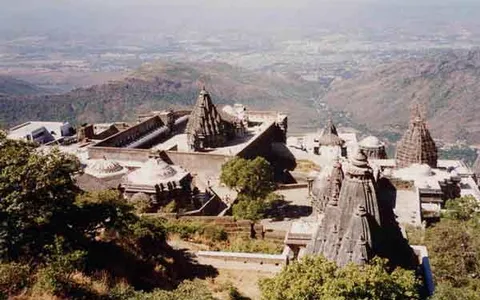
The tallest of these rises to 945 meters (3600 feet), the highest peak in Gujarat. The first peak of Girnar has a collection of Digambar and Shwetamber temples. The…
Satpuda hill
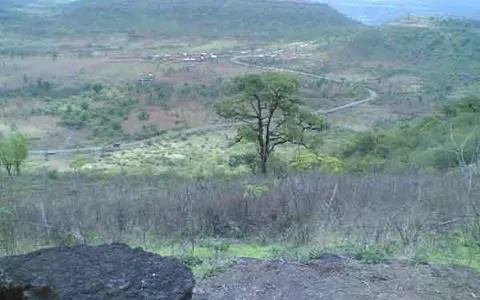
Saputara boasts of being the lone hill resort in the state of Gujarat. The well-designed hill resort of Saputara offers the ultimate getaway with a wide range of…
Shatrunjaya Hill
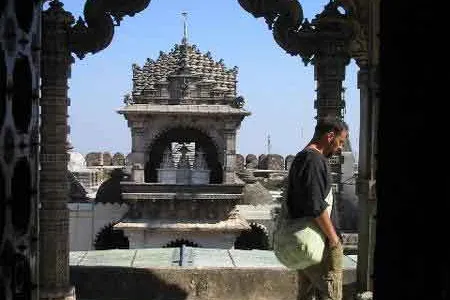
The chief disciple of Adinatha attained nirvana there. There are two series of temples strung along the two ridges of the hill with further temples in the hollow…