Megamalai Wildlife Sanctuary
Megamalai, also known as the 'High Wavy Mountains,' is nestled on the slopes of the Western Ghats, surrounded by lush tea plantations and cardamom estates. This cool and misty mountain range, located approximately 130 km from Madurai, sits at an altitude of 1,500 meters above sea level, making it an ideal retreat for nature lovers. The vegetation in the Megamalai hills varies from scrub forests in the lower elevations to expansive tea and coffee estates, spice plantations (pepper, cardamom,…
About Megamalai Wildlife Sanctuary
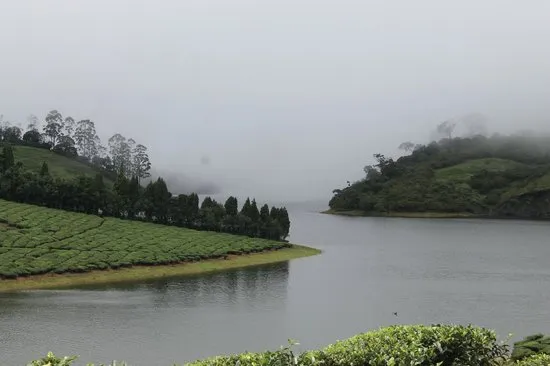
Megamalai, also known as the ‘High Wavy Mountains,’ is nestled on the slopes of the Western Ghats, surrounded by lush tea plantations and cardamom estates. This cool and misty mountain range, located approximately 130 km from Madurai, sits at an altitude of 1,500 meters above sea level, making it an ideal retreat for nature lovers. The vegetation in the Megamalai hills varies from scrub forests in the lower elevations to expansive tea and coffee estates, spice plantations (pepper, cardamom, cinnamon), and dense evergreen forest cover.
There is an ongoing proposal by the Tamil Nadu Forest Department to establish the Megamalai Wildlife Sanctuary across 600 square kilometers of forest. This sanctuary aims to prioritize the control of poaching, reduce pesticide usage, eliminate cannabis (Cannabis sativa) cultivation, and promote scientific watershed management. Once established, the Megamalai Wildlife Sanctuary will serve as a critical buffer zone for the Periyar Tiger Reserve and Grizzled Squirrel Wildlife Sanctuary, strengthening conservation efforts in the southern Western Ghats, particularly in the hills south of the Palakkad Gap.
The area is also known as the source of the Suruli Theertham (Suruli Falls), a popular tourist attraction near Cumbum. With the potential designation of the Megamalai Wildlife Sanctuary, this region is expected to bolster conservation initiatives and act as an essential buffer for the Periyar Tiger Reserve.
Megamalai’s proximity to the forest makes it a prime location for observing wildlife. It is home to a wide variety of birds, mammals, reptiles, and butterflies. Commonly sighted animals include Tigers, Leopards, Nilgiri Tahr, Gaur, Spotted Deer, Barking Deer, Sambar, Wild Boar, Porcupine, Nilgiri Langur, Lion-Tailed Macaque, Common Langur, Bonnet Macaque, Sloth Bear, Grey Jungle Fowl, Smooth-Coated Otter, and Flying Squirrel. Groups of both resident and migratory elephants are also often seen roaming the area.
It is also an ideal place for bird watching. In the forests over 100 species of birds have been identified. The Meghamalai ranges are also the birth place of the Megamalai fall. This fall descends from a stream originating from the hills. It is also known as the Clouds Land Falls and serves as the rendezvous of many wild animals. Megamalai falls are round-the-year falls that do not run dry. Another important range around Megamalai is Vellimalai, also known as the Silver Mountain.
Climate/Weather
Summers:
Summers in Megamalai, from March to June, bring warm temperatures ranging between 27°C to 40°C, with May typically being the hottest month. The climate is quite hot, and light cotton clothing is recommended to stay comfortable.
Winters:
Winter, lasting from December to February, offers a cooler and more pleasant climate, with temperatures ranging from 20°C to 30°C. This season is ideal for tourism, as the temperature rarely dips below 20°C, making it comfortable for outdoor activities.
Monsoon:
The monsoon season, from July to October, brings regular and significant rainfall, with an average of 85 cm. The frequent rains add to the region’s lush greenery, enhancing the scenic beauty of the hills, although it may limit some outdoor activities.
History
Megamalai, situated at an altitude of 1,650 meters, is renowned for its scenic beauty and historical significance. At the heart of Megamalai lies Vellimalai, known as the “Silver Mountain,” where silver-lined clouds gracefully rest on verdant hilltops, offering breathtaking views. This region is also home to the Vaigai River, which originates here and flows down to serve the plains below.
Historically, Megamalai’s fertile hills attracted tea and coffee plantations, and it remains dotted with sprawling estates. The area developed as a plantation region, with colonial-style bungalows, homes of plantation workers, and an artificial lake adding to its charm. The region also offers panoramic views of the Varusanadu Hills, making it a popular spot for visitors seeking a glimpse into both the natural and colonial heritage of Tamil Nadu’s highlands.
Today, Megamalai remains a tranquil destination, preserving the beauty of its tea and coffee estates while attracting nature enthusiasts and conservation efforts aimed at protecting its rich biodiversity.
Interesting Things to Do in Megamalai
- Tea and Coffee Plantation Tours: Explore the lush plantations that cover Megamalai’s hillsides. Many estates offer guided tours where visitors can learn about tea and coffee processing and enjoy scenic views of the sprawling green estates.
- Wildlife Spotting: Megamalai is home to a diverse range of wildlife, including leopards, elephants, gaur, and several bird species. Nature trails within the forested areas provide an opportunity to spot these animals in their natural habitat.
- Trekking and Nature Walks: Numerous trails lead through the picturesque hills, offering panoramic views, fresh mountain air, and encounters with local flora and fauna. Popular trekking spots include Vellimalai and the Varusanadu Hills.
- Visit Vellimalai (Silver Mountain): Known as the heart of Megamalai, Vellimalai offers stunning landscapes with mist-covered peaks and serves as the source of the Vaigai River. It’s an ideal spot for photography and quiet reflection.
- Bird Watching: Megamalai is a paradise for bird watchers, with sightings of rare species such as the Great Indian Hornbill, Grey Jungle Fowl, and Grizzled Giant Squirrel. Early mornings are best for bird watching.
- Picnic by the Artificial Lake: The artificial lake, surrounded by tea plantations, provides a serene spot for picnics and relaxation, offering visitors a chance to enjoy the peaceful atmosphere of the hills.
- Explore Megamalai Wildlife Sanctuary (Proposed): While the sanctuary is still in development, this protected area is expected to become a major attraction, providing a safe haven for wildlife and an opportunity for ecotourism activities.
- Photography: With its misty mountains, lush landscapes, and wildlife, Megamalai offers endless photography opportunities for capturing the region’s natural beauty and unique biodiversity.
Megamalai offers a variety of activities for nature lovers, adventure seekers, and those looking to unwind amidst the scenic Western Ghats.
Interesting Things to Visit
Meghamalai Waterfalls (Clouds Land Falls):
The Meghamalai Falls, also known as Clouds Land Falls, is a picturesque waterfall that flows year-round through twin streams originating from Meghamalai. This spot offers sightings of wildlife such as elephants, spotted deer, and gaur, especially at dawn and dusk, creating a memorable experience for nature enthusiasts.
Flora:
The vegetation in Meghamalai ranges from scrub forests at the foothills to lush tea and coffee estates, spice plantations (pepper, cardamom, cinnamon), and dense evergreen forests at higher altitudes. This diverse plant life supports a rich ecosystem.
Fauna:
Meghamalai’s forest area is home to a variety of wildlife, including tigers, leopards, Nilgiri tahr, gaur, spotted deer, barking deer, sambar, wild boar, porcupine, and more. Primates such as the Nilgiri langur, lion-tailed macaque, common langur, and bonnet macaque can also be spotted. Over 100 species of birds, along with reptiles and butterflies, make this area a biodiversity hotspot.
Great Indian Hornbill:
The rare Great Indian Hornbill resides in this region, known for its distinctive large beak and nesting rituals. Found at elevations up to 1,500 meters, these hornbills primarily feed on berries and fruits. Conservation efforts are essential for this species, which faces threats from habitat destruction and hunting.
Grizzled Giant Squirrel:
The endangered Grizzled Giant Squirrel, unique to this habitat, is a large, arboreal squirrel with a home range of up to 6,110 square meters. It builds multiple nests for nursery and resting purposes, which help it avoid predators. This species contributes to the ecosystem through seed dispersal.
Salim Ali’s Fruit Bat:
Named after the famous ornithologist Salim Ali, this rare species of fruit bat is only found in the Meghamalai range. Recognized as one of the world’s rarest bats, it plays a crucial role in pollination and seed dispersal. Its unique features include a lack of an external tail and distinctive coloration.
Hutton’s Pit Viper:
The enigmatic Hutton’s Pit Viper was discovered in 1949 in Meghamalai and has not been sighted since. This venomous snake species raises fascinating biogeographical questions, as its closest relatives are found only in the Malayan Peninsula, making it an intriguing species for herpetologists.
Mobile Range Info
Mobile network coverage in Megamalai is limited, especially in the remote and higher-altitude areas. Popular networks such as Airtel, Jio, and BSNL may provide basic connectivity in certain parts of Megamalai, including near town centers and plantations. However, connectivity can be weak or non-existent in forested and isolated areas.
For more reliable network access, it is advisable to carry a BSNL SIM card, as BSNL typically has better coverage in rural and forested regions. Visitors are advised to inform family or friends about any possible connectivity issues before traveling to ensure safety and communication.
Nearest Visiting Places
- Suruli Falls: Located about 30 km from Megamalai near Cumbum, Suruli Falls is a beautiful cascade that originates from the Megamalai hills. It’s known for its scenic beauty and spiritual significance.
- Thekkady (Periyar Wildlife Sanctuary): Approximately 60 km from Megamalai, Thekkady is famous for the Periyar Wildlife Sanctuary, home to elephants, tigers, and diverse flora and fauna. It’s an ideal destination for nature lovers and offers boating and wildlife spotting opportunities.
- Vaigai Dam: Around 55 km away, the Vaigai Dam is a scenic spot surrounded by gardens. It’s a popular picnic destination, offering views of the Vaigai River and a peaceful atmosphere.
- Theni: Situated about 45 km from Megamalai, Theni is known for its agricultural landscapes, including vineyards, mango orchards, and fields. It serves as a base town for travelers visiting Megamalai.
- Kumily: About 65 km from Megamalai, Kumily is a quaint town near Thekkady known for its spice plantations. It’s a great place to explore and buy locally produced spices like cardamom, pepper, and cinnamon.
- Chinna Suruli (Cloudland Falls): Located near Theni, Chinna Suruli Falls is another scenic waterfall that draws visitors with its natural beauty and tranquil surroundings.
- Bodinayakkanur: Roughly 50 km away, Bodinayakkanur is known for its coffee and cardamom plantations. It’s a pleasant spot for nature walks and plantation tours.
These nearby attractions offer a blend of natural beauty, wildlife, and cultural experiences, making Megamalai an ideal base for exploring the surrounding region.
Nearest Petrol Pumps
- Indian Oil Petrol Pump, Chinnamanur: Located approximately 35 km from Megamalai, this petrol pump in Chinnamanur offers fueling options and basic amenities.
- Bharat Petroleum, Cumbum: Situated around 40 km away in Cumbum, this pump provides fuel services along with a small convenience store for travel essentials.
- HP Petrol Pump, Theni: About 45 km from Megamalai, this pump in Theni is easily accessible for those traveling from or through Theni on their way to Megamalai.
- Indian Oil Petrol Pump, Bodinayakkanur: Approximately 50 km from Megamalai, this pump in Bodinayakkanur offers fuel and minor vehicle services for travelers coming from nearby towns.
It’s recommended to refuel in these towns before heading to Megamalai, as the area has limited fuel stations along the mountain roads.
Hotels/Lodges/Accommodations Near Megamalai
- Cloud Mountain Bungalow, Megamalai: This cozy accommodation offers basic rooms with scenic views of the tea plantations and mountains. It’s popular among nature lovers looking to stay close to the plantation areas.
- Meghamalai Estate Bungalow: Located within the tea estates, this bungalow offers comfortable rooms, homely meals, and easy access to trekking and plantation tours. It’s ideal for those wanting a rustic, authentic experience.
- Hotel Western Gatz, Theni: About 45 km from Megamalai, this hotel offers modern amenities, comfortable rooms, and an on-site restaurant, making it a convenient base for visitors exploring Megamalai and nearby attractions.
- ABM Grande, Theni: This mid-range hotel in Theni provides spacious rooms, a multi-cuisine restaurant, and easy access to transportation. It’s a comfortable option for travelers looking to stay in the town area.
- Green Royale Resort, Cumbum: Located approximately 40 km from Megamalai, this resort offers a peaceful stay with well-appointed rooms, a restaurant, and gardens, making it a relaxing option for families and groups.
- Stay in Bodinayakkanur: For those preferring a budget stay near coffee plantations, Bodinayakkanur has small lodges and guesthouses providing basic accommodation options. This location is roughly 50 km from Megamalai.
These accommodations offer a range of options from rustic bungalows to modern hotels, catering to diverse preferences for those visiting Megamalai.
Things to Carry
- Binoculars: Essential for wildlife viewing.
- Neutral-Colored Clothing: Blend with the environment.
- Comfortable Walking Shoes: For jungle trails.
- Water and Snacks: Carry sufficient hydration.
- Insect Repellent: Protect against mosquitoes.
- Camera with Zoom Lens: Capture from a safe distance.
Tips & Suggestions
- Plan for Limited Connectivity: Mobile network coverage is limited in many parts of Megamalai. Inform family and friends about possible communication gaps.
- Best Time to Visit: The ideal months are December to February, when the weather is cooler and more comfortable for outdoor activities. Avoid the monsoon season (July to October) as roads can be slippery and treacherous.
- Respect Local Wildlife: Megamalai is home to diverse wildlife. Maintain a safe distance from animals, avoid feeding them, and keep noise levels down in wildlife areas.
- Pack Essentials: Ensure you carry enough water, snacks, and cash, as shops and ATMs are limited in remote areas. Also, bring a basic first aid kit and medications if needed.
- Hire Experienced Drivers: The roads leading to Megamalai are narrow and winding, especially the last stretch. Hiring an experienced driver or renting a sturdy vehicle (such as an SUV) is advisable.
- Respect Local Customs and Environment: Dress modestly when visiting local villages or religious sites, and avoid littering. Megamalai is an ecologically sensitive area, so dispose of waste responsibly.
- Stay on Designated Trails: For safety and to preserve the environment, stick to marked trails and avoid venturing into restricted or dense forest areas without a guide.
- Be Prepared for Unpredictable Weather: Megamalai’s weather can change quickly, especially in the hills. Carry a light raincoat and warm clothing to be prepared for sudden changes.
These tips will help ensure a safe, enjoyable, and environmentally friendly experience in Megamalai’s pristine surroundings.
Help Line/Phone Numbers
- Local Police Station (Chinnamanur): +91-4546-241500
- Forest Department (Megamalai Range): +91-4546-242600
- Emergency Medical Services: 108 (National Ambulance Service)
- Tourism Office (Theni): +91-4546-243700
- Fire and Rescue Services: 101
- Nearest Hospital (Government Hospital, Theni): +91-4546-244800
These contact numbers are essential for emergency assistance, local information, and safety support while visiting Megamalai.
Location info
-
Address: Megamalai Wildlife Sanctuary, Virudhunagar, Tamil Nadu, India
-
District: Virudhunagar
-
Nearest City: Madurai (approximately 130 km away)
-
Best Time to Visit: December to February, when the weather is cool and ideal for sightseeing and wildlife exploration.
Best time to visit Megamalai Wildlife Sanctuary
October to March for optimal wildlife viewing. Post-monsoon vegetation makes sightings near water sources easier. Early morning and late afternoon provide the best safari experiences. Summer (April–May) can be good near remaining water bodies.
Timings & opening hours
Open from 6:00 AM to 6:00 PM daily. Safari timings vary by season — typically morning (6–9 AM) and evening (3–5:30 PM). The sanctuary may close during monsoon for animal breeding. Check forest department schedules.
Entry fee & tickets
Entry fee: INR 25–50 for Indian adults, INR 200–500 for foreign nationals. Vehicle entry: INR 50–200. Safari charges: INR 300–1000 per person depending on sanctuary. Camera fee: INR 50–100.
Duration needed
3–6 hours for a half-day visit including one safari. Full-day visits with multiple safaris and a break are recommended for serious wildlife enthusiasts. Overnight stays at forest lodges enhance the experience.
Safety tips
Stay inside the vehicle during safaris. Do not exit the vehicle inside the sanctuary. Do not feed or disturb animals. Maintain silence for better wildlife sightings. Follow forest guide instructions. Carry insect repellent. Avoid wearing bright colours.
Nearest airport, railway & bus
Nearest airport: nearest regional airport. Nearest railway station: at the nearest town. Bus services and taxis are available from nearby towns and cities.
Food & restaurants nearby
Basic food options are available at forest rest houses, eco-lodges, and small local eateries near Megamalai Wildlife Sanctuary. These typically serve South Indian vegetarian meals including rice, sambar, poriyal, and curd. Visitors are advised to carry packed food and sufficient water when visiting the sanctuary.
Frequently asked questions
What is the best time to visit Megamalai Wildlife Sanctuary? October to March offers the best wildlife viewing. Early morning safaris (6–8 AM) are ideal for animal sightings.
Can I drive my own vehicle inside Megamalai Wildlife Sanctuary? Private vehicles may be allowed in some sanctuaries with a guide. Many require using the forest department’s safari vehicles for core area visits.
Are there accommodation options near Megamalai Wildlife Sanctuary? Forest department guesthouses, eco-lodges, and private resorts are available near most wildlife sanctuaries. Advance booking is essential.
Accessibility
Accessibility information is not currently available for this site. Contact the venue directly or check with your accommodation for the latest accessibility details.
Rules & restrictions
Standard visitor rules apply. Check locally for any specific restrictions at this site.
Best photography spots
The best photography spots are typically during the golden hours (early morning and late afternoon). Scout the location first to identify the best angles, and consider the direction of light at different times of day.
Quick facts
- Type: Tourist Attraction
- State: Tamilnadu
- Category: Wildlife Sanctuary
Visitor information
Please check locally for current visitor information.
How to reach Megamalai Wildlife Sanctuary
By Air: The nearest airport is Madurai International Airport, located about 130 km from Megamalai. From Madurai, you can hire a taxi or take a bus to reach Megamalai. By Train: The closest major railway station is in Theni, around 45 km away. Theni has good rail connectivity with cities in Tamil Nadu. From Theni, taxis and buses are available to reach Megamalai. By Road: Megamalai is accessible by road from nearby cities like Madurai, Theni, and Dindigul. The hill station is around 130 km from Madurai and 43 km from Chinnamanur. Regular buses and taxis operate to Megamalai from these towns, though the final stretch involves a rugged road, so SUVs or jeeps are recommended for a smoother journey. Note: The road leading to Megamalai is steep and winding, so it’s advisable to hire experienced drivers for a safe and comfortable journey. The best time to visit is during the winter months for favorable road conditions.
Map & location view
This section is being updated and will be available shortly.
Photo gallery of Megamalai Wildlife Sanctuary
Video gallery
Related destinations
Grizzled Squirrel Wildlife Sanctuary
Located in Virudhunagar District, 45 Kms. off Virudhunagar Town, this sanctuary has a composition of dry deciduous forests, moist mixed deciduous forests and grass…
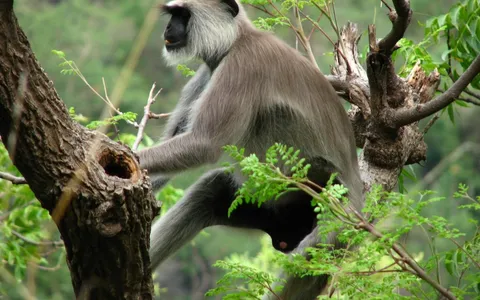
Indira Gandhi Wildlife Sanctuary
Spread over 958 sq kms, this sanctuary can be reached though Top slip in Anamalai Hills on the Western Ghats. An ecological Paradise, this sanctuary encompasses a…
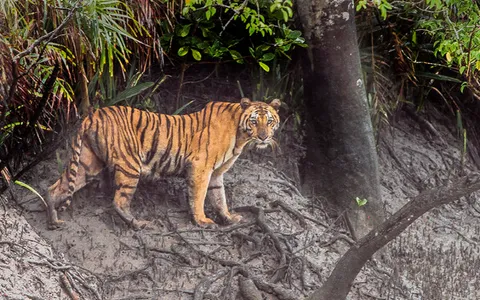
Kalakkad Mundanthurai Tiger Reserve
Kalakad -Mundanthurai Tiger Reserve (KMTR) in Agasthyamalai hills of Western Ghats in Tamil Nadu is known for abundance of rare plants and several endangered…