Kanyakumari Wildlife Sanctuary
It is situated along the Western Ghats foothills and the nearby areas as well. Kanyakumari wildlife is carried on in this sanctuary. This sanctuary is popular with botanists as well as ornithologists as there are large varieties of flora and fauna. The Kanyakumari wildlife India is carried on in this park with full earnest. Along with the tourists from Kanyakumari, there are also the tourists from Thirunelveli who come to visit the sanctuary.
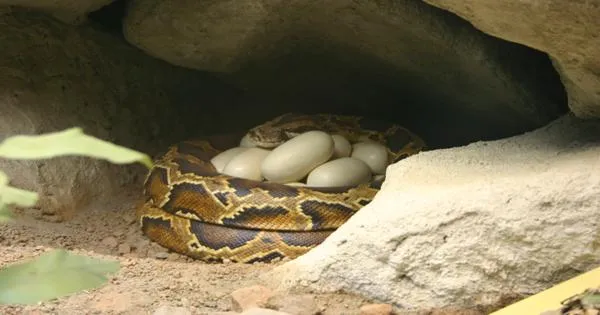
About Kanyakumari Wildlife Sanctuary
The virgin forests of Kanyakumari District got transferred from Kerala to Tamil Nadu on the 1st November 1956 as a result of the state reorganization. Kanyakumari Forest Division came into existence from 1st April 1977, with the headquarters at Nagercoil. Government Reserved Forests occupy an area of 50486 ha, i.e., 30.2% of the total geographic area of the Kanyakumari District.
Kanyakumari District is the southern most tip of India with Kerala on the north-west, Tirunelveli District in north-east, Arabian Sea in the south-west, Bay of Bengal in the South east and Indian Ocean in the south. Kanyakumari Forest Division is located between 77o10’-77o35’ east longitude and 8o5’ – 8o35’ north latitude
Kanyakumari is the southern most districts in Tamil Nadu. The city is situated on the sea shore and is the last southern city in India. The city is a great center for tourism. Kanyakumari wildlife is one of the best aspects in Kanyakumari tourism.
in and Vanamuttimalai in Klamalai RFs.The valleys and flat lands between the spurs are accessible and contain valuable forests. At Muthukuzhivayal there is a plateau about 16 KM long and 10 KM wide,at an elevation of 1341 M
As such there are no facilities to enjoy wildlife in Kanyakumari one has to visit the sanctuaries that are located in the near by district, Thirunelveli. Thirunelveli has the Kalakadu wildlife sanctuary and the Mundanthurai wildlife sanctuary where Kanyakumari wildlife, India is carried out.
Interesting things to Visit
Flora:
In precipitous localities, bordering Tirunelveli district, especially around Upper Kodayar Bentinckia conddappana, known as Hill arecanut, an interesting endemic palm occurs. Along the depressions Arenga wightii and Poanaca docksonii, two other palms, are found in plenty . The former yields a highly intoxicating toddy, which is much sought after by tribals.
Hill top Grasslands:
Hilltop Grasslands are found in Veerapuli and Asambu Reserved Forests near Shola patches.
Endemism:
In precipitous localities, bordering Tirunelveli district, especially around Upper Kodayar Bentinckia conddappana, known as Hill arecanut, an interesting endemic palm occurs. Along the depressions Arenga wightii and Poanaca docksonii, two other palms, are found in plenty . The former yields a highly intoxicating toddy, which is much sought after by tribals.
Reed Brakes:
Ochlandra Reed Brakes (8A/E1) form an important and characteristic forest type occurring in Veerapuli RF.
Rare and endangered plant:
In the Red Data Book, the Botanical survey of India had categorized the present status of 427 Indian plants. Out of this, 123 species occur in Tamil Nadu, and as many as 62 species are endemic to Tamil Nadu. 39 of these occur in the Western Ghats.
Fauna:
Bonnet Macaque, Common Langur or Hanuman Langur, Nilgiri Langur, Slender Loris, Tiger, Leopard or Panther, Jungle Cat, Small Indian Civet, Mangoose, Jackal, Indian Fox, Dhole or Indian Wild Dog, Sloth Bear, Otter, Large Brown Flying Squirrel, Flying Fox, Indian Gaint Squirrel, Indian Porcupine, India Hare, Indian Elephant, Gaur or India Bison, Nilgiri Tahr, Chital or spoted Deer, Black Buck or Indian Antelope, Sambar, Barking Deer, Mousse Deer or India Chevrotain, Wild Boar, Pangolin.
The Sangam:
Beach in Tamil Nadu, South India Beaches Sangam is the meeting point of the three major bodies of water, the Bay of Bengal, the Arabian Sea and the Indian Ocean. It is a bathing ghat, with steps leading into the water and a sort of lagoon formed between land by a series of rocks. People bathe and jump around, getting lightly battered by the remains of waves, which are washing over the rocks.
Kanyakumari Temple:
The Kumari Amman Temple also known as Kanyakumari Temple is located on the shores and is dedicated to a Goddess the incarnation of Goddess Parvati, the virgin goddess who did penance to obtain Lord Shiva as her husband. The main attraction for tourists from around the world is the scintillating view of the temple and the adjoining ghats, which are sitting pretty on the shoreline. The diamond nose-ring on the statue of the deity adds an enchanting glow to the already shining statue. Famous for its sparkling gleam, it is said to be visible even from the mid of sea.
Gandhi Mandapam:
This is the place where the urn containing the ashes of Mahatma Gandhi was kept before a portion of which was immersed in the three seas. The exemplary temple is located near to the Kumari Amman Temple and is one of the most picturesque spots in Kanyakumari. The temple is build in such a way that on October 2nd, the birth date of Mahatma Gandhi, the rays of sun fall exactly on the spot where the urn containing the ashes is kept. So if possible choose this day to visit this splendid monument and witness the magical moment right in front of your eyes.
Vivekananda Memorial Rock:
Situated some 500m away from the mainland Vivekananda Memorial Rock attracts a large number of tourists and was built in the year 1970 in memory the great Swami Vivekananda. It is built on the same spot where Swami Vivekananda spent some of his time meditating. Keeping this in mind, the temple also has a meditation hall. So if you want to get rid of all the worldly tensions, take some time out and sit in the hall meditating all your problems away. From ancient times, even before the temple was built, the rock was considered a sacred place and was known as ‘Sripada Parai’ meaning that the rock is blessed by the touch of feet of ‘Devi Kumari’. Feel the spirituality of the place by sighting the divine footprints of the Goddess, which is visible on the rock.
Nearest Visiting places
Padmanabhapuram Palace:
Padmanabhapuram Palace: It’s a large mansion of the Travancore Kings, located around 40kms from Kanyakumari on the road to Thiruvananthapuram. Known for its natural splendor, the main attraction of the palace is its sheer aesthetic beauty, innovative designs and time tested wooden carvings. Known for its strategic planning and military architecture, the palace dates back to 17th or 18th century. Unlike north Indian palaces, it’s made of granite and teakwood displaying a perfect combination of clean lines and gentle angles, sloping tiled roofs of various interconnecting buildings. And the Palace has a dining hall, which seated 2000 Brahmins at one time! The palace is excellently maintained by the Archeological Survey of India, which offers a guided tour through the labyrinth of 108 rooms that is expressive of sheer opulence.
Suchindram Temple:
A small sleepy village Suchindram, located 12 kms from Kanyakumari, is profusely rich in art, culture and architectural heritage. The major spotlight of the place is the famous Sthanumalayan Temple, commonly known as Suchindram temple, which is notably marked for its artistic treasures. The temple is dedicated to a deity who is the representation of the combined forces of Siva, Vishnu and Brahma. It is one of the few temples in the country where the Trinities are worshipped. The temple has a beautiful 134ft tall gopuram, musical pillars and an excellent statue of the Hanuman, apart from valuable artifacts of different periods.
Baywatch Water Amusement Park:
Baywatch Water Amusement Park The interesting water park has many different types of rides available like the Bumping Car, Crazy Chairs, Giant Wheel, Milky Way, and Multiple Splash. It’s open every day of the year and it has many different attractions for adults and children including its world famous wax museum that is the counterpart of Wax Museum at London.
Portuguese Church:
Portuguese Church The church with its beautiful archaic structure is a major monument of Christian influence. The massive towering spires and stained glass window panes contribute to the overall grandeur of the Church. The simplicity of the interiors is a sharp contrast to the ornate Gothic exteriors. A walk down to the fishing jetty behind the church is quite interesting especially if the boats have just come in with their catch.
Vattakottai Fort:
Vattakottai Fort It is one of the many forts erected a symbol of military history of India. This small yet charming circular fort on the seashore, 6 kms away from Kanyakumari is an 18th century fort. So, only the ramparts and a few broken down structures of this granite fort have withstood the ravages of time. The isolated beach lined with coconut groves and dense vegetation overlooking the blue waters makes it an idyllic hideaway.
Muttom Beach:
The famous beach at Muttom is located about 16 kms from Nagercoil and 32 kms from Kanyakumari as well. Muttom is famous for its beautiful landscaping and high rocks dipping into the sea at the beachside. The sun set viewpoint at Muttom is very famous and one of the most Panoramic view points in the district. Another attraction of Muttom is the century old lighthouse built by the British. People come and see all these with full interest.
Sanguthurai Beach:
Sanguthurai is a beautiful beach resort and is very convenient for the local population of Nagarcoil. It is only about 10 kms from the city. Unfortunately no infrastructure facilities were available in this beach. The district administration has now sanctioned a project for putting up of a children`s park, seating facility, open huts or Kudils with Terracotta roofs and lighting facility at the beach. These facilities are expected to increase the tourism in the beach site. The entire work has been completed. It is also proposed to put up a few shops for Women Self Help Groups at the site. These will provide eatables for the tourists at the beach side. All these give a colourful impression to the tourists.
Chothavilai Beach:
This beach is located at the distance of about 10 Kms from Kanyakumari. This is one of the best natural beaches of the district. The beach has shallow water and High sand dunes on the background. The tourists can reach the beach through the newly laid coastal road, which is a very beautiful drive along the sea-coast. People enjoy the place very much as they visit this with of joy.
Hotels/Lodge/Accommodation
For accommodation near Kanyakumari Wildlife Sanctuary, nearby towns offer budget lodges, guesthouses, and mid-range hotels. Book ahead during peak season (December-March).
Help Line/Phone Number
Police Station:Kanyakumari, Tamil Nadu,India
Sivanthi Hospital: Kanyakumari, Tamil Nadu,India
Govermment Hospital:Kanyakumari, Tamil Nadu,India
Location info
-
**Address:**Kanyakumar wildlife Sanctuary,Kanyakumari,Tamil Nadu,India
-
**District:**Kanyakumari
-
**Nearest City:**Nagercoil
-
Best time to visit: November to February
Climate & weather
Kanyakumari has April to June the hottest with temperature reaching out to maximum 350C. November to February is the coolest period with temperature hovering around 210C. Northeast Monsoon brings gentle sweep of rains between October and December.
How to reach Kanyakumari Wildlife Sanctuary
-
**Nearest Railway Station:**Kanyakumari is connected to Trivandrum, Delhi, and Mumbai by broad-gauge railway network.
-
**Nearest Airport:**Trivandrum, 80 kms away, with regular flights to Bangalore, Mumbai, Cochin, Delhi, Goa, and Madras.
Road Transport: It is connected by road to Nagarcoil 19 kms, Trivandrum 86 kms and Tirunelvelli 91 kms with frequent and regular bus service. Bus service to other major tourist destinations in Kerala and Tamil Nadu are available.
Nearest petrol pump
- **Petrol Pump:**Kanyakumari, Tamil Nadu,India
Best time to visit Kanyakumari Wildlife Sanctuary
October to March for optimal wildlife viewing. Post-monsoon vegetation makes sightings near water sources easier. Early morning and late afternoon provide the best safari experiences. Summer (April–May) can be good near remaining water bodies.
Timings & opening hours
Open from 6:00 AM to 6:00 PM daily. Safari timings vary by season — typically morning (6–9 AM) and evening (3–5:30 PM). The sanctuary may close during monsoon for animal breeding. Check forest department schedules.
Entry fee & tickets
Entry fee: INR 25–50 for Indian adults, INR 200–500 for foreign nationals. Vehicle entry: INR 50–200. Safari charges: INR 300–1000 per person depending on sanctuary. Camera fee: INR 50–100.
Duration needed
3–6 hours for a half-day visit including one safari. Full-day visits with multiple safaris and a break are recommended for serious wildlife enthusiasts. Overnight stays at forest lodges enhance the experience.
Safety tips
Stay inside the vehicle during safaris. Do not exit the vehicle inside the sanctuary. Do not feed or disturb animals. Maintain silence for better wildlife sightings. Follow forest guide instructions. Carry insect repellent. Avoid wearing bright colours.
Things to carry
Binoculars, camera, water bottle, hat, sunscreen, light jacket, insect repellent, snacks. Wear earthy tones. Valid ID is required for entry registration.
Nearest airport, railway & bus
Nearest airport: nearest regional airport. Nearest railway station: at the nearest town. Bus services and taxis are available from nearby towns and cities.
Mobile network coverage
Airtel, Jio, BSNL, and Vi all provide coverage across Tamil Nadu. 4G is reliable in Chennai, Coimbatore, Madurai, and along major highways. Coverage may be weaker in remote sections of the Western Ghats, deep forest reserves, and certain rural interior areas. Free Wi-Fi is widely available in hotels and cafes in urban areas.
Food & restaurants nearby
Basic food options are available at forest rest houses, eco-lodges, and small local eateries near Kanyakumari Wildlife Sanctuary. These typically serve South Indian vegetarian meals including rice, sambar, poriyal, and curd. Visitors are advised to carry packed food and sufficient water when visiting the sanctuary.
History of Kanyakumari Wildlife Sanctuary
Kanyakumari Wildlife Sanctuary was established as a wildlife sanctuary to conserve the rich biodiversity of the Western Ghats, a UNESCO World Heritage Site. The sanctuary protects critical habitat for endangered species and maintains the ecological balance of the region. It plays a vital role in wildlife conservation in Tamil Nadu.
Things to do at Kanyakumari Wildlife Sanctuary
Go on guided safaris through the sanctuary’s forest trails. Watch for elephants, deer, gaur, leopards, and numerous bird species. Visit the sanctuary’s interpretation centre and nature trails for educational insights about the ecosystem.
Frequently asked questions
What is the best time to visit Kanyakumari Wildlife Sanctuary? October to March offers the best wildlife viewing. Early morning safaris (6–8 AM) are ideal for animal sightings.
Can I drive my own vehicle inside Kanyakumari Wildlife Sanctuary? Private vehicles may be allowed in some sanctuaries with a guide. Many require using the forest department’s safari vehicles for core area visits.
Are there accommodation options near Kanyakumari Wildlife Sanctuary? Forest department guesthouses, eco-lodges, and private resorts are available near most wildlife sanctuaries. Advance booking is essential.
Accessibility
Accessibility information is not currently available for this site. Contact the venue directly or check with your accommodation for the latest accessibility details.
Rules & restrictions
Standard visitor rules apply. Check locally for any specific restrictions at this site.
Best photography spots
The best photography spots are typically during the golden hours (early morning and late afternoon). Scout the location first to identify the best angles, and consider the direction of light at different times of day.
Quick facts
- Type: Tourist Attraction
- State: Tamilnadu
- Category: Wildlife Sanctuary
Visitor information
Please check locally for current visitor information.
Map & location view
This section is being updated and will be available shortly.
Photo gallery of Kanyakumari Wildlife Sanctuary
Video gallery
Related destinations
Grizzled Squirrel Wildlife Sanctuary
Located in Virudhunagar District, 45 Kms. off Virudhunagar Town, this sanctuary has a composition of dry deciduous forests, moist mixed deciduous forests and grass…
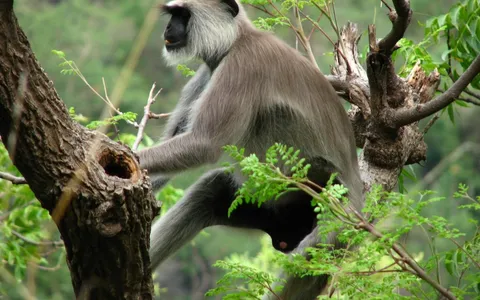
Indira Gandhi Wildlife Sanctuary
Spread over 958 sq kms, this sanctuary can be reached though Top slip in Anamalai Hills on the Western Ghats. An ecological Paradise, this sanctuary encompasses a…
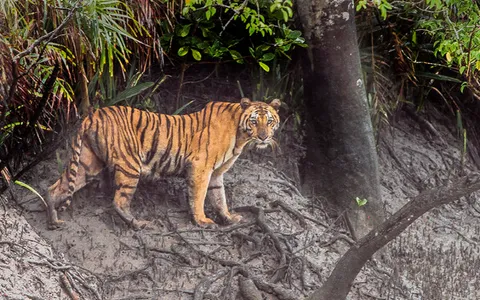
Kalakkad Mundanthurai Tiger Reserve
Kalakad -Mundanthurai Tiger Reserve (KMTR) in Agasthyamalai hills of Western Ghats in Tamil Nadu is known for abundance of rare plants and several endangered…