Erode Districts
Erode District lies on the extreme north of Tamil Nadu. It is bounded mostly by Karnataka State and also River Palar covers pretty long distance. To the East lies Namakkal and Karur Districts. Dindigal District is its immediate neighbour to the South and on the West, it has Coimbatore and Nilgiri Districts, as its boundaries. Thus Erode District is essentially a land-locked area having no sea-cost of its own
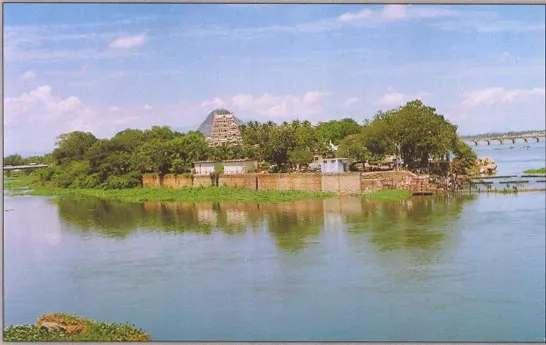
About Erode Districts
The region comprised in the district can be portrayed as a long undulating plain gently sloping towards the river Cauvery in the south-east. The three major tributaries of river Cauvery viz. Bhavani, Noyyal and Amaravathy drain the long stretch of mountains in the north. A part of the eastern boundary of the district is formed by river Cauvery, entering the district from Salem and flowing in a southernly direction.
In the sangam periods Erode was the part of Kongu Nadu. Erode is well known for powerloom textile Industries and cultivation of turmeric is important in agriculture. Kangeyam Bulls and Uthukuli butter are famous in Tamil Nadu The notable textile products such as towels, bed sheets and lungies are exported to foreign countries The pilgrimage centers Bannari Amman Temple at Bannari and Sangameswarar Temple at the conf1uence rivers Bhavani and Cauvery located at Bhavani have spiritual importance in this District. Bhavanisagar dam attracts tourist people and Lower Bhavani Project plays major role in the irrigation sector.
History of Erode Districts
Erode District was a part of Coimbatore has its history intervened with that of Coimbatore and because of its close linkage with the erstwhile Coimbatore district. It is very difficult to separately deal with the history of Erode region. Together with the area comprised in the Coimbatore district, it formed part of the ancient Kongu country known as “Kongu Nadu” history of which dates back to the Sangam era. It is found that in the early days, this area was occupied by tribes, most prominent among them being the “Kosars” reportedly having their headquarters at ‘Kosamputhur’ which is believed to have in due course become Coimbatore. These tribes were overpowered by the Rashtrakutas from whom the region fell into the hands of the Cholas who ruled supreme during the time of Raja Chola. On the decline of Cholas, the Kongunadu came to be occupied by the Chalukyas and later by the Pandyas and Hoysalas.
Due to internal dissension in the Pandian Kingdom, the Muslim rulers from Delhi interfered and thus the area fell into the hands of Madurai Sultanate. This region was later wrested by Vijaya Nagar rulers after over throwing the Madurai Sultanate. For a few years, the area remained under Vijaya Nagar rule and later under the independent control of Madurai Nayakas. The rule of Muthu Veerappa Nayak and later that of Tirumalai Nayak were marked by internal strife and intermittent wars which ruined the Kingdom. As a result of this, the Kongu region in which the present Erode District is situated, fell into the hands of the Mysore rulers from whom Hyder Ali took over the area. Later, consequent of the fall of Tippu Sultlan of Mysore in 1799, the Kongu region came to be coded to the East India Company by the Maharaja of Mysore who was restored to power by the company after defeating Tippu Sulltan. From then, till 1947 when India attained independence, the area remained under British control who initiated systematic revenue administration in the area.
Educational Institutions of Erode Districts
Arts & Science:
Cheraan’s Arts Science College, Erode
Chikkaiah Naiacker College, Erode
Erode Arts College (Autonomous), Erode
Gobi Arts and Science College (Autonomous), Erode
Vellalar College for Women, Erode
Adharsh Vidyalaya College of Arts and Science for Women, Bhavani Taluk
Ayyan Thiruvalluvar College of Arts and Science, Coimbatore
Bharathidasan College of Arts and Science, Erode
Bishop Thorp College, Dharapuram
Dr. R.A.N.M. Arts and Science College, Erode
Erode Arts College for Women, Erode
Erode Christian College of Arts and Science for Women, Erode
Kaamadhenu Arts and Science College, Sathyamangalam
Karuppannan Mariappan College, Erode
Kongu Arts and Science College, Erode
Maharaja College for Women, Erode, Perundurai
Maharani Arts and Science Women’s College, Erode
Nandha Arts and Science College, Erode
Navarasam Arts and Science College for Women, Erode
P.K.R. Arts College for Women, Gobichettipalayam
Saratha College of Arts and Science, Gobichettipalayam
Sree Amman Arts and Science College, Erode
Sri Kandhan College of Arts and Science, Erode
Sri Vasavi College, Erode
Vellakoil Arts and Science College, Erode
Ayurveda:
Hotel Management
Cheraan’s Arts Science College, Erode
Vellalar College for Women, Erode
Maharaja College for Women, Erode, Perundurai
Maharani Arts and Science Women’s College, Erode
Sree Amman Arts and Science College, Erode
Engineering:
Al-Ameen Engineering College, Erode
Bannari Amman Institute of Technology, Erode
Erode Builder Educational Trust,s Group of Institutions, Kangeayam
Erode Sengunthar Engineering College, Erode
Institute of Road and Transport Technology, Erode
J.K.K. Muniraja Institute of Technology, Gobi Taluk
Kongu Engineering College, Erode
M.P.Nachimuthu M.Jaganathan Engineering College, Perundurai Taluk
Maharaja Engineering College for Women, Perundurai
Nandha Engineering College, Erode
Nandha Institute of Technology, Erode
Sasurie College of Engineering, Perundurai
Shree Venkateshwara Hi-Tech Engineering College, Gobichettipalayam
Sri Ramanathan Engineering College, Nadupatti (PO)
Surya Engineering College, Erode
Velalar College of Engineering and Technology, Erode
Medical:
The Institute of Road Transport Perundurai Medical College, Perundurai Sanitorium
Tourist Attraction of Erode Districts
Bhavani Sangameswarar temple:
Bhavani Sangameswarar temple is located at the junction of two rivers, Bhavani and Cauvery. It is known as South Prayag and is having a Pagoda of 120 inch in height. It is believed that Bhavani and Amudha (not visible now) join Cauvery at this junction, like Jamuna and Saraswathi (not visible join with Ganges at Allahabad, Prayag). It is said to have existed even before the days of the first Kind Mahendravarma of Pallava dynasty. Thirugnanasambandar one of the four Tamil saints has sung in praise of this temple. Poet Vasudevan also gives the history of the temple in ‘Bhavani Kudal Puranam’ written in Sanskrit.
Bannari Mariamman Temple:
Bannari Mariamman Temple is about 15 kms. from Bhavani Sagar town on the road to Mysore. It is a place of pilgrimage during the annual festival known as “Kundam” which takes place in the middle of March every year. Pilgrims on that particular day can roughly be estimated 5 lakhs hailing from Tamil Nadu, Kerala and Karnataka States. Kundam or the fire spot where walking rakes place is 60 feet in length and nearly 25 cart loads of fire wood are piled and kindled. About a lakh of persons including men, women and children participate in this walking.
Sri Aggnigunda Kali temple:
Sri Aggnigunda Kali or Kodantha Kaliamman temple is another one important temple situated 40 kms. from Erode and 3 kms. from Gobichettipalayam. Also it is famous for fire walking to be held in the month of January every year. More than a lakh of people will attend this festival.
Jain Temple:
There is one Jain Temple at Vijayamangalam 25 kms. from Erode. It was constructed by Jain King Konguvelir some 1,800 years back.
Chennimalali Sri Subramaniyaswamy Temple:
Chennimalali Sri Subramaniyaswamy Temple is situated on a hill about 1750 feet height and nearly 35 kms. from Erode. Arunagirinathar and Kalamegapulavar have sung the Lord Subramania here. There is a cave and it is believed that Pinnakku Siddhar one of the 18 Siddhars of South, Saravanamunivar and Sathiamuni lived and performed yoga in this cave.
Sri Magudeeswarar and Veeranarayana Perumal temple:
Sri Magudeeswarar and Veeranarayana Perumal temple at Kodumudi is situated in the bank of Cauvery river and nearly 40 kms. from Erode is one of the three places sung about Erode. Saints Thirugnanasambandar, Thirunavukkarasar and Sundarar visited this place and each one composed one Thevaram about this temple. The special feature of this shrine is that Tirumurtis viz., Lord Brahama, Vishnu and Siva together in one and the same place. The direct sun rays penetrate on the images of Swamy and Amman for four days during the months of Avani and Panguni (September and April). The Moolavar Sri Magudeeswararswamy is a Swayambu Lingam. It is a very old temple (more than 1500 years old). Pandiyan Kings made several renovations to this temple. Adiperukku (July - August), Chithirai and Panguni Uthiram (April - May) are the main festivals of this temple. At the time of Panguni Uthiram festival, devotees carry ‘Kavadi’ to Palani Temple from here. They used to take bath in the sacred Cauvery river and carry the sacred water in a kalasam to Palani Murugan temple. More than 5 lakhs of people come here for this festival every year and most of the devotees carry the Kalasam having the sacred Cauvery water, will walk the entire distance (nearly 120 kms.) to Palani.
The Sivanmalai Temple:
The Sivanmalai Temple is about 45 kms. from Erode and the temple dedicated to Lord Subramanian the hillock. In Aadi (July - August) and Thai (January - February) there are two important festivals celebrated here. Thaipoosam, Panguni Uthiram and Skanda Shasti in the month of Aippasi (November) are the main festivals of this temple. It is believed that God Sri Subramania, the presiding deity of this temple appears in dreams to a spiritual man or woman and demand some offerings such as bicycle, silver coins, gold chains movable and immovable things. The devotees will bring them to the Temple and worship the God Subramania and till now this is going on. Sri Arunagirinathar refers to Sivanmalai by its ancient name Pattiari in Tiruppugazh.
Sri Kadu Hanumanthaswami temple:
Sri Kadu Hanumanthaswami temple is situated at Dharapuram, 80 kms. from Erode. The temple is mostly worshipped by people belonging to Madhwa community. Hanuman is the son of Wind God (Vayu Baghavan). To represent this, an opening is leflt above the Sanctum Sanctornm enabling the presiding deity to enjoy wind, sun and rain alike. It is rare to find any notable temple in South India without a Vimanam or Tower above the Sanctum. During the ten Days festival (Vaikasi or May) there is a Car Festival also celebrated.
Bhavani River:
Bhavani rises in the Western Ghats of Silent Valley National Park in Palakkad District of Kerala. It receives the Siruvani River which has the second tastiest water in the world, a perennial stream of Coimbatore District, and gets reinforced by the Kundah river before entering Erode District in Sathyamangalam. Bhavani is more or less a perennial river fed mostly by the southwest monsoon. The northeast monsoon also supplements its water resources. This river runs for over hundred miles through Erode District, traversing Bhavani and Gobichettipalayam taluks. It feeds the Bhavanisagar reservoir, which takes an easterly course after Sathyamangalam taluk. Between Sathyamangalam and Gobichettipaalayam lies the Kodivery Dam, a mini dam constructed for agricultural purposes. Then it flows through Gobichettipalayam and Bhavani taluks before it ultimately joins Kaveri on the border of the Salem District. The place where Bhavani joins with Kaveri River is famous for Sangameshwara Temple of Lord Shiva, where according to the Hindu customs people perform the last rights for deceased near and dears.
Kaveri river
Kaveri rises in the Western Ghats of Kodagu (Coorg) District, in Karnataka, and is joined by many small tributaries. It runs eastward through Karnataka, and at Hogenakal fall takes a sharp turn, east to south. Before reaching this point, it is joined by its main tributary, the Kabini River. From here it runs towards the southeast, forming the boundary between Bhavani Taluk of Erode District and Tiruchengode Taluk of the neighbouring Namakkal District. The Bhavani River joins the Kaveri at the town of Bhavani.
Amaravati River
Amaravati river rises in the Travancore region of Kerala, and enters Erode District from Udumalaippettai taluk in Coimbatore District. The river flows through Dharapuram and Kangeyam taluk before it joins Kaveri in Karur District.
Hotels/Lodge/Accommodation in Erode Districts
**Brindavan Hotel:**1499, Mettur Road, Erode, Erode, Tamil Nadu,Ph:00424 - 2222355
**Velan Hotel:**Coimbatore, Tamil Nadu,Ph:0421 2424444
**Hotel Hemala:**No.9,Police Lane Street, Police Lane, Karur, Tamil NaduPh:04324 262922
**Nala Hotel:**Trichy Road, Namakkal, Namakkal, Tamil Nadu
Links
http://www.erode.tn.nic.in/aboutdist.htm
How to reach Erode Districts
-
Nearest Railway Station: Erode City Railway Station
-
**Nearest Airport:**Airport is Coimbatore, 85 kms
-
**Road Transport:**Erode is well connected by good moterable roads with the major cities
Best time to visit Erode Districts
November to February when the weather is pleasant for travel and exploration. The district can be visited year-round, but summer (March–June) can be very hot.
Timings & opening hours
The district is accessible year-round. Government offices operate 10:00 AM–5:30 PM on weekdays. Tourist attractions within the district have their own hours.
Entry fee & tickets
There is no entry fee for the district. Individual attractions within the district may have separate charges.
Duration needed
1–2 days to cover the main towns and attractions within the district. A comprehensive visit exploring rural areas, temples, and natural sites may require 2–3 days.
Location info
Erode Districts is a district in Tamil Nadu, South India. It is located approximately 400 km from Chennai and is known for its cultural heritage, agricultural produce, or industrial significance..
Safety tips
Standard travel safety precautions apply. In rural areas, avoid travelling alone after dark. Keep vehicle maintained for long-distance travel within the district. Carry water, especially during summer months.
Things to carry
- Water Bottle: Stay hydrated during your visit.
- Comfortable Footwear: For walking and exploring.
- Camera: Capture memorable moments.
- Hat and Sunglasses: Sun protection.
Nearby visiting places
Neighbouring districts, major cities, and tourist attractions within a 50–100 km radius.
Nearest airport, railway & bus
Nearest airport: the nearest regional airport serving the district. The district has railway connectivity and a network of state highways. Regular bus services connect all major towns within the district.
Mobile network coverage
Airtel, Jio, BSNL, and Vi all provide coverage across Tamil Nadu. 4G is reliable in Chennai, Coimbatore, Madurai, and along major highways. Coverage may be weaker in remote sections of the Western Ghats, deep forest reserves, and certain rural interior areas. Free Wi-Fi is widely available in hotels and cafes in urban areas.
Food & restaurants nearby
Near Erode Districts, local restaurants and eateries serve authentic Tamil Nadu cuisine including idli, dosa, vada, sambar, and rice-based meals. Visitors can also find North Indian and Chinese options at multi-cuisine restaurants in the nearest town.
Things to do at Erode Districts
Explore the district’s towns and villages to experience authentic Tamil culture. Visit the district’s temples, historical sites, and natural attractions. Learn about local crafts, agricultural practices, and traditional industries.
Things to visit & highlights
The district’s main town or city, key temples and historical landmarks, local markets showcasing regional products, and rural areas offering a glimpse of traditional Tamil life.
Climate & weather
Tamil Nadu has a tropical climate with generally hot and humid conditions year-round. The best time to visit is November to February, when temperatures are a more comfortable 20°C–28°C. March–June is very hot, with interior areas reaching 40°C+. The state receives rainfall from both the southwest monsoon (June–September, mainly in western ghats) and the northeast monsoon (October–December, bringing rain to coastal areas including Chennai). Hill stations (Ooty, Kodaikanal) are pleasant year-round.
Helpline & emergency contacts
Tourist Helpline: 1364. Police: 112. Ambulance: 108. The district headquarters has a government hospital with emergency services.
Nearest petrol pump
Petrol pumps are available at the district headquarters town and along major highways throughout the district.
Frequently asked questions
What is the best time to visit Erode Districts district? November to February offers the most comfortable weather for travel. Summer months (March–June) are very hot.
How can I travel within the district? Local buses connect major towns within the district. Taxis and auto-rickshaws are available in towns for local travel.
What is the local economy of Erode Districts district known for? The economy varies by district — some are known for agriculture, others for handlooms, textiles, or small-scale industries.
Quick facts
- Type: Destination
- State: Tamilnadu
- Category: Districts
Map & location view
This section is being updated and will be available shortly.
Photo gallery of Erode Districts
Video gallery
Related destinations
Coimbatore
When we speak of life we always speak about the positives, the interesting, the happy, joy and everlasting moments and things which have always entertained us. That…
Cuddalore Districts
Cuddalore is a fast growing industrial city located south of Pondicherry on the banks of the Bay of Bengal. The word Cuddalore literally means "Sea Town" in Tamil…
Dharmapuri Districts
Dharmapuri District is bordered by Vellore and Thiruvannamalai districts in the east, Salem District in the south, Bangalore and Chamrajnagar districts of the state…