Aruppukottai City
Aruppukottai town lies 50 km south of Madurai city and 20 km East of Virudhunagar town on the Tuticorin - Madurai National Highway road Extension No.49B, being a First Grade Municipality with an area of 14.96 sq. km. The town has a population of 83,999 as per the 2001 census.
Quick facts
| Location | Address: Triambakeshwar, Maharashtra, IndiaDistrict: Nasik DistrictNearest City: TrimbakeshwarBest time to visit: During monsoon season |
|---|
About Aruppukottai City
Aruppukottai acts mainly as an Educational and Commercial hub for the surrounding areas, mainly villages. There is an Engineering College, Two Arts & Science Colleges, and more than five Schools of Higher Secondary level. It is noted for its cotton industries and limestone industries.
Sathyamoorthy Bazaar, Main Bazaar, Kasukadai Bazaar, Nadar West & East Street, Velaikottai are the main town areas. Chockalingapuram, Sengunthapuram, Kulandaivelpuram, Anna Nagar, Aziz Nagar, Periyar Nagar, Periya Theru, Maravar Theru, Thammandh Theru, Kalla Theru, Puliam Patty, Chinna Puliampatti & Peria PuliamPatti, Vadugar Kottai, Velayuthapuram, Thirunagaram, Valavanthapuram, Mani Nagaram, Therku Theru, Agraharam, Ramasamy Puram, Amman Kovil Theru, Chekkadi, Palayampatty Old Jameen Palace.
Aruppukottai acts mainly as an Educational and Commercial hub for the surrounding villages. It is noted for its cotton industries, mainly spinning mills. Rice mills, limestone industries, handloom, power loom, printing press, and small-scale industries such as school notebook and daily calendar manufacturing. Handloom and power loom are the primary jobs in the Vellaikottai area. Saliyars, Mudaliyars, and Chettiars have weaving as their main occupation. Major employers are spinning mills, weaving sectors (handloom & power loom), rice mills, private transport, and the government sector apart from agriculture.
Aruppukottai, located in the Virudhunagar district of Tamil Nadu, is a vibrant city with a rich historical legacy and a thriving textile industry. It is particularly renowned for its production of high-quality cotton fabrics, which are crafted using both traditional handloom techniques and modern power loom technology. The city’s textile heritage has earned it a distinguished reputation, making it a key player in the region’s economy. Beyond its industrial significance, Aruppukottai is steeped in cultural traditions, reflecting the deep-rooted Tamil customs that shape its identity.
We can reach the Temple city Madurai within one hour from Aruppukottai. Sri Ramana Maharishi was born in Tiruchuli near Aruppukottai town. The name evolved from ‘Arumbu Kottai’ which means Fort of Jasmines. The small villages & towns surrounding Aruppukottai are famous for production of Jasmine flowers. It is also called the United Streets of Aruppukottai (USA). In every public exam, Aruppukottai Educational District occupies the first position in overall pass percentage.
Climate/Weather
The maximum temperature during summer is 34°C and during winter it is 25°C. The minimum temperature varies from 26°C to 32°C. The mean humidity is 80.2%, which varies from 74% to 85.8%. The seasonal climate conditions are moderate, and the weather is uniformly salubrious, making it a pleasant destination to visit year-round.
History of Aruppukottai City
Aruppukottai has a deep-rooted history that traces back to ancient Tamil dynasties like the Cholas and Pandyas. These powerful dynasties greatly influenced the cultural and economic development of the region, transforming it into an important center for trade, agriculture, and culture. The fertile lands surrounding Aruppukottai supported a thriving agrarian economy, while its strategic location helped in the growth of trade routes that connected the region to other major cities of ancient Tamil Nadu. Temples and architectural remnants from this period highlight the significant role the city played in Tamil history.
By the 19th century, during British colonial rule, Aruppukottai saw significant changes in its administrative structure. The British established their control over the region by appointing District Collectors and Judges to manage local governance. Under the British, the city gained importance as an industrial hub, particularly in the textile sector. Cotton production and weaving became a prominent industry, a legacy that continues to this day. During this time, Aruppukottai also became known for its power loom and handloom industries, providing employment to a large section of the local population.
In 1910, Aruppukottai was incorporated into the newly formed Ramanathapuram District, created for administrative convenience by reorganizing parts of the Madurai and Tirunelveli Districts. The reorganization allowed for better governance and economic development of the area. Post-independence in 1947, Aruppukottai continued to develop as the zamindari system, which had long dominated rural administration, was abolished in 1948. This reform marked the beginning of a new era of self-governance and land reform that contributed to the overall development of the region.
In 1985, the Ramanathapuram District was split into three parts, resulting in the formation of Virudhunagar District, of which Aruppukottai is now a part. As one of the key taluks, Aruppukottai has flourished into a commercial and educational hub, serving the surrounding villages and towns. Known for its textile production, the city has also made strides in education, with numerous schools and colleges being established. Over time, Aruppukottai has evolved into a significant industrial town in Tamil Nadu, maintaining its cultural heritage while driving economic growth through its textile industries and educational institutions.
Today, Aruppukottai stands as a symbol of Tamil Nadu’s rich history and cultural diversity, blending ancient traditions with modern progress. The city continues to thrive as a key player in the textile industry, producing high-quality cotton fabrics that are distributed locally and internationally. With its blend of historical significance and economic vitality, Aruppukottai remains an integral part of the region’s heritage and future development.
Educational Institutions in Aruppukottai City
Municipal Schools:
* Municipal Primary School, North Street
* Municipal Primary School, East Car Street
* Municipal Middle School, Gandhi Nagar
* Municipal Middle School, Virudhunagar Road
* Municipal Middle School, Kovilpatti Road
Government Aided Schools:
* Aruppukottai Hindu Nadar Higher Secondary School
* Nadar Girls Higher Secondary School
* S.S.V.N Higher Secondary School
* Devangar Higher Secondary School
* CSI Higher Secondary School, South Street
* Chokkalingapuram Higher Secondary School
* Aruppukottai CSI Mission High School
* Christian Primary School, Kallurani
* Bharathiyar Primary School, North Street
High Schools:
* Rajapalayam Government High School
* A.V. Higher Secondary School, Aruppukottai
* Veeramani Nadar High School, West Car Street
Higher Secondary Schools:
* Government Girls Higher Secondary School, Aruppukottai
* Thiagarajar Higher Secondary School, Madurai Road
* St. John’s Higher Secondary School, West Car Street
* Al-Ameen Higher Secondary School
* Sengunthar Higher Secondary School
Nursery, Primary, Convent and Matriculation Schools:
* R.K. Matriculation School, Main Road
* Velammal Matriculation School
* Sowdambika Matriculation School
* Vivekananda Nursery and Primary School
* Sunshine International School
* Guru Matriculation School
* Bharathi Vidyalaya Matriculation School
* Oxford Nursery and Primary School
* Crescent Matriculation School
Colleges:
* Aruppukottai Arts and Science College
* Kaliswari College
* Aruppukottai Polytechnic College
* Sri Sowdambiga Engineering College
* V.V. Vanniaperumal College for Women
Polytechnic:
* Aruppukottai Government Polytechnic College
* Sowdambika Polytechnic College
ITI:
* Government ITI, Aruppukottai
* Vinayaka ITI, North Street
* Sri Jayavilas ITI
* Vivekananda ITI
Language
- Tamil: The primary language spoken in Aruppukottai, used in everyday communication, education, and official matters. It is the mother tongue of the majority of the population.
- English: Widely used in educational institutions, business environments, and formal communications. It serves as the secondary language for professional purposes.
- Telugu and Hindi: Spoken by a small percentage of the population, primarily among business communities and migrant groups.
Culture
Thai Pongal:
Kolam taken in a house in Aruppukottai during Thai pongal festival. During the Pongal festival, kolam (Rangoli) is very famous in Aruppukottai. The month of “Margazhi” is eagerly awaited by young women in Aruppukottai to showcase their skills by covering the entire width of the road with one big kolam! It is indeed a test of mastery, as one cannot repeat a pattern for 30 days. On Bhogi night, young women spend the entire night drawing kolams. The next morning, they roam the streets to admire the kolams in all houses.
Car Festival:
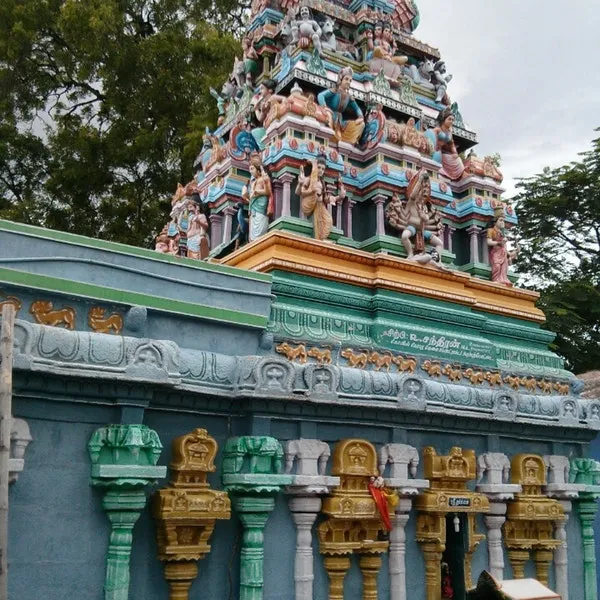
Aani therottam, celebrated for over a thousand years, takes place at Sri Chokkanathar Samedha Meenakshi Amman Kovil in Chokkalinga Puram. The car festival occurs in the Tamil month of Aani (late June or early July). Families from nearby villages gather to celebrate. Hindu pilgrims pray to the lord while on the roads, participating in a deeply devotional event. Each caste contributes by providing Mandagapadi to the temple every day, fostering unity among the Hindu community. During the festival, the areas around the temple become a hub of festivities. Families get together to enjoy the grand event, which is one of the largest in Aruppukottai. An exhibition is also held at Devangar Higher Secondary School, with various entertainment programs organized by all castes, including Chettiars, Saliyars, Mudaliyars, and Thevars.
Theppa Thiruvizha:
Aruppukottai has two theppams (artificial tanks to replenish groundwater) in the center of town. One is close to SBK schools, and the other is near Sri Chokkanadha Samedha Meenakshi Amman Kovil, Chokkalinga Puram. If the theppams are filled during the Karthigai month (mid-November to mid-December), theppa thiruvizha will be celebrated. On Karthigai day, the god will be placed on a car and floated in the theppam.
Panguni Thiruvizha:
Every year, the Panguni Thiruvizha town festival, similar to the famous Chithirai Pongal in Madurai, is celebrated at the Mariamman Temple. The month-long event features an exhibition, Agni Chatti fire-pot carrying, fire-walking, and other traditions. Some participants carry 21, 51, or even 101 fire pots. Many families return to Aruppukottai from other towns to take part in the mass celebration. The exhibition, held at the S.B.K. Higher Secondary School’s playground, provides a social gathering for relatives and friends to enjoy cultural programs and strengthen bonds within the community. This event is organized by the Aruppukottai Nadar Uravinmurai Trust.
Tourist Attraction of Aruppukottai City
Kalainathaswamy Temple:
Located at Pallimadam, this temple was built by Vira Pandya in memory of his brother, Sundara Pandya. The temple is known for its twelve-storeyed tower and delicate carvings. It is a unique funereal temple from the Pandya Nadu era.
Tirumeninathar Temple:
Located in Tiruchuzhiyal, this temple spans 45,000 square feet and is dedicated to Tirumeninathar. It hosts important festivals such as Brahmotsavam and the Amman Tapas festival, drawing many pilgrims.
Bhuminathaswamy Temple:
Situated on the banks of the Gundar River, this temple at Tiruchuli is among the 14 famous Shaiva centers in Pandya Nadu. It has undergone extensive renovations and has been venerated by famous saints.
Pallimadam:
A sepulchral shrine located on the outskirts of Tiruchuli, Pallimadam is the burial site of Sundara Pandya. The temple is unique to Pandya Nadu and is now known as Kalainathaswamy Kovil.
Ramana Maharishi Ashram:
Located at the birthplace of Sri Ramana Maharishi in Tiruchuli, this ashram was established in 1988. It offers a tranquil setting for followers of his teachings.
Aruppukkottai Town (Weaving Centre):
Famous for its weaving industry, Aruppukkottai is a hub for both handloom and powerloom products, producing silk sarees, cotton towels, lungis, and bed sheets.
Kullursandai Reservoir:
Located on the Kowsiga Mahanadi, this reservoir is being developed into a picnic spot with boating facilities, and it attracts water birds from August to February.
Guhanparai:
A hillock located near Kalugumalai, believed to have been used by Jain monks as a shelter. It features a 10th-century Vatteluttu inscription.
Irukkangudi:
Situated at the confluence of the Arjuna Nadi and Vaippar, this site is home to the Mariamman Temple, which hosts the famous Panguni Uttiram festival for 21 days every year.
Mariamman Koil:
Constructed in 1923, this temple celebrates the Panguni Uttiram festival, a key event for the local community.
Kamaraj’s House:
The birthplace of the great leader Kamaraj, now a memorial showcasing photographs, clothes, and articles used by him.
Sivakasi Town:
Famous for matchsticks, fireworks, and printing industries, Sivakasi produces 70% of India’s matches and fireworks and is renowned for its advanced printing units.
Tiruthangal:
An ancient town with continuous occupation since 4000 BC, it is home to the Ninranarayanaperumal Temple, one of the 108 sacred Vaishnava sites.
Vembakottai Reservoir:
A scenic spot ideal for picnics, offering boating facilities and surrounded by landscaped gardens.
Andal, Vadabadrasayi Koil:
Situated in Srivilliputur, this temple is one of the 108 Vaishnavite kshetras, dedicated to Lord Vishnu and Andal, the revered poetess and devotee of Lord Krishna.
Shenbagathope Grizzled Squirrel Sanctuary:
Spread over 480 sq. km, this sanctuary is home to the endangered grizzled giant squirrel and is located on the eastern slopes of the Western Ghats.
Pilavakkal Dam:
Pilavakkal Dam has two sections and is surrounded by landscaped gardens. Boating facilities are available, making it an ideal picnic spot.
Ayyanar Falls:
Located on the eastern slopes of the Western Ghats, Ayyanar Falls is a picturesque spot, best visited from September to January.
Hotels/Lodge/Accommodation in Aruppukottai City
Hotel K.P.R Residency:
A comfortable and budget-friendly hotel offering clean rooms, free Wi-Fi, and 24-hour room service, located in the heart of Aruppukottai City.
Sri Karpaga Virikesari Lodge:
This lodge provides economical accommodation with basic amenities for short stays. It is conveniently located near the bus stand.
Hotel Sri Vishnu Lodge:
A well-maintained lodge offering comfortable rooms with essential amenities such as air conditioning, located close to the main market area.
Hotel Saravana Bhavan:
Popular for its restaurant and clean rooms, this hotel offers affordable accommodation with a good range of facilities for travelers.
Hotel Aruppukottai Palace:
A recently opened hotel with modern rooms, complimentary breakfast, and easy access to tourist spots and transportation hubs.
Location info
Address: Triambakeshwar, Maharashtra, India
District: Nasik District
Nearest City: Trimbakeshwar
Best time to visit: During monsoon season
Best time to visit Aruppukottai City
November to February when the weather is pleasant with lower humidity. Evenings are ideal for exploring markets and food streets. Mornings are best for temple visits and sightseeing.
Timings & opening hours
The city is accessible 24/7. Major attractions within the city have their own visiting hours. Markets are typically open 10:00 AM–9:00 PM. Temples and religious sites open early morning to late evening.
Entry fee & tickets
Entry to the city is free. Specific attractions (temples, museums, parks) have separate entry fees ranging from INR 10–100 depending on the site.
Duration needed
1–2 days to explore the main attractions. A longer stay allows for deeper exploration of the city’s culture, cuisine, and nearby areas.
Safety tips
Standard city safety precautions apply. Keep valuables secure in crowded markets and public transport. Use registered taxis or app-based cab services. Avoid isolated areas after dark. Follow local customs and dress codes at religious sites.
Things to carry
- Comfortable Walking Shoes: City sightseeing involves significant walking.
- Water Bottle: Stay hydrated.
- Sunscreen and Hat: Protect against the sun.
- Camera: Document your tour.
- Power Bank: Keep devices charged.
- ID Proof: For hotel check-in.
Nearby visiting places
Other towns and cities in Tamil Nadu, historical sites, temples, and natural attractions within a 50–100 km radius.
Nearest airport, railway & bus
Nearest airport: the city’s own airport or the nearest regional airport. The city has a railway station with express train connectivity. Well-connected by state and private bus services to all major cities.
Mobile network coverage
Airtel, Jio, BSNL, and Vi all provide coverage across Tamil Nadu. 4G is reliable in Chennai, Coimbatore, Madurai, and along major highways. Coverage may be weaker in remote sections of the Western Ghats, deep forest reserves, and certain rural interior areas. Free Wi-Fi is widely available in hotels and cafes in urban areas.
Food & restaurants nearby
Aruppukottai City offers traditional Tamil Nadu restaurants and multi-cuisine eateries.
Things to do at Aruppukottai City
Explore the city’s historic temples and heritage buildings that showcase Tamil architecture. Visit local markets for traditional crafts, textiles, and local produce. Sample the diverse Tamil cuisine at local restaurants and street food stalls.
Things to visit & highlights
The city’s main temple or historic landmark, its bustling market areas, local parks, and cultural institutions. The surrounding residential and commercial areas reflect the city’s character and daily life.
Helpline & emergency contacts
Tourist Helpline: 1364. Police: 112. Ambulance: 108. City has government hospitals, private clinics, and 24-hour pharmacy services.
Nearest petrol pump
Multiple petrol pumps are available throughout the city. Major fuel stations (Indian Oil, Bharat Petroleum, HPCL, Reliance) operate in all parts of the city.
Frequently asked questions
What is the best time to visit Aruppukottai City? November to February offers the most pleasant weather. Evenings are ideal for exploring the city’s markets and food scene.
How can I get around Aruppukottai City? Local buses, auto-rickshaws, and app-based cab services are widely available. Auto-rickshaws are the most convenient for short distances.
What are the must-try local foods in Aruppukottai City? Traditional Tamil dishes like idli, dosa, vada, sambar, and filter coffee are must-tries. Local specialities vary by city — ask for regional specialities.
How to reach Aruppukottai City
By Air: The nearest airport to Aruppukottai is Madurai International Airport, which is approximately 50 km away. From the airport, taxis and buses are available to reach the city.By Train: Aruppukottai has its own railway station, which connects to major towns and cities in Tamil Nadu. Regular trains are available from Madurai and other nearby cities.By Road: Aruppukottai is well connected by road via National Highway 38. There are frequent buses from Madurai, Virudhunagar, and other nearby towns. Private cabs and taxis are also available.
Map & location view
This section is being updated and will be available shortly.
Photo gallery of Aruppukottai City
Video gallery
Related destinations
Chennai City
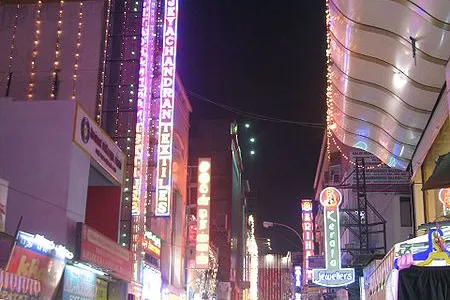
Chennai is the largest city in Tamil Nadu and is located on the southeastern coast of India. The city was formerly known as Madras and was established by the…
Chidambaram City
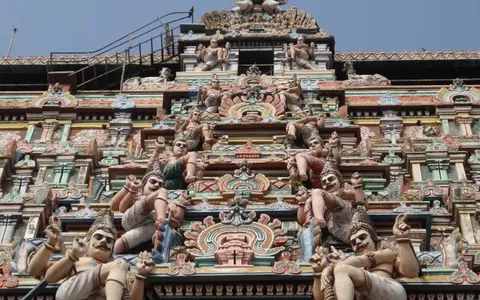
Chidambaram is 250 Kms south of Chennai. This is a medium sized town with all facilities. The value of the town is enhanced not only by the temple but also by the…
Coimbatore City
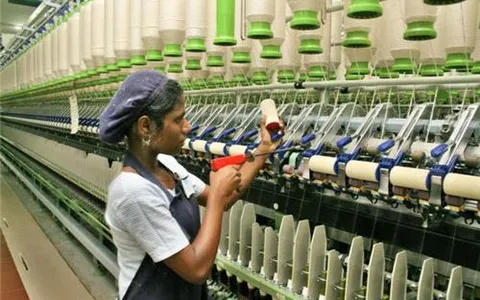
Coimbatore, popularly known as Manchester of South India, is situated in the western part of the state of Tamil Nadu. Covering an extent of 105.6 sq.km., Coimbatore…