Ghumura Dance
Ghumura Dance is a traditional folk dance originating from Kalahandi district in Odisha, gaining popularity across the western parts of the state. This vibrant dance is performed by dancers wearing indigenous attire, representing the rich folk culture of Odisha. Many believe that Ghumura was originally a war dance, intended to energize and provoke warriors, and legend has it that even Ravana performed this dance in the epic Ramayana.
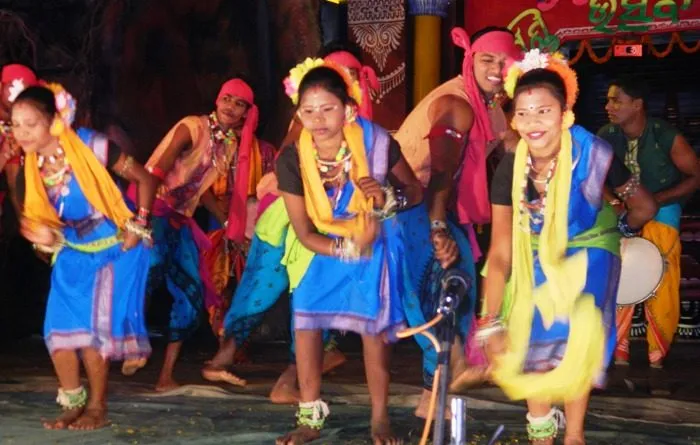
About Ghumura Dance
The dance’s ancient roots can be seen in the carvings at the Sun Temple of Konark, which depict Ghumura, signifying its deep historical and cultural significance. Although primarily performed in villages in southwestern Odisha, there is an ongoing effort to popularize and preserve the unique legacy of Ghumura in the Kalahandi region.
Location Information of Ghumura Dance
- Origin: Ghumura Dance originates from the Kalahandi district in the western part of Odisha, India.
- Primary Regions: This dance is popular in Kalahandi and is also performed in other districts of southwestern Odisha, including Balangir, Nuapada, and Nabarangpur.
- Occasions: Traditionally performed during festivals, cultural events, and ceremonies, especially during regional festivals in Odisha.
- Nearby Cultural Sites: The Sun Temple of Konark, which features carvings of Ghumura Dance, is an important cultural landmark associated with its history.
- Best Time to Witness: The best time to experience Ghumura Dance performances is during Odisha’s annual cultural festivals, such as the Kalahandi Utsav and the Chhau Festival, where this dance is frequently showcased.
Ghumura Dance is deeply rooted in Odisha’s southwestern districts, particularly Kalahandi, where efforts continue to preserve and promote its cultural significance.
Climate/Weather in Regions of Ghumura Dance
The regions where Ghumura Dance is most popular, particularly in Kalahandi and the surrounding southwestern districts of Odisha, experience a tropical climate with three main seasons:
- Summer (March to June): Summers are typically hot, with temperatures ranging from 30°C to 45°C (86°F to 113°F). The heat peaks in May, and visitors should plan accordingly if traveling during this season.
- Monsoon (July to September): The area experiences a moderate to heavy monsoon season, with an average annual rainfall of around 1300 mm. The rains bring relief from the heat but can make rural areas harder to access due to muddy roads.
- Winter (October to February): Winters are mild and pleasant, with temperatures ranging from 15°C to 25°C (59°F to 77°F). This is the ideal season to visit Kalahandi and other nearby districts, as the weather is comfortable for outdoor cultural events and festivals.
The best time to experience Ghumura Dance performances is during the winter months, from October to February, when festivals like Kalahandi Utsav are held in a cooler, more enjoyable climate.
History of Ghumura Dance
Ghumura Dance has ancient roots that trace back to tribal and martial traditions in the Kalahandi district of Odisha. It is believed to have originated as a war dance, intended to boost the morale of warriors before battle. The dance is named after the “Ghumura” drum, a distinctive instrument made of clay and leather, which produces a deep, resonant sound that has historically been associated with both cultural and martial activities.
According to local legends, even Ravana, the king of Lanka in the Ramayana, performed this dance to invoke strength and valor before his battles. The carvings on the Sun Temple at Konark also depict scenes of Ghumura, suggesting that the dance has been an integral part of Odisha’s cultural heritage for centuries.
Over time, Ghumura Dance transitioned from a war ritual to a celebrated folk dance, retaining its themes of bravery, strength, and unity. Today, it is performed during festivals, cultural events, and special ceremonies in Odisha, particularly in the southwestern districts of Kalahandi, Balangir, and Nuapada. Efforts are ongoing to preserve and promote Ghumura Dance, recognizing it as a symbol of Odisha’s rich cultural legacy.
In recent years, the dance has gained recognition beyond Odisha, featuring in national festivals and cultural programs, where it captivates audiences with its powerful rhythm, vibrant costumes, and historical significance.
Languages in Ghumura Dance
Ghumura Dance is primarily performed in the language of Odia, which is the official language of Odisha and deeply rooted in the culture of the region. In addition to Odia, other languages like Hindi, English, and Bengali are occasionally used in performances, especially when the dance is presented to diverse audiences outside Odisha or in larger cultural festivals.
While the traditional songs and narrations in Ghumura Dance are often in Odia, the inclusion of Hindi, English, and Bengali helps make the dance accessible to a wider audience, allowing people from different linguistic backgrounds to connect with its themes of bravery, folklore, and mythology.
This multilingual adaptation of Ghumura Dance helps to promote and preserve the dance form while also introducing it to new audiences across India.
Dance Form of Ghumura
Ghumura is a traditional folk dance form that combines elements of martial art, rhythm, and folklore. Originating from Odisha, Ghumura Dance is known for its energetic movements, powerful drumming, and warrior-like expressions. Traditionally, it is performed exclusively by male dancers who wear colorful indigenous attire and headgear that often includes feathers and decorative items, symbolizing valor and cultural pride.
The dancers carry the distinctive Ghumura drum, a large clay and leather instrument that they beat rhythmically while dancing. The sound of the Ghumura drum is deep and resonant, adding intensity to the dance as performers move in synchronized steps and formations that resemble ancient battle scenes. The movements are often fast-paced and involve complex footwork, jumps, and body gestures that convey themes of bravery and strength.
Ghumura Dance has evolved from a war dance into a vibrant folk performance, retaining its martial undertones. The dance is now an integral part of Odisha’s cultural events, where it showcases the state’s rich heritage. Its captivating rhythm, combined with the symbolic attire and intense movements, makes Ghumura a unique dance form that resonates deeply with both performers and audiences.
Classical Elements in Ghumura Dance
Though Ghumura Dance is often mistaken for a classical dance due to its rich history and cultural depth, it is actually a folk dance with unique classical elements. Unlike classical dances such as Odissi, which adhere to strict rules and intricate techniques documented in classical dance texts, Ghumura Dance is rooted in tribal and folk traditions, focusing more on martial rhythms and community expression.
However, Ghumura Dance does share certain classical attributes:
- Expressive Movements: Ghumura Dance includes expressions of valor and strength, much like classical dance’s use of facial expressions (abhinaya) to convey emotions and stories.
- Structured Rhythms: The dance employs rhythmic patterns through the Ghumura drum, which, while not as structured as in classical forms, brings a powerful, organized rhythm that resembles classical beats.
- Storytelling Aspect: Ghumura often depicts tales of bravery and mythology, aligning with the storytelling component in classical dance forms.
While Ghumura Dance contains these classical-like elements, it remains a folk dance at its core, celebrated for its spontaneous, energetic movements and its origins in community life rather than a codified classical tradition. Its appeal lies in its raw energy and cultural authenticity, making it distinct from Odisha’s classical dances such as Odissi.
Nearest Visiting Places from Ghumura Dance Regions
- Bhawanipatna: The district headquarters of Kalahandi, Bhawanipatna is known for its ancient temples, including Manikeswari Temple, which is a major pilgrimage site. The town often hosts cultural events featuring Ghumura Dance, especially during the Kalahandi Utsav.
- Asurgarh Fort: Located about 35 km from Bhawanipatna, Asurgarh is an ancient fort with historical significance dating back to early tribal kingdoms in Odisha. The fort offers a glimpse into Odisha’s rich archaeological heritage.
- Phurlijharan Waterfall: A scenic waterfall located approximately 15 km from Bhawanipatna, Phurlijharan is popular for its beautiful surroundings and the clear blue water cascading from a height of 30 feet. It’s a great spot for picnics and nature lovers.
- Rabandhara Waterfall: About 12 km from Bhawanipatna, Rabandhara is a lesser-known yet serene waterfall surrounded by lush greenery. The spot is ideal for a quiet retreat and nature photography.
- Dokarichanchara Waterfall: Situated roughly 40 km from Bhawanipatna, this waterfall flows amidst dense forests and offers a peaceful environment for visitors seeking adventure and scenic beauty.
- Karlapat Wildlife Sanctuary: Located around 35 km from Bhawanipatna, Karlapat Wildlife Sanctuary is known for its diverse wildlife, including elephants, leopards, and deer. It’s a good spot for nature enthusiasts and bird watchers.
- Belkhandi Temple and Museum: Situated at the confluence of rivers Tel and Uttei, this temple complex and museum display ancient artifacts, sculptures, and inscriptions, showcasing the region’s historical richness.
These nearby attractions offer a mix of historical, natural, and cultural experiences, making a visit to the Ghumura Dance regions of Kalahandi an enriching journey into Odisha’s heritage.
Nearest Petrol Pumps Near Ghumura Dance Regions
- Indian Oil Petrol Pump, Bhawanipatna: Located in the center of Bhawanipatna town, this petrol pump offers fuel and basic amenities for travelers. It is a convenient stop for those exploring the Kalahandi district and nearby areas.
- Bharat Petroleum, Kesinga: Situated about 25 km from Bhawanipatna on NH-26, this pump serves travelers on the way to Bhawanipatna and surrounding regions where Ghumura Dance is performed.
- HP Petrol Pump, Junagarh: Located approximately 20 km from Bhawanipatna in Junagarh, this pump provides fuel and a small convenience store, ideal for those traveling to nearby tourist spots like Asurgarh Fort and Rabandhara Waterfall.
- Indian Oil Petrol Pump, Balangir: For those coming from Balangir district, about 80 km from Bhawanipatna, this petrol pump is a convenient refueling stop on the way to Kalahandi.
It’s advisable to refuel in these towns before heading into more rural or remote areas to ensure a smooth journey, as fuel stations may be sparse in village areas.
Hotels/Lodges/Accommodations Near Ghumura Dance Regions
- Hotel Bhagirathi, Bhawanipatna: A budget-friendly hotel located in the center of Bhawanipatna, offering basic amenities and comfortable rooms. Ideal for travelers looking for affordable accommodation close to cultural spots.
- Panth Nivas, Bhawanipatna (OTDC): Managed by the Odisha Tourism Development Corporation (OTDC), this government-run guesthouse provides clean rooms and essential amenities, with an onsite restaurant. It’s a popular choice for tourists and conveniently located near cultural sites.
- Hotel Kalahandi Palace, Bhawanipatna: A mid-range hotel offering modern amenities, spacious rooms, and an on-site restaurant. This hotel is suitable for families and groups looking for comfort while exploring Kalahandi’s attractions.
- Guest Houses in Junagarh: Located around 20 km from Bhawanipatna, Junagarh has a few small guest houses for travelers visiting sites like Asurgarh Fort and nearby waterfalls. These are basic accommodations suited for short stays.
- Hotel Sai International, Kesinga: Situated about 25 km from Bhawanipatna, this hotel offers clean rooms, a restaurant, and parking facilities, making it a convenient option for those exploring the Kalahandi district and beyond.
These accommodations provide a range of options from budget to mid-range, suitable for tourists visiting the Ghumura Dance regions of Kalahandi. Booking in advance is recommended, especially during festival seasons when cultural events are held.
Things to Carry for Visiting Ghumura Dance Regions
- Comfortable Clothing: Wear breathable, lightweight clothes, especially if traveling in the warmer months, and pack a light jacket for the evenings during winter.
- Sturdy Footwear: Comfortable walking shoes or sandals are recommended, as exploring villages and historical sites may involve some walking on uneven terrain.
- Insect Repellent: Essential for areas with high vegetation, especially if traveling during the monsoon season when mosquitoes and insects are more prevalent.
- Water Bottle: Carry a refillable water bottle to stay hydrated, as some areas may not have easy access to bottled water.
- Snacks: Pack light snacks, as food options may be limited in remote or rural areas near cultural sites.
- Camera and Binoculars: Bring a camera to capture the vibrant Ghumura Dance performances and binoculars for sightseeing in natural and wildlife areas like nearby waterfalls and sanctuaries.
- Personal Identification and Cash: Carry ID and some cash, as ATMs and digital payments may not be available in village areas.
- Sun Protection: Sunscreen, sunglasses, and a hat are essential to protect against sun exposure, especially during outdoor events and sightseeing.
- First Aid Kit: A small kit with band-aids, antiseptic, and any necessary personal medications is advisable for travel in rural regions.
Carrying these essentials will ensure a comfortable and enjoyable experience while exploring the regions and cultural events associated with Ghumura Dance.
Tips & Suggestions for Visiting Ghumura Dance Regions
- Best Time to Visit: The ideal time to witness Ghumura Dance is during cultural festivals like Kalahandi Utsav, usually held between October and February. This season offers pleasant weather and vibrant cultural events.
- Respect Local Traditions: Ghumura Dance is deeply rooted in local traditions. Observe respectfully, avoid interrupting performances, and ask permission before photographing dancers or rituals.
- Prepare for Limited Connectivity: Many rural areas in Kalahandi have limited mobile network coverage. Inform family or friends in advance and plan for connectivity gaps during your visit.
- Carry Essentials: Bring water, snacks, cash, and personal identification. Many rural areas may not have easy access to ATMs, convenience stores, or restaurants.
- Hire Local Guides: For a deeper understanding of Ghumura Dance and its history, consider hiring a local guide. They can offer insights into the cultural significance of the dance and help navigate the area’s cultural landmarks.
- Plan for Remote Travel: Roads to villages where Ghumura Dance is performed may be rugged. Renting a sturdy vehicle or using local transportation services is advisable for a smoother journey.
- Dress Modestly: When visiting rural areas or attending cultural performances, dress respectfully in modest attire, which shows appreciation for the local customs.
- Be Mindful of the Environment: Avoid littering and help preserve the natural beauty of the region by disposing of waste responsibly. Many Ghumura Dance areas are near scenic locations like waterfalls and forests.
Following these tips will enhance your experience while respecting the cultural and environmental aspects of Ghumura Dance regions.
Help Line/Phone Numbers for Ghumura Dance Regions
- Local Police Station (Bhawanipatna): +91-6670-230500
- Odisha Tourism Information Center (Bhubaneswar): +91-674-2432177
- Emergency Medical Services: 108 (National Ambulance Service)
- Forest Department (Karlapat Wildlife Sanctuary): +91-6670-235555
- Fire and Rescue Services: 101
- Nearest Hospital (District Hospital, Bhawanipatna): +91-6670-234210
These contact numbers are essential for emergency assistance, local information, and support while visiting Ghumura Dance regions in Kalahandi. It’s advisable to keep these numbers handy for any travel-related needs.
Copyright 2016 HolidayLandmark All rights reserved
Mobile network coverage
Airtel, Jio, BSNL, and Vi all provide coverage across Odisha. 4G is reliable in Bhubaneswar, Puri, Cuttack, and along the Golden Triangle tourist circuit. Coverage may be weaker in remote tribal areas, interior forests, and certain coastal stretches. Most hotels in tourist areas offer free Wi-Fi.
Food & restaurants nearby
Food options are available in the nearest town. Odia thali, temple prasad, and local snacks like chhena poda are regional specialities.
Best time to visit Ghumura Dance
Cultural festivals (November–March) offer the best opportunities to see authentic performances. Major dance festivals like Konark Dance Festival and Odissi International Festival showcase the finest performances.
Timings & opening hours
Performance timings vary by event and festival. Major cultural festivals feature scheduled performances usually in the evening (6:00 PM–9:00 PM).
Entry fee & tickets
Entry fees vary by venue and event. Government-organized festivals often have free entry or nominal ticketing. Private performances may have ticket prices ranging from ₹100–₹500.
Duration needed
A typical performance lasts 1–2 hours. Cultural festival attendance may span an entire evening.
Safety tips
Standard safety for evening events applies. Keep valuables secure. Use registered transport for travel to and from performance venues at night.
Nearest airport, railway & bus
Nearest Airport: Biju Patnaik International Airport, Bhubaneswar (depending on venue). Nearest Railway Station: Bhubaneswar or Puri Railway Station. Nearest Bus Stand: Depends on the venue city.
Things to do at Ghumura Dance
Watch a live performance to experience the grace and storytelling of the dance form, attend workshops or demonstrations where available, and learn about the costumes, music, and cultural significance of the dance.
Things to visit & highlights
Cultural venues and auditoriums in Bhubaneswar, Puri, and Konark. The Odisha Dance Academy and cultural centres offer regular performances. During festivals, temporary stages are set up in temple complexes and public squares.
Frequently asked questions
Where can I see Ghumura Dance performances? Performances are held at cultural venues in Bhubaneswar, Puri, and Konark. Major festivals like Konark Dance Festival and state-organised cultural events feature this dance form.
What is the best time to see this dance? The winter festival season (November–March) offers the best opportunities with multiple cultural festivals and special performances.
Can I attend workshops to learn this dance? Some cultural institutions in Bhubaneswar offer workshops and short-term courses in traditional Odisha dance forms for enthusiasts.
Quick facts
- Type: Destination
- State: Odisha
- Category: Dance Forms
How to reach Ghumura Dance
Ghumura Dance is most prominently performed in the Kalahandi district and nearby regions in Odisha, especially during local festivals and cultural events. Here’s how you can reach this area: By Air: The nearest airport to Kalahandi is Swami Vivekananda Airport in Raipur, Chhattisgarh, approximately 260 km away. From the airport, you can hire a taxi or take a bus to Bhawanipatna, the district headquarters of Kalahandi. By Train: The closest major railway station is Bhawanipatna Railway Station, which is well-connected to major cities in Odisha and neighboring states. Bhawanipatna is a convenient base for experiencing Ghumura Dance in the surrounding villages and towns. By Road: Kalahandi is well-connected by road: From Bhubaneswar: Approximately 430 km via NH-16 and NH-26. State-run and private buses are available from Bhubaneswar to Bhawanipatna. From Raipur: About 260 km via NH-130. Buses and rental cars are available for this route, providing easy access from Chhattisgarh. Local Transportation: Once in Bhawanipatna, local transportation options such as taxis, auto-rickshaws, and buses are available to explore nearby villages and venues where Ghumura Dance is performed. From Bhubaneswar: Approximately 430 km via NH-16 and NH-26. State-run and private buses are available from Bhubaneswar to Bhawanipatna. From Raipur: About 260 km via NH-130. Buses and rental cars are available for this route, providing easy access from Chhattisgarh. The best time to visit Kalahandi for Ghumura Dance is during cultural festivals like the Kalahandi Utsav, where the dance is frequently showcased. Visiting during these festivals ensures a more vibrant experience of Odisha’s folk culture.
Map & location view
This section is being updated and will be available shortly.
Photo gallery of Ghumura Dance
Video gallery
Related destinations
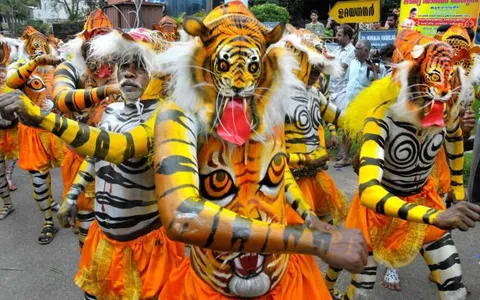
Baagh Naach
Baagh naach also known as Tiger dance is a folk dance form which is widely enjoyed by the peoples of Odisha. This dance form is generally performed in Binka…
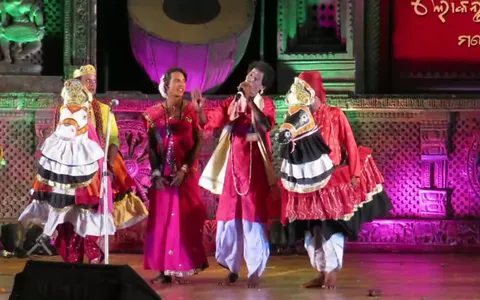
Chaiti Ghoda Dance
Chaiti Ghoda Dance is closely associated with the power sect of coastal areas, and the performance features a diverse display team comprising both male and female…
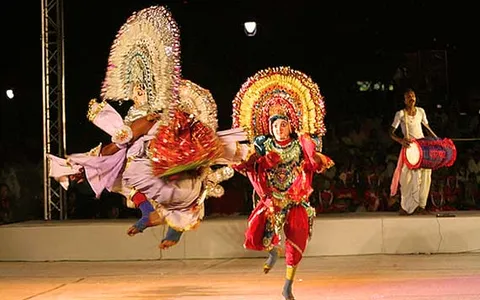
Chhau Dance
One of the ancient dance forms of Chhau Dancing. It was originated from Mayurbhanj district of Odisha. This dance was established during the fake fights of the…