Bhimashankar Wildlife Sanctuary
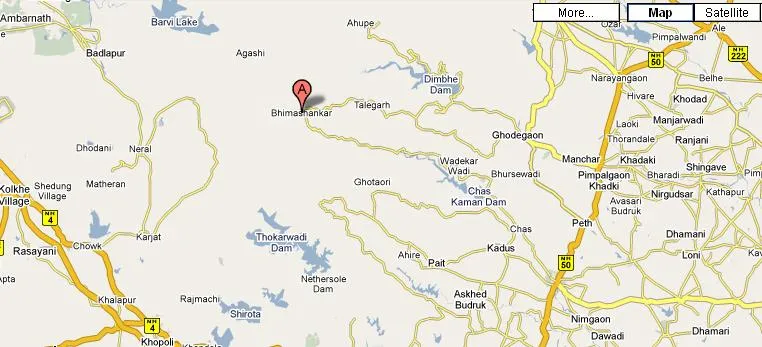
The sanctuary is located in the northern part of the Western Ghats. It is spread over three districts Pune, Thane and Raigad. There is a shrine in the forest with the Jyotirlinga, temple of Lord Shiva. Two major tributaries of river Krishna namely Bhima and Ghod originate from this area. The valley is a splendid combination of plant and animal life.Enclosed in the majestic Western Ghats, the Bhimashankar Wildlife Sanctuary is one of the greatest of all wildlife sanctuaries. It is literally the…
About Bhimashankar Wildlife Sanctuary
The sanctuary is located in the northern part of the Western Ghats. It is spread over three districts Pune, Thane and Raigad. There is a shrine in the forest with the Jyotirlinga, temple of Lord Shiva. Two major tributaries of river Krishna namely Bhima and Ghod originate from this area. The valley is a splendid combination of plant and animal life.Enclosed in the majestic Western Ghats, the Bhimashankar Wildlife Sanctuary is one of the greatest of all wildlife sanctuaries. It is literally the heaven of all national parks. It is one of the greatest places where the flora and fauna reach their best of form. Its rich collection of vegetation and wild life is a real asset for any wildlife sanctuary Populated with a variety of animals and vegetation, the Bhimashankar wildlife sanctuary proves itself to be the real tourist spot for the nature lovers.The beauty of the Western Ghats, the majesty of Maharastra, and the blessings of nature make this place a real treat for the nature lovers. The Bhimashankar Wildlife Sanctuary is one of the most beautiful wildlife sanctuaries in India. Covering an area of approximately 104 square kilometers, the Bhimashankar wildlife sanctuary is a majestic place to visit for the nature lovers. It is located in the Chandrapur district of Maharastra.
Biodiversity
Bhimashankar is a home to a relic of near virgin forest in the Northern part of the Western Ghats. It is of added significance as two measure tributaries of river Krishna namely river Bhima and Ghod originate from this areas. Bhimashankar forest harbors many threatened and endangered faunal elements like giant Indian squirrel, panther etc.
Flora
The main forest of this sanctuary is the southern tropical semi evergreen forest. Tourists can find wide range of plant life, magical herbs, and shrubs. Dominant species are Mango, Jamun, Hirda, Behda, Bamboo, Shrub, Herbs, Climber, Grass, and Fern.
Fauna
The area is rich in fauna since there is variety of forest types in the sanctuary. The wild life found here includes Leopards, Barking Deer, Sambar, Wild Boar, Langur, and Hyena. Among the birds one will be able to find Malabar Grey Hornbill, Quaker Babbler, Malabar Whistling Thrush, Green Pigeon, Black Eagle, Grey Jungle Fowl and many, many more. One might get to see the great butterfly brigade and Malabar Giant Squirrel, one of the largest of tree squirrels found over here, well over three feet long.
Climate/Weather
The climate in Bhimashankar Wildlife Sanctuary is wet. It receives quite a bit of rainfall during the monsoons, which ranges form mid-June to September.
Interesting things to do
The wide variety of animal species which are found in the Bhimashankar Wildlife Sanctuary in Maharashtra and worth watching consists of barking deer,leopards, wild boar, sambar, hyena and langur. The Bhimashankar Wildlife Sanctuary has a big number of birds like the Quaker Babbler, the Malabar Grey Hornbill, the Green Pigeon, the Malabar Whistling Thrush, the Black Eagle, the Grey Jungle fowl and many more species of birds.
Main attraction : The giant Indian Squirell (Shekru) and the Hyneas, one of the largest of tree squirrels found over here, well over three feet long.
Interesting things to Visit
Temple of Lord Shiva, Bombay point, Nagphani point, Hanuman tank, Vanaspati point, Gupt Bhimashankar are important tourist attraction within the sanctuary. Devotees of Lord Shiva visit the temple in thousands on the day of Mahashivratri and in the Shravan month (Hindu calendar, corresponding roughly to July-August) on every Monday.
Dimbhe dam is a picnic spot 40kms from Sanctuary on Manchar-Bhimashnakar road.
The other attractions of the Bhimashankar Wildlife Sanctuary are Bombay Point, Nagphani Point, Hanuman Tank, Vanaspati Point, and Gupt Bhimashankar.
Nearest Visiting places
A temple of Lord Shiva. Devotees of Lord Shiva visit this temple in thousands on the day of Maha Shivaratri and on every Monday in the Shravan month (July-August).Bombay Point, Nagphani Point, Hanuman Tank, Vanaspati Point, and Gupt Bhimashankar.Dimbhe dam is a picnic spot 40-kms from sanctuary on Manchar-Bhimashnakar road. Along with the Bhimashanker temple trek one can also trek up to Hanuman Khada for a superb view of the plains below and the surrounding Western Ghats.
Dimbhe dam is a picnic spot 40kms from Sanctuary on Manchar-Bhimashnakar road.
Other places of interests include:
Rajmachi Fort
Kondana Caves Archaeological Buddhist Caves B.C. 250
Khandpe
Bahiri Caves
Peb Fort
Chanderi Hill
Peth Fort
Sagunabaug
All the places above are situated in or around Karjat, Raigad Dictrict.
Hotels/Lodge/Accommodation
Apart of farm Houses, Outside the sanctuary, there are plenty of choices available as per the budget of tourists. Some of them are mentioned below.
Raj’s Cottage
Shri Radha Krishna
Royal Garden
Hotel Asara
Hotel Mayura
Hotel Shraddha
Rotary Club : 222059,223992,222230,9850767262
Help Line/Phone Number
The district of Thane to the North East of Mumbai offers a unique hill station of Jawahar. A distance of 125 miles from Mumbai, the hill station is closer to Nahsik though. The area was a major tribal kingdom of Maharashtra. You can get the feel of the tribal life by visiting few protected tribal villages of the region and those with nimble fingers can learn a trade or two……more
Copyright 2016 HolidayLandmark All rights reserved
Location info
Address: The Bhimashankar Wildlife Sanctuary is positioned at an altitude of 2100 feet to 3800 feet, and is spread over the districts of Pune, Raigad and Thane districts of the north-western part of Maharashtra.
-
District: Thane, Pune, Raigad
-
Nearest City: Ambegaon taluka of Pune District
Best time to visit: The best Time to visit Bhimashankar Wildlife Sanctuary is from the month of October to the month of May. The climate during this period remains predictable and comfortable.
Mobile network coverage
Mobile coverage in districts of thane, pune and Raigadh.
Things to carry
Carrying a tour guide book will work wonder. It will help you gaining heaps of information about the region, which will definitely add delight to your touring experience.
Equip yourself with all necessary amenities like trekking kit, cameras and binoculars.
Always put a personal first-aid-box in your bag.
And plenty of water.
Tips & suggestions
Wear loose fitting and simple clothes that blend with the sanctuary surroundings.
Best time to visit Bhimashankar Wildlife Sanctuary
October to June: best wildlife sightings in dry months (March–June). Parks are closed during peak monsoon (July–September).
Timings & opening hours
Open from sunrise to sunset. Safari timings are typically 6:00 AM to 10:00 AM and 3:00 PM to 6:00 PM.
Entry fee & tickets
INR 50–200 per person for Indian nationals, INR 500–1500 for foreign nationals. Safari vehicle charges extra (INR 1000–3000).
Duration needed
3–4 hours for a jeep safari. Full-day safaris are available at major parks like Tadoba and Pench.
Safety tips
Follow safari rules — stay inside the vehicle at all times. Do not feed or tease animals. Maintain silence. Wear earth-coloured clothing. Follow your guide’s instructions. Carry insect repellent and first-aid kit.
Nearest airport, railway & bus
Nearest airport: Nagpur International Airport (NAG) or nearest city airport. Nearest railway station: Chandrapur or nearest station. Accessible by road from nearest city.
Food & restaurants nearby
Food options are available in the nearest town. Maharashtrian cuisine — missal pav, vada pav, puran poli, and local thalis — is widely available.
History of Bhimashankar Wildlife Sanctuary
This national park was established to protect the region’s biodiversity and wildlife. It is part of Maharashtra’s network of protected areas that preserve the state’s natural heritage.
Nearest petrol pump
Petrol pumps are available in the nearest town or on the approach road to Bhimashankar Wildlife Sanctuary. It is advisable to fill fuel before heading to remote areas, especially hill forts and wildlife sanctuaries.
Frequently asked questions
What is the best time to visit? October to June is the safari season. Parks are typically closed during monsoon (July–September). The dry months (March–June) offer the best wildlife sightings.
How do I book a safari? Safari tickets can be booked online through the official forest department portal. Advance booking is recommended, especially for popular zones.
What animals can I expect to see? Depending on the park, you can see tigers, leopards, sloth bears, wild dogs, gaurs, sambars, chitals, and numerous bird species.
Accessibility
Accessibility information is not currently available for this site. Contact the venue directly or check with your accommodation for the latest accessibility details.
Rules & restrictions
Standard visitor rules apply. Check locally for any specific restrictions at this site.
Best photography spots
The best photography spots are typically during the golden hours (early morning and late afternoon). Scout the location first to identify the best angles, and consider the direction of light at different times of day.
Quick facts
- Location: Maharashtra
- Best time to visit: October to March for ideal wildlife sightings
- Ideal duration: Half day to full day for a complete experience
- Safari timings: Early morning and late afternoon shifts available
- Entry: Entry fee applicable for Indian and foreign tourists
- Accommodation: Forest lodges and resorts available nearby
Visitor information
- Timings: Generally open from sunrise to sunset. Verify local timings before planning your visit.
- Entry fee: Entry and safari charges applicable. Advance booking recommended during weekends.
- Best time to visit: October to March for the most comfortable weather conditions.
- Duration needed: 1 to 2 hours recommended for a comfortable visit.
Map & location view
- Destination: Bhimashankar Wildlife Sanctuary
- State: Maharashtra, India
- Location details: Karjat Railway Station, sub-district in Raigad district is the nearest railhead; Pune Airport(Lohegaon), Address: Airports Authority of India, Civil Enclave, Pune Airport, Lohogaon,,Pune - 411032, Maharashtra (India)Road Transport: S T Bus Depot (Gundage) : 220371, 222076, 222085Also, Two very exciting routes to get there- One a scenic & long route called the “Ganpat vat”, named after the Ganesh temple enroute
- Region: forest and wildlife region of Maharashtra
- How to reach: Accessible by road from nearby towns and cities. Local transport options include buses and taxis.
- Google Maps: Search for “Bhimashankar Wildlife Sanctuary, Maharashtra” on Google Maps for precise directions and navigation.
Photo gallery of Bhimashankar Wildlife Sanctuary
Photos coming soon. In the meantime, you can find images of Bhimashankar Wildlife Sanctuary on popular travel photography sites and social media.
How to reach Bhimashankar Wildlife Sanctuary
Nearest Railway Station: Karjat Railway Station, sub-district in Raigad district is the nearest railhead.Telephone Enq: 02148-139Nearest Airport: Pune Airport(Lohegaon), Address: Airports Authority of India, Civil Enclave, Pune Airport, Lohogaon,,Pune - 411032, Maharashtra (India)Road Transport: S T Bus Depot (Gundage) : 220371, 222076, 222085Also, Two very exciting routes to get there- One a scenic & long route called the "Ganpat vat", named after the Ganesh temple enroute. The other, a trekers dream called the "Sheedi Vat" due to the ladders on the way. A techincal climb & a must for those seeking some adrenalin rush. Amatuers can alos do this, but I suggect taking a guide from the village at the base.Contacts & Suggestions Dy.Conservator of Forests (Wildlife) Pune,New PMT Building, 3rd Floor, Shankarseth Road, Swarget Pune-411 042 020-4471465(O), 5512303(R)
Photo gallery of Bhimashankar Wildlife Sanctuary
Video gallery
Related destinations

Anerdam Wildlife Sanctuary
Located in Shirpur Tehsil of Dhule District on the southwestern range of Satpura range, the Anerdam wildlife sanctuary is one of the most famous sanctuaries in…
Bhamragarh Wildlife Sanctury
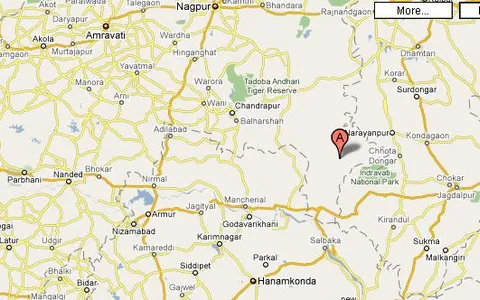
The Bhamragarh Wildlife Sanctuary is one of the most beautiful wildlife sanctuaries in India. Covering an area of approximately 104 square kilometers, the…
Bor Wildlife Sanctury
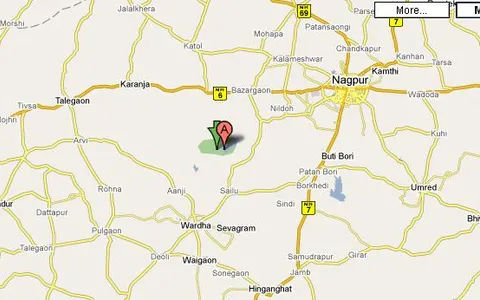
The Bor Wildlife Sanctuary is a renowned sanctuary in the state of Maharashtra.It is located in Hingni in Wardha of Vidarbha region, covering an area of…