Dabhosa Waterfall
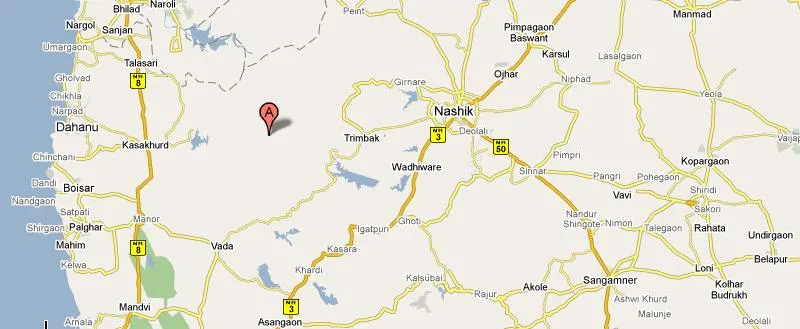
Dabhosa Waterfall is a seasonal fall in Thane District of Maharashtra. This 300 ft high waterfall is on Jawhar-Silvassa road, about 18 km from Jawhar. The fall is at its peak capacity during the rainy season. The entire depth of the fall can only be witnessed from a flat summit near the fall.Dabhosa Waterfall can be approached by trudging ones way through an uneven road from Dabhosa village.Overlooking the magnificent Dabhosa waterfall, it is the exotic campsite. The waterfall is a sight to be…
About Dabhosa Waterfall
Dabhosa Waterfall is a seasonal fall in Thane District of Maharashtra. This 300 ft high waterfall is on Jawhar-Silvassa road, about 18 km from Jawhar. The fall is at its peak capacity during the rainy season. The entire depth of the fall can only be witnessed from a flat summit near the fall.Dabhosa Waterfall can be approached by trudging ones way through an uneven road from Dabhosa village.Overlooking the magnificent Dabhosa waterfall, it is the exotic campsite. The waterfall is a sight to be seen in the monsoons when it roars all the way down its 300 ft height.Overlooking the magnificent Dabhosa waterfall, it is the exotic campsite. The waterfall is situated at a distance of 16 kms (near Dabhosa village) from Jawhar towards Silvassa. After a certain point, the road to this waterfalls is a kuccha (uneven) road that goes through Dabhosa village.
History
Dabhosa Waterfall, located near Jawhar, has been an important part of the local landscape for centuries. The waterfall is nestled within the Sahyadri mountain range and has long been revered by the local tribes, particularly the Warli tribe, who inhabit the surrounding areas. The waterfall and its nearby regions are rich in cultural heritage, with Warli art being one of the most significant contributions of the local community.
The region around Dabhosa was historically under the rule of the Maratha Empire and has been mentioned in the chronicles of regional rulers who admired its natural beauty. Over time, the area gained popularity among trekkers and adventure enthusiasts, especially with the rise of eco-tourism in the late 20th century.
Today, Dabhosa Waterfall is not only a natural wonder but also a cultural landmark, where visitors can explore both the natural beauty and the traditional arts of the Warli people. The surrounding Jawhar region was once a princely state under British rule, and its historic palaces and forts add a sense of historical depth to the experience of visiting the waterfall.
Mobile Range Info
The mobile network coverage around Dabhosa Waterfall can be inconsistent. While some major telecom providers like Jio, Airtel, and Vodafone-Idea may have coverage in the nearby villages, the signal strength can be weak, especially near the waterfall and in remote areas. It is advisable to inform others about your travel plans in advance, as connectivity may drop during trekking or adventure activities around the waterfall.
If you rely on mobile connectivity for maps or communication, downloading offline maps and informing someone of your itinerary before arrival is recommended.
Help Line/Phone Number
The district of Thane to the North East of Mumbai offers a unique hill station of Jawahar. A distance of 125 miles from Mumbai, the hill station is closer to Nahsik though. The area was a major tribal kingdom of Maharashtra. You can get the feel of the tribal life by visiting few protected tribal villages of the region and those with nimble fingers can learn a trade or two……more
Copyright 2016 HolidayLandmark All rights reserved
Location info
-
Address: Dabhosa Waterfall, Lendi River, Dabhosa Village, Jawhar, Maharashtra
-
District: Thane
-
Nearest City: Mumbai
-
Best time to visit: July to March
Climate & weather
- Climate: Tropical, with moderate to heavy rainfall during monsoon and pleasant winters.
Summer: March to June (25°C to 35°C). Summers are generally hot and dry. Visitors should carry sun protection and stay hydrated if traveling during this season. The water flow might be lower compared to the monsoon period.
Monsoon: July to September (Heavy rainfall). This is the best time to experience the waterfall in full force. The surrounding greenery is at its peak, but visitors should be cautious as the area can be slippery. Waterproof clothing and gear are recommended.
Winter: October to February (12°C to 25°C). Winters are cool and pleasant, making it an ideal time for camping and adventure activities. The flow of the waterfall remains steady, and the weather is perfect for outdoor explorations.
Note: During the monsoon season, some trekking paths and roads might be closed due to heavy rains, so it’s advisable to check weather forecasts and local updates before planning a visit.
Things to do at Dabhosa Waterfall
Trekking: Dabhosa is a great spot for trekking enthusiasts. The rugged trails leading to and around the waterfall offer a scenic and challenging experience for both beginners and experienced trekkers.
Rappelling: Adventure lovers can try their hand at rappelling down the waterfall. This thrilling activity lets you descend from a height of about 300 feet along the cascade, making for an unforgettable adventure.
Kayaking: The nearby Dabhosa Lake offers the perfect opportunity for kayaking. Paddle through calm waters and enjoy the scenic surroundings while engaging in this fun and relaxing water sport.
Camping: Dabhosa Waterfall is surrounded by lush greenery, making it an ideal location for camping. Many campsites nearby offer facilities, allowing you to enjoy a night under the stars while listening to the sound of the waterfall in the background.
Photography: The waterfall and its surroundings are picturesque, especially during the monsoon. Whether you’re a professional or a hobbyist, you’ll find plenty of opportunities for stunning nature and landscape photography.
Bird Watching: The area around Dabhosa Waterfall is rich in biodiversity, and you can spot various species of birds, making it a great spot for bird watching enthusiasts.
Visit Jawhar’s Warli Art Villages: Explore the nearby tribal villages where you can witness and learn about Warli art, a traditional tribal art form of the region. These villages offer a glimpse into the local culture and provide an opportunity to purchase authentic art pieces.
Visit Jai Vilas Palace: While in the Jawhar region, take a detour to visit the Jai Vilas Palace, a historical landmark that was once the royal residence of the local kings. The palace showcases beautiful architecture and offers stunning views of the surrounding area.
Things to visit & highlights
Dabhosa Waterfall: The main attraction itself, this magnificent 300-feet waterfall is the perfect spot for nature lovers and adventure seekers. Surrounded by lush greenery, it provides a stunning view, especially during the monsoon.
Jai Vilas Palace: Located in Jawhar, just a short drive from Dabhosa, this royal palace once served as the residence of the kings of Jawhar. The palace offers beautiful views of the valley and showcases impressive architectural design.
Shirpamal: A historical site near Jawhar, Shirpamal is said to be where Chhatrapati Shivaji Maharaj rested while on his way to Surat. It offers panoramic views of the surrounding landscape and is a popular spot for history enthusiasts.
Hanuman Point: Also known as Sunset Point, this site offers breathtaking views of the sunset over the valley. It’s a perfect spot for a peaceful evening after visiting the waterfall.
Warli Art Villages: Near Dabhosa and Jawhar, these villages are famous for the traditional Warli art form. Visitors can explore the local culture, meet the artisans, and purchase authentic Warli paintings directly from the artists.
Khad Khad Dam: A serene spot located near Jawhar, this dam provides a peaceful setting for picnics and nature walks. It’s a great place to visit for those who enjoy the calmness of nature.
Kal Mandavi Waterfall: Another beautiful waterfall near Jawhar, Kal Mandavi offers a scenic view and is less crowded compared to Dabhosa, making it a peaceful alternative for those who love nature.
Bhopatgad Fort: A historical fort located near Jawhar, Bhopatgad Fort is known for its association with Maratha rulers. A trek to this fort offers an adventurous and culturally enriching experience.
How to reach Dabhosa Waterfall
By Road: Dabhosa Waterfall is well-connected by road from major cities like Mumbai (165 km) and Pune (210 km). You can drive your own vehicle or hire a taxi. The nearest town is Jawhar, which is about 18 km from the waterfall. Regular state buses and private cabs are available from Jawhar to Dabhosa village.
By Train: The nearest railway station is Dahanu Road, which is about 60 km from Dabhosa. From Dahanu, you can hire a taxi or take a bus to reach Jawhar and then travel to Dabhosa village.
By Air: The closest airport is Chhatrapati Shivaji Maharaj International Airport in Mumbai, about 165 km away. From the airport, you can hire a taxi or take a bus to Jawhar and then to Dabhosa.
By Bus: Jawhar is well-connected by state-run and private buses from nearby cities like Mumbai, Pune, and Nashik. From Jawhar, you can take local transport or a private cab to Dabhosa Waterfall.
Local Transportation: From Jawhar, visitors can take shared jeeps or taxis to Dabhosa village. Trekking to the waterfall from the village is a common option for adventurers.
Hotels & accommodation nearby
Dabhosa Waterfall Resort: Located near the waterfall, this eco-resort offers cottages and tents for accommodation. It’s ideal for adventure lovers as the resort organizes activities like rappelling, trekking, and kayaking.
Shanti Sarovar Resort, Jawhar: About 18 km from Dabhosa, this resort offers comfortable rooms with modern amenities. It’s a great place to relax and unwind after a day of exploring the waterfall and nearby attractions.
Sunset Point Resort, Jawhar: This mid-range resort is located near Hanuman Point and provides scenic views of the valley. It offers a peaceful stay with basic amenities, making it a good option for families and solo travelers.
Jai Vilas Palace Hotel, Jawhar: Situated within the historic Jai Vilas Palace, this hotel offers a royal stay experience with traditional decor and spacious rooms. Perfect for travelers looking for a unique and cultural stay.
Forest Rest House, Jawhar: Managed by the forest department, this budget-friendly rest house is ideal for nature lovers who want to stay close to the greenery and wildlife of the region. It offers basic amenities at an affordable price.
Sajan Nature Club: Located around 35 km from Dabhosa, this club offers eco-friendly accommodations and various adventure activities, including rock climbing, valley crossing, and camping. It’s perfect for those seeking an adventure getaway.
Green Hill Resort, Vikramgad: Situated around 30 km from Dabhosa, this resort offers comfortable rooms and cottages amidst nature. It’s ideal for a peaceful retreat, with facilities like a swimming pool and indoor games.
Dabhosa Waterfall Camp.
Nearest petrol pump
HP Petrol Pump, Jawhar: Located around 18 km from Dabhosa Waterfall, this is the nearest petrol pump, situated in Jawhar town. Visitors can refuel here before heading to the waterfall.
BPCL Petrol Pump, Trimbak Road: About 30 km from Dabhosa, this petrol pump is located on the way to Jawhar from Trimbak, providing an alternative refueling point for travelers coming from that direction.
- Indian Oil Petrol Pump, Vikramgad: Situated about 35 km from Dabhosa, this petrol pump in Vikramgad is another nearby option for refueling.
Essar Petrol Pump, Mokhada: Located around 40 km away in Mokhada, this petrol pump is useful for travelers coming from the Nashik area towards Jawhar and Dabhosa.
Things to carry
Comfortable Trekking Shoes: The terrain around Dabhosa Waterfall is rugged and often slippery, especially during the monsoon season. Good quality trekking shoes with a strong grip are essential for safety.
Rain Gear: If visiting during the monsoon season (July to September), make sure to carry waterproof jackets, ponchos, or umbrellas to stay dry in case of sudden showers.
Water Bottle: Stay hydrated during trekking and other outdoor activities. Carry at least 1-2 liters of water as you might not easily find clean drinking water around the waterfall.
- Snacks and Energy Bars: Carry some light snacks, energy bars, or dry fruits for a quick energy boost while hiking or exploring the area.
First Aid Kit: It’s always a good idea to carry a basic first aid kit with essentials like bandages, antiseptic cream, painkillers, and personal medications.
Camera/Smartphone: The waterfall and surrounding landscapes offer stunning views and photography opportunities, so don’t forget to carry a camera or a smartphone with a good camera.
- Insect Repellent: Especially during the monsoon season, insects and mosquitoes can be an issue, so carrying insect repellent is advised.
Power Bank: Since mobile connectivity may be weak, and the area has limited access to charging points, carry a fully charged power bank to keep your devices running.
Camping Gear (Optional): If you plan to camp near Dabhosa, carry camping essentials like a tent, sleeping bag, flashlight, and other equipment for a safe and comfortable camping experience.
Light Jacket or Warm Clothing: If visiting in winter (October to February), carry a light jacket or warm clothing as the weather can get chilly, especially in the evening.
Offline Maps/Navigation: Mobile connectivity may be limited, so it’s a good idea to download offline maps or carry a GPS device for navigation in remote areas.
Tips & suggestions
Best Time to Visit: The ideal time to visit Dabhosa Waterfall is during the monsoon season (July to September) when the waterfall is at its most magnificent. However, the winter months (October to February) are also pleasant for adventure activities and camping.
Safety First: If you plan on trekking or rappelling, always follow safety instructions and hire a guide if you are unfamiliar with the terrain. The rocks near the waterfall can be slippery, so proceed with caution, especially during monsoon.
Carry Cash: Since the area around Dabhosa Waterfall is remote, there may be limited access to ATMs. Ensure you carry enough cash for entry fees, local transport, and any activities you plan to participate in.
Start Early: If you’re visiting Dabhosa Waterfall for a day trip, start early in the morning to avoid crowds and make the most of the daylight for activities like trekking and photography.
Respect Local Culture: Dabhosa is situated near tribal villages, and it’s important to respect the local customs and traditions. If you visit the Warli art villages, support the artisans by purchasing authentic local art.
Wear Appropriate Clothing: If you plan to indulge in adventure activities, wear comfortable, moisture-wicking clothing that allows you to move easily. Avoid cotton during monsoons, as it takes longer to dry.
Plan for Limited Connectivity: Mobile network reception may be unreliable in and around Dabhosa, so inform family or friends of your travel plans in advance and download offline maps for navigation.
Eco-Friendly Travel: Keep the surroundings clean by carrying your waste with you and disposing of it properly. Respect nature and avoid littering at the waterfall and surrounding areas.
Book Adventure Activities in Advance: If you’re interested in activities like rappelling or kayaking, it’s advisable to book them in advance through resorts or adventure camps to avoid last-minute unavailability.
Explore Nearby Attractions: Don’t just limit your visit to Dabhosa Waterfall. Plan to explore nearby spots like Jai Vilas Palace, Hanuman Point, and the Warli Art Villages to make the most of your trip to the region.
Best time to visit Dabhosa Waterfall
July to October: monsoon season when waterfalls are at their fullest and most spectacular.
Timings & opening hours
Accessible 24 hours. Best viewed during daylight hours (6:00 AM to 6:00 PM). Monsoon season sees peak water flow.
Entry fee & tickets
Free entry. Parking may be charged nominally at INR 10–20.
Duration needed
1–2 hours including travel from the parking area and time spent enjoying the falls.
Safety tips
Do not swim in the plunge pool — depth and underwater currents are unpredictable. Rocks near waterfalls are extremely slippery. Avoid visiting during heavy rainfall. Keep a safe distance from the falling water.
Nearby visiting places
Other waterfalls in the region, nearby hill stations, dams, and forts.
Nearest airport, railway & bus
Nearest airport: depends on location. Nearest railway station: on the Konkan Railway or Central Railway. Accessible by road from nearest town.
Food & restaurants nearby
Food options are available in the nearest town. Maharashtrian cuisine — missal pav, vada pav, puran poli, and local thalis — is widely available.
Frequently asked questions
What is the best time to visit? The monsoon season (July–October) when the waterfall is at its fullest is the best time. The surrounding landscape is lush and green during this period.
Is swimming safe at the waterfall? Swimming in the plunge pool is not recommended — underwater currents, rocks, and depth variation make it dangerous. Enjoy the view from a safe distance.
Is there any entry fee? Most waterfalls in Maharashtra are free to visit. Parking may be charged at some locations.
Accessibility
Accessibility information is not currently available for this site. Contact the venue directly or check with your accommodation for the latest accessibility details.
Rules & restrictions
Standard visitor rules apply. Check locally for any specific restrictions at this site.
Best photography spots
The best photography spots are typically during the golden hours (early morning and late afternoon). Scout the location first to identify the best angles, and consider the direction of light at different times of day.
Quick facts
- Location: Maharashtra
- Best time to visit: July to October (post-monsoon season for full flow)
- Ideal duration: 1-2 hours for sightseeing and photography
- Safety: Caution advised near slippery rocks and uneven terrain
- Access: Reachable by road with a short walk or trek
Visitor information
- Timings: Generally open from sunrise to sunset. Verify local timings before planning your visit.
- Entry fee: Free entry. Local parking charges may apply.
- Best time to visit: October to March for the most comfortable weather conditions.
- Duration needed: 1 to 2 hours recommended for a comfortable visit.
Map & location view
- Destination: Dabhosa Waterfall
- State: Maharashtra, India
- Region: Western Ghats region of Maharashtra
- How to reach: Accessible by road from nearby towns and cities. Local transport options include buses and taxis.
- Google Maps: Search for “Dabhosa Waterfall, Maharashtra” on Google Maps for precise directions and navigation.
Photo gallery of Dabhosa Waterfall
Photos coming soon. In the meantime, you can find images of Dabhosa Waterfall on popular travel photography sites and social media.
Photo gallery of Dabhosa Waterfall
Video gallery
Related destinations
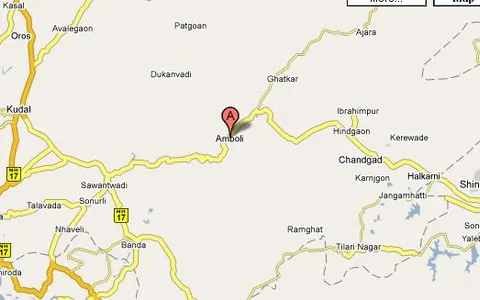
Amboli Ghat Waterfall
Amboli Ghat, nestled in the Sahyadri Hills of the Western Ghats, is often referred to as the "Queen of Maharashtra." Known for its lush greenery, mist-covered…
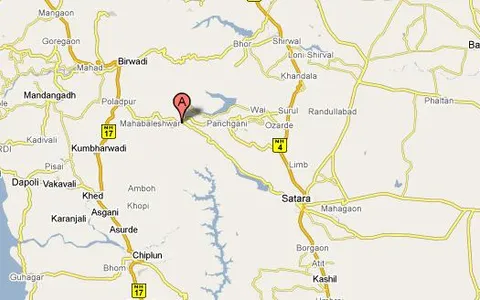
Chinaman's Waterfall
The climate around Chinaman's Waterfall, located in Mahabaleshwar, is generally cool and pleasant throughout the year. However, there are distinct weather patterns…
Chintamani Waterfall
Chintamani Waterfall is a stunning natural spot located in Maharashtra, India. Surrounded by lush greenery, it's a popular destination for nature enthusiasts and…