Afghan Memorial
The Afghan Memorial Church of St. John the Baptist, also known as St John's Church is located at Colaba, Mumbai. It was established in 1847 AD and consecrated 11 years later as a memorial to those who fell in the First Afghan War of 1843 and Sind campaign of 1838.
About Afghan Memorial
The roof of the Afghan Memorial Church is built of varnished teakwood with hammer beam style ribbing, while the flooring is done with chancel made of encaustic tiles in-laid with coloured clay imported from England.
The Church has a beautiful altar, tall pinnacles, 21 lancet windows with exquisite stained glass fixed in the triangular apexes, on either side of the nave. The remaining portions of the nave windows were fitted earlier with Venetians instead of glass, but it has changed with coloured glass windows.There are 30 lancet windows glazed with coloured quarries in the clerestory. At the west end of each aisle are triplet windows, one in the south aisle behind the organ is filled with plain glass but the one in the north aisle behind the side altar is a memorial window.
History
Afghan Church is situated at the southern end of the Colaba Island. The Directors of East India Company converted this part of the island into a military cantonment area with army barracks during early nineteenth century.
It was built to commemorate those who died during the first Afghan War. Few years later, the land for the building of the church was provided by the government on a condition that its steeple could be seen as a landmark at sea to guide ships navigating the Bombay Harbour. The designs were prepared by Henry Coney Beare, the City Engineer, and construction began in 1847. The church was consecrated in 1858 and the elegant steeple completed in 1865. Mr. Henry Coney Beare was the same person who laid down the great scheme for the construction of the Vihar Lake and distribution of water supply by iron pipes to nearly all parts of Bombay City.
Interesting things to do
Boat Trips:
The seaport located on the back side of the gateway, offer the boat riding. The tourist can enjoy the boat trips by paying a reasonable charge.
Elephanta Island:
Fishing boat near Elephanta Island Bombay Mumbai IndiaThe Island located just 10 Kms from Gateway of India, contains a fine cluster of 6th-8th century rock cut caves. The caves have beatifully executed sculptures, the most interesting is the five metre high Mahesmurthy or Trimurthi. It represents three aspects of Shiva, such as the creator, the preserver and the destroyer.
Never-ending bazaar:
The large open area below and surrounding the arch is always filled with street performers, vendors, photographers, snake charmers, and just about anyone else who wants a guaranteed audience in front of a largely tourist crowd that also includes commuting locals.
Interesting things to Visit
Juhu Beach:
Spread for 5 kilometers along the shore of Arabian Sea, Juhu beach is the most visited destination of Mumbai both by the locals and tourists. A walk in the serene sea line may give you an amazing experience specially when the sun sets to make his journey to the West. In the evenings and on weekends, the beach virtually turns into an undeclared fair and you may feel that life can’t be as ecstatic as this. Your Mumbai trip can’t be complete until you make a visit to ever charming Juhu Beach.
Mahalaxmi Temple:
One of the most visited Hindu shrines in Mumbai, the Mahalaxmi temple has an interesting legend behind it. The temple was built by a contractor at the end of the 18th century. The man claimed that Mahalaxmi, the Goddess of Wealth, appeared to him in a dream. The contractor, who had been assigned the project of building a sea wall by the British, also said the Goddess had promised him success if he built Her a temple. An idol, which was actually found during the excavation for the project, was installed in the temple.
Prince of Wales Museum:
The Prince of Wales museum is another major attraction of Mumbai. Built in the year 1914, it is surrounded by a beautiful landscape forming an ideal getaway for the people of Mumbai. The museum houses art, sculpture, rare coins, and old firearms and a priceless collection of miniature paintings. The Prince of Wales museum is regarded as one of the best museums in the country.
Marine Drive:
A stroll down the Marine Drive is the best way to discover Mumbai. This winding stretch of road with tall buildings on one side and sea on the other extends from Nariman Point to Malabar Hills. Due to its curved shape and many street lights, it was once called the Queen’s Necklace. A popular sea front, Marine Drive is also the main thoroughfare linking for the Malabar Hills to the southernmost points of Colaba, Cuffe Parade, Nariman Point, and the Fort.
Hanging gardens:
The Hanging Gardens makes another must see site in Mumbai. The park was built during the early 1880s over Mumbai’s main reservoir at the top of the Malabar Hills. The reason of its location being to cover the water from the potentially contaminating activity of the nearby Towers of Silence. Located just opposite the Kamala Nehru Park, this terraced garden, also known as Ferozeshah Mehta Garden, is famous among the locals as well as tourists. The garden provides lovely sunset views over the Arabian Sea.
Chowpatty Beach:
Another sandy gateway of Mumbai is the Chowpatty beach in the suburbs of the city. Chowpatty is perhaps the most famous beach of Mumbai, characterised by the usual hustle and bustle of stallwalahs, people snoozing under the shade of its stunted trees, screaming kids, Ferris wheels, pony rides, wayside astrologers, monkey shows, and even the odd self-styled gymnast demonstrating their skill for a fee. Moreover, the bhelpuri shops and sometimes the film shoot or a street play also adds to the festive atmosphere of the beach. A beach of action, Chowpatty makes a must visit in Mumbai.
Nearest Visiting places
Ajanta Ellora Caves:
Ajanta & Ellora Caves have the distinction of being counted amongst the World Heritage Sites in India. Located in the Aurangabad district of Maharashtra, these caves are rock-cut cave monuments that represent the Indian rock-cut architecture.
Aurangabad Caves:
Situated just on the fringes of Aurangabad are the caves that were carved out during the 2nd to 6th century in Maharashtra. These caves are ten in number and have been shaped out of somewhat soft rock. Tantric Hinduism has been the inspiration of their architecture and iconography.
Alibag:
Set in the lap of nature, Alibag is a coastal town of India, famous for its clean waters, sandy beaches and fresh air. It makes a great escapade for the Mumbaikars, owing to its close proximity to Mumbai, which is around 35 kms away. Alibaug is an amazingly beautiful place, where nature appears at its best.
Elephanta Caves:
Earlier called Gharapuri is today’s Elephanta Island, which is known for embracing the remarkable Elephanta Caves. To be found about 10 kms off the eastern coast of Mumbai, Elephanta Caves has been given the position of a World Heritage Site by UNESCO.
Kanheri Caves:
Through the meandering paths of Sanjay Gandhi National Park, you can reach the staircase that leads to Kanheri Caves of Maharashtra. Located in the picturesque surroundings of Borivali, Kanheri Caves have a distinctive aura about them.
Khandala:
Khandala is an impressive hill station, cuddled up in the Sahyadri Range of Maharashtra. Endowed with nature’s splendor, Khandala makes a quick excursion at a distance of 101 kms from the bustling city of Mumbai. This beautiful place immersed in pastoral beauty, had been known since years.
Lonavala:
Lonavala is a picturesque hill station, often called the ‘Jewel of the Sahyadri Mountains’ in India. Located in the Pune district of Maharashtra, Lonavla is much preferred hill resort to the Mumbaikars, especially since it is only 96 kms from Mumbai.
Help Line/Phone Number
Nearest Hospital:
Ashwini Hospital
Mumbai City, Maharashtra
Dastur Nursing Home
Cuffe Parade,Mumbai City, Maharashtra
Copyright 2016 HolidayLandmark All rights reserved
Location info
-
**Address:**Colaba,Mumbai,Maharashtra,India.
-
District: Colaba.
-
Nearest City: Mumbai
-
**Best time to visit:**Any time during the year.
Climate & weather
Mumbai has a tropical wet and dry climate.
How to reach Afghan Memorial
-
Nearest Railway Station: Mumbai Central.
-
**Nearest Airport:**Mumbai International Airport.
Road Transport: The Maharashtra Tourism Development Corporation (MTDC) operates various bus services linking the city to a number of tourist destinations. Local taxis and auto rickshaws are easily available for intra-city travel.
Hotels & accommodation nearby
There are lots of Hotels and Lodges are available,suiting one’s budget.
Nearest petrol pump
Available in the nearby city.
Best time to visit Afghan Memorial
Throughout the year, as museums are indoor attractions. Weekdays are less crowded than weekends.
Timings & opening hours
Typically open from 10:00 AM to 5:30 PM daily. Closed on Mondays and national holidays.
Entry fee & tickets
INR 20–100 for Indian nationals, INR 200–500 for foreign nationals. Additional charges for camera/video.
Duration needed
2–3 hours to explore exhibits thoroughly.
Safety tips
Follow museum rules — no photography in restricted galleries. Do not touch exhibits. Maintain silence. Large bags may need to be checked at the entrance. Follow the designated visitor route.
Things to carry
Camera (check policy — many museums charge for or prohibit photography). No food or drinks allowed inside. Carry a small bag for personal items.
Nearest airport, railway & bus
Nearest airport: city airport. Nearest railway station: city railway station. Well-connected by local transport (taxis, buses, auto-rickshaws).
Mobile network coverage
Airtel, Jio, and Vi all provide excellent coverage across Maharashtra’s cities (Mumbai, Pune, Nagpur) and major tourist areas. 4G is reliable along highways and in most towns. Coverage may be weaker in deep forest areas of Tadoba, Melghat, and certain ghat sections. Free Wi-Fi is widely available in hotels and cafes.
Food & restaurants nearby
Food options near the museum may be limited. The nearest town typically has restaurants and cafes. Carrying water is recommended — most museums do not allow food inside.
Frequently asked questions
What are the museum timings? Most museums are open from 10:00 AM to 5:30 PM, Tuesday through Sunday. Many are closed on Mondays and national holidays.
Is photography allowed? Photography policies vary by museum. Some allow photography without flash, others prohibit it entirely. Check the policy at the entrance.
Is there a guided tour available? Guided tours are available at major museums. Audio guides may also be available. The duration of a tour is typically 1.5–2.5 hours.
Quick facts
- Location: Maharashtra
- Best time to visit: October to March for comfortable weather
- Significance: Important religious and spiritual site for devotees
- Dress code: Traditional and modest attire recommended
- Photography: Check local guidelines; photography may be restricted in inner sanctums
Map & location view
- Destination: Afghan Memorial
- State: Maharashtra, India
- Region: religious precincts of Maharashtra
- How to reach: Accessible by road from nearby towns and cities. Local transport options include buses and taxis.
- Google Maps: Search for “Afghan Memorial, Maharashtra” on Google Maps for precise directions and navigation.
Photo gallery of Afghan Memorial
Photos coming soon. In the meantime, you can find images of Afghan Memorial on popular travel photography sites and social media.
Photo gallery of Afghan Memorial
Video gallery
Related destinations
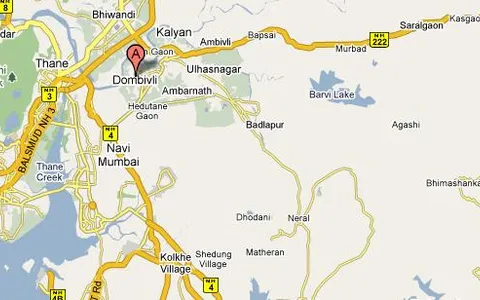
Ambadevi Temple
Shri Ambadevi Temple is situated in the Amravati city of Maharashtra. The temple is dedicated to Goddess Ambadevi and lies right in the middle of the city. Amba…
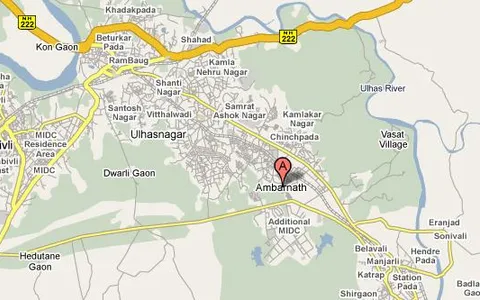
Ambarnath Akoli
Ambarnath is a small town located near Akoli in Thane district of Maharashtra. This town is on Mumbai-Pune railway line. Ambarnath houses a fascinating temple…
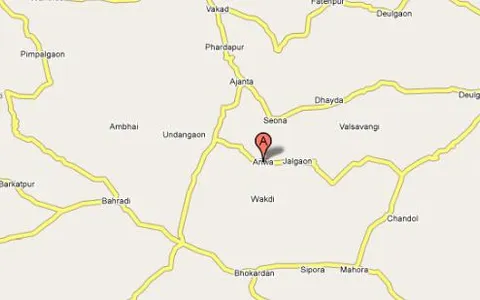
Anwa Temple
Anwa Temple is located 10 km away from Golegaon close to Aurangabad, Maharashtra. Presiding deity is Lord Shiva, and the temple dates back to 12th century. The…