Karla Caves
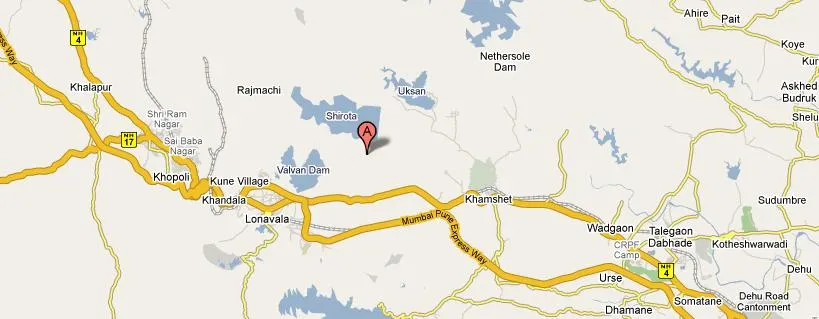
Karla Caves is an complex of ancient Buddhist Indian rock-cut architecture cave shrines built over the period of 3rd to 2nd century B.C. Even though the caves were constructed over a period of time and the oldest one is believed to date back to 160 BC. Located in Karli near Lonavala, Maharashtra, the caves are on an major ancient trade route, running eastward from the Arabian Sea into the Deccan. Karli's location in Maharashtra places it in a region that is the division between North India and…
About Karla Caves
Karla Caves is an complex of ancient Buddhist Indian rock-cut architecture cave shrines built over the period of 3rd to 2nd century B.C. Even though the caves were constructed over a period of time and the oldest one is believed to date back to 160 BC. Located in Karli near Lonavala, Maharashtra, the caves are on an major ancient trade route, running eastward from the Arabian Sea into the Deccan. Karli’s location in Maharashtra places it in a region that is the division between North India and South India.Buddhism, having become identified with commerce and manufacturing through their early association with traders, tended to locate their monastic establishes in natural areas close to major trade routes so as to provide lodging houses for travelling traders.
The Caves are high on the surrounding hills. A narrow winding path leads up. Built centuries ago by Buddhist monks, the caves are in keeping with the Buddhist ideas of simplicity. One wonders why this isolated spot was chosen as the site for the caves. After all, a rock-cut structure high in the remote hills is not something immediately associated with a place of worship. Until the arrival of the Buddhists, there had been little building activity of any consequence in this difficult terrain. During their very first season in the hills in thatched huts, the monks must have had to face the fury of the rains. Rains, which lashed down the hillside non-stop for half the year. Rains that could wash away an entire village without leaving a sign and rains that could make worship around a stupa in the open an unpleasant task indeed. Under the circumstances, they could have built prayer halls of timber. Wood was at hand from the forest. Bricks baked in the plains could be hoisted up. However, even such a hall would have been difficult to maintain and preserve under the unrelenting fury of the monsoon. Only the hills seemed to withstand the ravages. With their great desire to make the Good Law of the Buddha outlast time itself, the Buddhist monks decided to carve their sanctuaries out of the living rock of the immovable mountains.
Climate/Weather
Pleasant climate all round the year.
History
The caves were carved somewhere around the 2nd century BC, the time when Buddhist was at its peak in India i.e. the Golden Age of Buddhism. One of the main structures situated inside Karla Caves is that of a Chaitya Hall (prayer hall of the Buddhists), which has been adorned with exquisitely carved sculptures.Karla Caves are the largest cave temple (chaitya) in India and is located in Lonavala. These rock cut caves are assumed to be built around 100 AD by Buddhist nuns. The marvelous ancient Karla Caves are presently a popular tourist destination to have a close look at the ancient Buddhist architecture and culture. These caves exhibit Buddhist ideologies through inscriptions and stupas.
The interiors of the caves have been ornamented with sculptures cut out of rocks, which have been carved to represent the shapes of animals and various other forms of human life. The stone stupa situated inside the Karla Caves is also counted amongst one of its major draws. Carved on the stupa are the figures of men, women and elephants. It has been placed under a stone umbrella. The caves have 37 pillars inside their complex that serve as the perfect decoration for the stone surroundings.
Chiseled on these pillars are figures of prosperous men and women, who are seated on elephants and are bowing before Lord Buddha. Since Karla Caves also used to serve as the residence of the monks, a number of viharas (dwelling places) with arched entrances and vaulted interiors can be seen inside them. Lord Buddha has been shown inside the caves only in symbolical forms and not in the form of images. The doorway of Karla Caves has been chiseled in such a way that it looks as if it has been made of wood. Whenever you visit Pune, make sure to see the Karla Caves and appreciate their magnificent architecture.
Interesting things to Visit
Rajmachi Point:
Rajmachi Point is situated approximately 6.5 km from Lonavala, on the way from Mumbai to the hill station. Lying just before the point from where the Ghat starts, this spot offers visitors amazing views of the Rajmachi Fort, situated in the valley below. The famous Vaghjai Dari is located here only.
Ryewood Park and Shivaji Udyan:
Ryewood Park and Shivaji Udyan are splendid gardens, which boast of lush greenery. The majestic tall trees and wide open spaces provided by this park make it the perfect picnic spot. Kids love to come here, to run around, enjoy swings and have fun. Situated inside the park is an ancient Shiva Temple, revered by the local people.
Tungarli Lake:
Tungarli Lake provides the combination of magnificent surroundings and peaceful ambience to its visitors. It serves as the main source of water to the Lonavala hill station and is also a very popular picnic spot.
Valvan Dam:
Valvan Dam is situated near Lonavala, at a distance of approximately 2 km from the town. One of the major attractions of the dam is a beautiful garden, located at its foot. It is the main source of water for the Khopoli power station.
Lonavla Lake:
Lonavla Lake lies on the outskirts of Lonavala, about 1.6 km from the town. The natural scenery and enchanting environment of the lake draw a large number of visitors here.
Mohatta’s Zoo:
7 km from Lonavala,It has rare collection of birds and monkeys from Africa and South America.
Help Line/Phone Number
Mulshi is the name of a major dam on the Mula river located in the Taluka Mulshi administrative division of the Pune district of Maharashtra State, India.Water from the dam is used for irrigation as well as for producing electricity at the Bhira hydroelectric power plant, operated by Tata Power Company LTD. The station operates six 25MW Pelton turbines and was established in 1927. It mostly supplies power to Mumbai……more
Rajmachi consists of two beautiful peaks namely ‘Shrivardhan’ and ‘Manaranjan’. Rajmachi is very famous fort near twin hill stations in Maharashtra - Lonavala and Khanadala. Rajmachi fort is nearby 18/20 Kms from Lonavala but a nice way to reach the fort is from Tungarli Lake. This trek is very good for the beginners.Shrivardhan and Manaranjan can also be considered as two separate forts. There is one small platue in between them…..more
Situated 32 km south west of Pune, and standing at an imposing 1215 m above msl overlooking Pune city, Sinhagad, even today stands testimony to the grand Maratha Regime.On top of the fort, the trekkers must try the traditional breakfast of Kanda Bhaji, a delicacy enjoyed by most. Check out Tanaji Kada, Kalyan Darwaza, Tanajis memorial…Perched on an isolated cliff of the Bhuleswar range of the Sahyadri Mountains, its height above sea-level is 1350 metres. Given natural protection by its very steep slopes, the walls and bastions were constructed at only key places; it has two gates – the Kalyan Darwaza in the south-east and the Pune Darwaza in the north-east…..more
Tikona (also known as Vitandgad) is the dominant hill fort in Maval in western India. It is located near Kamshet around 60 km from Pune The village nearest the fort is called Tikona-Peth. The 3500 ft high hill is pyramidal in shape and the name Tikona means “triangle”.The fort is a trekking destination noted for the large doors, the temple of ‘Trimbakeshwar Mahadev’, a water tank and some Satvahan caves. Trek organisers also commend the views of Pawna dam and the nearby forts of Tung, Lohagad and Visapur. There is a lake at the summit…..more
Copyright 2016 HolidayLandmark All rights reserved
Location info
-
**Address:**Karli,Lonavala,Maharashtra,India
-
District: Pune District
-
Nearest City: Lonavala
-
Best time to visit: Oct to May.
Things to do at Karla Caves
Attractions in Lonavala:
Lonavala is well known for its ancient rock cut caves of Karla and Bhaja. The presense of these caves tell us about the prominence of Hinayana Buddhism in this region in the 2nd century B.C. Areas around the caves are dotted with several rocky hills that are best suited for Rock climbing. The Duke’s Nose peak located in the Karla hills near Lonavala is the moist famous among them.
How to reach Karla Caves
-
**Nearest Railway Station:**Karla railway station,situated around 3 km from the caves.
-
Nearest Airport: Pune,56 kms.
-
Road Transport: Karla caves are located between the important cities of Mumbai and Pune, and can be easily accessed from Road.
Hotels & accommodation nearby
Accommodation is available in Lonavala Town.
Nearest visiting places
- Pavna River
The Pavna River is situated in the west of Maharashtra state, in the Pune District. It flows across the Pune city and divides Pune City and Pimpri Chinchwad area. The Pavna River is one of the important sources of water in the region
- Malshej Ghat Hill Station
Apart from Lonavala -Khandala, Matheran and Mahabaleshwar this is one of the developing hill station in Maharashtra. Malshej Ghat is situated on the borders of Pune , Thane and Ahmednagar districts. A very popular place as it is close to both Pune and Mumbai. Malshej Ghat is vital place in Sahyadri hills and really very attractive when it is under dark clouds and heavy fog. Heavy fog and amazing waterfalls are the spatiality of Malshej Ghat especially in monsoon
- Mulshi Dam-River Mula
Mulshi is the name of a major dam on the Mula river located in the Taluka Mulshi administrative division of the Pune district of Maharashtra State, India.Water from the dam is used for irrigation as well as for producing electricity at the Bhira hydroelectric power plant, operated by Tata Power Company LTD. The station operates six 25MW Pelton turbines and was established in 1927. It mostly supplies power to Mumbai
- Khadakwasla-River Mutha
Khadakwasla is a moderate sized dam on the Mutha river, located about 20 kilometres southwest of the city of Pune, and named after the nearby village of Khadakwasla. This dam is one of the main sources of water for the city of Pune. Just a few kilometres up the road from the dam lies Sinhagad Fort and the twin dams of Panshet and Varasgaon which mainly supply water for irrigation. In 1961, the Khadakwasla Dam had to be blown, as the Panshet Dam overflowed, causing devastating floods in the city of Pune
- Panshet-River Mutha
Panshet is a dam about 50 km southwest of the city of Pune in western India. Along with two other dams nearby (including Khadakwasla), it supplies drinking water to the city of Pune. Panshet is famous due to the disaster on 12 July 1961 when the dam wall burst, causing massive flooding in the city of Pune.Although this caused a significant loss of property, there was little to no loss of human life. Other sources say there were between 1000 and 2000 casualties
- Ozarkhed Dam,Nashik
Ozarkhed dam is very buityfull place. There is a sunset point, that was very nice. Boating was also there with in dam. There is also many types of fresh fish food available. Number of people from nashik area comes there for eating fresh fishes from dam. Water from this dam was pure. It was near to Vani
- Chinchwad Ganesh Temple
Ganapati Temple is regarded as the most beautiful temple in south Maharashtra. It is situated on the banks of river Krishna at Sangli. Thorle (elder) Chintamanrao Patwardhan consecrated the idol in 1843.The temple has been artistically built with black stone brought from Jyotibha hills. There is a platform, a hall and a ‘Nagarkhana’ inside the vast two acres complex of the temple. The entrance door has been carved out of different coloured natural wood
- Ganapati Temple
Ganapati temple is situated in Theur, at a distance of approximately 26 km from Pune. Counting amongst the eight Ashtavinayakas of Maharashtra, the temple dates back to the 17th century. It is dedicated to Lord Ganesha, a Hindu deity, and is said to be owned as well as controlled by Lord Ganesha Himself. Pune Ganesha temple has an interesting legend associated with it. Read on further to explore the Ganapati Temple of Poona, India
- Nageshwar Temple
Nageshwar Temple is one of the oldest temples of Pune, Maharashtra. It has been there since the times of Sant Jnaneshwar and Tukaram. It is a general belief that there was once a reservoir near the temple. The water of this reservoir can cure leprosy
- Osho Ashram
Ashram of Bhagwan Rajneesh (Osho Ashram), in a 32 acre beautiful campus, is in Koregaon Park near Pune. The ashram is a prime attraction for tourists who are enthused with the preaching and ideologies of Bhagwan Rajneesh. It is a resort for Meditation and Yoga. Regular training programs on spiritual uplift and meditation are conducted in this place. Osho Kundalini meditation, Osho Nadabrahma meditation, Osho dynamic meditation and Osho Nataraj mediation are some of the techniques taught here, the training offer the practice of meditation to get rid of stress and strain of worldly life
- The Chintamani Temple,Theur
The Chintamani Ganpati temple was erected by Shri Daharnidhar Maharaj Devji a scion of Maurya Gosaviji. After hundred years Madhavrao Peshwa made the Sabhamandap of the temple. A few years ago the shikhar- the crest, of the temple was anointed in gold.The idol of Chintamani is purvabhimukha-facing east and its eyes are studded with precious stones.The main gate of the temple faces North. There is a road that connects the Mahadwar to the river Mula Muth. The Sabhamandap of the temple is made of wood and in its centre is a fountain made of Stone
- The Girijatmaj Temple,Lenyandri
Atop a mountain in the eighth of the Buddhist caves resides the Girijatmaj Vinayak.These caves are also known as Ganesh Gufa.The temple is Dakshinabhimukh- facing south and has been carved out on one single rock. The sabhamandap of the temple is 53 feet long and high, but does not have a single pillar to support it. The Sabhamandap has within it 18 Overee[small rooms for meditation] in one of these is the idol of Girijatmaj.The idol itself is uttarabhimukh that is facing north. The idol here is not a statue but a fresco carved out into a rock. The head of the idol is turned to the left
- The Vighnahar Temple,Ozar
Vighnahar is one of the sacred forms of Ashtavinayaka situated at Ozar in Junnar Taluka of Pune district. Ozar is hardly at a distance of ten kilometers from Narayangaon, an important town on Pune-Nasik highway and on 85 Km from Nasik via Pune-Narayangaon. The state Transport buses are amply available from Pune, Nasik, Mumbai & Narayangaon. Besides State Transportation facility the private vehicles like jeeps and mini buses are equally available from Narayangaon. Visitors can drive their vehicle quite near to the temple even in rainy days as a bridge has recently been constructed on river Kukadi.The holy temple of Shree Vighneshwar is east facing and well constructed
- The Mahaganapati Temple,Ranjangaon
Ranjangaon is a village located at a distance of about 50 km from Pune, enroute to Aurangabad in Maharashtra, and it houses a shrine to Mahaganapati. Ranjangaoncha Mahaganapati is considered to be one of the Ashta Vinayak shrines of Maharashtra, celebrating eight instances of legends related to Ganesha. ashta_vinayak.jpg (76797 bytes)
- Rajmachi
Rajmachi consists of two beautiful peaks namely ‘Shrivardhan’ and ‘Manaranjan’. Rajmachi is very famous fort near twin hill stations in Maharashtra - Lonavala and Khanadala. Rajmachi fort is nearby 18/20 Kms from Lonavala but a nice way to reach the fort is from Tungarli Lake. This trek is very good for the beginners.Shrivardhan and Manaranjan can also be considered as two separate forts. There is one small platue in between them
Best time to visit Karla Caves
October to March: comfortable temperatures for exploring. Caves provide natural shelter from heat.
Timings & opening hours
Typically open from 9:00 AM to 5:00 PM daily. Closed on Mondays at some sites.
Entry fee & tickets
INR 25–40 for Indian nationals, INR 300–600 for foreign nationals. Free for children under 15.
Duration needed
1–2 hours for a group of caves. Ajanta and Ellora each require half a day to a full day.
Safety tips
Carry a torch/flashlight — interior areas may be dimly lit. Watch your step on uneven stone floors. Do not touch the paintings or carvings — oils from fingers can damage them. Photography rules vary by cave.
Things to carry
Torch/flashlight, comfortable walking shoes, water bottle, camera (check photography policy), and a light jacket (caves are cooler inside).
Nearest airport, railway & bus
Nearest airport: Aurangabad Airport (IXU) or Mumbai International Airport. Nearest railway station: Aurangabad, Lonavala, or nearest station. Accessible by road.
Mobile network coverage
Airtel, Jio, and Vi all provide excellent coverage across Maharashtra’s cities (Mumbai, Pune, Nagpur) and major tourist areas. 4G is reliable along highways and in most towns. Coverage may be weaker in deep forest areas of Tadoba, Melghat, and certain ghat sections. Free Wi-Fi is widely available in hotels and cafes.
Food & restaurants nearby
Food options are available in the nearest town. Maharashtrian cuisine — missal pav, vada pav, puran poli, and local thalis — is widely available.
Nearest petrol pump
Petrol pumps are available in the nearest town or on the approach road to Karla Caves. It is advisable to fill fuel before heading to remote areas, especially hill forts and wildlife sanctuaries.
Frequently asked questions
What are the visiting hours? Caves are typically open from 9:00 AM to 5:00 PM daily. Some caves (like Ajanta) are closed on Mondays or Tuesdays.
Are the caves well-lit inside? Major caves have lighting, but carrying a torch is recommended for exploring deeper chambers.
Can I take photographs? Photography is generally permitted without flash. Video cameras may incur an additional fee at some sites.
Accessibility
Accessibility information is not currently available for this site. Contact the venue directly or check with your accommodation for the latest accessibility details.
Rules & restrictions
Standard visitor rules apply. Check locally for any specific restrictions at this site.
Best photography spots
The best photography spots are typically during the golden hours (early morning and late afternoon). Scout the location first to identify the best angles, and consider the direction of light at different times of day.
Quick facts
- Location: Maharashtra
- Best time to visit: November to February for pleasant weather
- Ideal duration: 1-3 hours for a thorough exploration
- Entry: Entry fee applicable (varies for Indian and foreign tourists)
- Guided tour: Available on request at the ticket counter
- Photography: Permitted in most areas; flash may be restricted
Visitor information
- Timings: Generally open from sunrise to sunset. Verify local timings before planning your visit.
- Entry fee: Entry fee applies as per Archaeological Survey of India rates. Check at the ticket counter for current charges.
- Best time to visit: October to March for the most comfortable weather conditions.
- Duration needed: 1 to 2 hours recommended for a comfortable visit.
Map & location view
- Destination: Karla Caves
- State: Maharashtra, India
- Region: archeological region of Maharashtra
- How to reach: Accessible by road from nearby towns and cities. Local transport options include buses and taxis.
- Google Maps: Search for “Karla Caves, Maharashtra” on Google Maps for precise directions and navigation.
Photo gallery of Karla Caves
Photos coming soon. In the meantime, you can find images of Karla Caves on popular travel photography sites and social media.
Photo gallery of Karla Caves
Video gallery
Related destinations
Ajantha caves
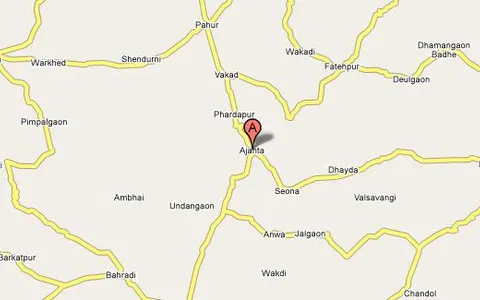
AJANTA is world's greatest historical monument recognised by UNESCO far near from Jalgaon city of Maharashtra,Ajanta Cave Temple can be reached easily from anywhere…
Bassein fort
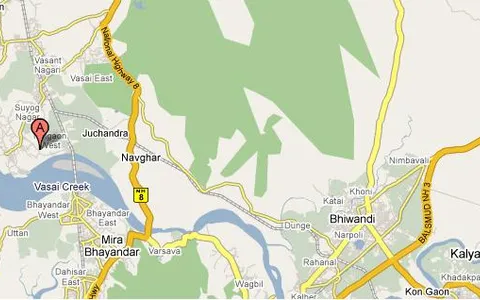
The Bassein Fort is the Sea fort in Vasai Road, which is a suburb towards north of Mumbai. Vasai Road is the third last station on the western railway towards…
Bhaja Buddhist Caves
Bhaja Caves, situated in the Aurangabad district, lie at a distance of 60 km from Pune. The caves are said to be as old as the 2nd century, i.e., the early…