Gateway of India
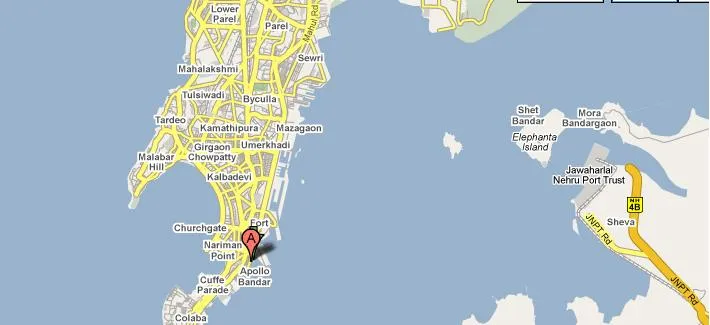
One of the most prized possessions of the country, the Gateway of India is situated on the waterfront in South Mumbai. Anyone coming to Mumbai from this harbor is greeted by the huge monument, which stands as a testimony to the imperial bygone era of the city. As you pass through the gate from the city side, the first scene that looms into view is that of the waterfront of South Mumbai. A popular harbor, it is used by a large number of people for traveling to the other parts of Bombay,…
About Gateway of India
One of the most prized possessions of the country, the Gateway of India is situated on the waterfront in South Mumbai. Anyone coming to Mumbai from this harbor is greeted by the huge monument, which stands as a testimony to the imperial bygone era of the city. As you pass through the gate from the city side, the first scene that looms into view is that of the waterfront of South Mumbai. A popular harbor, it is used by a large number of people for traveling to the other parts of Bombay, especially the Elephanta Island.
The architecture of the Gateway of India comprises of a huge arch, which is approximately 26 m in height. The entire structure has been made by using yellow basalt and reinforced concrete. It has mainly been constructed as per the Indo-Saracenic style of architecture. One can also find the features of the Muslim architectural styles that were very much popular in Gujarat in the 16th century. The top of the monument stands adorned with a central dome, which has a diameter of 15 m.
History
Built in the Indo-saracenic style, the Gateway of India is meant to commemorate the visit of King George V and Queen Mary to Bombay, prior to the Darbar in Delhi in December 1911. The foundation stone was laid on March 31, 1911 and George Wittet’s final design sanctioned in August 1914. Between 1915 and 1919 work proceeded on reclamations at Apollo Pier for the land on which the gateway and the new sea wall would be built. The foundations were completed in 1920.
The Gateway is built from yellow Kharodi basalt and reinforced concrete. The central dome is 48 feet in diameter and 83 feet above ground at its highest point. The whole harbour front was realigned in order to come in line with a planned esplanade which would sweep down to the centre of the town.
Interesting things to do
Boat Trips:
The seaport located on the back side of the gateway, offer the boat riding. The tourist can enjoy the boat trips by paying a reasonable charge.
Elephanta Island:
Fishing boat near Elephanta Island Bombay Mumbai IndiaThe Island located just 10 Kms from Gateway of India, contains a fine cluster of 6th-8th century rock cut caves. The caves have beatifully executed sculptures, the most interesting is the five metre high Mahesmurthy or Trimurthi. It represents three aspects of Shiva, such as the creator, the preserver and the destroyer.
Never-ending bazaar:
The large open area below and surrounding the arch is always filled with street performers, vendors, photographers, snake charmers, and just about anyone else who wants a guaranteed audience in front of a largely tourist crowd that also includes commuting locals.
Interesting things to Visit
Juhu Beach:
Spread for 5 kilometers along the shore of Arabian Sea, Juhu beach is the most visited destination of Mumbai both by the locals and tourists. A walk in the serene sea line may give you an amazing experience specially when the sun sets to make his journey to the West. In the evenings and on weekends, the beach virtually turns into an undeclared fair and you may feel that life can’t be as ecstatic as this. Your Mumbai trip can’t be complete until you make a visit to ever charming Juhu Beach.
Mahalaxmi Temple:
One of the most visited Hindu shrines in Mumbai, the Mahalaxmi temple has an interesting legend behind it. The temple was built by a contractor at the end of the 18th century. The man claimed that Mahalaxmi, the Goddess of Wealth, appeared to him in a dream. The contractor, who had been assigned the project of building a sea wall by the British, also said the Goddess had promised him success if he built Her a temple. An idol, which was actually found during the excavation for the project, was installed in the temple.
Prince of Wales Museum:
The Prince of Wales museum is another major attraction of Mumbai. Built in the year 1914, it is surrounded by a beautiful landscape forming an ideal getaway for the people of Mumbai. The museum houses art, sculpture, rare coins, and old firearms and a priceless collection of miniature paintings. The Prince of Wales museum is regarded as one of the best museums in the country.
Marine Drive:
A stroll down the Marine Drive is the best way to discover Mumbai. This winding stretch of road with tall buildings on one side and sea on the other extends from Nariman Point to Malabar Hills. Due to its curved shape and many street lights, it was once called the Queen’s Necklace. A popular sea front, Marine Drive is also the main thoroughfare linking for the Malabar Hills to the southernmost points of Colaba, Cuffe Parade, Nariman Point, and the Fort.
Hanging gardens:
The Hanging Gardens makes another must see site in Mumbai. The park was built during the early 1880s over Mumbai’s main reservoir at the top of the Malabar Hills. The reason of its location being to cover the water from the potentially contaminating activity of the nearby Towers of Silence. Located just opposite the Kamala Nehru Park, this terraced garden, also known as Ferozeshah Mehta Garden, is famous among the locals as well as tourists. The garden provides lovely sunset views over the Arabian Sea.
Chowpatty Beach:
Another sandy gateway of Mumbai is the Chowpatty beach in the suburbs of the city. Chowpatty is perhaps the most famous beach of Mumbai, characterised by the usual hustle and bustle of stallwalahs, people snoozing under the shade of its stunted trees, screaming kids, Ferris wheels, pony rides, wayside astrologers, monkey shows, and even the odd self-styled gymnast demonstrating their skill for a fee. Moreover, the bhelpuri shops and sometimes the film shoot or a street play also adds to the festive atmosphere of the beach. A beach of action, Chowpatty makes a must visit in Mumbai.
Nearest Visiting places
Ajanta Ellora Caves:
Ajanta & Ellora Caves have the distinction of being counted amongst the World Heritage Sites in India. Located in the Aurangabad district of Maharashtra, these caves are rock-cut cave monuments that represent the Indian rock-cut architecture.
Aurangabad Caves:
Situated just on the fringes of Aurangabad are the caves that were carved out during the 2nd to 6th century in Maharashtra. These caves are ten in number and have been shaped out of somewhat soft rock. Tantric Hinduism has been the inspiration of their architecture and iconography.
Alibag:
Set in the lap of nature, Alibag is a coastal town of India, famous for its clean waters, sandy beaches and fresh air. It makes a great escapade for the Mumbaikars, owing to its close proximity to Mumbai, which is around 35 kms away. Alibaug is an amazingly beautiful place, where nature appears at its best.
Elephanta Caves:
Earlier called Gharapuri is today’s Elephanta Island, which is known for embracing the remarkable Elephanta Caves. To be found about 10 kms off the eastern coast of Mumbai, Elephanta Caves has been given the position of a World Heritage Site by UNESCO.
Kanheri Caves:
Through the meandering paths of Sanjay Gandhi National Park, you can reach the staircase that leads to Kanheri Caves of Maharashtra. Located in the picturesque surroundings of Borivali, Kanheri Caves have a distinctive aura about them.
Khandala:
Khandala is an impressive hill station, cuddled up in the Sahyadri Range of Maharashtra. Endowed with nature’s splendor, Khandala makes a quick excursion at a distance of 101 kms from the bustling city of Mumbai. This beautiful place immersed in pastoral beauty, had been known since years.
Lonavala:
Lonavala is a picturesque hill station, often called the ‘Jewel of the Sahyadri Mountains’ in India. Located in the Pune district of Maharashtra, Lonavla is much preferred hill resort to the Mumbaikars, especially since it is only 96 kms from Mumbai.
Help Line/Phone Number
Ashwini Hospital
Mumbai City, Maharashtra
Dastur Nursing Home
Cuffe Parade,Mumbai City, Maharashtra
Copyright 2016 HolidayLandmark All rights reserved
Location info
-
Address: Waterfront in South Mumbai,Maharashtra,India.
-
District: Colaba district.
-
Nearest City: Mumbai.
-
Best time to visit: Oct to March.
Climate & weather
Climate of Mumbai is warm and humid.
How to reach Gateway of India
-
Nearest Railway Station: Mumbai Central.
-
**Nearest Airport:**Mumbai International Airport.
**Road Transport:**The Maharashtra Tourism Development Corporation (MTDC) operates various bus services linking the city to a number of tourist destinations. Local taxis and auto rickshaws are easily available for intra-city travel.
Hotels & accommodation nearby
There are lots of Hotels and Lodges are available,suiting one’s budget.
Nearest petrol pump
Available in the nearby city.
Best time to visit Gateway of India
October to March: mild weather ideal for exploration. Summer can be very hot in interior areas.
Timings & opening hours
Typically open from 8:00 AM to 6:00 PM daily.
Entry fee & tickets
INR 25 for Indian nationals, INR 300 for foreign nationals at ASI-protected sites. Some forts are free.
Duration needed
2–3 hours to explore the site. Major forts may require 3–4 hours.
Safety tips
Stay on visitor pathways. Do not climb or sit on ancient walls and structures. Respect heritage rules — these are protected monuments. Photography may be restricted in certain areas.
Things to carry
Comfortable walking shoes, water bottle, hat, sunscreen, camera, and a raincoat during monsoon.
Nearest airport, railway & bus
Nearest airport: Pune or Mumbai International Airport. Nearest railway station: depends on location — well-connected by road from major cities.
Mobile network coverage
Airtel, Jio, and Vi all provide excellent coverage across Maharashtra’s cities (Mumbai, Pune, Nagpur) and major tourist areas. 4G is reliable along highways and in most towns. Coverage may be weaker in deep forest areas of Tadoba, Melghat, and certain ghat sections. Free Wi-Fi is widely available in hotels and cafes.
Food & restaurants nearby
Food options are available in the nearest town. Maharashtrian cuisine — missal pav, vada pav, puran poli, and local thalis — is widely available.
Frequently asked questions
Is there an entry fee for Gateway of India? No, the Gateway of India is a public monument with free entry. Charges apply only for ferry services to Elephanta Caves.
What are the best times to visit? Early morning (6:00–8:00 AM) for a peaceful experience, or evening (5:00–7:00 PM) for sunset views and the lively atmosphere.
How do I reach Elephanta Caves from Gateway of India? Ferries operate from the Gateway of India jetty to Elephanta Island. The ferry ride takes about 1 hour one way. The first ferry is at 9:00 AM and the last return ferry is at 5:00 PM.
Quick facts
- Location: Maharashtra
- Best time to visit: November to February for pleasant weather
- Ideal duration: 1-3 hours for a thorough exploration
- Entry: Entry fee applicable (varies for Indian and foreign tourists)
- Guided tour: Available on request at the ticket counter
- Photography: Permitted in most areas; flash may be restricted
Map & location view
- Destination: Gateway of India
- State: Maharashtra, India
- Region: archeological region of Maharashtra
- How to reach: Accessible by road from nearby towns and cities. Local transport options include buses and taxis.
- Google Maps: Search for “Gateway of India, Maharashtra” on Google Maps for precise directions and navigation.
Photo gallery of Gateway of India
Photos coming soon. In the meantime, you can find images of Gateway of India on popular travel photography sites and social media.
Photo gallery of Gateway of India
Video gallery
Related destinations
Ajantha caves
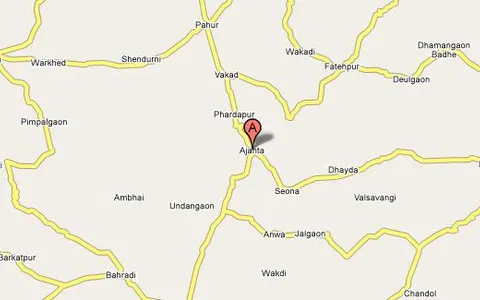
AJANTA is world's greatest historical monument recognised by UNESCO far near from Jalgaon city of Maharashtra,Ajanta Cave Temple can be reached easily from anywhere…
Bassein fort
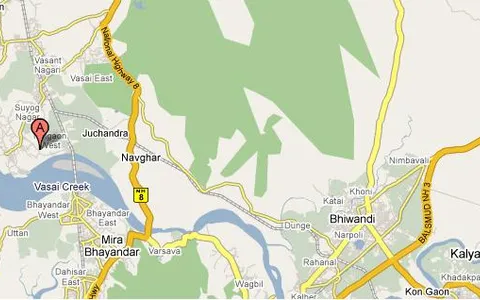
The Bassein Fort is the Sea fort in Vasai Road, which is a suburb towards north of Mumbai. Vasai Road is the third last station on the western railway towards…
Bhaja Buddhist Caves
Bhaja Caves, situated in the Aurangabad district, lie at a distance of 60 km from Pune. The caves are said to be as old as the 2nd century, i.e., the early…