Ellora Caves
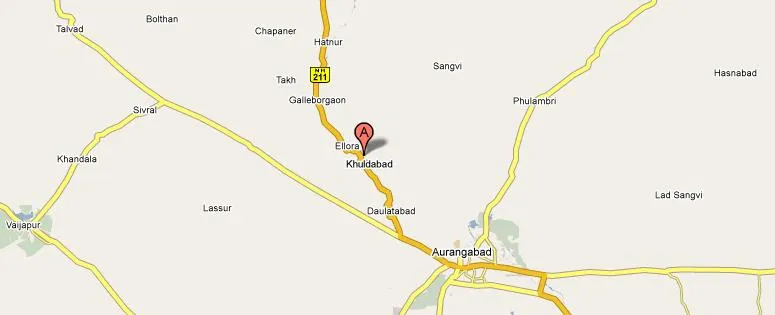
The Ellora caves, locally known as ‘Verul Leni’ is located on the Aurangabad-Chalisgaon road at a distance of 30 km north-northwest of Aurangabad, the district headquarters. The Ellora caves is one of the World Heritage Sites in India. The Elora caves are one of the wonders of the time and speak volumes about the excellent craftsmanship of the Ellora artists, sculptors and painters. The structures at Ellora caves are not creation of a particular period but were built over a long period of time…
About Ellora Caves
The Ellora caves, locally known as ‘Verul Leni’ is located on the Aurangabad-Chalisgaon road at a distance of 30 km north-northwest of Aurangabad, the district headquarters. The Ellora caves is one of the World Heritage Sites in India. The Elora caves are one of the wonders of the time and speak volumes about the excellent craftsmanship of the Ellora artists, sculptors and painters. The structures at Ellora caves are not creation of a particular period but were built over a long period of time from the 6th century AD to 10th century. The structures at Ellora comprise of Buddhist, Hindu and Jain cave temples and monasteries. There are 34 caves at Ellora (12 Buddhist, 17 Hindu and 5 Jain caves) and they demonstrate the religious tolerance prevalent during this period of Indian history.
The name Ellora itself inspires everyone as it represents one of the largest rock-hewn monastic-temple complexes in the entire world. Ellora is also world famous for the largest single monolithic excavation in the world, the great Kailasa (Cave 16).The Kailasa or Kailasanatha Temple, is the unrivaled centerpiece of Ellora. This gargantuan structure – designed to recall Mount Kailash, the abode of Lord Shiva – looks like a freestanding, multi-storeyed temple complex, but it was carved out of one single rock, and covers an area double the size of Parthenon in Athens.
The caves are hewn out of the volcanic basaltic formation of Maharasthra, known as ‘Deccan Trap’, the term trap being of Scandinavian origin representing the step like formation of the volcanic deposits. The rock formation, on weathering has given rise to the appearance of terraces with flat summits.The hills in which the caves are hewn, forms part of the Sahyadri ranges of the Deccan and dated to the Cretaceous era of the Geological time scale (about 65 million years ago). The hills rise abruptly from the surrounding plains on the south and west, the western surface being extensively utilised for hewing the cave complexes. The hill also supports several streams, the prominent among them being the Elaganga, which drains into the Shiv, a stream of the Godavari river system. The Elaganga is in its full vigour during the monsoon, when the overflowing waters of a barrage in the upstream near Mahismati allows the gushing waters to land at “Sita-ki-nahani” near Cave 29 as a crashing waterfall.
History
The Ellora Caves were built at time when Buddhism was declining in India and Hinduism was beginning to reassert itself. The Brahmanical movement was especially powerful under the patronage of the Chalukya and Rashtrakuta kings, who oversaw most of the work at Ellora - including the magnificent Kailasa Temple built in the 700s.
The last period of building activity took place in the 10th century, when the local rulers switched allegiance from Shaivism (Hinduism devoted to Shiva) to the Digambara sect of Jainism.
The coexistence of structures from three different religions serve as a splendid visual representation of the prevalent religious tolerance of India. For this reason and others, the Ellora Caves were designated a UNESCO World Heritage Site in 1983.
Interesting things to Visit
Grishneshwar:
Though there are lots of tourist attractions in Ellora Caves, the very famous spot is Grishneshwar which is the Shiva Temple is one of the twelve holy Jyotirlings of Lord Shiva, spread across the country. The temple situated a kilometer from the caves is deeply revered by the Hindus.
Khuldabad:
Situated at a distance of 3 km from the Ellora caves, the little town of Khuldabad is a holy place for the Deccan Muslims. It is also the final resting place of the Mughal emperor, Aurangzeb.
Daulatabad:
The another important tour spot is Daulatabad, whihc is the hill fort of Daulatabad, a stronghold of the Hindu dynasty of the Yadavas is situated about 13 km from Ellora. Earlier known as Devgiri, it was renamed Daultabad by Sultan Mohammad Bin Tughlaq in the 12th century.
Help Line/Phone Number
Jaikwadi dam, also known as Nath Sagar is located near Paithan.It is about 50 km from Aurangabad, built on river Godavari and about 110 km from Ahmednagar. Its area is 1300 km². It supplies water to Aurangabad City and generates power.The power station is at the foot of dam and is generating 12 MW power with reversible type generator.The Jaikwadi Dam supplies water to Aurangabad City and generates ample hydroelectric power……more
Copyright 2016 HolidayLandmark All rights reserved
Location info
-
Address: Aurangabad, Maharashtra,India.
-
District: Aurangabad district
-
Nearest City: Jalgaon
-
Best time to visit:October to March
Things to do at Ellora Caves
Explore the beauty of Ellora caves.
How to reach Ellora Caves
-
Nearest Railway Station: Jalgaon at a distance of around 60 km
-
Nearest Airport: Aurangabad domestic airport lies closest to the Ajanta caves and approximately 100 km away.
Road Transport: The Tourist Attractions in Ajanta Ellora Caves can be accessed via Aurangabad which is well connected to all neighbouring cities by state run buses.
Hotels & accommodation nearby
1.Hotel Kailas.
2.Maharastra Tourism Development Corporation’s Holiday Resort in nearby Fardapur.
Nearest visiting places
- Gautala Wildlife Sanctuary
The Gautala Wildlife Sanctuary is a renowned sanctuary in the state of Maharashtra.It is located in Aurangabad District of Maharashtra and lies in the Satmala and Ajantha hill ranges of Sahyadri
- Ajanta Caves
AJANTA is world’s greatest historical monument recognised by UNESCO far near from Jalgaon city of Maharashtra,Ajanta Cave Temple can be reached easily from anywhere in Maharashtra by means of regular tourist buses or by hiring taxis. The nearest airport is located at Aurangabad that lies at a distance of 99 kms from the temples. The charisma, of these caves, attracts millions of visitors each and every year
- Bhaja Buddhist Caves
Bhaja Caves, situated in the Aurangabad district, lie at a distance of 60 km from Pune. The caves are said to be as old as the 2nd century, i.e., the early Theravadin phase of Buddhism, when the Mauryans used to rule over India. The eighteen caves at Bhaja are dedicated to Lord Buddha and have been beautifully carved with His images. Some of the images represent Lord Buddha, in symbolic terms also, and some showcase the incidents surrounding His life. The carved images include that of the lotus or elephant, symbolizing his birth
- Junnar Caves
Junnar caves are situated in the Aurangabad district of Maharashtra. They lie at a distance of approximately 177 km from the city of Mumbai, on the Mumbai-Aurangabad route. There are three major groups of caves in the hills surrounding Junnar plains, of which the most prominent ones are Tulija Lena and the Ganesh Lena. All of the Junnar caves, situated in India, were founded somewhere between 2nd Century BC and 3rd Century AD
- Jaikwadi Dam
Jaikwadi dam, also known as Nath Sagar is located near Paithan.It is about 50 km from Aurangabad, built on river Godavari and about 110 km from Ahmednagar. Its area is 1300 km². It supplies water to Aurangabad City and generates power.The power station is at the foot of dam and is generating 12 MW power with reversible type generator.The Jaikwadi Dam supplies water to Aurangabad City and generates ample hydroelectric power
- Anwa Temple
Anwa Temple is located 10 km away from Golegaon close to Aurangabad, Maharashtra. Presiding deity is Lord Shiva, and the temple dates back to 12th century. The temple has a sanctuary and a mandap (open hall) with decorated pillars. Anwa is a small village on the main road leading from Aurangabad to the Ajanta Caves
- Bibi Ka Maqbara
Bibi Ka Maqbara is a beautiful Mughal monument situated just 5 km from Auragabad in the state of Maharashtra. The monument is a cheap imitation of the great Taj Mahal and is the mausoleum for Aurangzeb’s first wife Rabia-ud-Durrani. The structure was built in 1679 by Aurangzeb’s son Azam Shah in the memory of his mother (Bibi). An archaeological museum located just behind the mausoleum houses a rare collection of artifacts and articles of personal use from the times of the Mughal era
- Kailash Temple
Kailash Temple is situated near the village of Ellora, 30 km from Aurangabad. The temple is considered as one of the most astonishing buildings in the history of architecture. This is one of the largest 34 excavations at Ellora, which took almost a century. Kailash Temple is dedicated to Lord Shiva. The idol measures 109 feet wide by 164 feet long
- Daulatabad
The fortress of Daulatabad is surrounded by 5 km of sturdy walls. The central bastion tops a 200m high hill, originally known as Devagiri, the Hill of the Gods. It was named Daulatabad, the City of Fortune, in the 14th century by Mohammed Tughlaq, who conceived the crazy plan of not only building himself a new capital here, but marching the entire population of Delhi 1100 km south to populate it.The fort has been considered as the most powerful, puissant fort that offered robust resistance to the enemies
- Jaikwadi Wildlife Sanctuary
Best time to visit Ellora Caves
October to March: comfortable temperatures for exploring. Caves provide natural shelter from heat.
Timings & opening hours
Typically open from 9:00 AM to 5:00 PM daily. Closed on Mondays at some sites.
Entry fee & tickets
INR 25–40 for Indian nationals, INR 300–600 for foreign nationals. Free for children under 15.
Duration needed
1–2 hours for a group of caves. Ajanta and Ellora each require half a day to a full day.
Safety tips
Carry a torch/flashlight — interior areas may be dimly lit. Watch your step on uneven stone floors. Do not touch the paintings or carvings — oils from fingers can damage them. Photography rules vary by cave.
Things to carry
Torch/flashlight, comfortable walking shoes, water bottle, camera (check photography policy), and a light jacket (caves are cooler inside).
Nearest airport, railway & bus
Nearest airport: Aurangabad Airport (IXU) or Mumbai International Airport. Nearest railway station: Aurangabad, Lonavala, or nearest station. Accessible by road.
Mobile network coverage
Airtel, Jio, and Vi all provide excellent coverage across Maharashtra’s cities (Mumbai, Pune, Nagpur) and major tourist areas. 4G is reliable along highways and in most towns. Coverage may be weaker in deep forest areas of Tadoba, Melghat, and certain ghat sections. Free Wi-Fi is widely available in hotels and cafes.
Food & restaurants nearby
Food options are available in the nearest town. Maharashtrian cuisine — missal pav, vada pav, puran poli, and local thalis — is widely available.
Climate & weather
Maharashtra has a diverse climate spanning coastal Konkan, the Western Ghats, and the interior Deccan plateau. Winter (November–February) is the best time to visit: temperatures range from 12°C to 30°C depending on region. Summer (March–June) is hot, with interior areas reaching 40°C+ while hill stations (Mahabaleshwar, Lonavala) remain pleasant. The monsoon (June–September) brings heavy rainfall to the coast and ghats but transforms the landscape into lush green. October–November is pleasant post-monsoon.
Nearest petrol pump
Petrol pumps are available in the nearest town or on the approach road to Ellora Caves. It is advisable to fill fuel before heading to remote areas, especially hill forts and wildlife sanctuaries.
Frequently asked questions
Are Ellora Caves open every day? Ellora Caves are open from 9:00 AM to 5:00 PM, Wednesday through Monday. They are closed on Tuesdays.
What is the entry fee for Ellora Caves? INR 40 for Indian nationals, INR 600 for foreign nationals. Free entry for children under 15 years.
Can I visit Ajanta and Ellora in one day? It is possible but not recommended — the two sites are 100 km apart and each requires 3–4 hours for a proper visit. Two separate days are ideal.
Accessibility
Accessibility information is not currently available for this site. Contact the venue directly or check with your accommodation for the latest accessibility details.
Rules & restrictions
Standard visitor rules apply. Check locally for any specific restrictions at this site.
Best photography spots
The best photography spots are typically during the golden hours (early morning and late afternoon). Scout the location first to identify the best angles, and consider the direction of light at different times of day.
Quick facts
- Location: Maharashtra
- Best time to visit: November to February for pleasant weather
- Ideal duration: 1-3 hours for a thorough exploration
- Entry: Entry fee applicable (varies for Indian and foreign tourists)
- Guided tour: Available on request at the ticket counter
- Photography: Permitted in most areas; flash may be restricted
Visitor information
- Timings: Generally open from sunrise to sunset. Verify local timings before planning your visit.
- Entry fee: Entry fee applies as per Archaeological Survey of India rates. Check at the ticket counter for current charges.
- Best time to visit: October to March for the most comfortable weather conditions.
- Duration needed: 1 to 2 hours recommended for a comfortable visit.
Map & location view
- Destination: Ellora Caves
- State: Maharashtra, India
- Region: archeological region of Maharashtra
- How to reach: Accessible by road from nearby towns and cities. Local transport options include buses and taxis.
- Google Maps: Search for “Ellora Caves, Maharashtra” on Google Maps for precise directions and navigation.
Photo gallery of Ellora Caves
Photos coming soon. In the meantime, you can find images of Ellora Caves on popular travel photography sites and social media.
Photo gallery of Ellora Caves
Video gallery
Related destinations
Ajantha caves
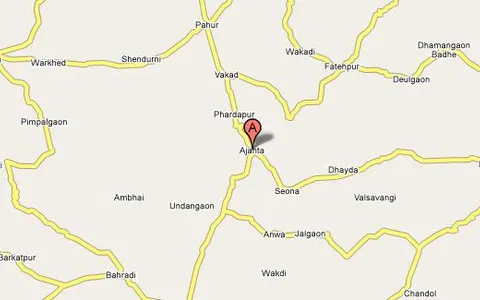
AJANTA is world's greatest historical monument recognised by UNESCO far near from Jalgaon city of Maharashtra,Ajanta Cave Temple can be reached easily from anywhere…
Bassein fort
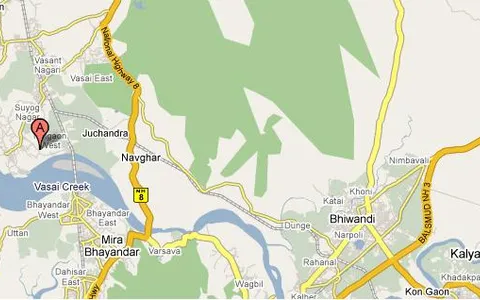
The Bassein Fort is the Sea fort in Vasai Road, which is a suburb towards north of Mumbai. Vasai Road is the third last station on the western railway towards…

Bhaja Buddhist Caves
Bhaja Caves, situated in the Aurangabad district, lie at a distance of 60 km from Pune. The caves are said to be as old as the 2nd century, i.e., the early…