Muria Dance
The Murias are the people who belong to the Muria Tribe and reside in the Northern part of Bastar district. The Murias are trained and taught several community dances in the Ghotul. As per the culture and tradition of this clan, the Murias first worship their drum before performing the dance. They basically dance and sing during some occasion and festivals. A colourful picture of the performing arts of Madhya Pradesh can be observed during marriages in the household of the clan. Before…
About Muria Dance
The Murias are the people who belong to the Muria Tribe and reside in the Northern part of Bastar district. The Murias are trained and taught several community dances in the Ghotul. As per the culture and tradition of this clan, the Murias first worship their drum before performing the dance. They basically dance and sing during some occasion and festivals. A colourful picture of the performing arts of Madhya Pradesh can be observed during marriages in the household of the clan. Before performing any dance or song the Murias pray to the ‘Lingo Pen’, who is the founder of the Ghotul institution and is regarded as the phallic deity of the tribe.
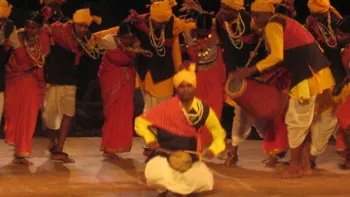
Their neighbours, the Murias, are known for their tradition drum dances called Mandri. It is mainly the dance of boys, who play the drum along with dancing. Sometimes girls also join them, though they appear grouped separately. The dance movements and steps of the boys are often complicated, involving kneeling, jumping, gyrating and the like, but at no time is there a let-up in the playing of the drum. Muria tribal man with the wooden drum called Kaumut
The Muria tribals of North Bastar area are known for performing the fold dances of Muria. These dances start with an invocation or prayer to the phallic deity of their tribe and the founder of the Ghotul institution. One of the popular Muria dances comprises of Har Endanna dance, performed by boys and girls during marriages. Then, there is the Karsana dance, performed for fun and enjoyment. As for the Hulki dance, it is the most beautiful of all Muria dances and has boys moving in a circular fashion, while the girls make their way through them.
There are many dances of the Muria Tribe that are a treat to eyes. The folks of the tribe get the basic training for these dances during Ghotul (a dormitory where teenage boys and girls mingle to gain knowledge and social ethics) itself. The main dances of the tribe are Har Endanna and Hulki. Har Endanna dance is performed during the marriage ceremonies. The dance has both boy and girl performers. Noteworthy thing of the dance is the movements of the drummers and the subtle changes they give to the drumming.
It would surprise many to learn that there are certain tribal customs in our country which would seem scandalous, by modern standards. One such tribe is the Muria, who are the inhabitants of North Bastar. They have a custom called Ghotul. The Ghotul is a kind of dormitory where unmarried men and women freely establish sexual relations. This is sanctioned by the tribe and is an integral part of Muria society.
The dancing site is chosen near the Ghotul compound. On marriage celebrations, the Muria boys and girls perform a dance called Har Endanna. The dance commences with a group of boys carrying ritualistic offerings and gifts and conducting the bridegroom to the ceremonial place. In this light and happy dance, there are a variety of movements with the boy and the girl dancers and drummers participating to move in patterns with running steps and circles then changing directions, kneeling, bending and jumping. The movements of the drummers as they dance and manipulate their drums is fascinating.
The Muria dance, Madhya Pradesh is a famous folk dance of Madhya Pradesh and is performed near the Ghotul compound. The dance starts with the boys carrying ritualistic offerings along with the bridegroom to the ceremonial place. The Muria dances are of many types. In this dance, there are a variety of movements. The boys and the girls participate enthusiastically. The dance has a fixed moving pattern with running steps and circles. The performers kneel down, bend and jump as a part of the movement in the Muria Dance, Madhya Pradesh. During the performance of Muria Dance in Madhya Pradesh in India, the drummers also move along with the dancers and keep on manipulating the rhythm.
There are a variety of Muria dance, like, the Hulki, the Har Endanna, the Karsana etc. The dances are performed for fun and enjoyment. The dance steps are quick and vibrant which adds an element of rhythm to the whole form.
Performing Arts of Madhya Pradesh has been an important part of the tradition and culture. Most of the dances and songs and other arts practised in Madhya Pradesh are tribal in nature because of the majority in the tribal population residing in the state. Tourists travelling to Madhya Pradesh can experience this vibrant dance and song culture of the state by going to a fair or during the time of festivals.
There is an intriguing legend behind the origin of the custom. It is said that Lingo Pen is a Phallic deity and founder of the Muria Ghotul. Legend has it that Lingo Pen was a proficient musician. He first taught the art of drumming to tribal boys. Amongst the Murias, a good drummer is regarded as a good lover. A Muria proverb says: “One who can beat a drum knows how to beat a girl in love.” In the mythological accounts of the Murias, Lingo Pen is all-powerful. No witch or ghost can invade the atmosphere of the Ghotul because of his invisible presence. Since Lingo is also the God of love, sin has no place within the Ghotul’s boundary.
The Ghotul consists of a large hut or a group of huts. The youth of Muria assemble here after sunset. The evening begins with the arrival of boys who bring their sleeping mats, tobacco pouches and the like, along with them. They settle down round the fire or in the compound. Some of them smoke while the others start playing their instruments. Soon girls arrive and song and dance begins in earnest. There is a great deal of singing, dancing, story telling, chatting, fun and laughter. Most of the dances and games are sexually suggestive and provocative. Notable among these are the Mandri (drum) dance and the Hulki (somewhat like a snake dance). The latter is a particularly engaging dance wherein the boys move in a ring while the girls thread their way through them. (This dance is also performed during weddings and other celebrations). Finally, the boys and girls start pairing off. However, the final decision regarding the pairing rests with the leader of the boys called Sirdar and the leader of the girls called Belosa. They ensure that not only romance but also an element of duty is involved in the pairing.
Muria society seems to be a highly evolved. It has found and implemented a unique system which circumvents the dangerous ramifications of love relationships. Romantic liaisons cause many a crime and the Murias have successfully avoided it within their tribe.
Copyright 2016 HolidayLandmark All rights reserved
Best time to visit Muria Dance
During major festivals (October-March); special performances arranged on request
How to reach Muria Dance
By Air: Raja Bhoj Airport (Bhopal) / Devi Ahilyabai Holkar Airport (Indore) / Dumna Airport (Jabalpur) / Gwalior Airport are the nearest airports with regular flights from major Indian cities. By Rail: Well-connected via Indian Railways network with regular trains from Delhi, Mumbai, Agra, and other major cities. By Road: Regular state bus services and private taxis available from nearby cities. Madhya Pradesh has a well-maintained network of national highways.
Timings & opening hours
Usually performed during festivals and cultural events; check local schedules
Entry fee & tickets
Free to watch at public festivals; cultural shows INR 100-500
Duration needed
1-2 hours per performance
Location info
Madhya Pradesh, India.
Safety tips
Respect local customs; photography may require permission; maintain silence during performances
Things to carry
Camera (with permission); comfortable seating cushion; light clothing
Nearby visiting places
Cultural centres, performance venues, local markets, and tourist information centres
Nearest airport, railway & bus
Accommodation options available in the nearest town/city. MP Tourism hotels, private resorts, and budget lodges are available near major tourist destinations. Advance booking recommended during peak season (October-March).
Mobile network coverage
Airtel, Jio, BSNL, and Vi all provide coverage across Madhya Pradesh. 4G is reliable in Bhopal, Indore, Gwalior, Jabalpur, and along national highways. Coverage may be weaker in deep forest areas of Kanha, Bandhavgarh, and Pench national parks. Most hotels and resorts in tourist areas offer free Wi-Fi.
Food & restaurants nearby
Food options are available in the nearest town. Madhya Pradesh cuisine — dal bafla, poha, bhutte ka kees, Bhopali kebabs, and Indori namkeen — offers distinctive regional flavours.
Hotels & accommodation nearby
Accommodation is available in the nearest town or city. MP Tourism hotels and wildlife lodges offer reliable mid-range options across the state.
History of Muria Dance
The Murias are the people who belong to the Muria Tribe and reside in the Northern part of Bastar district. The Murias are trained and taught several community dances in the Ghotul. As per the culture and tradition of this clan, the Murias first worship their drum before performing the dance. They basically dance and sing during some occasion and festivals. A colourful picture of the performing arts of Madhya Pradesh can be observed during marriages in the household of the clan. Before perfo
Things to do at Muria Dance
Watch live performances, learn basic dance steps from performers, attend cultural workshops, photograph performances (with permission), and interact with local artist communities.
Things to visit & highlights
Main attraction, surrounding natural or cultural sites, local markets, and nearby points of interest in the region.
Climate & weather
Madhya Pradesh has a subtropical climate with three distinct seasons. Winter (October–March) is the best time to visit: temperatures range from 8°C to 28°C with clear skies and pleasant days — ideal for wildlife safaris and temple visits. April–June is very hot, with temperatures reaching 42–45°C in most areas. The monsoon (July–September) brings moderate to heavy rainfall, making the landscape lush green, though wildlife parks close during peak monsoon.
Helpline & emergency contacts
Emergency Services: Police - 100, Ambulance - 108, Fire - 101. District helpline numbers available at local tourist information centres. For wildlife/national park emergencies, contact the forest department control room. MP Tourism helpline: 1800-233-6500 (toll-free).
Nearest petrol pump
Indian Oil, Bharat Petroleum, and Hindustan Petroleum retail outlets are available in the nearest town or city. Major highways have fuel stations at regular intervals. It is advisable to fill fuel before entering remote areas, wildlife sanctuaries, and national parks where fuel stations may be limited.
Frequently asked questions
Where can I watch this dance? Performances are held during local festivals, cultural events, and government-organised tourism festivals.
How long is a typical performance? A typical performance lasts 30-60 minutes.
Are tourists allowed to participate? In some festivals, tourists are welcome to learn basic steps.
What is the best time to see this dance? Major tribal festivals and the Lokrang Festival (January) feature traditional dances.
Quick facts
- Type: Destination
- State: Madhyapradesh
- Category: Music And Dance
Map & location view
This section is being updated and will be available shortly.
Photo gallery of Muria Dance
Video gallery
Related destinations
Ahiri Dance
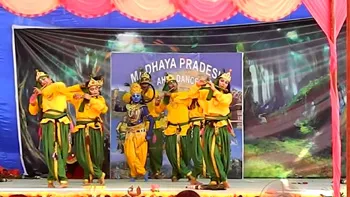
Ahiri Dance is a trademark of the cattle herders of Gwalior. The dance also has religious overtones, as the various communities of Gwalior who perform this dance…
Baredi or Yadav Dance
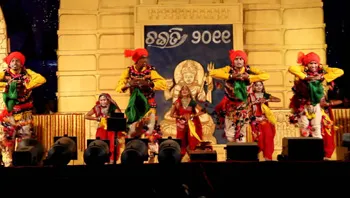
Baredi is an important folk dance of the Gwalior district. Staring from Diwali, the dance is performed till the day of 'Karthik Purnima'. A host of musical…
Chaitra festival dance
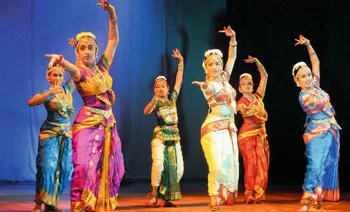
The Chaitra festival dance is another famous dance of the Gonds of Bastar district; it is performed after the harvest to thank goddess Annapurna for the harvest…