Kaksar Dance
The Abuj-Maria tribal community perform an interesting dance known as Kaksar. Actually, Kaksar is a deity who is worshipped before the rains for a rich harvest. It is, however, different from the other harvest dances discussed earliler, because, according to the tradition, while the boys and girls are dancing they choose their partners for life. The marriage is solemnized later. The boys wear a fascinating costume that includes a belt of large number of big and small jinglebells (ghungroo) tied…
About Kaksar Dance
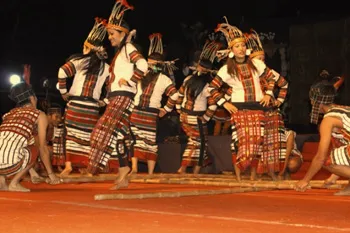
The Abuj-Maria tribal community perform an interesting dance known as Kaksar. Actually, Kaksar is a deity who is worshipped before the rains for a rich harvest. It is, however, different from the other harvest dances discussed earliler, because, according to the tradition, while the boys and girls are dancing they choose their partners for life. The marriage is solemnized later. The boys wear a fascinating costume that includes a belt of large number of big and small jinglebells (ghungroo) tied to the back side of their waist. When they dance the sound of the jinglebells enhances the appeal of the percussion music of the dance. The girls hold in their right hand waist-high iron rods having a few jinglebells on the top.
Kaksar Dance, Madhya Pradesh is a famous folk dance of Madhya Pradesh and is categorized among the performing arts of Madhya Pradesh. Kaksar Dance in Madhya Pradesh in India is the dance of the Marias Hill. In this dance form the people performing the dance carry dummy horses on their shoulders and move slowly in rhythm and pattern to make a wide circle.
This dance belongs to the Abujmaria tribe in Bastar. The dance is performed to please the deity and acquire his blessings for a rich harvest. Both girls and boys take part in this dance. Boys wear a long white robe and girls are laden with jewelery and shimmering dress. The music to the dance is very soothing. Every performer is enthusiastically involved as they get the opportunity to choose a life partner in this dance. Their marriage is later held with the approval of the society.
Kaksar Dance, Madhya Pradesh is a festival dance which is performed by the Abhujmaria tribe residing in Bastar. Before the onset of the monsoon, the Maria cultivators worship the god for reaping a good harvest.
Kaksar Dance is a group dance in which the performance is done by young boys and girls. The costume worn by the boys while performing Kaksar Dance is a peculiar looking dress, which is a white colored long robe with a belt of bells, worn round the waist. The girls are dressed in sarees and jewelleries. While dancing as per the tradition and the culture, the boys and the girls get an opportunity to choose their life partners whom they marry afterward with the approval of the senior members of the society. The rhythm and melody of the music that is accompanied with the dance is soothing to the ears. The melodious music and the tinkling bells combine to create an enchanting atmosphere. Other instruments used are dhol, timiki and bansuri.
The folk culture of Madhya Pradesh is quite rich and the performing arts of the state have gained a wide recognition in the national circuit. The young and enthusiastic performers involve themselves in the performance and try their best to make the performance worth watching. To experience the zeal of the performers and beauty of the show one can visit Madhya Pradesh before the reaping season.
Kaksar dance is performed by people in hope of reaping a rich harvest and is popular among the Abhujmarias of Bastar. It is mainly undertaken by young boys and girls, in order to invoke the blessings of the deity. Kaksar dance also presents a unique opportunity to boys and girls to choose their life partners.
kaksar is a festival dance from bastar in which abhuj maria tribe worship the village diety kaksar for blessings for reaping a good harvest. this is a group dance which is performed by young boys and girls , dressed in their best clothings.
While dancing they sing and strike the iron rod vertically on the ground on the accented beats of the rhythm. This sound blends well with that of the jinglebells worn by the boys. The girls form a semicircle and each dancer holds the iron rod in her right hand and the waist of nearest dancer with the left hand. The boys form a semicircle in front of the girl group. Both move in circles. While Mandar and Timki provide the percussion music, Bansuri, the flute provides the melodic component of the accompanying music.
Copyright 2016 HolidayLandmark All rights reserved
Best time to visit Kaksar Dance
As per event schedule; typically October-April
How to reach Kaksar Dance
Nearest airport: Raja Bhoj Airport, Bhopal (varies by location). Nearest railway station varies. Well-connected by state highway and regular bus services from major MP cities.
Timings & opening hours
Varies by festival/event; typically evening performances during fairs
Entry fee & tickets
Free at festivals; cultural shows INR 100-500
Duration needed
1-2 hours per performance
Location info
Madhya Pradesh, India.
Safety tips
Carry water, wear comfortable shoes, keep emergency contacts handy, supervise children
Things to carry
Comfortable clothing and shoes, water bottle, camera, sunscreen, hat, sunglasses, first aid kit
Nearby visiting places
Nearby attractions include local temples, monuments, and natural landmarks; check local tourism office.
Nearest airport, railway & bus
Nearest airport: Raja Bhoj Airport, Bhopal (varies by location).
Mobile network coverage
Airtel, Jio, BSNL, and Vi all provide coverage across Madhya Pradesh. 4G is reliable in Bhopal, Indore, Gwalior, Jabalpur, and along national highways. Coverage may be weaker in deep forest areas of Kanha, Bandhavgarh, and Pench national parks. Most hotels and resorts in tourist areas offer free Wi-Fi.
Food & restaurants nearby
Food options are available in the nearest town. Madhya Pradesh cuisine — dal bafla, poha, bhutte ka kees, Bhopali kebabs, and Indori namkeen — offers distinctive regional flavours.
Hotels & accommodation nearby
Accommodation is available in the nearest town or city. MP Tourism hotels and wildlife lodges offer reliable mid-range options across the state.
History of Kaksar Dance
Traditional folk dance form originating from the cultural traditions of Madhya Pradesh, passed down through generations.
Things to do at Kaksar Dance
Watch live performances; Participate in community dancing; Photography (with permission); Learn about dance history and style.
Things to visit & highlights
Nearby attractions include local temples, monuments, and natural landmarks; check local tourism office.
Climate & weather
Madhya Pradesh has a subtropical climate with three distinct seasons. Winter (October–March) is the best time to visit: temperatures range from 8°C to 28°C with clear skies and pleasant days — ideal for wildlife safaris and temple visits. April–June is very hot, with temperatures reaching 42–45°C in most areas. The monsoon (July–September) brings moderate to heavy rainfall, making the landscape lush green, though wildlife parks close during peak monsoon.
Helpline & emergency contacts
Police: 100, Ambulance: 108, Fire: 101; MP Tourism Helpline: 1800-233-1111; District helpline varies by location.
Nearest petrol pump
Petrol pumps available within 1-5 km of most tourist sites; major highways have regular fueling stations every 20-30 km. In remote areas, fill up at the nearest town before travelling.
Frequently asked questions
Where can I watch performances? At local festivals, cultural venues, and dedicated performance spaces in Madhya Pradesh cities.
Is the performance free or ticketed? Many festival performances are free to attend; dedicated cultural shows may cost INR 100-500 per person.
Can I take photographs during the performance? Photography is usually allowed but flash may be prohibited; it is polite to ask performers beforehand.
Quick facts
- Type: Destination
- State: Madhyapradesh
- Category: Music And Dance
Map & location view
This section is being updated and will be available shortly.
Photo gallery of Kaksar Dance
Video gallery
Related destinations
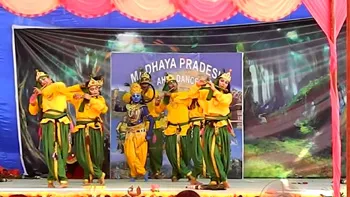
Ahiri Dance
Ahiri Dance is a trademark of the cattle herders of Gwalior. The dance also has religious overtones, as the various communities of Gwalior who perform this dance…
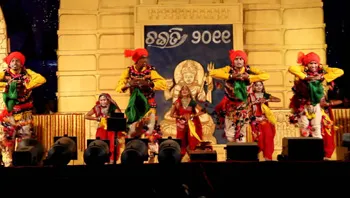
Baredi or Yadav Dance
Baredi is an important folk dance of the Gwalior district. Staring from Diwali, the dance is performed till the day of 'Karthik Purnima'. A host of musical…
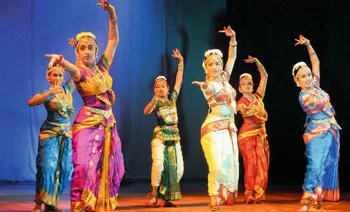
Chaitra festival dance
The Chaitra festival dance is another famous dance of the Gonds of Bastar district; it is performed after the harvest to thank goddess Annapurna for the harvest…