Pottery
Pottery Craft, an ancient art form, represents one of humanity's earliest creative expressions through non-ferrous metal casting. Traditionally known as Dokra, this craft involves a group of skilled artisans who use a unique lost-wax technique to create stunning brassware that showcases intricate designs and craftsmanship.
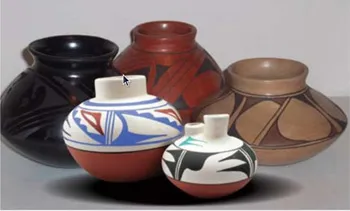
About Pottery
The artisans, often traveling from one community to another, have historically crafted ceremonial items, religious icons, and functional kitchenware, making each piece a blend of utility and artistic flair.
In Madhya Pradesh, tribal communities are celebrated for their innovative pottery, including wire pottery, which, while not prevalent in urban areas like Gwalior, can be found in local markets. For the best experience, it’s recommended to purchase directly from the artisans’ villages, where a broader selection and more competitive prices are available.
There is ongoing debate about the authenticity of pottery Craft as a preserved tradition versus a contemporary interpretation of historical practices. The skilled artisans, referred to as karamkars, include both men and women, each contributing to the vibrant culture of pottery making.
Dokra metal craft is particularly renowned in West Bengal, where artisans create exquisite statues, jewelry, idols, and decorative items using a combination of clay, wax, and metal. This craft not only reflects the artistic heritage but also serves as a vital source of livelihood for many families.
The wax mold is covered with a mold of clay. He, then, melts the metal needed for making the item.
Dokra craftsmen make figures of birds and animals and santhal jewels, like anklets and tinkling dancing bells. They also make decorative pieces, like lamp holders, lamps, chains, vases and stands. The art is very ethnic and boasts of real folk essence.
Location
Pottery Craft is predominantly practiced in the tribal regions of Madhya Pradesh, India, particularly in areas like Bhind, Morena, and Chhatarpur. These locations are known for their rich cultural heritage and the presence of skilled artisans who specialize in Dokra metal craft.
In addition to Madhya Pradesh, West Bengal is another prominent region where Dokra craft flourishes, especially in districts like Bankura and Purulia. Here, artisans create a variety of decorative items and traditional artifacts that reflect the region’s artistic legacy.
For visitors looking to experience this craft firsthand, exploring local villages and artisan workshops is highly recommended. Markets in towns like Gwalior and Jabalpur also offer a selection of pottery and metal crafts, but for the most authentic pieces, sourcing directly from the craftsmen in their native villages provides a unique opportunity to witness the art in its true form.
- Bhind District:
Address: Bhind, Madhya Pradesh
Pincode: 477001 - Morena District:
Address: Morena, Madhya Pradesh
Pincode: 476001 - Chhatarpur District:
Address: Chhatarpur, Madhya Pradesh
Pincode: 471001 - Bankura District:
Address: Bankura, West Bengal
Pincode: 722101 - Purulia District:
Address: Purulia, West Bengal
Pincode: 723101 - Gwalior:
Address: Gwalior, Madhya Pradesh
Pincode: 474001 - Jabalpur:
Address: Jabalpur, Madhya Pradesh
Pincode: 482001
History
The history of pottery craft dates back to ancient civilizations, where the art of shaping and firing clay was one of the first means of creating functional and decorative objects. Pottery has been found in archaeological sites around the world, dating back thousands of years, indicating its importance in early human culture.
In India, the tradition of pottery can be traced back to the Indus Valley Civilization (circa 2500 BCE), where artisans created sophisticated pottery that was both utilitarian and artistic. This early pottery often featured intricate designs and was made using advanced techniques that demonstrated the artisans’ skills and creativity.
Over the centuries, the craft evolved, influenced by various cultural exchanges and regional practices. In tribal regions like Madhya Pradesh, the craft developed into a unique art form known as Dokra, which utilizes the lost-wax technique for metal casting, merging both pottery and metalwork traditions.
The craftsmanship has been passed down through generations, with artisans preserving traditional methods while also adapting to contemporary trends. This resilience has allowed pottery craft to thrive, maintaining its relevance in today’s art and craft market.
In modern times, the significance of pottery craft has gained recognition not only for its artistic value but also for its cultural heritage. Efforts to promote and preserve this craft are ongoing, with various organizations working to support artisans and keep traditional methods alive.
Features
The pottery craft of Madhya Pradesh is renowned for its unique characteristics that reflect the cultural heritage and artistic skills of local artisans. Key features include:
- Traditional Techniques: The craft is often created using ancient methods, such as the lost-wax technique, which involves intricate processes to produce detailed designs.
- Variety of Products: Artisans produce a wide range of items, including decorative pieces, cookware, and ceremonial artifacts, showcasing their versatility.
- Cultural Significance: Many pottery items carry cultural and historical meanings, often used in rituals and ceremonies, making them integral to the local community.
- Rustic Aesthetic: The finished products often have a rustic and antique finish, adding to their charm and appeal for collectors and art lovers.
- Eco-Friendly Materials: Pottery is typically made from locally sourced clay, promoting sustainable practices and supporting local economies.
Leather Craft: Artisans in Madhya Pradesh create beautiful leather goods, including bags, footwear, and traditional attire, often using techniques passed down through generations.
Handwoven Textiles: The state is famous for its handloom products, especially Chanderi and Maheshwari sarees, known for their fine quality and intricate designs.
Woodcraft: The art of wood carving flourishes in Madhya Pradesh, producing exquisite furniture, decorative items, and traditional wooden toys.
Metal Crafts: Local artisans specialize in various metal crafts, including Dokra work, creating unique artifacts that reflect the rich cultural heritage of the region.
Bamboo and Cane Products: Bamboo crafts are popular, with artisans making furniture, baskets, and decorative items that highlight sustainable practices.
Folk Paintings: Traditional folk paintings, such as Gond and Warli art, depict local culture and are often used to decorate homes and public spaces.
Terracotta Art: Terracotta items, including pottery figures and decorative pieces, showcase the skill and creativity of local potters, contributing to the state’s cultural landscape.
Copyright 2016 HolidayLandmark All rights reserved
Best time to visit Pottery
Year-round; local fairs offer best collection
How to reach Pottery
By Air: Raja Bhoj Airport (Bhopal) / Devi Ahilyabai Holkar Airport (Indore) / Dumna Airport (Jabalpur) / Gwalior Airport are the nearest airports with regular flights from major Indian cities. By Rail: Well-connected via Indian Railways network with regular trains from Delhi, Mumbai, Agra, and other major cities. By Road: Regular state bus services and private taxis available from nearby cities. Madhya Pradesh has a well-maintained network of national highways.
Timings & opening hours
10:00 AM to 6:00 PM daily
Entry fee & tickets
Free entry to galleries; workshop fees INR 200-500
Duration needed
1-2 hours for gallery visit; half day for workshop
Safety tips
Handle artworks with care; ask before taking photographs; bargaining in local markets is acceptable
Things to carry
Camera (with permission); shopping bag; cash for purchases; notebook for notes
Nearby visiting places
Artisan workshops, galleries, emporiums, local markets, and cultural centres
Nearest airport, railway & bus
Accommodation options available in the nearest town/city. MP Tourism hotels, private resorts, and budget lodges are available near major tourist destinations. Advance booking recommended during peak season (October-March).
Mobile network coverage
Airtel, Jio, BSNL, and Vi all provide coverage across Madhya Pradesh. 4G is reliable in Bhopal, Indore, Gwalior, Jabalpur, and along national highways. Coverage may be weaker in deep forest areas of Kanha, Bandhavgarh, and Pench national parks. Most hotels and resorts in tourist areas offer free Wi-Fi.
Food & restaurants nearby
Food options are available in the nearest town. Madhya Pradesh cuisine — dal bafla, poha, bhutte ka kees, Bhopali kebabs, and Indori namkeen — offers distinctive regional flavours.
Hotels & accommodation nearby
Accommodation is available in the nearest town or city. MP Tourism hotels and wildlife lodges offer reliable mid-range options across the state.
Things to do at Pottery
Watch artisans at work, try hands-on craft workshops, purchase authentic handicrafts directly, visit galleries and emporiums, and learn about traditional techniques.
Things to visit & highlights
Main attraction, surrounding natural or cultural sites, local markets, and nearby points of interest in the region.
Climate & weather
Madhya Pradesh has a subtropical climate with three distinct seasons. Winter (October–March) is the best time to visit: temperatures range from 8°C to 28°C with clear skies and pleasant days — ideal for wildlife safaris and temple visits. April–June is very hot, with temperatures reaching 42–45°C in most areas. The monsoon (July–September) brings moderate to heavy rainfall, making the landscape lush green, though wildlife parks close during peak monsoon.
Helpline & emergency contacts
Emergency Services: Police - 100, Ambulance - 108, Fire - 101. District helpline numbers available at local tourist information centres. For wildlife/national park emergencies, contact the forest department control room. MP Tourism helpline: 1800-233-6500 (toll-free).
Nearest petrol pump
Indian Oil, Bharat Petroleum, and Hindustan Petroleum retail outlets are available in the nearest town or city. Major highways have fuel stations at regular intervals. It is advisable to fill fuel before entering remote areas, wildlife sanctuaries, and national parks where fuel stations may be limited.
Frequently asked questions
What crafts is this region known for? MP is famous for Chanderi and Maheshwari textiles, Gond and Bhil painting, terracotta, Dhokra metalwork, and wood carving.
Can I buy directly from artisans? Yes, most workshops welcome visitors and sell directly.
Are there workshops for tourists? Many craft centres offer hands-on workshops for visitors.
What are typical prices? Prices range from INR 100 (small souvenirs) to INR 10,000+ (premium textiles and large paintings).
Quick facts
- Type: Destination
- State: Madhyapradesh
- Category: Art And Craft
Map & location view
This section is being updated and will be available shortly.
Photo gallery of Pottery
Video gallery
Related destinations
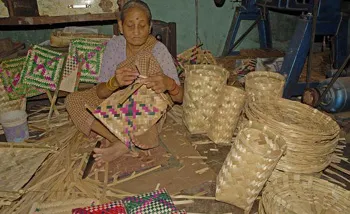
Bamboo Work
Bamboo & Cane occupy an important place in rural life: utility articles such as agricultural implements, fishing traps, hunting tools and baskets are made of…
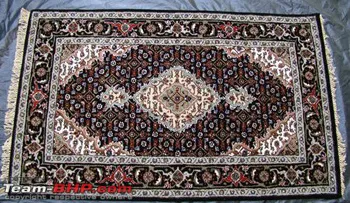
Carpet Weaving
Carpet-weaving Craft is the earliest known method of non-ferrous metal casting known to human civilization. The name carpet-weaving or Dokra was initially used to…
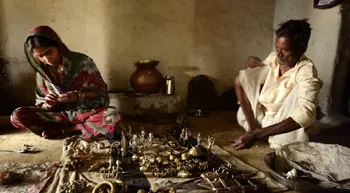
Dhokra
Dhokra Craft is the earliest known method of non-ferrous metal casting known to human civilization. The name Dhokra or Dokra was initially used to indicate a group…