Ornaments And Jewellery
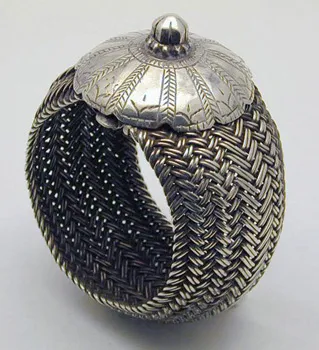
The Ornaments-and-Jewellery Craft, specifically known as Dokra, is one of the oldest known techniques of non-ferrous metal casting, tracing back thousands of years. Originally, "Dokra" described a community of itinerant craftsmen skilled in creating intricate brassware using the lost wax process. Today, Dokra represents a range of beautifully designed brass products that showcase the craftsmanship and heritage of these artisans.
About Ornaments And Jewellery
Historically,Dokra craftsmen traveled among various tribes, crafting items for ceremonial and religious purposes, as well as daily utility
items like ornaments and kitchenware. Each item tells a story, embodying the cultural and artistic traditions of the regions they served.
The tribal communities of Madhya Pradesh are renowned for their imaginative and creative contributions to the ornaments-and-jewellery
craft, particularly through intricate wirework. Although active Dokra production is limited in Gwalior, these items are widely available in the market.
For those seeking a broader selection and authentic pieces, we recommend purchasing directly from areas with extensive Dokra production for a richer variety and competitive prices.
Recently, Dokra craftsmanship has seen a resurgence as more people appreciate its traditional beauty and sustainable qualities. Artisans are now supported by the government and various cooperatives, which offer training, resources, and market access. This revival has allowed Dokra to reach a global audience and has elevated it to a popular choice for eco-friendly and ethnic interior design.
In modern times, Dokra artisans have adapted traditional designs to create contemporary jewelry, such as earrings, bracelets, and necklaces, featuring ethnic motifs that appeal to both local and international markets. This handcrafted jewelry resonates with eco-conscious buyers looking for sustainable and unique pieces that carry cultural significance.
Questions remain about whether Dokra is a preserved tradition or a reimagined art based on historical narratives. Today, Dokra craftsmen, now often called “karamkars,” continue to uphold this rich craft, and it remains a collaborative effort, involving both men and women in the crafting process.
Dokra metalwork is especially popular in West Bengal, where it is revered as an important folk art form. Using clay, wax, and metal, Dokra artisans create a wide range of items, from statues and jewelry to idols and decorative pieces. This process requires great skill and patience, embodying the essence of India’s artistic heritage.
In the crafting process, artisans first mold wax into a desired shape, which is then coated in layers of clay. Once the clay mold hardens, metal is poured in to create the final product. This technique allows for the creation of beautifully detailed pieces, such as animal figurines, traditional jewelry like anklets and bells, and home decor items such as lamp holders, chains, and vases. Each piece is crafted with care, preserving the authenticity and folk essence of Dokra artistry.
Location
Location: Dokra metalwork is primarily associated with the eastern and central parts of India, with notable centers in West Bengal (including the town of Bikna), Odisha (particularly in the Dhenkanal district), Chhattisgarh, Madhya Pradesh, and Jharkhand. These regions are known for their dedication to preserving and advancing this ancient craft. Major hubs in these areas offer a variety of Dokra designs. For those interested in purchasing authentic pieces, traveling to these regions allows you to see the process firsthand, or you can find Dokra items at tribal art emporiums and specialty stores in urban areas.
History
History: The Ornaments-and-Jewellery craft, also known as Dokra, is a form of metal casting art practiced in India for over 4,000 years.
One of the earliest examples of this craft was found in Mohenjodaro — a wax artifact depicting a dancing girl.
Dokra is celebrated for its simplicity and its deep connection to folk traditions.
The traditional metalworkers of West Bengal, known as the Ghawa or Ornaments-and-Jewellery Kumar tribes, have continued this art for generations. The Dokra craftsmen of West Bengal, Bihar, and Odisha share a distant connection with the metal artisans of Madhya Pradesh, who likely originated from the same tribal group before spreading across the country, from Kerala in the south to Rajasthan in the north.
Dokra metal craft is common in the tribal regions of Madhya Pradesh, Odisha, West Bengal, and Andhra Pradesh. Made primarily from recycled brass, Dokra pieces feature a core of clay, encased in intricate metal casting. Originally, the term ‘Dokra’ referred to a specific group of craftsmen known for their metalworking expertise; today, it denotes this unique tribal craft, known for its rich cultural significance and craftsmanship.
In West Bengal, the artisans skilled in the lost wax process, also called ‘Dokra Kamars,’ are concentrated in Bankura, Purulia, Midnapore, and Burdwan districts. The Dokra artisans are part of a once-nomadic community spread across regions in West Bengal, Odisha, Andhra Pradesh, and Madhya Pradesh.
This craft utilizes the ‘lost wax’ or ‘Cire Perdue’ process, where a wax replica of the intended object is sculpted around a clay core, capturing even the finest details. This method allows for the casting of brass, bronze, or other noble metals, preserving the artisanal legacy through each handcrafted piece.
Features
Adivasi, meaning “original dwellers,” communities in the Indian states of Odisha, Chhattisgarh, Jharkhand, Madhya Pradesh, Bihar, and West Bengal, have preserved the traditional ornaments-and-jewellery craft, employing the intricate “lost wax technique.” This technique involves twelve stages of preparation, using beeswax threads to form detailed designs.
Ornaments-and-jewellery, a metal craft with tribal origins, serves as a utility art today, created in various forms for both decorative and practical use. This craft is primarily found in the tribal regions of Madhya Pradesh, Chhattisgarh, Odisha, West Bengal, and Andhra Pradesh. During the process, wax is melted, and the clay mold is broken, revealing the metal object, which is then smoothened and polished to perfection. Known widely as the lost wax process, ornaments-and-jewellery art is celebrated for its rustic, antique finish that gives it a unique charm and appeal. With enchanting folk motifs, this craft is revered around the world.
Related Arts and Crafts in Madhya Pradesh
-
Tie & Dye (Bandhani/Bandhej)
- Uses resist-dye technique with thread and knots.
- Main centers: Mandsaur, Indore, and Ujjain.
-
Batik
- Fabric painted with wax and dyed, popular for sarees and dress material.
- Main centers: Indore and Bherongarh.
-
Saree Weaving
- Famous for Chanderi and Maheshwari sarees.
- Key features: silk and cotton blend, zari work, reversible borders.
- Tussar silk production in Champa.
-
Durrie Weaving
- Thick woven floor coverings with bold patterns.
- Centers: Sironj, Jhabua, Jabalpur, and Shahdol.
-
Carpet Weaving
- Known for vibrant woolen carpets with traditional motifs.
- Main centers: Gwalior, Shahdol, and Mandla.
-
Zari Work
- Intricate metallic embroidery for purses, bags, and slippers.
- Main centers: Bhopal, Gwalior, and Indore.
-
Ornaments & Jewellery
- Made from gold, silver, bronze, and mixed metals.
- Popular in Tikamgarh, Jhabua, and Sheopur-Kalan.
-
Uses resist-dye technique with thread and knots.
-
Main centers: Mandsaur, Indore, and Ujjain.
-
Fabric painted with wax and dyed, popular for sarees and dress material.
-
Main centers: Indore and Bherongarh.
-
Famous for Chanderi and Maheshwari sarees.
-
Key features: silk and cotton blend, zari work, reversible borders.
-
Tussar silk production in Champa.
-
Thick woven floor coverings with bold patterns.
-
Centers: Sironj, Jhabua, Jabalpur, and Shahdol.
-
Known for vibrant woolen carpets with traditional motifs.
-
Main centers: Gwalior, Shahdol, and Mandla.
-
Intricate metallic embroidery for purses, bags, and slippers.
-
Main centers: Bhopal, Gwalior, and Indore.
-
Made from gold, silver, bronze, and mixed metals.
-
Popular in Tikamgarh, Jhabua, and Sheopur-Kalan.
-
Folk Paintings
- Wall paintings linked to local festivals and rituals.
- Styles: Bundelkhand, Gondwana, Mandana in Malwa, Nimar, and Tanwarghar.
-
Iron Craft
- Iron items like candle stands and statues are common in tribal areas.
- Key centers: Gond, Muria, and Bhatra communities.
-
Metal Craft
- Lamps, boxes, and animal figurines with socio-religious significance.
-
Stone Carving
- Famous for latticework and statues in Gwalior, Vidisha, and Khajuraho.
-
Woodcraft
- Embossed doors, ceilings, and sculptures in wood.
- Main centers: Gwalior, Rewa, Sheopur-Kalan.
-
Stuffed Leather Toys
- Painted leather toys, shoes, and bags from Gwalior, Indore, Dewas.
-
Brass Work
- Crafted by Bastar tribes using cire-perdue (lost wax) technique.
-
Papier Mache
- Figures of birds and animals crafted with natural colors.
- Main center: Ujjain, also in Gwalior, Bhopal.
-
Terracotta
- Animal figures and statues placed in shrines; common in Bundelkhand.
-
Bamboo & Cane
- Baskets, furniture crafted by Gond, Baiga, and Korku tribes.
-
Dolls
- Cloth dolls reflecting Indian cultural diversity, popular in Gwalior and Bhopal.
-
Wall paintings linked to local festivals and rituals.
-
Styles: Bundelkhand, Gondwana, Mandana in Malwa, Nimar, and Tanwarghar.
-
Iron items like candle stands and statues are common in tribal areas.
-
Key centers: Gond, Muria, and Bhatra communities.
-
Lamps, boxes, and animal figurines with socio-religious significance.
-
Famous for latticework and statues in Gwalior, Vidisha, and Khajuraho.
-
Embossed doors, ceilings, and sculptures in wood.
-
Main centers: Gwalior, Rewa, Sheopur-Kalan.
-
Painted leather toys, shoes, and bags from Gwalior, Indore, Dewas.
-
Crafted by Bastar tribes using cire-perdue (lost wax) technique.
-
Figures of birds and animals crafted with natural colors.
-
Main center: Ujjain, also in Gwalior, Bhopal.
-
Animal figures and statues placed in shrines; common in Bundelkhand.
-
Baskets, furniture crafted by Gond, Baiga, and Korku tribes.
-
Cloth dolls reflecting Indian cultural diversity, popular in Gwalior and Bhopal.
-
Gaur Dance - Celebrates hunting spirit, popular among Marias of Bastar.
-
Muria Dance - Pre-wedding ritual dance performed by Murias.
-
Saila Dance - Stick dance performed post-harvest in Chhattisgarh.
-
Karma Dance - Fertility dance associated with the Karma festival.
-
Kaksar Dance - Performed by Hill Marias in Bastar to invoke blessings for harvest.
-
Sua or Sugga Dance - Parrot dance by women during Diwali.
-
Matki Dance - Solo dance with a pot on the head, popular in Malwa region.
-
Folk Music - Tribal music, countryside ceremonial songs, and Bhakti music.
-
Instruments
- Drums: Dhol, Mandal, Parang.
- Flutes: Bans, Algoza.
- String instruments: Sarangi, Dhungru.
- Other instruments: Pungi, Morchang, Ghangli.
-
Drums: Dhol, Mandal, Parang.
-
Flutes: Bans, Algoza.
-
String instruments: Sarangi, Dhungru.
-
Other instruments: Pungi, Morchang, Ghangli.
The Ellora caves, locally known as �Verul Leni� is located on the Aurangabad-Chalisgaon road at a distance of 30 km north-northwest of Aurangabad, the district headquarters. The Ellora caves is one of the World Heritage Sites in India. The Elora caves are one of the wonders of the time and speak volumes about the excellent craftsmanship of the Ellora artists, sculptors and painters. The structures at Ellora caves are not creation of a particular period but were built over a long period of time from the 6th century AD to 10th century. The structures at Ellora comprise of Buddhist, Hindu and Jain cave temples and monasteries……more
Jaikwadi dam, also known as Nath Sagar is located near Paithan.It is about 50 km from Aurangabad, built on river Godavari and about 110 km from Ahmednagar. Its area is 1300 km�. It supplies water to Aurangabad City and generates power.The power station is at the foot of dam and is generating 12 MW power with reversible type generator.The Jaikwadi Dam supplies water to Aurangabad City and generates ample hydroelectric power……more
Copyright 2016 HolidayLandmark All rights reserved
Best time to visit Ornaments And Jewellery
Year-round; local fairs offer best collection
How to reach Ornaments And Jewellery
By Air: Raja Bhoj Airport (Bhopal) / Devi Ahilyabai Holkar Airport (Indore) / Dumna Airport (Jabalpur) / Gwalior Airport are the nearest airports with regular flights from major Indian cities. By Rail: Well-connected via Indian Railways network with regular trains from Delhi, Mumbai, Agra, and other major cities. By Road: Regular state bus services and private taxis available from nearby cities. Madhya Pradesh has a well-maintained network of national highways.
Timings & opening hours
10:00 AM to 6:00 PM daily
Entry fee & tickets
Free entry to galleries; workshop fees INR 200-500
Duration needed
1-2 hours for gallery visit; half day for workshop
Safety tips
Handle artworks with care; ask before taking photographs; bargaining in local markets is acceptable
Things to carry
Camera (with permission); shopping bag; cash for purchases; notebook for notes
Nearby visiting places
Artisan workshops, galleries, emporiums, local markets, and cultural centres
Nearest airport, railway & bus
Accommodation options available in the nearest town/city. MP Tourism hotels, private resorts, and budget lodges are available near major tourist destinations. Advance booking recommended during peak season (October-March).
Mobile network coverage
Airtel, Jio, BSNL, and Vi all provide coverage across Madhya Pradesh. 4G is reliable in Bhopal, Indore, Gwalior, Jabalpur, and along national highways. Coverage may be weaker in deep forest areas of Kanha, Bandhavgarh, and Pench national parks. Most hotels and resorts in tourist areas offer free Wi-Fi.
Food & restaurants nearby
Food options are available in the nearest town. Madhya Pradesh cuisine — dal bafla, poha, bhutte ka kees, Bhopali kebabs, and Indori namkeen — offers distinctive regional flavours.
Hotels & accommodation nearby
Accommodation is available in the nearest town or city. MP Tourism hotels and wildlife lodges offer reliable mid-range options across the state.
Things to do at Ornaments And Jewellery
Watch artisans at work, try hands-on craft workshops, purchase authentic handicrafts directly, visit galleries and emporiums, and learn about traditional techniques.
Things to visit & highlights
Main attraction, surrounding natural or cultural sites, local markets, and nearby points of interest in the region.
Climate & weather
Madhya Pradesh has a subtropical climate with three distinct seasons. Winter (October–March) is the best time to visit: temperatures range from 8°C to 28°C with clear skies and pleasant days — ideal for wildlife safaris and temple visits. April–June is very hot, with temperatures reaching 42–45°C in most areas. The monsoon (July–September) brings moderate to heavy rainfall, making the landscape lush green, though wildlife parks close during peak monsoon.
Helpline & emergency contacts
Emergency Services: Police - 100, Ambulance - 108, Fire - 101. District helpline numbers available at local tourist information centres. For wildlife/national park emergencies, contact the forest department control room. MP Tourism helpline: 1800-233-6500 (toll-free).
Nearest petrol pump
Indian Oil, Bharat Petroleum, and Hindustan Petroleum retail outlets are available in the nearest town or city. Major highways have fuel stations at regular intervals. It is advisable to fill fuel before entering remote areas, wildlife sanctuaries, and national parks where fuel stations may be limited.
Frequently asked questions
What crafts is this region known for? MP is famous for Chanderi and Maheshwari textiles, Gond and Bhil painting, terracotta, Dhokra metalwork, and wood carving.
Can I buy directly from artisans? Yes, most workshops welcome visitors and sell directly.
Are there workshops for tourists? Many craft centres offer hands-on workshops for visitors.
What are typical prices? Prices range from INR 100 (small souvenirs) to INR 10,000+ (premium textiles and large paintings).
Quick facts
- Type: Destination
- State: Madhyapradesh
- Category: Art And Craft
Map & location view
This section is being updated and will be available shortly.
Photo gallery of Ornaments And Jewellery
Video gallery
Related destinations
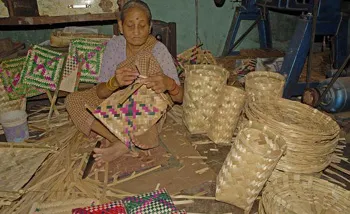
Bamboo Work
Bamboo & Cane occupy an important place in rural life: utility articles such as agricultural implements, fishing traps, hunting tools and baskets are made of…
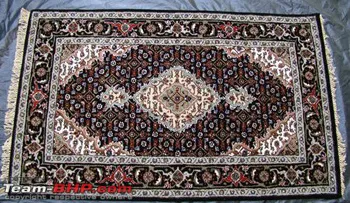
Carpet Weaving
Carpet-weaving Craft is the earliest known method of non-ferrous metal casting known to human civilization. The name carpet-weaving or Dokra was initially used to…
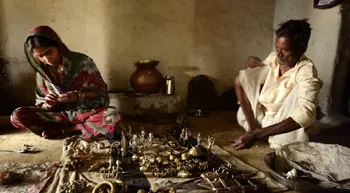
Dhokra
Dhokra Craft is the earliest known method of non-ferrous metal casting known to human civilization. The name Dhokra or Dokra was initially used to indicate a group…